
 Megtekintés
 Küldés
 Megosztás
 Részletek
 Útmutató

 Letöltés
 Hasonló darabok
 X-ray felvétel
 Diavetítés
 Q&A
Q&A Statisztika
Study from nature, hoboken, n.j.


 Összes részlet megjelenítése
Giclée / Műnyomat
Múzeumi minőségű giclée vagy vászonnyomat, gyors gyártással és rugalmas finomítási lehetőségekkel. ( Kézzel festett másolat rendelése Áttérés digitális képre)




P118B Ft10

P118H Ft10

P118W Ft10

P438Z Ft10

P508JH Ft12

P508YH Ft12

P805H Ft10

P805Z Ft10

P919BZ Ft10

P919G Ft10

P919XJ Ft10

P959ZH Ft10

P968JZ Ft12

W106C Ft8

W218G Ft10

W218JH Ft8

W218Y Ft10

W307PJ Ft10

W316G Ft10

W316PJ Ft8

W316Y Ft10

W398PJ Ft8

W4111J Ft10

W500HY Ft15

W500JH Ft15

W692G Ft12

W849H Ft8

W940BG Ft15

W953PJ Ft8




Válasszon előre meghatározott méreteink közül, amelyek megfelelnek a műalkotás eredeti arányainak.

Írja be a keretének vagy a falának megfelelő szélességet és magasságot. A nyomatot csak le lehet vágni, soha nem tehető nagyobbá, mint az eredeti kép, így egy eltérő alakú méretnél a kép egy része elveszik. Mielőtt bármit kinyatintanánk, küldünk egy digitális próbamodellt jóváhagyásra. Az oldalon látható kép nem tartalmazza a valós levágást — ezt csak a próbamodell mutatja meg.
Világszerte történő kiszállítás területére mindössze 2 hét alatt, a szokásos 4-5 hét helyett. (1 november)

Ingyenes globális expressz szállítás

Prémium minőségű len vászon

Teljes körű szállítási biztosítás

Vámvisszatérítési Garancia

Hiteles színarányosság garancia

100 napos visszaküldési lehetőség (csak hibás termékek esetén)

100% pénzvisszatérítési garancia

Több darab vásárlásakor kedvezmény
 Az üvegkeretes opció csak 110 cm alatti méretben érhető el

Study from nature, hoboken, n.j.
Giclée / Műnyomat
Reprodukció mérete
-


Összesített ár
Ft 26198
Study from Nature, Hoboken, N.J.: A Glimpse of American Serenity
Asher Brown Durand's "Study from Nature, Hoboken, N.J." is a captivating oil on canvas painting that exemplifies the Hudson River School movement and its dedication to portraying the natural beauty of America. Created in the mid-19th century, this artwork offers a tranquil view of trees within a wooded area, set against a rocky hillside. The scene evokes a sense of peace and quietude, inviting viewers to immerse themselves in the serenity of nature.
Artist Background: Asher Brown Durand
Asher Brown Durand (1796-1886) was a pivotal figure within the Hudson River School. Initially trained as an engraver, he transitioned to painting and became known for his meticulous depictions of landscapes. Durand's artistic philosophy centered on capturing not just the visual appearance of nature but also its spiritual essence. He believed that landscape painting could inspire reverence for God’s creation and foster a deeper connection between humanity and the natural world. As a founding member of the National Academy of Design, he played a significant role in shaping American art during his lifetime.
Painting Description: Composition and Technique
The composition of "Study from Nature, Hoboken, N.J." is carefully balanced, with trees dominating the foreground and receding into the background to create depth. The artist skillfully uses light and shadow to define forms and enhance the sense of atmosphere. While some trees display lush green foliage, others suggest a winter scene, adding visual interest and complexity. A few birds are subtly incorporated into the composition, bringing life and movement to the tranquil setting. Durand's technique demonstrates his mastery of oil painting; visible brushstrokes add texture and dimension to the canvas, while subtle gradations of color create a realistic portrayal of light filtering through the trees.
Historical Context and Symbolism
This painting emerged during a period of significant westward expansion in America. The Hudson River School artists sought to capture the grandeur and unspoiled beauty of the American landscape before it was irrevocably altered by industrialization and development. "Study from Nature, Hoboken, N.J." reflects this desire to document and celebrate the nation's natural heritage. Symbolically, the painting represents a yearning for harmony with nature—a retreat from the growing complexities of urban life. The serene woodland scene offers a sanctuary, inviting contemplation and spiritual renewal.
Emotional Impact and Legacy
The emotional impact of "Study from Nature, Hoboken, N.J." is one of profound tranquility and awe. The painting’s quiet beauty evokes feelings of peace, serenity, and connection to the natural world. Durand's work continues to resonate with audiences today, reminding us of the importance of preserving our environment and appreciating the simple pleasures of nature. As a cornerstone of the Hudson River School movement, this artwork stands as a testament to Durand’s artistic vision and his enduring legacy in American art.
Kérdések és válaszok
Milyen kontraszt jellemzi a „Study from nature, hoboken, n.j.”, Durand Asher Brown alkotása alkotást?
A „Study from nature, hoboken, n.j.”, Durand Asher Brown alkotása kontrasztját Statement teszi.
Mely korszakban készült a „Study from nature, hoboken, n.j.”, Durand Asher Brown alkotása?
A "Study from nature, hoboken, n.j." a 19th Century korszak alkotása.
Miért van az, hogy a "Study from nature, hoboken, n.j." szerzői jogi állapota ilyen?
A „Study from nature, hoboken, n.j.”, Durand Asher Brown alkotása közösségi tulajdon – a szerzői jog lejártt állapotban van. A szerzői jogi védelem időtartama a művész halálától számítódik, amely 1886 évben történt.
A művész életrajza
A Life Rooted in the American Landscape
Asher Brown Durand, born August 21, 1796, in Maplewood, New Jersey, wasn’t initially destined for a life immersed in paint and canvas. His early years were shaped by the practical world of his father, a watchmaker and silversmith – a profession that instilled in him an extraordinary attention to detail, a meticulousness that would later become fundamental to his artistic approach. This grounding in craftsmanship led him down an unexpected path: an apprenticeship with the engraver Peter Maverick in 1812. Initially, Durand seemed destined for a career within the precise lines of engraving, and he quickly proved himself exceptionally skilled, rising through the ranks of the firm and establishing its New York City branch. His reputation as an engraver soared dramatically after completing the intricate reproduction of John Trumbull’s *The Declaration of Independence* in 1823 – a monumental undertaking that firmly cemented his standing within the artistic community. However, beneath the surface of this exacting craft lay a burgeoning passion for capturing the raw beauty and grandeur of the natural world, a calling that would ultimately transform him into one of America's most celebrated landscape painters.From Engraving to Embracing Nature’s Palette
The transition from meticulous engraver to a painter dedicated to capturing the essence of nature wasn’t immediate or straightforward. Durand continued his engraving work while simultaneously exploring painting, initially focusing on portraiture and genre scenes – works that showcased his technical skill but didn't fully satisfy his artistic aspirations. A pivotal moment arrived in the 1830s through the patronage of Luman Reed, a wealthy merchant who recognized Durand’s potential and provided him with the financial support to dedicate himself more fully to painting. Reed’s encouragement, coupled with a transformative sketching expedition with his close friend, Thomas Cole, in the Adirondacks during the summer of 1837, proved to be a catalyst for change. This journey into the untamed wilderness – a vast expanse of mountains, lakes, and forests – fundamentally altered Durand's artistic perspective. He discovered a profound connection to the American landscape, an overwhelming sense of awe and wonder that compelled him to translate these experiences onto canvas. He began spending his summers immersed in nature, meticulously documenting the Catskills, Adirondacks, and White Mountains through countless drawings and oil sketches; each stroke was deliberate, informed by a deep understanding of light, shadow, and texture. These preliminary studies weren’t merely preparatory exercises; they were integral to his artistic process, informing the composition, color palette, and overall mood of his finished paintings.A Founding Voice of the Hudson River School
Durand's dedication to landscape painting aligned him with a burgeoning group of artists who shared a similar vision – a movement that would soon be recognized as the Hudson River School. This school wasn’t simply about depicting picturesque scenery; it was about imbuing landscapes with emotional resonance, spiritual significance, and a profound connection to the divine. Durand became one of its founding members, alongside Cole, and played a crucial role in establishing the school's distinctive aesthetic. The Hudson River School painters sought to capture not just the appearance of nature but also its essence – its power, beauty, and majesty. Durand’s work embodies this philosophy, characterized by an extraordinary level of realism combined with a romantic sensibility. He believed in observing nature with unwavering accuracy, meticulously rendering every detail from the texture of bark to the play of light on water. Yet, he also recognized that landscapes could evoke powerful emotions – feelings of awe, reverence, and even spiritual transcendence. His paintings weren’t merely representations of places; they were expressions of his deep connection to the American wilderness and a celebration of God's creation.Major Achievements and Artistic Style
Durand’s artistic style evolved significantly throughout his career, reflecting his deepening understanding of landscape painting. Initially influenced by the precision of engraving, he gradually developed a looser, more expressive brushstroke – a technique that allowed him to capture the fleeting effects of light and atmosphere. His paintings are renowned for their meticulous detail, vibrant colors, and atmospheric perspective. He was particularly adept at depicting trees, capturing their complex forms and textures with remarkable accuracy. His most celebrated works include *The Solitary Oak* (1846), a powerful depiction of an ancient tree standing alone in a vast landscape; *Sketch in the Woods* (1838), which captures the dappled light filtering through the trees; and *Kindred Spirits* (1849), a monumental painting that depicts Cole and poet William Cullen Bryant amidst a serene woodland scene – a testament to their shared appreciation for nature. Durand’s influence extended beyond his own artistic output, as he served as president of the National Academy of Design from 1845 to 1861, using his position to champion American art and nurture emerging talent.Legacy and Enduring Influence
Asher Brown Durand's legacy extends far beyond his individual paintings. He was a pivotal figure in shaping the course of American landscape painting, establishing new standards for realism and artistic expression. His “Letters on Landscape Painting,” published in *The Crayon* in 1855, articulated his artistic principles and advocated for direct observation from nature – a philosophy that continues to resonate with artists today. Durand’s commitment to capturing the beauty and spiritual significance of the American wilderness cemented his place as one of the most important figures in the Hudson River School and a lasting influence on generations of landscape painters. His paintings, now housed in major museums across the country, offer viewers a glimpse into 19th-century America – a nation grappling with its identity while simultaneously discovering the profound beauty and spiritual power of its natural landscapes.
Durand Asher Brown
1796 - 1886 , Egyesült Államok
Rövid információk
- Artistic Movement Or Style: Hudson River School
- Artists Or Movements Influenced By This Artist: ['Hudson River School']
- Artists Who Influenced This Artist: ['Thomas Cole']
- Date Of Birth: 1796. augusztus 21.
- Date Of Death: 1886. szeptember 17.
- Full Name: Asher Brown Durand
- Nationality: Amerikai
- Notable Artworks:
- A vadász
- A fák
- Tengerpart
- Place Of Birth: New York, USA
Kapcsolódó cikkek
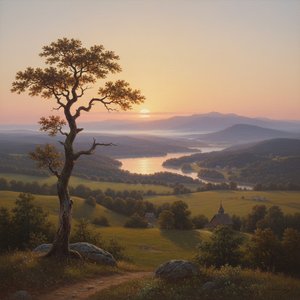
Asher Brown Durand: Luminism, Landscape & the American Ideal – A Comprehensive Exploration
Explore the life & art of Asher Brown Durand, a founding member of the Hudson River School. Discover his masterful landscapes, Luminist techniques, and lasting impact on American painting. Learn about key works like 'Kindred Spirits' & collecting Durand today.
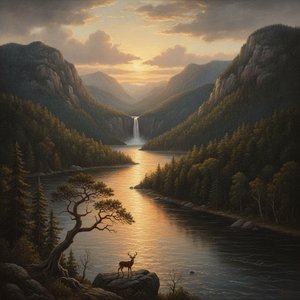
Epic Landscapes & Wild Nature: The Power of the Hudson River School's Sublime Artistry
Explore the breathtaking power of the Hudson River School. Journey through epic American landscapes, from Thomas Cole's sublime vistas to Luminist light, and discover how these timeless masterpieces continue to inspire modern collectors and art lovers worldwide.
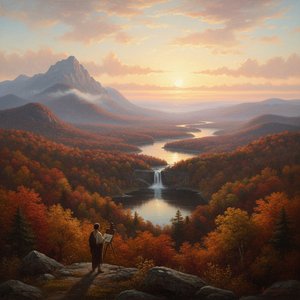
The Sublime Landscape: Exploring the Hudson River School Movement
Explore the captivating world of the Hudson River School! Discover the history, artists, and defining characteristics of this iconic American art movement. Learn about Romanticism's influence & find inspiration for your collection.

A Hudson River Iskola 10 Mesterműve: Tájképfestészet és Amerika Lelke – OriginalUniqueArt
Fedezze fel a Hudson River Iskola 10 legikonikusabb műalkotását! Frederic Church, Thomas Cole és más amerikai festők romantikus tájképei. Vászonkép másolatok, faliképek otthonába – OriginalUniqueArt.com kínálatából. Explore the full collection online!
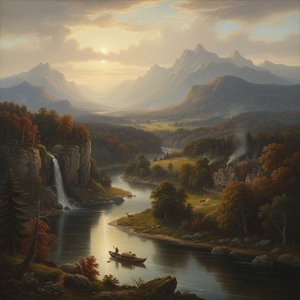
Capturing the American Spirit: A Journey Through Iconic Landscapes and the Legacy of the Hudson River School
Explore the profound beauty of American art history. From the Hudson River School to iconic landscapes, discover a curated journey through the masterpieces that defined a nation's spirit and the enduring legacy of American Romanticism.

