
 Megtekintés
 Küldés
 Megosztás
 Részletek

 Letöltés
 Hasonló darabok
 X-ray felvétel
 Diavetítés
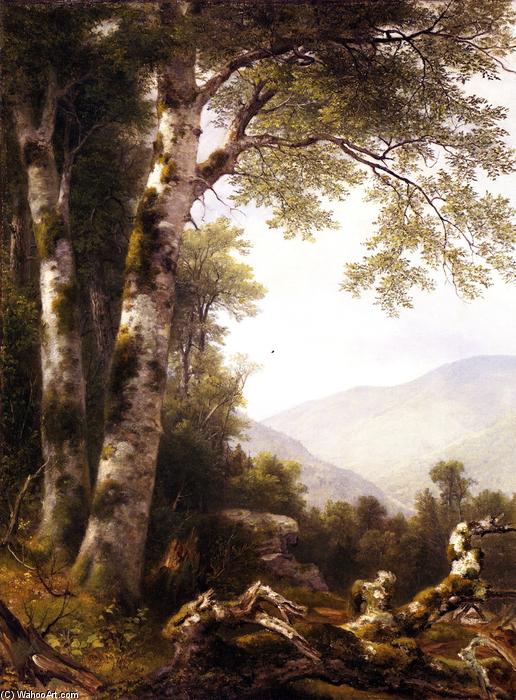
Landscape with Birches


 Összes részlet megjelenítése
Giclée / Műnyomat
Múzeumi minőségű giclée vagy vászonnyomat, gyors gyártással és rugalmas finomítási lehetőségekkel. ( Kézzel festett másolat rendelése Kép letöltése)




P118B $10

P118H $10

P118W $10

P438Z $10

P508JH $12

P508YH $12

P805H $10

P805Z $10

P919BZ $10

P919G $10

P919XJ $10

P959ZH $10

P968JZ $12

W106C $8

W218G $10

W218JH $8

W218Y $10

W307PJ $10

W316G $10

W316PJ $8

W316Y $10

W398PJ $8

W4111J $10

W500HY $15

W500JH $15

W692G $12

W849H $8

W940BG $15

W953PJ $8




Válasszon előre meghatározott méreteink közül, amelyek megfelelnek a műalkotás eredeti arányainak.

Megadhat saját méreteket is egy konkrét kerethez vagy helyszínhez igazítva. Amennyiben a kiválasztott méret nem egyezik az eredeti kép arányokkal, a műalkotást le fogjuk vágni, vagy kiegészítjük a képet tükrözött vagy egyszínű szélekkel. A gyártás megkezdése előtt egy digitális tervezetet küldünk jóváhagyásra.
Kérjük, vegye figyelembe, hogy a képernyőn látható előnézet nem tükrözi a tényleges levágást vagy kiegészítést. Csak a tervezet mutatja pontosan a végső kompozíciót.
Bár az egyedi méretek is elérhetőek, az eredeti arányok megőrzése érdekében azt javasoljuk, hogy válasszon a előre meghatározott listából származó méretet.
Világszerte történő kiszállítás területére mindössze 2 hét alatt, a szokásos 4-5 hét helyett. (21 augusztus)

Ingyenes globális expressz szállítás

Prémium minőségű len vászon

Teljes körű szállítási biztosítás

Vámvisszatérítési Garancia

Hiteles színpontosság garancia

60 napos visszaküldési lehetőség (csak hibás termékek esetén)

100% pénzvisszatérítési garancia

Több darab vásárlása esetén kedvezmény
 Az üvegkeretes opció csak 110 cm alatti méretben érhető el

Landscape with Birches
Giclée / Műnyomat
Reprodukció mérete
-


Összesített ár
$ 80
Gyűjthető leírása
A Verdant Ode to the American Wilderness
To gaze upon this depiction of a landscape with birches is to be transported to a moment suspended in time—a breath drawn deep within the heart of the American wilderness. Asher Brown Durand, master chronicler of the burgeoning American sublime, has gifted us more than just a view; he has captured an emotional resonance between humanity and nature. The composition immediately draws the eye into a tapestry woven from varying shades of green, earthy browns, and the distant, hazy blues of the mountains. In the foreground, the grouping of trees, some standing sentinel while others have gracefully succumbed to gravity, speaks to the relentless, beautiful cycle of life and decay. These elements are not merely decorative; they invite contemplation on permanence versus transience.
Mastery in Light and Atmosphere
Durand’s technique here is a testament to his profound understanding of pictorial depth. The way he renders the moss clinging to the trunks suggests an almost tactile reality, inviting the viewer to imagine the damp coolness of the forest floor. Notice the interplay between the shadowed undergrowth and the patches where sunlight manages to pierce the canopy; this masterful handling of light gives the scene a palpable atmosphere. Furthermore, the inclusion of birds taking flight above the expanse adds a vital element of movement, suggesting that life continues, vibrant and unburdened, even within the quiet majesty of the woods. The background mountains anchor the entire composition, providing an immense sense of scale against which the intimate drama of the foreground plays out.
Historical Echoes: Romanticism in American Art
Painted around 1855, this work sits squarely within the tradition of American Romantic landscape painting. During Durand’s time, as the nation expanded westward, artists like him found their calling in documenting and idealizing the untamed American frontier. These landscapes were not just pretty pictures; they were visual manifestos, celebrating the sublime power of nature—a power that dwarfed human endeavor and inspired a deep sense of national identity. The meticulous detail combined with the grand scope speaks to an era where art served both as aesthetic pleasure and as cultural documentation.
Symbolism and Emotional Resonance for the Modern Collector
For the contemporary collector or designer, this piece offers more than mere decoration; it is a source of profound tranquility. The birches themselves, often associated with resilience and purity in folklore, combine with the vastness of the mountains to create a visual balm for the modern soul. Owning a reproduction of this work allows one to anchor a space—be it a study, a drawing-room, or an entryway—with a sense of enduring peace. It is a reminder to pause, to look beyond the immediate hustle, and to appreciate the quiet grandeur that surrounds us in the natural world.
A művész életrajza
A Life Rooted in the American Landscape
Asher Brown Durand, born August 21, 1796, in Maplewood, New Jersey, wasn’t initially destined for a life immersed in paint and canvas. His early years were shaped by the practical world of his father, a watchmaker and silversmith – a profession that instilled in him an extraordinary attention to detail, a meticulousness that would later become fundamental to his artistic approach. This grounding in craftsmanship led him down an unexpected path: an apprenticeship with the engraver Peter Maverick in 1812. Initially, Durand seemed destined for a career within the precise lines of engraving, and he quickly proved himself exceptionally skilled, rising through the ranks of the firm and establishing its New York City branch. His reputation as an engraver soared dramatically after completing the intricate reproduction of John Trumbull’s *The Declaration of Independence* in 1823 – a monumental undertaking that firmly cemented his standing within the artistic community. However, beneath the surface of this exacting craft lay a burgeoning passion for capturing the raw beauty and grandeur of the natural world, a calling that would ultimately transform him into one of America's most celebrated landscape painters.From Engraving to Embracing Nature’s Palette
The transition from meticulous engraver to a painter dedicated to capturing the essence of nature wasn’t immediate or straightforward. Durand continued his engraving work while simultaneously exploring painting, initially focusing on portraiture and genre scenes – works that showcased his technical skill but didn't fully satisfy his artistic aspirations. A pivotal moment arrived in the 1830s through the patronage of Luman Reed, a wealthy merchant who recognized Durand’s potential and provided him with the financial support to dedicate himself more fully to painting. Reed’s encouragement, coupled with a transformative sketching expedition with his close friend, Thomas Cole, in the Adirondacks during the summer of 1837, proved to be a catalyst for change. This journey into the untamed wilderness – a vast expanse of mountains, lakes, and forests – fundamentally altered Durand's artistic perspective. He discovered a profound connection to the American landscape, an overwhelming sense of awe and wonder that compelled him to translate these experiences onto canvas. He began spending his summers immersed in nature, meticulously documenting the Catskills, Adirondacks, and White Mountains through countless drawings and oil sketches; each stroke was deliberate, informed by a deep understanding of light, shadow, and texture. These preliminary studies weren’t merely preparatory exercises; they were integral to his artistic process, informing the composition, color palette, and overall mood of his finished paintings.A Founding Voice of the Hudson River School
Durand's dedication to landscape painting aligned him with a burgeoning group of artists who shared a similar vision – a movement that would soon be recognized as the Hudson River School. This school wasn’t simply about depicting picturesque scenery; it was about imbuing landscapes with emotional resonance, spiritual significance, and a profound connection to the divine. Durand became one of its founding members, alongside Cole, and played a crucial role in establishing the school's distinctive aesthetic. The Hudson River School painters sought to capture not just the appearance of nature but also its essence – its power, beauty, and majesty. Durand’s work embodies this philosophy, characterized by an extraordinary level of realism combined with a romantic sensibility. He believed in observing nature with unwavering accuracy, meticulously rendering every detail from the texture of bark to the play of light on water. Yet, he also recognized that landscapes could evoke powerful emotions – feelings of awe, reverence, and even spiritual transcendence. His paintings weren’t merely representations of places; they were expressions of his deep connection to the American wilderness and a celebration of God's creation.Major Achievements and Artistic Style
Durand’s artistic style evolved significantly throughout his career, reflecting his deepening understanding of landscape painting. Initially influenced by the precision of engraving, he gradually developed a looser, more expressive brushstroke – a technique that allowed him to capture the fleeting effects of light and atmosphere. His paintings are renowned for their meticulous detail, vibrant colors, and atmospheric perspective. He was particularly adept at depicting trees, capturing their complex forms and textures with remarkable accuracy. His most celebrated works include *The Solitary Oak* (1846), a powerful depiction of an ancient tree standing alone in a vast landscape; *Sketch in the Woods* (1838), which captures the dappled light filtering through the trees; and *Kindred Spirits* (1849), a monumental painting that depicts Cole and poet William Cullen Bryant amidst a serene woodland scene – a testament to their shared appreciation for nature. Durand’s influence extended beyond his own artistic output, as he served as president of the National Academy of Design from 1845 to 1861, using his position to champion American art and nurture emerging talent.Legacy and Enduring Influence
Asher Brown Durand's legacy extends far beyond his individual paintings. He was a pivotal figure in shaping the course of American landscape painting, establishing new standards for realism and artistic expression. His “Letters on Landscape Painting,” published in *The Crayon* in 1855, articulated his artistic principles and advocated for direct observation from nature – a philosophy that continues to resonate with artists today. Durand’s commitment to capturing the beauty and spiritual significance of the American wilderness cemented his place as one of the most important figures in the Hudson River School and a lasting influence on generations of landscape painters. His paintings, now housed in major museums across the country, offer viewers a glimpse into 19th-century America – a nation grappling with its identity while simultaneously discovering the profound beauty and spiritual power of its natural landscapes.
Durand Asher Brown
1796 - 1886 , Egyesült Államok
A művészről röviden
- Artistic Movement Or Style: Hudson River School
- Artists Or Movements Influenced By This Artist: ['Hudson River School']
- Artists Who Influenced This Artist: ['Thomas Cole']
- Date Of Birth: 1796. augusztus 21.
- Date Of Death: 1886. szeptember 17.
- Full Name: Asher Brown Durand
- Nationality: Amerikai
- Notable Artworks:
- A vadász
- A fák
- Tengerpart
- Place Of Birth: New York, USA
Kapcsolódó cikkek
A Hudson River Iskola 10 Mesterműve: Tájképfestészet és Amerika Lelke – OriginalUniqueArt
Fedezze fel a Hudson River Iskola 10 legikonikusabb műalkotását! Frederic Church, Thomas Cole és más amerikai festők romantikus tájképei. Vászonkép másolatok, faliképek otthonába – OriginalUniqueArt.com kínálatából. Explore the full collection online!
The Hudson River School: A Definitive Guide to America's Romantic Landscape Tradition
Explore the profound legacy of the Hudson River School. Discover how masters like Thomas Cole captured the American sublime through Romanticism and Luminism. A definitive guide for art historians and collectors seeking to understand America's wild beauty.
The Sublime Landscape: Exploring the Hudson River School Movement
Explore the captivating world of the Hudson River School! Discover the history, artists, and defining characteristics of this iconic American art movement. Learn about Romanticism's influence & find inspiration for your collection.
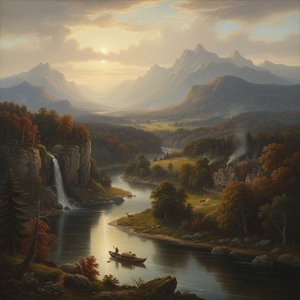
Capturing the American Spirit: A Journey Through Iconic Landscapes and the Legacy of the Hudson River School
Explore the profound beauty of American art history. From the Hudson River School to iconic landscapes, discover a curated journey through the masterpieces that defined a nation's spirit and the enduring legacy of American Romanticism.
A Tájkép Mesterei: 10 Képi Gyöngyem a Természet Szerelemről – OriginalUniqueArt.com
Fedezze fel a 10 legikonikusabb tájkép festményt! Monet, Van Gogh és más mesterek művei inspirálnak. Művészeti reprodukciók magas minőségben – tökéletes dekoráció otthonába. Böngésszen OriginalUniqueArt.com-on!



