

 Megtekintés
 Küldés
 Megosztás
 Részletek
 Útmutató

 Letöltés
 Hasonló darabok
 X-ray felvétel
 Diavetítés
 Statisztika
Ariadne
 Oil On Canvas
- WallArt
- French Academic Art
 1831
1831- 19th Century
 44.0 x 49.0 cm
 Metropolitan Művészeti Múzeum
 Összes részlet megjelenítése
Kézzel készített olajfestmény reprodukció
Kézzel festett olajvastú vászon, az Ön által választott méretben és keretben, művészeink készítik meglévőre. ( Váltás nyomtatványra Áttérés digitális képre)




P118B Ft10

P118H Ft10

P118W Ft10

P438Z Ft10

P508JH Ft12

P508YH Ft12

P805H Ft10

P805Z Ft10

P919BZ Ft10

P919G Ft10

P919XJ Ft10

P959ZH Ft10

P968JZ Ft12

W106C Ft8

W218G Ft10

W218JH Ft8

W218Y Ft10

W307PJ Ft10

W316G Ft10

W316PJ Ft8

W316Y Ft10

W398PJ Ft8

W4111J Ft10

W500HY Ft15

W500JH Ft15

W692G Ft12

W849H Ft8

W940BG Ft15

W953PJ Ft8




Válasszon előre meghatározott méreteink közül, amelyek megfelelnek a műalkotás eredeti arányainak.

Írja be a kívánt szélességet és magasságot, hogy illeszkedjen a keretéhez vagy a falához. Mivel ez kézzel festett alkotás, egy eltérő formájú méret esetén a művész akár festhet is valamivel többet a kép körül, vagy korolathat is belőle — az Ön döntésének megfelelően. A festés megkezdése előtt küldünk egy digitális tervezetet jóváhagyásra. Az oldalon látható kép nem tartalmazza a végeredményt — csak a tervezet mutatja meg a valódi eredményt.
A rendelést követően a OriginalUniqueArt.com csapata e-mailt küld az ügyfélnek az instrukciókért, és biztosít egy előnézeti képet (mockup).
Világszerte elérhető szállítás () 3-4 hét alatt a szokásos 5 hét helyett. (26 október). A minőség nem kérdőjelezhető.

Ingyenes globális expressz szállítás

Prémium minőségű len vászon

Teljes körű szállítási biztosítás

Vámvisszatérítési Garancia

Hiteles színarányosság garancia

100 napos visszaküldési lehetőség (csak hibás termékek esetén)

100% pénzvisszatérítési garancia

Több darab vásárlásakor kedvezmény
 Az üvegkeretes opció csak 110 cm alatti méretben érhető el

Ariadne
Reprodukciós technika
Reprodukció mérete
-


Összesített ár
Ft 96158
Asher Brown Durand’s ‘Ariadne’: A Symphony of Romantic Softness
Asher Brown Durand's “Ariadne,” completed in 1831, is more than just a painting; it’s a poignant meditation on isolation and beauty rendered with the meticulous skill honed during his years as America’s foremost engraver. Measuring 44 x 49 cm, this oil-on-canvas work, currently residing within The Metropolitan Museum of Art in New York, offers a captivating glimpse into the artistic currents of its time – specifically, the delicate interplay between Neoclassicism and Romanticism that defined the early 19th century.
- Subject Matter: The painting depicts Ariadne, the Cretan princess abandoned on the island of Naxos, a figure steeped in myth and representing vulnerability and despair.
- Inspiration: Durand’s work is a carefully considered copy of John Vanderlyn's original history painting, itself a Neoclassical masterpiece. This lineage informs the piece’s formal structure while Durand subtly shifts the emphasis towards a more emotionally resonant interpretation.
The Echoes of Neoclassicism and Romanticism
Durand’s artistic approach is profoundly shaped by his background as an engraver, a skill that instilled in him an unparalleled attention to detail and a deep understanding of tonal gradation. This technical mastery is evident in the painting's remarkably smooth surfaces and precise rendering of form. However, “Ariadne” transcends mere technical proficiency; it’s infused with the burgeoning Romantic sensibility that was beginning to challenge the rigid ideals of Neoclassicism. While Vanderlyn’s work prioritized clarity and order, Durand introduces a deliberate softness into the drapery and an overall atmosphere of melancholy. This shift reflects the broader artistic movement's embrace of emotional expression and subjective experience – a move away from purely objective representation.
The painting’s creation occurred during a period of significant social and political change in America, following the Napoleonic Wars. The French Academic Art Movement, which Durand aligned with, sought to revive classical ideals while simultaneously acknowledging the power of human emotion. This fusion is powerfully realized in “Ariadne,” where the serene natural setting – trees and mountains – serves not as a backdrop for heroic action but as a contemplative space for the princess’s sorrow.
Symbolism and Emotional Resonance
The composition itself speaks volumes. Ariadne lies prone, her hands gently placed behind her head, suggesting both vulnerability and a quiet acceptance of her fate. The muted color palette – dominated by blues, grays, and browns – reinforces the mood of desolation and isolation. Even the inclusion of a bird adds to the painting’s symbolic weight; birds are often associated with freedom and hope, yet here they seem equally trapped within the scene, mirroring Ariadne's predicament.
Comparing “Ariadne” to Pompeo Batoni’s *Diana and Cupid* reveals striking similarities in subject matter and setting – both depict mythological figures in idyllic natural landscapes. However, where Batoni’s work exudes a sense of joyous celebration, Durand’s rendition is imbued with a profound sadness, highlighting the artist's deliberate adaptation of Neoclassical principles to suit American tastes and his own Romantic sensibilities.
A Timeless Masterpiece
"Ariadne" stands as a testament to Asher Brown Durand’s artistic vision and technical skill. It represents a pivotal moment in American art history, bridging the gap between classical tradition and burgeoning Romanticism. Its enduring appeal lies not only in its exquisite detail but also in its ability to evoke a powerful emotional response – a reminder of human vulnerability and the poignant beauty found even in moments of profound solitude.
Kérdések és válaszok
A „Ariadne”, Durand Asher Brown alkotása jogtalanul védett (public domain)?
A „Ariadne”, Durand Asher Brown alkotása közösségi tulajdon – a szerzői jog lejártt státuszú mű. Ez a jogi státusz határozza meg, hogy a mű képmásolata hogyan reproduzható.
Megtekinthető a „Ariadne”, Durand Asher Brown alkotása alkotás rendelés előtt?
A „Ariadne”, Durand Asher Brown alkotása reprodukciójának megtekintéséhez nyissa meg a mű Előnézet oldalát.
Milyen formátumú és méretű a "Ariadne"?
A „Ariadne”, Durand Asher Brown alkotása egy 44 x 49 cm méretű, Landscape formátumú alkotás.
A művész életrajza
A Life Rooted in the American Landscape
Asher Brown Durand, born August 21, 1796, in Maplewood, New Jersey, wasn’t initially destined for a life immersed in paint and canvas. His early years were shaped by the practical world of his father, a watchmaker and silversmith – a profession that instilled in him an extraordinary attention to detail, a meticulousness that would later become fundamental to his artistic approach. This grounding in craftsmanship led him down an unexpected path: an apprenticeship with the engraver Peter Maverick in 1812. Initially, Durand seemed destined for a career within the precise lines of engraving, and he quickly proved himself exceptionally skilled, rising through the ranks of the firm and establishing its New York City branch. His reputation as an engraver soared dramatically after completing the intricate reproduction of John Trumbull’s *The Declaration of Independence* in 1823 – a monumental undertaking that firmly cemented his standing within the artistic community. However, beneath the surface of this exacting craft lay a burgeoning passion for capturing the raw beauty and grandeur of the natural world, a calling that would ultimately transform him into one of America's most celebrated landscape painters.From Engraving to Embracing Nature’s Palette
The transition from meticulous engraver to a painter dedicated to capturing the essence of nature wasn’t immediate or straightforward. Durand continued his engraving work while simultaneously exploring painting, initially focusing on portraiture and genre scenes – works that showcased his technical skill but didn't fully satisfy his artistic aspirations. A pivotal moment arrived in the 1830s through the patronage of Luman Reed, a wealthy merchant who recognized Durand’s potential and provided him with the financial support to dedicate himself more fully to painting. Reed’s encouragement, coupled with a transformative sketching expedition with his close friend, Thomas Cole, in the Adirondacks during the summer of 1837, proved to be a catalyst for change. This journey into the untamed wilderness – a vast expanse of mountains, lakes, and forests – fundamentally altered Durand's artistic perspective. He discovered a profound connection to the American landscape, an overwhelming sense of awe and wonder that compelled him to translate these experiences onto canvas. He began spending his summers immersed in nature, meticulously documenting the Catskills, Adirondacks, and White Mountains through countless drawings and oil sketches; each stroke was deliberate, informed by a deep understanding of light, shadow, and texture. These preliminary studies weren’t merely preparatory exercises; they were integral to his artistic process, informing the composition, color palette, and overall mood of his finished paintings.A Founding Voice of the Hudson River School
Durand's dedication to landscape painting aligned him with a burgeoning group of artists who shared a similar vision – a movement that would soon be recognized as the Hudson River School. This school wasn’t simply about depicting picturesque scenery; it was about imbuing landscapes with emotional resonance, spiritual significance, and a profound connection to the divine. Durand became one of its founding members, alongside Cole, and played a crucial role in establishing the school's distinctive aesthetic. The Hudson River School painters sought to capture not just the appearance of nature but also its essence – its power, beauty, and majesty. Durand’s work embodies this philosophy, characterized by an extraordinary level of realism combined with a romantic sensibility. He believed in observing nature with unwavering accuracy, meticulously rendering every detail from the texture of bark to the play of light on water. Yet, he also recognized that landscapes could evoke powerful emotions – feelings of awe, reverence, and even spiritual transcendence. His paintings weren’t merely representations of places; they were expressions of his deep connection to the American wilderness and a celebration of God's creation.Major Achievements and Artistic Style
Durand’s artistic style evolved significantly throughout his career, reflecting his deepening understanding of landscape painting. Initially influenced by the precision of engraving, he gradually developed a looser, more expressive brushstroke – a technique that allowed him to capture the fleeting effects of light and atmosphere. His paintings are renowned for their meticulous detail, vibrant colors, and atmospheric perspective. He was particularly adept at depicting trees, capturing their complex forms and textures with remarkable accuracy. His most celebrated works include *The Solitary Oak* (1846), a powerful depiction of an ancient tree standing alone in a vast landscape; *Sketch in the Woods* (1838), which captures the dappled light filtering through the trees; and *Kindred Spirits* (1849), a monumental painting that depicts Cole and poet William Cullen Bryant amidst a serene woodland scene – a testament to their shared appreciation for nature. Durand’s influence extended beyond his own artistic output, as he served as president of the National Academy of Design from 1845 to 1861, using his position to champion American art and nurture emerging talent.Legacy and Enduring Influence
Asher Brown Durand's legacy extends far beyond his individual paintings. He was a pivotal figure in shaping the course of American landscape painting, establishing new standards for realism and artistic expression. His “Letters on Landscape Painting,” published in *The Crayon* in 1855, articulated his artistic principles and advocated for direct observation from nature – a philosophy that continues to resonate with artists today. Durand’s commitment to capturing the beauty and spiritual significance of the American wilderness cemented his place as one of the most important figures in the Hudson River School and a lasting influence on generations of landscape painters. His paintings, now housed in major museums across the country, offer viewers a glimpse into 19th-century America – a nation grappling with its identity while simultaneously discovering the profound beauty and spiritual power of its natural landscapes.
Durand Asher Brown
1796 - 1886 , Egyesült Államok
Rövid információk
- Artistic Movement Or Style: Hudson River School
- Artists Or Movements Influenced By This Artist: ['Hudson River School']
- Artists Who Influenced This Artist: ['Thomas Cole']
- Date Of Birth: 1796. augusztus 21.
- Date Of Death: 1886. szeptember 17.
- Full Name: Asher Brown Durand
- Nationality: Amerikai
- Notable Artworks:
- A vadász
- A fák
- Tengerpart
- Place Of Birth: New York, USA
Kapcsolódó cikkek

The Enduring Power of Painting: A Historical & Contemporary Exploration of Form and Emotion
Explore the rich history & enduring techniques of oil painting with OriginalUniqueArt. Discover masterpieces, learn about art collecting, and find authentic handmade reproductions crafted by skilled artists.

The Enduring Legacy of Oil on Canvas: Technique, History & Aesthetic Impact
Explore the rich history & techniques of oil painting – from Renaissance masters to Impressionism. Discover pigments, layering methods, and why this timeless medium endures. Expert insights for artists & art enthusiasts.
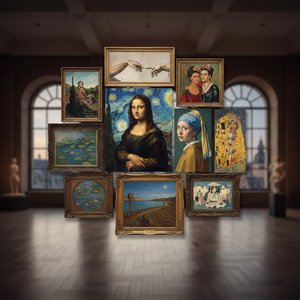
A művészettörténet 10 ikonikus olajfestménye – OriginalUniqueArt.com
Fedezze fel a művészettörténet 10 legikonikusabb olajfestményét! Leonardo, Van Gogh, Rembrandt és más mesterek remekművei – történetükkel, technikájukkal. Vászonképek otthonába a OriginalUniqueArt.com-on! Fedezze fel a teljes gyűjteményt online.

Az olajfestészet örökös hagyatéka: technika, történelem és kortárs gyakorlat
Fedezze fel az olajfestészet történetét, technikáit és a kortárs művészeti trendeket! Szakértői útmutatók, híres festők alkotásai és tippek az olajfestmény ápolásához. Inspirálódjon most!

Oil on Canvas: A Historical & Technical Exploration of a Timeless Artistic Medium
Explore the rich history & enduring techniques of oil painting on canvas. Discover the science behind its longevity, conservation practices, and contemporary relevance. Expert insights for art enthusiasts.

