

 Megtekintés
 Küldés
 Megosztás
 Részletek

 Letöltés
 Hasonló darabok
 X-ray felvétel
 Diavetítés
On the Lagoon, Venice

 Összes részlet megjelenítése
Kézzel készített olajfestmény reprodukció
Kézzel festett olajvastú vászon, az Ön által választott méretben és keretben, művészeink készítik meglévőre. ( Nyomat rendelése Kép letöltése)




































Válasszon előre meghatározott méreteink közül, amelyek megfelelnek a műalkotás eredeti arányainak.

Ön megadhat saját méreteket egy adott kerethez vagy térhez igazításhoz. Ha a kiválasztott méret nem egyezik az eredeti kép arányával, akkor a műalkotást levágjuk, vagy további kézzel festett elemekkel meghosszabbítjuk a festményt. A gyártás megkezdése előtt küldünk Önnek egy digitális előnézetet jóváhagyásra.
Kérjük, vegye figyelembe, hogy a képernyőn megjelenő előnézet nem tükrözi a tényleges vágást vagy kiterjesztést. Csak az előnézet fog pontosan mutatni a végső kompozíciót.
Bár egyedi méretek állnak rendelkezésre, javasoljuk, hogy válasszon egy méretet az előre meghatározott listából az eredeti arányok megőrzése érdekében.
A rendelést követően a OriginalUniqueArt.com csapata e-mailt küld az ügyfélnek az instrukciókért, és biztosít egy előnézeti képet (mockup).
Világszerte elérhető szállítás () 3-4 hét alatt a szokásos 5 hét helyett. (25 augusztus). A minőség nem kérdőjelezhető.

Ingyenes globális expressz szállítás

Prémium minőségű len vászon

Teljes körű szállítási biztosítás

Vámvisszatérítési Garancia

Hiteles színpontosság garancia

60 napos visszaküldési lehetőség (csak hibás termékek esetén)

100% pénzvisszatérítési garancia

Több darab vásárlása esetén kedvezmény
 Az üvegkeretes opció csak 110 cm alatti méretben érhető el

On the Lagoon, Venice
Reprodukciós technika
Reprodukció mérete
-


Összesített ár
$ 300
A művész életrajza
The Soul of the Landscape: The Life and Art of Ascan Lutteroth
In the golden age of German Romanticism, few artists captured the quiet majesty of the natural world with as much technical precision and emotional resonance as Ascan Lutteroth. Born in the vibrant maritime city of Hamburg in 1842, Lutteroth was a child of tradition and intellect. His lineage was one of civic duty and commercial stability; his grandfather, Ascan Wilhelm Lutteroth, had navigated the complexities of the Hamburg Parliament as a Senator, while his father, Christian Alexander Ascan Lutteroth, stood as a prominent figure in the banking sector. This foundation of discipline and analytical thought would later manifest in the meticulous detail and structural integrity of his canvases, allowing him to translate the fleeting light of the outdoors into permanent, breathtaking oil paintings.
Lutteroth’s artistic journey was shaped by the prestigious corridors of Europe's most renowned academies. His formal education began in Geneva under the watchful eye of Alexandre Calame, a master whose influence instilled in Lutter andoth a profound respect for plein air painting. From Calame, he learned to observe the subtle shifts in atmospheric light and the delicate textures of the earth. This pursuit of naturalism led him to the legendary Kunstakademie Düsseldorf, where he studied under Oswald Achenbach. Within the influential circle of the Düsseldorfer Malerschule, Lutteroth absorbed the movement's signature blend of Romantic idealism and psychological depth, learning to infuse his landscapes with a sense of the sublime that transcended mere topographical recording.
A Journey Through Light and Place
The true breadth of Lutteroth’s vision was revealed through his travels, which acted as a continuous dialogue between his German roots and the Mediterranean sun. Between 1868 and 1870, his sojourn in Italy—specifically on the sun-drenched island of Capri—provided him with a new palette of warmth and brilliance. These years allowed him to experiment with the interplay of azure waters and rugged cliffs, themes that would become hallmarks of his Mediterranean period. Later, his travels took him to San Remo in 1879, where he even served as a tutor for the amateur painter Crown Princess Victoria, further cementing his connection to the cultural elite of Europe.
Despite his wanderlust, Lutteroth maintained a profound connection to his beloved Hamburg. His work often returned to the atmospheric harbor vistas and the rugged beauty of the German landscape, such as the Lüneburg Heath. This duality—the ability to capture both the exotic light of Italy and the moody, mist-laden scenes of Northern Germany—is what defines his unique contribution to 19th-century art. His technical mastery was recognized by his peers and patrons alike; notably, he was commissioned to create three monumental paintings for the Hamburg Town Hall, a testament to his status as a painter of civic importance.
The legacy of Ascan Lutteroth remains etched in the quiet moments of his landscapes:
- Technical Precision: A seamless blend of Calame’s naturalism and Achenbach’s expressive brushwork.
- Atmospheric Mastery: An unparalleled ability to depict the changing qualities of light, from the Mediterranean noon to the German twilight.
- Historical Significance: A vital representative of the Düsseldorf School who bridged the gap between Romanticism and a more modern, observational realism.
Though history occasionally focuses on his more famous contemporaries, Lutteroth’s work endures as a window into a vanished era of European elegance. His paintings are not merely depictions of scenery; they are emotional landscapes that invite the viewer to experience the stillness, the grandeur, and the eternal beauty of the natural world.

ascan lutteroth
1842 - 1823 , Germany
A művészről röviden
- Artistic Movement Or Style: Romanticism
- Artists Who Influenced This Artist:
- Alexandre Calame
- Oswald Achenbach
- Date Of Birth: 1842
- Full Name: Ascan Wilhelm Lutteroth
- Nationality: German
- Notable Artworks:
- On the Lagoon, Venice
- Villa D’Este, Tivoli
- The caves at Posillipo
- Place Of Birth: Hamburg, Germany
Kapcsolódó cikkek

A Romantikus Tájképfestészet 10 Legikonikusabb Műalkotása – OriginalUniqueArt.com
Fedezze fel a romantikus tájképfestészet 10 legikonikusabb műalkotását! Caspar David Friedrich, J.M.W. Turner és más mesterek festményeinek története – inspiráló olajfestmények otthonába. OriginalUniqueArt.com: múzeumi minőségű reprodukciók és egyedi dekorációk online.

Evocations of Place: A Historical Journey Through Landscape Art
Explore the rich history of landscape art with OriginalUniqueArt. Discover renowned artists, movements like Impressionism & Romanticism, and expert guidance for collecting timeless pieces. Find your perfect serene escape today!

Michelangelo Morlaiter: Venetian Landscapes & the Pursuit of Atmospheric Realism
Explore the captivating landscapes of Michelangelo Morlaiter, a key figure in 18th-century Venetian painting. Discover his mastery of atmospheric perspective and lasting influence on Italian art history. Learn more at OriginalUniqueArt.
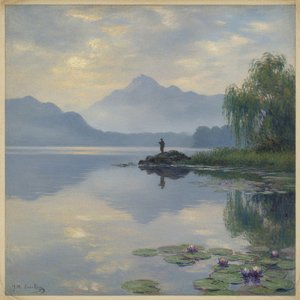
Capturing Stillness: A Curated Exploration of the Most Iconic Lake Landscapes in Art History
Journey through art history's most serene lake landscapes. From Romantic vistas to light-drenched Impressionist waters, discover the stories behind these iconic masterpieces and find museum-quality, hand-painted oil reproductions for your private collection.

The Sublime and the Picturesque: Exploring Emotion & Nature in Romantic Landscape Painting
Explore the emotional power of Romantic landscape painting! Discover the sublime & picturesque traditions, key artists like Friedrich & Cole, and find your perfect artwork at OriginalUniqueArt.

