
 Előnézet
 Megosztás
 Megosztás
 Részletek
 Útmutató

 Letöltés
 Hasonló darabok
 X-ray felvétel
 Diavetítés
 Statisztika
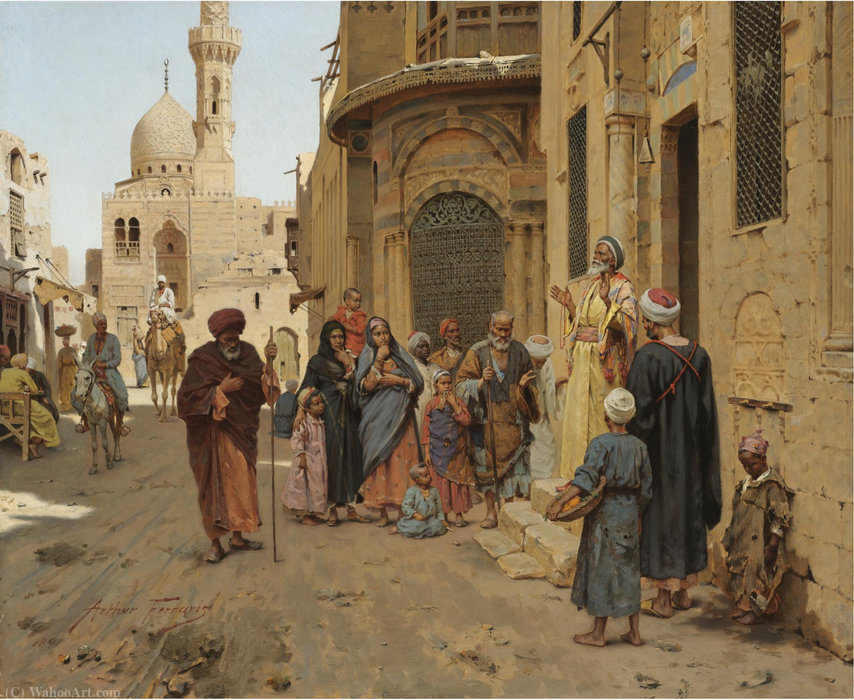
A captive audience, cairo
 Tovább olvasom
Kézzel készített olajfestmény reprodukció
Kézzel festett olajvastú vászon, az Ön által választott méretben és keretben, művészeink készítik meglévőre. ( Váltás nyomtatványra Áttérés digitális képre)




































Válasszon előre meghatározott méreteink közül, amelyek megfelelnek a műalkotás eredeti arányainak.

Ön megadhat saját méreteket egy adott kerethez vagy térhez igazításhoz. Ha a kiválasztott méret nem egyezik az eredeti kép arányával, akkor a műalkotást levágjuk, vagy további kézzel festett elemekkel meghosszabbítjuk a festményt. A gyártás megkezdése előtt küldünk Önnek egy digitális előnézetet jóváhagyásra.
Kérjük, vegye figyelembe, hogy a képernyőn megjelenő előnézet nem tükrözi a tényleges vágást vagy kiterjesztést. Csak az előnézet fog pontosan mutatni a végső kompozíciót.
Bár egyedi méretek állnak rendelkezésre, javasoljuk, hogy válasszon egy méretet az előre meghatározott listából az eredeti arányok megőrzése érdekében.
A rendelést követően a OriginalUniqueArt.com csapata e-mailt küld az ügyfélnek az instrukciókért, és biztosít egy előnézeti képet (mockup).
Világszerte elérhető szállítás () 3-4 hét alatt a szokásos 5 hét helyett. (26 szeptember). A minőség nem kérdőjelezhető.

Ingyenes globális expressz szállítás

Prémium minőségű len vászon

Teljes körű szállítási biztosítás

Vámvisszatérítési Garancia

Tökéletes színarányosság garancia

100 napos visszaküldési garancia (csak gyártási hibás termékek esetén)

100% pénzvisszatérítési garancia

Több darab vásárlásakor kedvezmény
 Az üvegkeretes opció csak 110 cm alatti méretben érhető el

A captive audience, cairo
Reprodukciós technika
Reprodukció méretei
-


Összesített ár
$ 300
A művész életrajza
Arthur von Ferraris: A Hungarian Visionary of the Orient
Arthur von Ferraris (1856-1936) emerged from Budapest, Hungary, as a painter captivated by the exotic allure of the East – specifically Egypt and Persia. His artistic journey wasn’t merely about depicting landscapes; it was an attempt to capture the soul of cultures vastly different from his own upbringing, reflecting a burgeoning fascination with anthropology and comparative religion during the late 19th century. Unlike many artists of his time focused on grand narratives or idealized representations, Ferraris sought authenticity, meticulously observing daily life and striving for nuanced portrayals that conveyed both visual splendor and psychological depth.- Early Life & Education: Born into a wealthy family with connections to the Austro-Hungarian Empire, Ferraris received a privileged education emphasizing classical studies alongside artistic pursuits. He initially studied at Budapest University before embarking on independent travels throughout Europe, absorbing influences from Impressionism and Academic painting.
- Cairo Inspirations: Ferraris’s breakthrough came during his expeditions to Egypt between 1890 and 1905. These voyages profoundly impacted his artistic vision, fueling a series of paintings that immortalized Cairo's vibrant marketplaces, bustling streets, and religious ceremonies. He skillfully employed atmospheric perspective and luminous color palettes—techniques championed by Impressionists like Claude Monet—to convey the sensory experience of these locations.
- Notable Works & Patronage: Ferraris gained recognition within Hungarian artistic circles and enjoyed patronage from prominent figures, including Emperor Franz Joseph I. His paintings graced the walls of royal residences and were exhibited at prestigious salons in Paris and Vienna. Among his most celebrated pieces are “Blind Man At The Mosque” and “The Blind Man,” which exemplify his dedication to portraying marginalized individuals with compassion and dignity.
- Legacy & Influence: Arthur von Ferraris’s contribution to Orientalist painting extends beyond mere aesthetic beauty. He championed a humanist approach, prioritizing observation and psychological insight over romanticized clichés. His work continues to inspire artists today who strive for truthful depictions of cultures outside the Western canon. Moreover, Ferraris's meticulous attention to detail and masterful use of color solidified his place as one of Hungary’s foremost painters of the Belle Époque—a period marked by artistic innovation and intellectual curiosity.

arthur von ferraris
1856 - 1936
Gyors információk
- Artistic Movement Or Style: Orientalism
- Date Of Birth: 1856
- Date Of Death: 1936
- Full Name: Arthur von Ferraris
- Nationality: Hungarian
- Notable Artworks:
- Driving A Bargain
- Blind Man At The Mosque
- The Blind Man
- Place Of Birth: Hungary