 Összes részlet megjelenítése


 A bármely oldalsó méretét túlszálaló 105 cm (kb. 41 hüvelyk) meghaladó műalkotások vagy reprodukciók esetében a keret összeszerelhető készletként, szétszerelve kerül szállításra. Ez a módszer biztosítja a biztonságos szállítást, és megakadályozza a szállítás során fellépő sérüléseket.


Több információ erről a festményről
A szöveg mérete
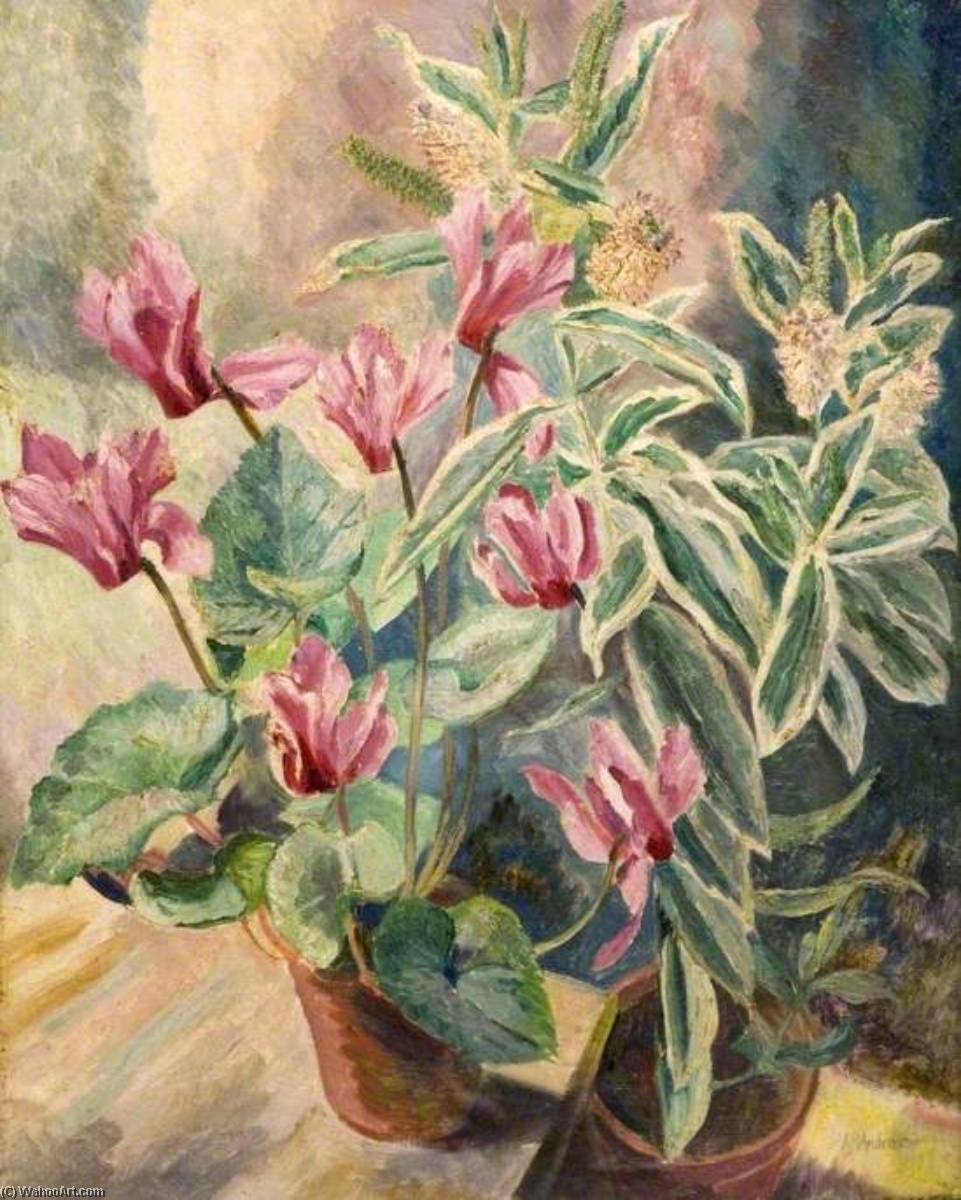
() ·
Egy Önnek készült, kézzel festett alkotás
Kézzel készített olajfestmény reprodukció
Kézzel festett olajvastú vászon, az Ön által választott méretben és keretben, művészeink készítik meglévőre. ( Váltás nyomtatványra Áttérés digitális képre)
A művész életrajza
Arthur Henry Andrews (1906-1966) was a British painter & printmaker known for evocative landscapes, charming cottages, and Italian harbour scenes. Studied at RCA; taught art extensively. Works held in public collections.
előbb ·
1. fejezet
Mekkora méretű legyen?
Húzza a csúszkát a méret megváltoztatásához; a bal oldali kép a keret valós szélességét mutatja. Az eredeti arányok megmaradnak.
Standard méret
egyedi méretű
CM
INCH
Válasszon előre meghatározott méreteink közül, amelyek megfelelnek a műalkotás eredeti arányainak.
Méretek betöltése...

szélesség
magasság
Írja be a kívánt szélességet és magasságot, hogy illeszkedjen a keretéhez vagy a falához. Mivel ez kézzel festett alkotás, egy eltérő formájú méret esetén a művész akár festhet is valamivel többet a kép körül, vagy korolathat is belőle — az Ön döntésének megfelelően. A festés megkezdése előtt küldünk egy digitális tervezetet jóváhagyásra. Az oldalon látható kép nem tartalmazza a végeredményt — csak a tervezet mutatja meg a valódi eredményt.
2. fejezet
Hogyan érkezzen meg?
Válaszd ki a feszített vászon széleit
Válassza ki a keretet

Fehér Ft1

Elmosódott szélek Ft1

Kiterjesztett Ft1

P118B Ft10

P118H Ft10

P118W Ft10

P438Z Ft10

P508JH Ft12

P508YH Ft12

P805H Ft10

P805Z Ft10

P919BZ Ft10

P919G Ft10

P919XJ Ft10

P959ZH Ft10

P968JZ Ft12

W106C Ft8

W218G Ft10

W218JH Ft8

W218Y Ft10

W307PJ Ft10

W316G Ft10

W316PJ Ft8

W316Y Ft10

W398PJ Ft8

W4111J Ft10

W500HY Ft15

W500JH Ft15

W692G Ft12

W849H Ft8

W940BG Ft15

W953PJ Ft8

H24-GOLD Ft30

H24-SILVER Ft30

H36-GOLD Ft45

H36-SILVER Ft45
Keretezett
Keretprofil: . A kerettel együtt vett teljes méret: .
3. fejezet
Ki festi, és változtatni kellene-e bármit?
Példák a módosíthatóságra: Az arc kicserélése a vásárló fotójára; háziállat hozzáadása (pl. macska kicserélése kutyára); rejtett üzenet elhelyezése a háttérben; a háttér tájéképének vagy elemeinek megváltoztatása.
A megrendelést követően a OriginalUniqueArt.com csapat e-mailt küld a vásárlónak az instrukciókkal, és biztosítja a tervezeti előnézetet
A megrendelést követően a OriginalUniqueArt.com csapat e-mailt küld a vásárlónak az instrukciókkal, és biztosítja a tervezeti előnézetet
Világszerte elérhető szállítás () 3-4 hét alatt a szokásos 5 hét helyett. (16 november). A minőség nem kérdőjelezhető.
4. fejezet
Az utolsó finomhangolás
Egy felirat, mint egy múzeumban?
A gravírozott bronztábla részletei
This elegant plaque features the artist's name and the title of the artwork, finely engraved for a timeless presentation.
It is made from bronze with a refined, elegant finish. The text is precisely laser-engraved for a sharp and permanent result. Measuring 9x2 cm, the plaque is compact yet easy to read. It's built to be durable and scratch-resistant, offering a professional, museum-quality look. Mounting is simple thanks to the included adhesive backing.
Átlátszó akril tábla részletei
The plaque includes essential engraved details such as the artist's name, the title of the artwork, the date it was created, the type of media used-like oil on canvas or watercolor-a brief description of the piece, and a QR code that links to the complete artwork information.
It is crafted from clear acrylic, offering a sleek, modern appearance. The text is UV-engraved in black to ensure strong visual contrast. With a size of 10x15 cm, it ensures optimal readability. It comes equipped with two metal hooks for secure wall mounting. The plaque is designed to be weather-resistant, making it suitable for various environments, and it includes interactive features that work seamlessly with smartphone scanning.
Fekete akril tábla részletei
This elegant plaque includes engraved information such as the artist's name, the title of the artwork, the date it was created, the type of media used (like oil on canvas or watercolor), a short description of the artwork, and a QR code for quick access to more information.
The plaque itself is made from refined black acrylic with a premium finish. The text is laser-engraved in white for high contrast and readability. Its size is 10x15 cm, designed to be easy to read. It comes with two metal hooks for professional mounting. The design is sleek and fits any interior style. It is also weather-resistant and durable, with built-in digital integration for mobile compatibility.
Egy védőréteg?
Mikor lenne szüksége rá?
5. fejezet
Az Ön által megrendelt festmény
Flower Study
Reprodukciós technika
Reprodukció mérete
-
Kiváló mesterművész
Nagyobb részletesség, finomság és bővített gyártási idő
-
Reprodukció keretezése
-
-
A bármely oldalsó méretét túlszálaló 105 cm (kb. 41 hüvelyk) meghaladó műalkotások vagy reprodukciók esetében a keret összeszerelhető készletként, szétszerelve kerül szállításra. Ez a módszer biztosítja a biztonságos szállítást, és megakadályozza a szállítás során fellépő sérüléseket.
Szakmész összeszerelést igényel – ez nem DIY (önösszeszerelhető) termék.
A készletet egy tapasztalt keretező szakembernek kell összeszerelnie és a vásznat feszítenie kell, fa ragasztó (nem tartalmazza a csomag), vásznfeszítő fogó és szorítók használatával, amelyek a ragasztó száradásáig a keretrészeket egymáshoz vuôngjba tartják. A helytelen összeszerelés vagy a nem egyenletes vásznfeszítés maradandó károsíthatja a műalkotást, és ez nem része a garanciánknak.
A készlet tartalmazza az összes tömörfa rudat, pontosan méretre vágva.
A mellékelt csavarokkal, valamint a sarokszerekhez szükséges faütő ragasztóval kell összeszerelnie (ez nem tartalmazható a csomagban), így a keretrendezőnek külön kell beszereznie.
A csomag nem tartalmazza a szükséges professzionális eszközöket: egy vászonfeszítőt és klipseket a rácsok vízszintes tartásához a ragasztó megszáradásáig.
Fontos:
A sarokcsatlakozásokhoz fánylagra van szükség, a keretrudakat szorítókapcsokkal kell rögzíteni, amíg a rag teljesen meg nem szárad, a kész keretre feszített vászonhoz pedig vászonfeszítő fogat szükséges. Ezek egyike sem található meg a készletben. Kérjük, rendelés előtt győződjön meg róla, hogy rendelkezik tapasztalt keretező szakemberrel.
Névtábla
-
-
Védőréteg (Lakk)
Fényes lakk (intenzívabb színek, védelem a fény és a nedvesség hatása ellen)
-
Műalkotásom egyedi igényre szabása
Példák a módosíthatóságra: az arc kicserélése az ügyfél fotójára; háziállat hozzáadása (pl. macska helyett kutya); rejtett üzenet elhelyezése a háttérben; a háttér tájainak vagy elemeinek megváltoztatása.
-
Sürgős
Világszerte szóló szállítás () mindössze 3-4 hét alatt, a szokásos 5 hét helyett. (16 november). A minőség nem kérdőjelezhető.
-
Express szállítás
Világszerte elérhető szállítás területre 5 héten belül. (23 november).
A szállítás díja tartalmazza
Összesített ár
Ft 97095
Az üvegkeretes opció csak 110 cm alatti méretben érhető el
Minden rendelés mellé tartalmazva
- Ingyenes globális expressz szállítás
- Prémium minőségű len vászon
- Teljes körű szállítási biztosítás
- Vámvisszatérítési Garancia
- Hiteles színarányosság garancia
- 100 napos visszaküldési lehetőség (csak hibás termékek esetén)
- 100% pénzvisszatérítési garancia
- Több darab vásárlásakor kedvezmény
 Megtekintés
 Küldés
 Megosztás
 Részletek
 Útmutató

 Letöltés
 Hasonló darabok
 X-ray felvétel
 Diavetítés
 Kérdések és válaszok
 Statisztika
Számokban kifejezve
- 29választható keretek
- standard méretek, saját arányokkal
- 5hetek a festésre és a kézbesítésre
Az eredeti műről

- 52.0 x 41.0 cm

Ez a műalkotás szerzői jogi védelem alatt áll
Az ezen az oldalon megjelenített műalkotások szerzői jogi védelem alatt állnak, ami azt jelenti, hogy törvényileg nem készíthetünk és nem adhatunk el belőlük pontos másolatokat. Ez a védelem olyan nemzetközi megállapodások alapján érvényesül, mint például a Berni Egyezmény és a nemzeti jogszabályok által, beleértve azokat is, amelyeket meghatározott Az USA szerzői jogi törvénye – 17. cím.
Mint tiszteletes és törvényes alternatívát, olyan egyedi, kézzel festett alkotásokat kínálunk, amelyek az eredetiből merítnek inspirációt. Tapasztalt és professzionális művészeink alaposan tanulmányozzák az eredeti stílusát, hangulatát és művészeti esszenciáját, hogy egy olyan új, egyedi alkotást hozzunk létre, amely ugyanazt az érzést kelti – miközben önálló, eredeti alkotásként létezik.
Ez a módszer teljes mértékben megfelel a szerzői jogi szabályozásnak, mivel nem tartalmazza a védett műalkotás másolását vagy duplikálását. Ehelyett ez egy kreatív újinterpretáció – egy új festmény, amely az eredetivel való összefüggései miatt hatással van rá, de nem az az.

Arthur Henry Andrews
1906 - 1966
Gyors információk Arthur Henry Andrews művészről
- Full Name: Arthur Henry Andrews
- Nationality: British
- Date Of Birth: 1906
- Date Of Death: 1966
- Notable Artworks: ['Montmartre, Paris']
- Artistic Movement Or Style: Landscape painting; Impressionism
A művész életrajza
A Life in Landscapes: The Evocative World of Arthur Henry Andrews
Arthur Henry Andrews (1906–1966) was a British painter and printmaker whose work quietly captured the essence of mid-century England, alongside a deep affection for the sun-drenched landscapes of Italy. Though not a household name, Andrews cultivated a dedicated following through his evocative depictions of rural scenes, charming cottages nestled in Anglesey, and vibrant harbour views from Chioggia and beyond. His paintings offer a glimpse into a world steeped in tradition, yet rendered with a subtle modern sensibility that reflects his artistic training and lifelong commitment to teaching. Andrews’s formal education began at the Royal College of Art (RCA), a pivotal institution for British artists during the interwar period. This grounding provided him with a solid foundation in technique and an appreciation for both classical and contemporary approaches to artmaking. While details regarding his early life remain somewhat scarce, it is clear that he developed a keen eye for detail and a sensitivity to light and atmosphere—qualities that would become hallmarks of his mature style. He wasn’t solely focused on personal artistic expression; Andrews dedicated much of his career to education, teaching art extensively and fostering the talents of numerous students. This commitment suggests a belief in the power of art as a means of communication and cultural preservation.Artistic Development and Influences
Andrews’s early work likely benefited from exposure to the diverse artistic currents circulating within the RCA during his time there. While he did not adhere rigidly to any single school, elements of realism and impressionism can be detected in his paintings, particularly in his handling of light and colour. The influence of British landscape traditions—artists like John Constable and J.M.W. Turner—is also apparent, though Andrews infused these influences with a more restrained and intimate approach. His repertoire was remarkably diverse, ranging from the structured precision of printmaking to the fluid, atmospheric qualities of oil painting. This versatility allowed him to capture different facets of the natural world:- The tranquil, pastoral beauty of English countryside and the rustic charm of Anglesey cottages.
- The luminous, maritime atmosphere of Italian harbours, specifically in locations like Chioggia.
- The dignified presence of human subjects, as seen in his portraiture, such as his evocative depiction of Antoine Lintermans.
Legacy and Historical Significance
Throughout his career, Andrews maintained a delicate balance between the observational accuracy of a realist and the emotive power of an impressionist. His ability to translate the specific light of a Mediterranean afternoon or the misty morning of a British valley into paint allowed him to create works that feel both timeless and deeply personal. By focusing on the quiet beauty of the everyday—a cottage, a harbour, a portrait—he contributed to a mid-century tradition of landscape painting that celebrated the enduring character of the land and its people. Today, his work remains a significant part of the British artistic record, with pieces held in various public collections. His legacy is not only found in the canvases he left behind but also in the generations of students he mentored, ensuring that his appreciation for technique, light, and the beauty of the natural world continued to resonate through the art of others.Kapcsolódó cikkek

Karl Blossfeldt's 'Urformen der Kunst': Pioneering Botanical Photomicrography & Aesthetic Form
Explore Karl Blossfeldt's groundbreaking *Urformen der Kunst* & pioneering botanical photography. Discover the aesthetic power of nature, New Objectivity influences, and his lasting impact on modern art. Learn about collecting key works.
The Flourishing Canvas: A Historical & Artistic Exploration of Botanical Illustration
Explore the rich history of botanical illustration! Discover key artists like Havell & Barraband, learn about scientific accuracy & aesthetic beauty. Shop museum-quality reproductions at OriginalUniqueArt.

The Art of Observation: From Botanical Rigor to the Impressionist Study of Light
Explore the evolution of landscape art from botanical precision to Impressionist light. Discover the masters of nature's true essence.