

 Előnézet
 Megosztás
 Megosztás
 Részletek
 Útmutató

 Letöltés
 Hasonló darabok
 X-ray felvétel
 Diavetítés
 Statisztika
Garden Scene
 Oil On Canvas
- WallArt
- Modernism of his day
 1907
1907- Early Modern
 36.0 x 49.0 cm
 Arnold Schönberg Center
 Tovább olvasom
Giclée / Műnyomat
Múzeumi minőségű giclée vagy vászonnyomat, gyors gyártással és rugalmas finomítási lehetőségekkel. ( Kézzel festett másolat vásárlása Áttérés digitális képre)




P118B Ft10

P118H Ft10

P118W Ft10

P438Z Ft10

P508JH Ft12

P508YH Ft12

P805H Ft10

P805Z Ft10

P919BZ Ft10

P919G Ft10

P919XJ Ft10

P959ZH Ft10

P968JZ Ft12

W106C Ft8

W218G Ft10

W218JH Ft8

W218Y Ft10

W307PJ Ft10

W316G Ft10

W316PJ Ft8

W316Y Ft10

W398PJ Ft8

W4111J Ft10

W500HY Ft15

W500JH Ft15

W692G Ft12

W849H Ft8

W940BG Ft15

W953PJ Ft8




Válasszon előre meghatározott méreteink közül, amelyek megfelelnek a műalkotás eredeti arányainak.

Írja be a keretének vagy a falának megfelelő szélességet és magasságot. A nyomatot csak le lehet vágni, soha nem tehető nagyobbá, mint az eredeti kép, így egy eltérő alakú méretnél a kép egy része elveszik. Mielőtt bármit kinyatintanánk, küldünk egy digitális próbamodellt jóváhagyásra. Az oldalon látható kép nem tartalmazza a valós levágást — ezt csak a próbamodell mutatja meg.
Világszerte történő kiszállítás területére mindössze 2 hét alatt, a szokásos 4-5 hét helyett. (21 október)

Ingyenes globális expressz szállítás

Prémium minőségű len vászon

Teljes körű szállítási biztosítás

Vámvisszatérítési Garancia

Tökéletes színarányosság garancia

100 napos visszaküldési garancia (csak gyártási hibás termékek esetén)

100% pénzvisszatérítési garancia

Több darab vásárlásakor kedvezmény
 Az üvegkeretes opció csak 110 cm alatti méretben érhető el

Garden Scene
Giclée / Műnyomat
Reprodukció méretei
-


Összesített ár
Ft 25277
A Moment of Spontaneous Harmony: Exploring Arnold Schönberg’s ‘Garden Scene’
Arnold Schönberg's “Garden Scene,” painted in 1907, is more than just a depiction of an outdoor gathering; it’s a visceral expression of the artist’s revolutionary approach to color and form. Created during a pivotal moment in artistic history – a time when established conventions were being aggressively challenged – this work embodies Schönberg's commitment to spontaneity and his willingness to embrace unconventional materials, reflecting the burgeoning spirit of Modernism. Measuring 36 x 49 cm, the painting immediately captivates with its vibrant palette and seemingly effortless composition. The scene unfolds with a group of figures enjoying themselves beneath a lush green canopy, seated around tables laden with simple yet elegant dining ware. This isn’t a meticulously rendered landscape; rather, it's an impression, a fleeting moment captured through a deliberate disregard for traditional artistic constraints.
Technique and Materiality: A Radical Experiment
What truly distinguishes “Garden Scene” is Schönberg’s audacious technique. He abandoned the conventional practice of priming surfaces – a cornerstone of academic painting – opting instead to utilize plywood and board directly, exposing the raw texture of the support. This decision, repeated in over 50 distinct combinations across his œuvre, speaks volumes about his desire for immediacy and an unvarnished truthfulness in his work. The visible grain of the wood, coupled with the layering of pigments, creates a dynamic surface that shifts with the light, adding depth and complexity to the scene. Schönberg’s preference for a fluid approach is evident in the loose brushwork and the blending of colors, suggesting a process driven by intuition rather than precise calculation. This rejection of traditional methods aligns him squarely within the modernist movement's pursuit of new forms of expression.
Historical Context: Vienna at the Dawn of Modernism
To fully appreciate “Garden Scene,” it’s essential to understand its historical context. Schönberg was working in Vienna, a city that was a hotbed of artistic innovation at the turn of the 20th century. The late 1890s and early 1900s witnessed a dramatic shift away from representational art, with artists like Schönberg, Gustav Klimt, and Egon Schiele pushing boundaries in color theory, composition, and subject matter. Schönberg’s exploration of atonality in his musical compositions – a radical departure from traditional harmony – mirrored his artistic experimentation, reflecting a broader cultural upheaval. The painting's creation coincides with the premiere of his String Quartet No. 2 (1907-1908), further solidifying his position as a leading figure in this revolutionary movement.
Symbolism and Emotional Impact
While seemingly simple, “Garden Scene” resonates with subtle symbolic layers. The figures gathered around the tables represent community, leisure, and perhaps even contemplation – themes frequently explored in Impressionist and Post-Impressionist art. The vibrant green of the canopy evokes a sense of tranquility and renewal, while the varied textures and colors contribute to an overall feeling of warmth and conviviality. Schönberg’s deliberate use of unprimed surfaces adds a layer of vulnerability and honesty to the work, inviting viewers to connect with it on a deeply emotional level. This piece is not merely a representation of a garden; it's a testament to the power of artistic freedom and the pursuit of authentic expression.
Gyakran Ismételt Kérdések
Mi a művészettörténeti helye a(z) „Garden Scene”, Arnold Schönberg alkotása alkotásnak?
A „Garden Scene”, Arnold Schönberg alkotása a Modernism of his day irányzat alkotása, a Early Modern korszakból. Ezek együtt adják meg a mű helyét a művészettörténetben.
Milyen tónus felé hajlik a "Garden Scene"?
A Green to Violet Spectrum árnyalat áthatárolja a „Garden Scene”, Arnold Schönberg alkotása alkotást.
Mennyire intenzívek a „Garden Scene”, Arnold Schönberg alkotása színei?
A "Garden Scene" színtelítettsége Balanced. Az intenzitás azt mutatja meg, mennyire erőteljesnek tűnnek a színek.
A művész életrajza
korai évek és zenei kezdés
arnold schoenberg, az osztrák-amerikai zeneszerző 1874. szeptember 13-án született Ausztriában, Bécsben. korai éveket szerény körülmények jellemezték, apja cipész volt. ennek ellenére schoenberg veleszületett zenepassziója arra késztette, hogy nagyrészt önmagát nevelte fel ezen a területen.zenei fejlődés és meghatározó művek
schoenberg korai alkotásai, mint például a verklärte nacht (1899), egy brahmsi–wagneri szintézist mutatottak be. fejlődése során a második bécsi iskola központi alakjává vált, anton webern és alban berg mellett. kompozíciói, köztük a 2. hang quartet (1907–1908), az erwartung (1909) és a pierrot lunaire (1912), az atonalitás innovatív megközelítését példázták.tanítás, emigráció és későbbi évek
a nacionalsocialisták hatalomra jutása miatt schoenberg 1933-ban lemondott a porzsandai művészeti akadémiáról, mivel zenéjét „decadensnek” bémeztették. ezt követően az Egyesült Államokban tanított, többek között a kaliforniai університеtemen, Los Angelesben (1936–1944), ahol számos létesítmény jeho nevét viseli. [https://OriginalUniqueArt.com/@/arnold-schoenberg](fedezze fel schoenberg életének és műveinek további részleteit az OriginalUniqueArt oldalon).- schoenberg felfedezte a filmzenét és tonálisabb zenét írt, melynek legkiemelkedőbb alkotása a 2. kamara szimfonikus (1939) volt.
- byron stílusában szatirizálta a fasciszta tyrannusokat az ode to napoleon (1942) című művében.
- a háború utáni bécs tiszteletbeli állampolgárságot ajánlott neki, de egészségi állapota romlott, amit a hang trió (194lagy)-ban ábrázolt.
örökség és hatás
amint a világ megtudta a holokauszt borzalmait, schoenberg áldozatait a a survivor from warsaw (1947) című alkotással emlékeztette meg. az izraeli konzervatórium és zeneakadémia 1951-ben tiszteletbeli elnökké választotta. [https://OriginalUniqueArt.com/@@/a@d3bqc7-the-museum-destroyed-by-fire-(united-states)](tudjon meg többet műveinek hatásáról az OriginalUniqueArt oldalon). főbb pontok:- schoenberg innovatív zenéje a 20. századi klasszikus zene egyik legbefolyásosabb és legvitatottabb alkotása volt.
- legalább három generációs zeneszerző továbbfejlesztette annak valamileg formális elveit.
- esztétikai és zenetörténeti nézetei olyan zeneművészeket és kutatókat befolyásoltak, mint theodor w. adorno és carl dahlhaus.

Arnold Schönberg
1874 - 1951 , Ausztria
Gyors információk
- Artistic Movement Or Style: Dodekafónia; Expresszionizmus
- Artists Or Movements Influenced By This Artist:
- Anton Webern
- Alban Berg
- Artists Who Influenced This Artist:
- Johannes Brahms
- Richard Wagner
- Date Of Birth: 1874. szeptember 13.
- Date Of Death: 1951
- Full Name: Arnold Schoenberg
- Nationality: Osztrák-amerikai
- Notable Artworks:
- Suite, op. 29
- Music Typewriter
- Staffliner
- Place Of Birth: Wien, Ausztria
Kapcsolódó cikkek
Beyond the Lines: Mastering the High-Impact World of Contemporary Abstraction
Master the high-impact world of contemporary abstraction. Discover how bold colors, textures, and modern movements like Abstract Expressionism can transform your space with premium, high-energy art curated for the design-conscious professional.

Geometrikus Absztrakció Mesterei: 10 Alapvető Műalkotás a Lakberendezéshez
Fedezze fel a geometrikus absztrakció 10 legikonikusabb műalkotását! Kandinsky, Mondrian és más mesterek festményeinek története inspirálja otthona dekorációját. Múzeumi minőségű reprodukciók a OriginalUniqueArt.com-on – fedezze fel online!

Kandinsky Mesterművei: 25 Lenyűgöző Festmény a Modern Művészet Gyöngyszemeiből | OriginalUniqueArt
Fedezze fel Wassily Kandinsky 25 legikonikusabb művét! Merüljön el az absztrakt művészet világában, ismerje meg a színek és formák lenyűgöző történetét. Prémium minőségű reprodukciók és inspiráló dekorötletek a OriginalUniqueArt.com-on.
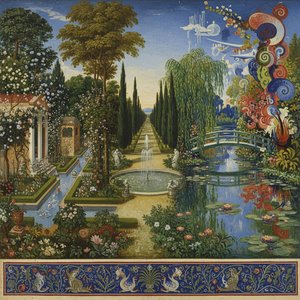
Cultivating Paradise: A Historical & Artistic Exploration of Gardens in Painting
Explore the rich history of gardens in painting! Discover masterpieces from Renaissance to Impressionism & beyond. Learn about symbolism, artists like Monet & Klimt, and find your perfect artwork at OriginalUniqueArt.

Absztrakt Expresszionizmus Mesterei: 10 alkotás, ami meghatározta a művészetet | OriginalUniqueArt.com
Fedezze fel a 10 legikonikusabb absztrakt expresszionista alkotást! Ismerje meg Jackson Pollock, Mark Rothko és más mesterek történetét. Művészeti reprodukciók prémium minőségben – OriginalUniqueArt.com.


