Symbolist Painting · 1879
Spring Evening (Arnold Böcklin, 1879)
Arnold Böcklin (1827–1901) megalkotta: Spring Evening. 1879-ből származik. A Symbolist Painting irányzathoz tartozik. Oil On Panel anyagból készült. A műtárgyat a Budapest, Magyarország-i Szépművészeti Múzeum-ben őrzik. Mérete 67 × 129 cm.
- 1879
- Oil On Panel
- 67 × 129 cm
- Szépművészeti Múzeum, Budapest

 Megtekintés

 Kézzel festett olajfestmény
 Küldés
 Megosztás
 Információs lap


 Letöltés
 Hasonló darabok
 X-ray felvétel
 Diavetítés
 Kérdések és válaszok

 Statisztika
Spring Evening röviden
- Cím
- Spring Evening
- Művész
- Arnold Böcklin (1827–1901)
- A művész születési helye
- Bázel, Svájc
- Dátum
- 1879
- Műszaki adatok
- Oil On Panel
- Méretek
- 67 × 129 cm
- Megtekinthető helyszín
- Szépművészeti Múzeum, Budapest, Magyarország
- Mozgalom
- Symbolist Painting
- Téma
- mythology, nymphs, pan, forest, evening, landscape
Mit ábrázol a Spring Evening?
The Ethereal Embrace of Spring Evening
Arnold Böcklin’s “Spring Evening,” painted in 1879, isn't merely a depiction of a woodland scene; it’s an immersion into a realm of melancholic beauty and profound symbolism. Created during his time in Florence – a city that profoundly shaped his artistic vision – the painting captures a fleeting moment of enchantment, steeped in the atmosphere of late Romanticism and foreshadowing the rise of Symbolism. The canvas breathes with a quiet intensity, dominated by muted greens, blues, and browns, creating an almost dreamlike quality that immediately draws the viewer into its hushed world.
At the heart of the composition stands a woman, her posture suggesting both contemplation and vulnerability. Her hand gently resting on her head is a gesture simultaneously of yielding and quiet strength – she’s not passively observing but actively engaged with the scene unfolding before her. Beside her sits a man, seemingly lost in thought as he peruses a book, his presence offering a grounding element to the ethereal atmosphere. A bear, rendered with surprising tenderness, interacts playfully with both figures, blurring the lines between human and animal, nature and civilization. This carefully orchestrated tableau speaks of harmony, connection, and the delicate balance of the natural world.
A Symphony of Symbolism
Böcklin’s work is deeply rooted in mythology and folklore, drawing heavily on ancient Greek and Roman traditions. The central figure, often interpreted as Pan – the god of nature, shepherds, and wild music – plays his pipes, summoning a chorus of unseen nymphs from the surrounding forest. These dryads, with their flowing hair and graceful movements, represent the spirit of the woods, embodying both beauty and danger. The bear itself is a potent symbol, frequently associated with strength, wisdom, and primal instincts—a reminder of humanity’s connection to the earth.
The painting's muted palette contributes significantly to its symbolic weight. The cool blues and greens evoke a sense of melancholy and introspection, while the browns ground the scene in the tangible reality of the forest floor. The lighting is soft and diffused, creating an atmosphere of twilight—a liminal space between day and night, representing transition, mystery, and perhaps even mortality. Böcklin masterfully uses color not to simply depict a landscape but to convey complex emotions and ideas.
Technique and Artistic Influences
“Spring Evening” exemplifies Böcklin’s distinctive artistic style, characterized by meticulous detail, rich textures, and an almost obsessive attention to the natural world. He employed a technique of layering thin glazes of oil paint, building up color gradually to achieve remarkable depth and luminosity. The brushwork is subtle yet expressive, conveying both the smoothness of the forest floor and the intricate details of the foliage.
Böcklin’s artistic journey was profoundly influenced by his time in Düsseldorf, where he studied under Schirmer and became associated with the Düsseldorf School of Painting. However, it was in Florence that he truly developed his unique Symbolist vision, drawing inspiration from the city's rich cultural heritage and its connection to antiquity. The painting also reflects the influence of Romanticism, particularly the emphasis on emotion, imagination, and the sublime beauty of nature—themes central to the movement.
A Timeless Resonance
“Spring Evening” continues to resonate with viewers today because it taps into universal themes of longing, connection, and the search for meaning. Its evocative atmosphere and symbolic richness invite contemplation and offer a glimpse into the artist’s deeply personal vision. The painting's enduring appeal lies in its ability to transport us to another time and place—a world where myth and reality intertwine, and where the beauty of nature is inextricably linked to the mysteries of the human soul.
Melyik múzeumban található meg a Spring Evening?
Szépművészeti Múzeum
Budapest, Magyarország
Origins and History of Szépművészeti Múzeum The establishment of the Szépművészeti Múzeum was formalized by the Millennium Law of 1896. This legislative decision sought to create a dedicated institution for fine arts within Budapest, Hungary. The chosen site for this purpose was the location previously occupied by the Rotunda pavilion, a structure built to display the Feszty-körkép.


Spring Evening nagy felbontású képei

Felfüggesztett szerzői jogok: a művész 1901-ben halt meg.
Egyéb méretek, kivágások és idézetforrás →Arnold Böcklin, Spring Evening (1879), Szépművészeti Múzeum. Felfüggeszthető jogforrás
Spring Evening kapcsán felmerülő kérdések megválaszolva
Hol tekinthető meg az eredeti „Spring Evening”, Arnold Böcklin alkotása?
A „Spring Evening”, Arnold Böcklin alkotása eredeti darabja a Szépművészeti Múzeum, Budapest, Magyarország gyűjteményében található. A reprodukció lehetővé teszi, hogy a mű otthonában is megjelenjen.
Melyik évben készült a „Spring Evening”, Arnold Böcklin alkotása?
A "Spring Evening" 1879-ban készült. Ez az időpont meghatározó jelentőséggel bír Arnold Böcklin pályájában és az adott korszak kontextusában is.
Milyen anyagból készült a "Spring Evening"?
A "Spring Evening" alkotás Oil On Panel technikával készült.
Mekkora méretű az eredeti "Spring Evening"?
A „Spring Evening”, Arnold Böcklin alkotása eredeti mérete 67 x 129 cm.
Mit ábrázol a „Spring Evening”, Arnold Böcklin alkotása?
A "Spring Evening" alkotás tárgyai: mythology, nymphs, pan, forest, evening, landscape, symbolism, böcklin.
Szabadon reprodukálható-e a/az „Spring Evening”, Arnold Böcklin alkotása képe?
A „Spring Evening”, Arnold Böcklin alkotása szerzői jogi státusza: a mű közösségi tulajdon – a szerzői jog lejártt. Ez határozza meg, hogy a kép másolatai szabadon készíthetők-e.
Mely művészhez köthető a "Spring Evening"?
A „Spring Evening” műtémét Arnold Böcklin alkotójának tulajdonítják.
Mely művészeti irány része a „Spring Evening”, Arnold Böcklin alkotása?
A „Spring Evening”, Arnold Böcklin alkotása művészeti irányata a Symbolist Painting. Ez a klasszifikáció a művet a kapcsolódó alkotók és alkotások közé sorolja.
Hová sorolható a Arnold Böcklin pályájának mely szakaszába a "Spring Evening"?
Arnold Böcklin pályaművében a „Spring Evening” a Late Period korszakba tartozik. Ez az időszak segít összehasonlíthatóvá tenni a művet a művész többi alkotásával.
A művészről: Arnold Böcklin
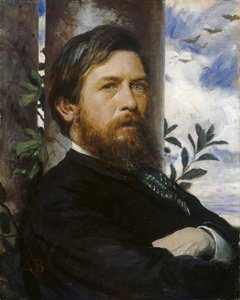
1827–1901, Svájc
Arnold Böcklin
A sziget árnyéka A svájci Basel a kiindulópontja volt egy olyan életnek, amelyet a megfogatható és a szellemi világ közötti feszültség határozott meg. Christian Frederick Böcklin és Ursula Lippe gyermekeként 1827. október 16-án született a fiatalember, aki végül a fatheri selyereskereskedelmet meghagyva a Düsseldorf Akadémiája szigorú termelőit kereste meg. Schirmer irányítása alatt kezdte el elszívni a táj nyelvét – egy olyan készség, amelyet később az emberi lélek földrajzának feltérképezésére alkalmazott.
Arnold Böcklin részletesen Arnold Böcklin legkiemelkedőbb művei
Arnold Böcklin további művei
 A halottak szigete (Első változat)1880
 Önportré a halállel, aki hegedűvel játszik
 A Háború1896
 Halottak Szigete (5. változat)1886

Esszék a Spring Evening körül
 French artworks of the 1880sFrench Impressionist masterpieces by Claude Monet, Pierre-Auguste Renoir, and Georges Seurat. Find museum-quality reproductions on Original…
 Symphony of Sunlight: The Luminous Legacy of Pine Tree Landscapes in Art HistoryExplore the luminous history of pine landscapes through Sorolla and Shishkin. Discover the magic of forest art today.
 En Plein Air Serenity: Exploring the Luminous Beauty of Impressionist Garden ArtExplore the luminous history of Impressionist garden art through Monet and Van Gogh. Discover the magic of plein air painting today.