

 Megtekintés
 Küldés
 Megosztás
 Részletek
 Útmutató

 Letöltés
 Hasonló darabok
 X-ray felvétel
 Diavetítés
 Statisztika
Sanyasi
 Oil On Canvas
- WallArt
- Orientalist
 1920
1920- 19th Century
 95.0 x 84.0 cm
 Museu do Oriente
 Összes részlet megjelenítése
Giclée / Műnyomat
Múzeumi minőségű giclée vagy vászonnyomat, gyors gyártással és rugalmas finomítási lehetőségekkel. ( Kézzel festett másolat rendelése Áttérés digitális képre)




P118B Ft10

P118H Ft10

P118W Ft10

P438Z Ft10

P508JH Ft12

P508YH Ft12

P805H Ft10

P805Z Ft10

P919BZ Ft10

P919G Ft10

P919XJ Ft10

P959ZH Ft10

P968JZ Ft12

W106C Ft8

W218G Ft10

W218JH Ft8

W218Y Ft10

W307PJ Ft10

W316G Ft10

W316PJ Ft8

W316Y Ft10

W398PJ Ft8

W4111J Ft10

W500HY Ft15

W500JH Ft15

W692G Ft12

W849H Ft8

W940BG Ft15

W953PJ Ft8




Válasszon előre meghatározott méreteink közül, amelyek megfelelnek a műalkotás eredeti arányainak.

Írja be a keretének vagy a falának megfelelő szélességet és magasságot. A nyomatot csak le lehet vágni, soha nem tehető nagyobbá, mint az eredeti kép, így egy eltérő alakú méretnél a kép egy része elveszik. Mielőtt bármit kinyatintanánk, küldünk egy digitális próbamodellt jóváhagyásra. Az oldalon látható kép nem tartalmazza a valós levágást — ezt csak a próbamodell mutatja meg.
Világszerte történő kiszállítás területére mindössze 2 hét alatt, a szokásos 4-5 hét helyett. (26 október)

Ingyenes globális expressz szállítás

Prémium minőségű len vászon

Teljes körű szállítási biztosítás

Vámvisszatérítési Garancia

Hiteles színarányosság garancia

100 napos visszaküldési lehetőség (csak hibás termékek esetén)

100% pénzvisszatérítési garancia

Több darab vásárlásakor kedvezmény
 Az üvegkeretes opció csak 110 cm alatti méretben érhető el

Sanyasi
Giclée / Műnyomat
Reprodukció mérete
-


Összesített ár
Ft 25681
The Soul of the Ascetic: A Glimpse into Trindade’s Sanyasi
In the quiet, commanding presence of António Xavier Trindade’s Sanyasi, one encounters more than just a portrait; one meets a profound encounter with the spiritual essence of India. Painted in 1920, this masterful oil on canvas serves as a window into the life of a wandering holy man, an archetype of the East that continues to captivate the modern imagination. Trindade, often celebrated as the "Rembrandt of the East," utilizes a dramatic, directional light source to pull the subject from a dark, atmospheric void, thrusting him toward the viewer with an intensity that is both humbling and hypnotic. The composition is intimate, placing the sitter close to the pictorial surface so that his gaze—steady, weathered, and wise—demands a direct emotional response.
The painting is a triumph of classical realism, where every brushstroke serves to build a narrative of devotion and renunciation. Trindade’s Western academic training, honed at the Sir Jamsetjee Jeejeebhoy School of Art, allows him to render textures with breathtaking precision. One can almost feel the coarse weight of the orange robes, the rugged grain of the bamboo staff, and the sun-drenched, leathery texture of the sanyasi’s skin. Through the use of impasto, particularly in the highlights of the beard and the folds of the cloth, the artist adds a tactile dimension to the work, creating a sense of physical presence that makes the figure feel tangible, as if he might step out from the canvas itself.
Symbolism and the Tapestry of Devotion
Beyond its technical brilliance, Sanyasi is a rich lexicon of spiritual symbols. Every element held by the ascetic tells a story of his journey through samsara, the eternal cycle of life, death, and rebirth. The rudraksha beads draped around his neck are not merely ornaments but sacred reminders of divine connection, while the kashkul, or alms pot, held aloft in a gesture of solicitation, speaks to the humble, mendicant nature of his existence. Even the small marigold clinging to his beard serves as a poignant touch of the ephemeral beauty found in the midst of ascetic hardship. The matted hair, piled atop his head in a style reminiscent of Lord Shiva, further cements his identity as a figure of profound religious significance.
For the discerning collector or interior designer, this piece offers an unparalleled opportunity to introduce a sense of historical depth and contemplative calm into a space. The warm yellow tones and earthy ochres create an inviting warmth, while the dark, blurred background provides a sophisticated contrast that allows the artwork to anchor a room without overwhelming it. As a high-quality reproduction, this painting brings with it the dignity of the 19th-century academic tradition, making it an ideal centerpiece for those seeking to evoke themes of wisdom, resilience, and the timeless beauty of human spirit.
Kérdések és válaszok
Mekkora a „Sanyasi”, Trindade Antón alkotása valóságos mérete?
A „Sanyasi”, Trindade Antón alkotása dokumentált méretei 95 x 84 cm. A reprodukciók más méretben is megrendelhetők, az eredeti arányok megtartásával.
Mely művész és mely stílus áll a "Sanyasi" mögött?
Trindade Antón a Orientalist irányzatban alkototta meg a "Sanyasi" című művét.
A „Sanyasi” művészeti alkotás mentes a szerzői jogoktól?
A „Sanyasi”, Trindade Antón alkotása közösségi tulajdon – a szerzői jog lejártt státuszú mű. Ez a jogi státusz határozza meg, hogy a mű képmásolata hogyan reproduzható.
A művész életrajza
Fénybe vésve egy élet: António Xavier Trindade világa
António Xavier Trindade neve csendes erővel visszhangzik az indiai művészettörténet annáljaiban; ő nem csupán egy festő volt, hanem egy kulturális híd. 1870-ben született Sanguem, Goa területén katolikus szülőnek, utazása a portugál India buja tájai és összetett koloniális szövetisége között kezdődött. Ez a formálódó környezet indelhetetlenül meghatározta művészeti víziát, ötvözve a nyugati akadémiai képzést az indiai élet és karakter mélyreható megértésével. Trindade korai tehetsége a bombaji neves Sir Jamsetjee Jeejeebhoy School of Artba vezetett, egy olyan kulcsfontosságú intézménybe, amely kitette őt az európai naturalizmusra, miközben egy vágyakozó indiai művészgenerációt is nevelt. Éppen itt, ezek szentélyes termek között élesítette képességeit, mesteri technikákat sajátítva el, amelyek később meghatározták egyedi stílusát, és olyan elismeréseket hoztak számára, mint a 1892-es Mayo ezüst érem – amely ap솟oló tehetségének égi tanúságtart.A bombai iskola és egy felemelkedő csillag
Trindade feltörekvése a bombai művészeti Színházban gyors és biztos volt. 1898-ban a Sir J.J. School of Art rajz- és festőtanáraként kinevezve nemcsak a jövő generációi oktatásához járult hozzá, hanem meg is rögzítette helyét a fejlődő Bombai Iskola meghatározó alakjaként. Később, 1914 és 1926 között a Reay Workshop of Art igazgatójaként tovább befolyásolta a művészeti termelést és a pedagógia fejlődését. Azonban sikere nem csupán az intézményi elismerésektől múlott; műve magában viselte a lenyűgöző minőséget. Bár kezdetben a hagyományos portrékhoz és tájképekhez ragadt, Trindade fokozatosan fejlesztett egy stílust, amelyet az életszerűség, a fény érzékenysége és a témái pszichológiai mélységének megörökítése határozott meg. Olyan méltóságteljes és intimitással teli módon ábrázolta az indiai nőket, amely ritka volt a koloniál korszak művészetében, bevilágítva életüket a társadalmi elvárások keretein túl. Ezért is részesült szeretetteljes címmel, mint a „Kelet Rembrandta”, elismerve mind technikai mesterségét, mind az emberi érzelmek mély ismeretét.Témák és technikák: A világok szintézise
Az 1920-as évek Trindade művészeti kifejezésének érettségét hozták, amelyet a portrék, tájak és háztartási tárgyak (still life) fokozódó hangsúlya jellemezett. Vászai kortársai életének ablakai váltak – a gazdag megbízók, családtagok és mindennapi emberek –, akiket aprólékos részletességgel, finom, mégis erőteljes érzelmi rezonanciával ábrázolt. Az Dolce Far Niente (Flora vagy pihenő anya), amely 1920-ban elnyerte a Bombai Művészeti Társaság aranyérmét, példaként szolgál erre a korszakra; ez nem csupán egy pihenő nő ábrázolása, hanem az anyaság, a nyugalom és a házi élet csendes szépségének felfedezése. Hasonlóképpen a New Year’s Song (1928) és a Hindu Girl (1930), a kormányzó díját elnyert alkotások mutatják be képességét, hogy kulturális árnyalatokat és egyedi személyiségeket lenyűgöző érzékenységgel örökítsen meg. Trindade technikája nyugati akadémiai alapokra épült – a chiaroscuro mesteri tudása, a precíz rajztechnika és a színtan kifinomult értelmezése –, de ezeket az elemeket indiai érzékiséggel töltötte meg, egy olyan egyedi vizuális nyelvet alkotva, amely meghaladta stilisztikai határokat. Nem csupán azt másoltá le, amit megtanult; átalakította azt, átágyazva a hazája szellemével.Örökség és maradandó hatás
Bár személyes nehézségekkel kellett szembennie – beleértve az egészségi állapotának romlását és a későbbi évek kebutarását –, Trindade festeni folytatta, lánya, Ângela Trindade támogatásával, aki maga is tehetséges művész volt és apja örökségét folytatta. Művei tovább növette elismertségét az 1934-es londoni Wembley-i Festival of the Empire kiállításon, amely nemzetközi közönség elé hozta művészetét. Nap idag António Xavier Trindade festményei a múzeumok és magángyűjtők kincsei közé tartoznak, legkiemelkedőbb példája azonban a goai Fundação Oriente gyűjteménye. Ott kialakult állandó kiállítások – beleértve a 2021-ben a 150. születésnapját megünneplő külön kiállítást – biztosítják, hogy művészeti víziója generációkon át inspiráljon és lenyűgözze a közönséget. Hatása túlmutat az esztétikai élményen; ő az indiai művészettörténet egy kulcsfontosságú pillanatát képviseli, amikor a művészek saját identitásukat kezdték kialakítani, ötvözve a hagyományt a modernitással, és kihívva a rådig fent álló koloniális tekintetet. Trindade élete és munkássága tanúbizonysága annak erejének, amellyel a művészet képes átszivárognia kulturális határokon keresztül és megvilágítania az emberi tapasztalás közös magvait.Jelentős alkotások
- Dolce Far Niente (Flora vagy pihenő anya) – A Bombai Művészeti Társaság Arany Érme, 1920.
- New Year’s Song – Kormányzói Díj, 1928.
- Hindu Girl – Kormányzói Díj, 1930.
- Girl with a Vase – New Delhi, National Gallery of Modern Art.
- Self-portrait in Green – Fundação Oriente.

Trindade Antón
1870 - 1935 , India
Rövid információk
- Artistic Movement Or Style: Escola de Bombay, Realismo
- Date Of Birth: 1870
- Full Name: António Xavier Trindade
- Nationality: Portuguesa
- Notable Artworks:
- Dolce Farniente
- Nueva Canción Año Nuevo
- Niña Hindú
- Place Of Birth: Sanquém, India
Kapcsolódó cikkek

Antonio da Correggio: Innovation, Illusionism & the Poetics of Grace in Renaissance Painting
Explore the revolutionary art of Antonio da Correggio, a master of Renaissance illusionism and chiaroscuro. Discover his frescoes, mythological paintings & lasting influence on Baroque art. Expert analysis & key works featured.

Raja Ravi Varma: Bridging Tradition & Modernity in 19th-Century Indian Art
Explore the life & art of Raja Ravi Varma, a pioneer who fused European techniques with Indian iconography. Discover his iconic paintings, lasting legacy, and influence on modern Indian art at OriginalUniqueArt.
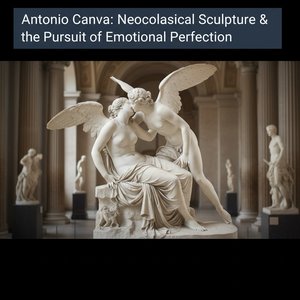
Antonio Canova: Neoclassical Sculpture & the Pursuit of Emotional Perfection
Explore the life & art of Antonio Canova, the greatest Neoclassical sculptor. Discover his masterpieces, innovative techniques, and lasting influence on fine art collecting. Expert insights for discerning investors.

Antonio Zucchi: A Venetian Master of Rococo & Neoclassical Charm
Explore the captivating world of Antonio Zucchi, a Venetian master of Rococo and Neoclassical art. Discover his collaborations with Robert Adam & Angelica Kauffmann, stunning frescoes, and enduring legacy. Learn about collecting Zucchi's works today.

Antonio Zeno Shindler: A Pioneer of Cross-Cultural Portraiture in Early Modernism
Explore the life & work of Antonio Zeno Shindler, a pivotal figure in early modernist portraiture. Discover his unique style, anthropological collaborations, and lasting impact on cultural representation. Expert analysis for discerning collectors.


