
 Megtekintés
 Küldés
 Megosztás
 Részletek
 Útmutató

 Letöltés
 Hasonló darabok
 X-ray felvétel
 Diavetítés
 Kérdések és válaszok
 Statisztika
Hercules and Antaeus

- 16.0 x 9.0 cm


 Összes részlet megjelenítése
Giclée / Műnyomat
Múzeumi minőségű giclée vagy vászonnyomat, gyors gyártással és rugalmas finomítási lehetőségekkel. ( Kézzel festett másolat rendelése Áttérés digitális képre)




P118B Ft10

P118H Ft10

P118W Ft10

P438Z Ft10

P508JH Ft12

P508YH Ft12

P805H Ft10

P805Z Ft10

P919BZ Ft10

P919G Ft10

P919XJ Ft10

P959ZH Ft10

P968JZ Ft12

W106C Ft8

W218G Ft10

W218JH Ft8

W218Y Ft10

W307PJ Ft10

W316G Ft10

W316PJ Ft8

W316Y Ft10

W398PJ Ft8

W4111J Ft10

W500HY Ft15

W500JH Ft15

W692G Ft12

W849H Ft8

W940BG Ft15

W953PJ Ft8




Válasszon előre meghatározott méreteink közül, amelyek megfelelnek a műalkotás eredeti arányainak.

Írja be a keretének vagy a falának megfelelő szélességet és magasságot. A nyomatot csak le lehet vágni, soha nem tehető nagyobbá, mint az eredeti kép, így egy eltérő alakú méretnél a kép egy része elveszik. Mielőtt bármit kinyatintanánk, küldünk egy digitális próbamodellt jóváhagyásra. Az oldalon látható kép nem tartalmazza a valós levágást — ezt csak a próbamodell mutatja meg.
Világszerte történő kiszállítás területére mindössze 2 hét alatt, a szokásos 4-5 hét helyett. (4 november)

Ingyenes globális expressz szállítás

Prémium minőségű len vászon

Teljes körű szállítási biztosítás

Vámvisszatérítési Garancia

Hiteles színarányosság garancia

100 napos visszaküldési lehetőség (csak hibás termékek esetén)

100% pénzvisszatérítési garancia

Több darab vásárlásakor kedvezmény
 Az üvegkeretes opció csak 110 cm alatti méretben érhető el

Hercules and Antaeus
Giclée / Műnyomat
Reprodukció mérete
-


Összesített ár
Ft 26301
A Titan’s Grip: The Visceral Struggle of Hercules and Antaeus
In the quiet intimacy of a mere sixteen by nine centimeters, Antonio del Pollaiuolo captures an explosion of primordial violence and heroic resolve. Hercules and Antaeus is not merely a painting; it is a concentrated burst of Florentine Renaissance energy, frozen in the delicate medium of egg tempera on wood. The scene depicts the legendary confrontation between the mighty Hercules and the giant Antaeus, a son of Gaia whose strength was replenished by every touch of the earth. As the hero lifts his adversary from the ground, he does more than execute a physical maneuver; he orchestrates a moment of profound vulnerability, severing the giant's connection to his source of power. This diminutive panel vibrates with a tension that belies its small scale, inviting the viewer into a world where myth and muscle collide.
The artistry of Pollaiuolo is on full display through his unparalleled command of human anatomy. Having been trained in the meticulous traditions of goldsmithing, the artist brings a jeweler's precision to the rendering of every sinew, tendon, and bulging muscle. The technique of egg tempera allows for a luminous, almost translucent quality that highlights the strain of the combatants. One can almost feel the heat of the struggle and the grit of the dirt field beneath them. The composition is masterfully balanced, with the central figures dominating the frame, yet softened by the presence of distant trees and the delicate movement of birds in the sky, which provide a serene, naturalistic counterpoint to the brutal human drama unfolding below.
Renaissance Humanism and the Legacy of Power
To understand this work is to understand the heart of 15th-century Florence. Created during the illustrious reign of Lorenzo de' Medici, the painting reflects the era's deep fascination with classical antiquity and the humanist pursuit of anatomical truth. The provenance of this piece—originally adorning the Sala Grande of the Palazzo Medici Riccardi—speaks to its intended purpose: to impress and intimidate. In the halls of the Medici, such depictions of Hercules served as potent metaphors for the strength and stability of the Florentine state. The struggle between the hero and the giant becomes a symbol of order overcoming chaos, and intellect overcoming brute, ungrounded force.
For the discerning collector or interior designer, a reproduction of this masterpiece offers more than just a decorative element; it provides a focal point of intellectual and aesthetic depth. The painting’s ability to command attention through its intricate detail and emotional intensity makes it an ideal centerpiece for spaces that value historical narrative and classical elegance. Whether placed in a study filled with leather-bound volumes or a modern gallery setting, Hercules and Antaeus serves as a timeless testament to the enduring power of the human spirit and the transformative beauty of Renaissance mastery.
Kérdések és válaszok
Milyen hangulatot árasztana egy szobában egy „Hercules and Antaeus”, Antonio Del Pollaiuolo alkotása reprodukció?
A „Hercules and Antaeus”, Antonio Del Pollaiuolo alkotása Dramatic hangulata tökéletesen illeszkedik a javasolt helyszínhez: egy Living Room.
Mennyi volt Antonio Del Pollaiuolo életkora, amikor a "Hercules and Antaeus" készült?
Amikor a "Hercules and Antaeus" alkotása 1478-ben készült, Antonio Del Pollaiuolo – aki 1429-ben született – 49 éves volt.
Milyen színek jellemzik a(z) „Hercules and Antaeus”, Antonio Del Pollaiuolo alkotása alkotást?
A "Hercules and Antaeus" alkotást egy Dark színekből álló paletta határozza meg, melyet Walnut (#6e3e22) dominál.
A művész életrajza
A mozgás és a forma firenzei mestere
Antonio del Pollaiuolo neve az olasz reneszánsz dinamizmusával visszhangzik; 1429 körül jelent meg Firenzében, mint a művészeti kifejezés újradefiniálójának kulcsfontosságú alakja. Egy olyan családba született, melynek foglalkozása – a „pollaiuolo” szó jelentése csirkefészek – alázatban rejtette azt a magas emelkedést, amelyet később művészete elérne. Antonio utazása nem ecsettel és vászonnal kezdődött, hanem az aranyöntés és a fémmegmunkálás aprólékos mesterségével. A részletekbe való korai elmerülés és a precíz kivitelezés mélyen meghatározta későbbi törekvéseit, beleöntve stílusának jellegzetességévé vált anatómiai pontosságra és technikai mesterségre vonatkozó elkötelezettségét. Nem csupán művész volt; egy olyan håndfogású mester, aki a képességet és az innovációt zökkenőmentesen ötvözte, maradandót hagyva a firenzei művészetben. Apja műhelye, amely valószínűleg Bartoluccio di Michele vezetésével működött és Lorenzo Ghiberti munkássága hatására alakult, megadta azt az alapvető képzést, amely a művészi nagyság felé terelte őt.Kollaboráció és anatómiai kutatás
Pollaiuolo pályájának kezdeti szakaszai elválaszthatatlanul összefonódtak testvérével, Piero del Pollaiuoloval. Közös alkotóerényük egy olyan shared esztétikát szült, amelyet a klasszikus antikvitet illető rajongás és az emberi alak megértéséhez való rendíthetetlen törekvés jellemezett. Közös műveikben egyéni hozzájárrások megkülönböztetése gyakran nehéz feladat, mégis egyértelmű, hogy mindkét testvér rendíthetetlen kíváncsisággal rendelkezett az anatómia iránt. A legenda szerint atérz even elkövettek boncoltató műveleteket – ami a kor idején merész gyakorlat volt –, hogy mélyítsék izomzatuk és csontvázuk ismeretét. Ez a realizmus iránti elkötelezettség nem csupán szakmai jellegű volt; életerőt adott alakjaik ábrázolásának példátlan dinamizmusával és kifejező erejével. Közös stúdiójuk olyan krtól vált, ahol a klasszikus ideálok újjáforgattak, átszivárgva velük a reneszánsz érzékiség. Andrea del Castagno korai mesterének hatása is érezhető munkájukban, hidat képezve a múlt hagyományai és a korszak fejlődő innovációi között.Római megbízások és örökörvény
1484-ben Pollaiuolo egy tekintélyes megbízást fogadott el, amely Rómába vezette, ahol megkezdte Szextusz IV. pápa sírgraba alkotásának monumentális feladatát – egy projektet, amely 1493-ban készült el. Ez a vállalkozás bebizonyította képességét, hogy művészi vízióját hatalmas szobrászi formává alakítsa, megerősítve hírnevét Olaszország egyik vezető művészekéntént. Később Firenzébe tért vissza, hogy felügyelje a Santo Spirito szakasztusának munkálatait, mielőtt végleg Rómában, 1498-ban meghalt. Halála egy korszak végét jelentette, de befolyása generációkon át visszhangzott. Tanítványai között szerepel volt Sandro Botticelli is, aki befogadta Pollaiuolo anatómiai pontosságra és dinamikus kompozícióra vonatkozó hangsúlyát. Szextusz IV. és IX. Inocénciusz sírjai művészete örök mementói, mínt innovatív metszései ma is csodálatot és tiszteletet ébresztenek. Antonio del Pollaiuolo hozzájárulásai jelentősek voltak; ő nem csupán festő vagy szobrász volt, hanem egy valódi reneszánsz polimat, aki a művészi kifejezés lehetőségeit újradefiniálta.
Antonio Del Pollaiuolo
1429 - 1498 , Olaszország
Rövid információk
- Artistic Movement Or Style: Reneszánsz
- Artists Or Movements Influenced By This Artist:
- Sandro Botticelli
- Albrecht Dürer
- Artists Who Influenced This Artist:
- Bartoluccio di Michele
- Lorenzo Ghiberti
- Date Of Birth: 1429
- Date Of Death: 1498
- Full Name: Antonio del Pollaiuolo
- Nationality: Olasz
- Notable Artworks:
- Szent Sebastian
- Sixtus IV. monumentum
- Győztes Dávid
- A meztelenek csatája
- Place Of Birth: Firenze, Olaszország
Kapcsolódó cikkek

The Alchemy of Egg Yolk: Mastering the Timeless Art of Tempera Painting
Explore the profound alchemy of egg tempera painting. Discover how medieval masters used egg yolk and pure pigments to create luminous, enduring masterpieces that define art history. A deep dive into the disciplined techniques of the Old Masters for the true art enthusiast.

Illuminating Surfaces: A Comprehensive Exploration of Tempera on Panel Painting Techniques & Historical Significance
Explore the rich history & techniques of tempera painting! Discover Renaissance masters like Botticelli & Fra Angelico, conservation insights, and the enduring legacy of this captivating art form. Learn more now!

Tempera on Panel: A Procurement Guide to Durable, High-Quality Art for Large-Scale Hospitality Projects
A professional procurement guide for hotel designers on the durability and prestige of tempera on panel. Discover how these high-quality, large-scale artworks offer unmatched longevity and architectural impact for premium hospitality projects and commercial interiors.

Tempera Art Guide: The Bold, Fast-Drying Secret to High-Impact Color
Unlock the secret to high-impact color with our expert guide to tempera art. Discover how this fast-drying, luminous medium delivers unmatched vibrancy and depth for bold, modern interiors. Master the alchemy of pigments and elevate your collection with professional insights.
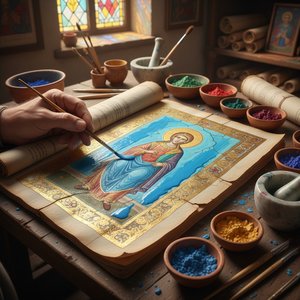
Illuminating History: A Comprehensive Exploration of Tempera Painting Techniques & Artistic Legacy
Explore the rich history & techniques of tempera painting! Discover Renaissance masters like Botticelli & Fra Angelico, conservation insights, and the enduring legacy of this captivating art form.
