

 Megtekintés
 Küldés
 Megosztás
 Részletek
 Útmutató

 Letöltés
 Hasonló darabok
 X-ray felvétel
 Diavetítés
 Statisztika
A chuva de oiro
 Oil On Canvas
- WallArt
- Surrealist Movement
 1984
1984- Modern
 147.0 x 70.0 cm
 Serralves Múzeum
 Összes részlet megjelenítése
Az ezen az oldalon megjelenített műalkotások szerzői jogi védelem alatt állnak, ami azt jelenti, hogy törvényileg nem készíthetünk és nem adhatunk el belőlük pontos másolatokat. Ez a védelem olyan nemzetközi megállapodások alapján érvényesül, mint például a Berni Egyezmény és a nemzeti jogszabályok által, beleértve azokat is, amelyeket meghatározott Az USA szerzői jogi törvénye – 17. cím.
Ez a módszer teljes mértékben megfelel a szerzői jogi szabályozásnak, mivel nem tartalmazza a védett műalkotás másolását vagy duplikálását. Ehelyett ez egy kreatív újinterpretáció – egy új festmény, amely az eredetivel való összefüggései miatt hatással van rá, de nem az az.
Giclée / Műnyomat
Múzeumi minőségű giclée vagy vászonnyomat, gyors gyártással és rugalmas finomítási lehetőségekkel. ( Kézzel festett másolat rendelése Áttérés digitális képre)




P118B Ft10

P118H Ft10

P118W Ft10

P438Z Ft10

P508JH Ft12

P508YH Ft12

P805H Ft10

P805Z Ft10

P919BZ Ft10

P919G Ft10

P919XJ Ft10

P959ZH Ft10

P968JZ Ft12

W106C Ft8

W218G Ft10

W218JH Ft8

W218Y Ft10

W307PJ Ft10

W316G Ft10

W316PJ Ft8

W316Y Ft10

W398PJ Ft8

W4111J Ft10

W500HY Ft15

W500JH Ft15

W692G Ft12

W849H Ft8

W940BG Ft15

W953PJ Ft8




Válasszon előre meghatározott méreteink közül, amelyek megfelelnek a műalkotás eredeti arányainak.

Írja be a keretének vagy a falának megfelelő szélességet és magasságot. A nyomatot csak le lehet vágni, soha nem tehető nagyobbá, mint az eredeti kép, így egy eltérő alakú méretnél a kép egy része elveszik. Mielőtt bármit kinyatintanánk, küldünk egy digitális próbamodellt jóváhagyásra. Az oldalon látható kép nem tartalmazza a valós levágást — ezt csak a próbamodell mutatja meg.
Világszerte történő kiszállítás területére mindössze 2 hét alatt, a szokásos 4-5 hét helyett. (25 október)

Ingyenes globális expressz szállítás

Prémium minőségű len vászon

Teljes körű szállítási biztosítás

Vámvisszatérítési Garancia

Hiteles színarányosság garancia

100 napos visszaküldési lehetőség (csak hibás termékek esetén)

100% pénzvisszatérítési garancia

Több darab vásárlásakor kedvezmény
 Az üvegkeretes opció csak 110 cm alatti méretben érhető el

A chuva de oiro
Giclée / Műnyomat
Reprodukció mérete
-


Összesített ár
Ft 25642
A művész életrajza
The Dreamweaver of the Azores: The Life and Legacy of António da Costa
In the quiet, mist-shrouded landscapes of Angra do Heroísmo, within the volcanic embrace of the Azores, a vision was born that would eventually reshape the contours of Portuguese modernism. António da Costa (1914–1990) did not merely paint; he orchestrated a profound dialogue between the tangible world and the boundless reaches of the subconscious. As a pioneer of the Surrealist movement in Portugal, his life was a continuous exploration of the liminal spaces where reality dissolves into dream. His journey, which began in the Atlantic islands, would eventually lead him to the intellectual heart of Paris, carrying with him a unique aesthetic that blended the rugged mysticism of his homeland with the radical avant-garde currents of mid-century Europe.
Costa’s artistic evolution was marked by periods of intense creative fervor and profound silences. After enrolling at the Lisbon School of Fine Arts in 1935, he quickly emerged as a vital voice in a burgeoning movement. By 1940, his name was inextricably linked with other Surrealist luminaries like António Pedro, as they sought to liberate art from the suffocating constraints of rationalism and traditional aesthetics. This early period was defined by a striking visual language—a synthesis of Cubist structure, Futurist energy, and Expressionist emotion. His canvases during these years were often populated by distorted figures and symbolic landscapes that echoed the unsettling beauty of the irrational, heavily influenced by the revolutionary spirit of masters like Salvador Dalí and Pablo Picasso.
A Journey Through Light and Shadow
The trajectory of Costa’s career was profoundly altered in 1947 when a French government grant transported him to Paris. This move proved to be both a professional triumph and a personal metamorphosis. While he initially engaged with the Parisian art scene, a period of withdrawal followed in the early 1950s, during which he transitioned from the brush to the pen. For nearly two decades, Costa lived as an observer rather than a creator, serving as a sophisticated reporter for the Brazilian newspaper O Estado de S. Paulo. This era of intellectual wandering allowed him to absorb the pulse of international art criticism, honing a sharp, analytical mind that would later inform his return to the easel.
When he finally returned to painting in 1971, settling in Janville, the Surrealist enigmas of his youth had matured into something far more serene and mystical. The frantic energy of his early work gave way to a style that drew deeply from Azorean religious traditions and folk iconography. These later works were characterized by:
- A quieter, more contemplative register of color and form.
- The integration of sacred symbols and ancestral motifs.
- A profound sense of stillness that reflected a lifetime of accumulated wisdom.
Historical Significance and Enduring Vision
The legacy of António da Costa extends far beyond the borders of the canvas. He was a polymath whose influence permeated the very fabric of Portuguese culture through his poetry, his art criticism, and his public contributions to urban design. From decorating the Cais do Sodré metro station in Lisbon to creating relief sculptures for the Azorean Parliament, his work sought to infuse the everyday environment with a sense of poetic transcendence. He was an artist who understood that the true power of Surrealism lay not just in shock, but in the ability to reveal the hidden magic within the mundane.
Today, when we look upon works such as A chuva de oiro or his hauntingly beautiful Melancholia, we see more than just oil on canvas; we witness a lifelong quest to map the human soul. His ability to navigate the tension between the fragmented geometry of modernism and the organic, spiritual rhythms of his Atlantic roots remains his greatest achievement. António da Costa remains a towering figure in the history of 20th-century art, a dreamer who taught us that even in the most desolate landscapes, there is a vibrant, golden light waiting to be discovered.

António Da Costa
1914 - 1990 , Portugal
Rövid információk
- Artistic Movement Or Style: Surrealism
- Artists Or Movements Influenced By This Artist: ['Surrealism']
- Artists Who Influenced This Artist:
- Salvador Dalí
- Pablo Picasso
- Date Of Birth: 1914
- Date Of Death: 1990
- Full Name: antónio da costa
- Nationality: Portuguese
- Notable Artworks:
- Episode with dog
- A chuva de oiro
- Place Of Birth: Angra do Heroísmo, Portugal
Kapcsolódó cikkek
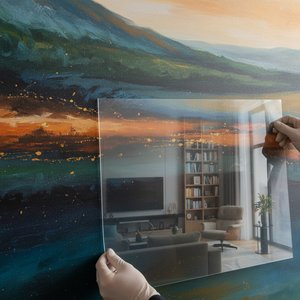
Giclée Prints Explained: The Ultimate Guide to Museum-Quality Art Reproductions
Master the nuances of Giclée printing with our expert guide. Discover how pigment-based inks and museum-grade substrates create fade-resistant, high-fidelity art reproductions designed for discerning collectors seeking unparalleled quality and longevity.
A digitális festmények és fotónyomatok új korszakának előnyei a hagyományos művészettől: Esztétikai érték, tartósság és érzelmi rezonancia
Fedezze fel a digitális festészet és fotónyomatok új világát! Prémium minőségű alkotások, egyedi rendelés, kínai festészeti inspiráció. Szakértői tanácsadással segítünk tökéletes műalkotást találni otthonába vagy ajándékba.

Giclée Prints: Archival Quality & Aesthetic Nuances for the Discerning Collector
Explore the world of giclée prints with OriginalUniqueArt. Learn about archival quality, aesthetic nuances & investment potential. Expert guidance for discerning art collectors seeking museum-quality reproductions and lasting value.
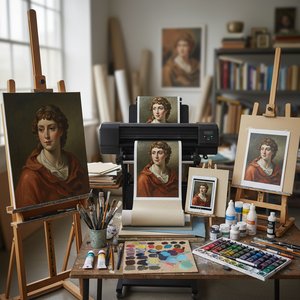
Művészeti reprodukciók: Útmutató olajfestmények, vászon és papír technikáihoz
Kiváló minőségű művészeti reprodukciók olajfestésben, vászonon és papíron. Szakértői tanácsadás, egyedi megrendelések a -tól. Fedezze fel a klasszikus és modern műalkotások széles választékát!
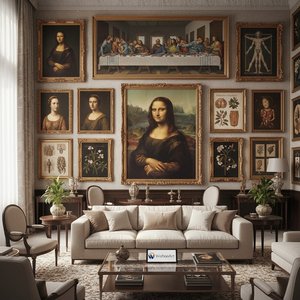
Leonardo da Vinci 25 Mesterműve: Festmények, Rajzok és a Reneszánsz Zsenije – OriginalUniqueArt.com
Fedezze fel Leonardo da Vinci 25 legikonikusabb művét! Ismerje meg a Mona Lisa, az Utolsó Vacsora és más reneszánsz remekművek történetét. Museum-minőségű reprodukciók és inspiráló otthon dekorációs ötletek – OriginalUniqueArt.com.