

 Előnézet
 Megosztás
 Megosztás
 Részletek
 Útmutató

 Letöltés
 Hasonló darabok
 X-ray felvétel
 Diavetítés
 Statisztika
Self-Portrait
 Oil On Canvas
- WallArt
- Neoclassical Style
 1790
1790- Early Modern
 68.0 x 55.0 cm
 Uffizi Képtár
 Tovább olvasom
Giclée / Műnyomat
Múzeumi minőségű giclée vagy vászonnyomat, gyors gyártással és rugalmas finomítási lehetőségekkel. ( Kézzel festett másolat vásárlása Áttérés digitális képre)




































Válasszon előre meghatározott méreteink közül, amelyek megfelelnek a műalkotás eredeti arányainak.

Írja be a keretének vagy a falának megfelelő szélességet és magasságot. A nyomatot csak le lehet vágni, soha nem tehető nagyobbá, mint az eredeti kép, így egy eltérő alakú méretnél a kép egy része elveszik. Mielőtt bármit kinyatintanánk, küldünk egy digitális próbamodellt jóváhagyásra. Az oldalon látható kép nem tartalmazza a valós levágást — ezt csak a próbamodell mutatja meg.
Világszerte történő kiszállítás területére mindössze 2 hét alatt, a szokásos 4-5 hét helyett. (25 október)

Ingyenes globális expressz szállítás

Prémium minőségű len vászon

Teljes körű szállítási biztosítás

Vámvisszatérítési Garancia

Tökéletes színarányosság garancia

100 napos visszaküldési garancia (csak gyártási hibás termékek esetén)

100% pénzvisszatérítési garancia

Több darab vásárlásakor kedvezmény
 Az üvegkeretes opció csak 110 cm alatti méretben érhető el

Self-Portrait
Giclée / Műnyomat
Reprodukció méretei
-


Összesített ár
Ft 25605
A Mirror of the Soul: The Introspective Genius of Antonio Canova
In the quietude of 1790, before he became the undisputed titan of Neoclassical sculpture, a young Antonio Canova captured something far more elusive than marble or stone. His Self-Portrait is not merely a record of a face, but a profound window into the burgeoning consciousness of an artist destined to reshape Western aesthetics. While history remembers him for the smooth, ethereal surfaces of his monumental statues, this oil on canvas reveals a different facet of his mastery—a moment of intense, private contemplation. The painting presents a man caught in the sacred act of creation, his gaze directed inward even as his hand holds the tools of his trade. It is a work that breathes with the intellectual rigor of the Enlightenment, inviting the viewer to witness the very genesis of a creative spirit.
The composition is a masterclass in the use of chiaroscuro, where the dramatic interplay of light and shadow does more than just define form; it sculpts emotion. Emerging from a deep, velvety darkness, the subject’s face and attire are illuminated with a focused intensity that directs all attention to his concentrated expression. This technique creates a sense of three-dimensionality that mirrors Canova's later sculptural achievements, treating pigment as if it were malleable clay. The subtle gradations of light across his brow and the crisp white of his collar provide a stark, elegant contrast against the somber background, lending the portrait an air of timeless dignity and classical gravity.
The Neoclassical Ideal and the Weight of Antiquity
To look upon this self-portrait is to encounter the very heartbeat of the Neoclassical movement. During this era, artists sought to strip away the ornate frivolity of the Rococo in favor of a renewed reverence for the clarity and moral purpose found in Greek and Roman antiquity. Canova embodies this transition perfectly. His pose, reminiscent of the stoic philosophers of the ancient world, suggests a mind preoccupied with reason, beauty, and the pursuit of perfection. There is a deliberate stillness in the work, an absence of unnecessary movement that allows the viewer to focus on the intellectual weight of the artist's gaze. It is a portrait of intellect as much as identity.
For the discerning collector or interior designer, this piece offers more than mere decoration; it provides a focal point of profound character. The painting’s ability to command a room through its quiet strength makes it an ideal centerpiece for spaces dedicated to study, reflection, or sophisticated curation. Whether placed in a library surrounded by leather-bound volumes or as a striking element in a modern, minimalist gallery, the Self-Portrait brings with it an aura of historical depth and artistic legitimacy. It serves as a constant reminder of the beauty found in introspection and the enduring power of the classical tradition.
Gyakran Ismételt Kérdések
Melyik történelmi korszakból származik a „Self-Portrait”, Antonio Canova alkotása?
A "Self-Portrait" a Early Modern korszakba tartozik.
Hol függene jól a „Self-Portrait”, Antonio Canova alkotása reprodukciója?
A „Self-Portrait”, Antonio Canova alkotása Portrait formátumú alkotása egy Living Room számára ajánlott. A formátum és a tér együtt segítik a reprodukció elhelyezését.
Milyen témát és hangulatot ötvöz a „Self-Portrait”, Antonio Canova alkotása?
A „Self-Portrait”, Antonio Canova alkotása sculpture, portraiture, classicalart, renaissanceinfluence, artistselfreflection, oilpaintingtechnique, italianarthistory-t ábrázol, Elegant hangulatban. A tárgy és a légkör együtt határozza meg a művet.
A művész életrajza
Antonio Canova: Élet Marhavádban
- Született: Possagno, Olaszország (1757)
- Halál: 1822
Antonio Canova a nyugati művészet történetének monumentális alakjaként áll fent, őt széles körben a neoklasszikus szobrászat kiemelkedő mestereként tekintik. A márvókarázás mesteri tudása és képesége arra, hogy klasszik मद्देनálló formákat mély érzelmekkel töltsön meg, örökre biztosította helyét minden idők legnagyobb művészei között. Olaszországi Possagnóban született, kőfaragó édesapja, Pietro Canova mellett, és gyermekkorát a körülötté áradó művészeti környezet formálta.
Korai évek és képzés
- Családi háttér: Apja szakmája az első találkozást jelentette számára a kőfaragás világával, miközben nagyszámodra, Pasino Canova, oltárok és alacsony domborzatok szakembere volt, döntő szerepet járt tehetségének nevelésében.
- Korai művészeti fejlődés: Már tíz éves korátದ előtt Canova lenyűgöző készséget demonstrált, apró márvány szentélyeket alkotva, amelyek veleszületett képességeit mutatták be. Giuseppe Bernardi ('Torretto') és Giovanni Ferrari mesterek alatt tanoskodott, tovább csiszolva tudását.
- Akadémiai tanulmányok: A velencei Szépirodalmi Akadémia (Accademia di Belle Arti di Venezia) évek alatt számos díjat nyert, ami megteremtette hírnevét ígéretes fiatal művészként. Egy kolostorban található műhely biztosította számára a teret alkotásai fejlesztéséhez.
- Korai megbízások: Első munkái, mint például az Orpheus és Eurydike szobrai Senator Giovanni Falier számára (1775-1777), egy fejlődő rokokó stílust mutattak be, amely előreérztette későbbi neoklasszikus kifinomultságát.
A hírnév gyarapodása és a neoklasszikus stílus
- A neoklasszikus meghatározása: Canova munkásságát elegáns formák, idealizált alakok és az ősi Görögországhoz és Rómához való visszatérés jellemzi. Képes volt mesterien elkerülni a barokk művészet melodramáját, miközben ellenállt annak hidegségének, amely gyakran társult a klasszikus revival korai kísérleteivel.
- Kulcsfontosságú alkotások és elismerés: Olyan szobrok, mint a Cupid és Psyché (kb. 1787-1793), a Bűnbánatban lévő Magdol és a Herkülész és Lichas, Európa egészében megteremtették hírnevét. Munkássága rendkívül keresett volt a királyi családok és a nemesség körében is.
- Hírnévének építése: Canova stratégiailag növelte karrierjét művei metszeteinek publikálásával és a gipszöntvények márványváltozatainak készítésével, biztosítva művészetének széles körű terjedését.
Főbb alkotások és örökség
- Jelentős szobrok: A már említettein túlmutatóan, Canova jelentős alkotásai közé tartozik a Venere Italica, a La Musa Polyhymnia, a A három Grácia tánca, valamint Eurydike megható ábrázolása.
- Monumentális megbízások: Prestigiózszerű síremlék-megbízásokat kapott, legkiemelkedőbbje a római Szent দোmit (Szent Péter Bazilika) helyszínen található kifinomult XII. Clemens pápa sírja – amely tanúsága szakértelmének mind a szobrászat, mind az építészeti tervezés terén.
- Gipsoteca Antonio Canova: Az Antonio Canova Gipsoteca múzeum albergazi legjelentősebb alkotásainak gyűjteményét, amely felbecsülhetetlen betekintést nyújt alkotói folyamatába és művészeti fejlődésébe.
- Hatása a későbbi generációkra: Canova befolyása túlmutatott élettartamán; meghatározta a neoklasszikus szobrászat irányát, és technikai mesteréggel, kifejező erejével generációk művészei számára szolgált inspirációt.
Történelmi jelentőség
- A neoklasszikus megtestesülése: Antonio Canova név összekapcsódott a neoklasszikus mozgalommal, testesítve annak rendet, tisztaságot és az antik klasszikus korhoz való visszatérést szolgáló eszméit.
- Udvari szobrász és diplomat: Számos európai uralkodó udvari szobrászaként töltött pozíciója jelentős politikai befolyást biztosított számára, lehetővé téve, hogy az egész kontinenenten formálja az esztétikai ízelágot.
- Technikai innováció: A márvókarázás páratlan képessége a határokat meghúzta azon, ami korábban lehetségesnek galt tekinteni, új színvonalat állítva a szobrászművészet kiválóságának.
- Kitartó művészeti örökség: Szobrai ma is lenyűgözik a közönséget világszerte, megszilárdítva helyét a történelem egyik legfontosabb és legbefolyásosabb művészeként.

Antonio Canova
1757 - 1822 , Olaszország
Gyors információk
- Artistic Movement Or Style: Neoklasszicizmus
- Artists Or Movements Influenced By This Artist: ['Korai neoklasszicizmus']
- Artists Who Influenced This Artist: ['Barokk szobrászok']
- Date Of Birth: 1757. nov. 1.
- Date Of Death: 1822. okt. 13.
- Full Name: Antonio Canova
- Nationality: Olasz
- Notable Artworks:
- Szóram és Pszeuxkhé
- Bűnbánó Magdolna
- Heraklész és Lixász
- Place Of Birth (City And Country): Possagno, Olaszország
Kapcsolódó cikkek
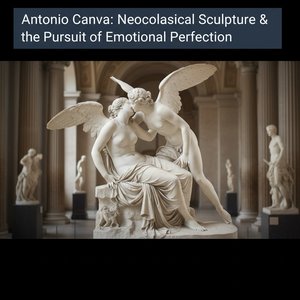
Antonio Canova: Neoclassical Sculpture & the Pursuit of Emotional Perfection
Explore the life & art of Antonio Canova, the greatest Neoclassical sculptor. Discover his masterpieces, innovative techniques, and lasting influence on fine art collecting. Expert insights for discerning investors.

A művészettörténet 10 legikonikusabb bronzszobra – OriginalUniqueArt.com
Fedezze fel a művészettörténet 10 legikonikusabb bronzszobrát! Ismerje meg Rodint, Michelangelót és más mestereket. Luxus minőségű nyomatok otthonába – OriginalUniqueArt.com.

The Enduring Form: Exploring Themes & Techniques in Sculpture Across Historical Periods
Explore the rich history of sculpture from ancient masterpieces to contemporary innovations. Discover key techniques, influential artists & investment potential for discerning art collectors.

The Enduring Form: Sculpture Across History, Technique & Emotional Resonance
Explore the rich history of sculpture with OriginalUniqueArt. Discover key techniques, influential artists & investment potential for discerning collectors. Expert insights into valuing and collecting timeless masterpieces.

A művészettörténet 10 legikonikusabb bronzszobra – OriginalUniqueArt.com
Fedezze fel a művészettörténet 10 legikonikusabb bronzszobrát! Ismerje meg Rodin, Michelangelo és más mesterek alkotásait. Luxus minőségű reprodukciók otthonába – OriginalUniqueArt.com.
