

 Megosztás
 Megosztás
 Részletek
 Útmutató

 Letöltés
 Hasonló darabok
 Diavetítés
 Statisztika
Orpheus


 Tovább olvasom
Giclée / Műnyomat
Múzeumi minőségű giclée vagy vászonnyomat, gyors gyártással és rugalmas finomítási lehetőségekkel. ( Kézzel festett másolat vásárlása Áttérés digitális képre)




































Válasszon előre meghatározott méreteink közül, amelyek megfelelnek a műalkotás eredeti arányainak.

Írja be a keretének vagy a falának megfelelő szélességet és magasságot. A nyomatot csak le lehet vágni, soha nem tehető nagyobbá, mint az eredeti kép, így egy eltérő alakú méretnél a kép egy része elveszik. Mielőtt bármit kinyatintanánk, küldünk egy digitális próbamodellt jóváhagyásra. Az oldalon látható kép nem tartalmazza a valós levágást — ezt csak a próbamodell mutatja meg.
Világszerte történő kiszállítás területére mindössze 2 hét alatt, a szokásos 4-5 hét helyett. (24 október)

Ingyenes globális expressz szállítás

Prémium minőségű len vászon

Teljes körű szállítási biztosítás

Vámvisszatérítési Garancia

Tökéletes színarányosság garancia

100 napos visszaküldési garancia (csak gyártási hibás termékek esetén)

100% pénzvisszatérítési garancia

Több darab vásárlásakor kedvezmény
 Az üvegkeretes opció csak 110 cm alatti méretben érhető el

Orpheus
Giclée / Műnyomat
Reprodukció méretei
-


Összesített ár
Ft 25605
A Symphony in Marble: Unveiling Antonio Canova’s Orpheus
Antonio Canova's "Orpheus," completed in 1776, isn’t merely a sculpture; it’s an immersive experience. This monumental work, originally intended for the garden of Villa Falier at Asolo, transports us to a realm where myth and emotion converge with breathtaking artistry. The piece captures the legendary musician's poignant descent into the underworld to retrieve his lost love, Eurydice, a narrative steeped in grief, longing, and ultimately, the enduring power of music.
Canova’s genius lies not just in replicating the classical form but in imbuing it with an astonishing depth of feeling. The figure of Orpheus is rendered with a remarkable dynamism—one arm raised as if conducting an invisible orchestra, his body leaning forward with a palpable sense of urgency and despair. The subtle shifts in musculature, the delicate curve of his lips, and the anguished expression on his face all speak to the profound sorrow he carries within him. The sculpture’s placement within a rocky base subtly grounds this ethereal figure, anchoring it to the earthly realm from which he's venturing into the shadowy depths.
Neoclassical Mastery: Technique and Materials
Crafted entirely from Carrara marble—a material renowned for its purity and luminosity—"Orpheus" exemplifies Canova’s unparalleled technical skill. The surface is polished to a breathtaking sheen, reflecting light in a way that highlights the intricate details of the drapery and the musculature of the body. Note the masterful rendering of folds and creases in the fabric, suggesting both movement and weight. Canova's technique demonstrates an almost obsessive attention to detail; every line, every shadow, contributes to the sculpture’s overall sense of realism and emotional intensity. The use of contrasting textures—the smooth, polished marble against the rougher texture of the base—further enhances the visual impact.
The work's scale is also significant – a monumental piece designed to command attention and evoke contemplation. Canova’s decision to create such a large-scale sculpture speaks to his ambition and his desire to capture not just a likeness but an entire emotional state. The sheer size of the figure invites viewers to step closer, to lose themselves in its details, and to feel the weight of Orpheus's sorrow.
Mythic Resonance: Symbolism and Interpretation
Beyond the literal depiction of the myth, “Orpheus” is rich with symbolic meaning. The raised arm, often interpreted as a gesture of pleading or lamentation, underscores Orpheus’s desperate attempt to sway Hades and Eurydice back to him. The laurel wreath, a symbol of victory and honor, subtly juxtaposes the tragedy of his loss with the enduring power of his music—a testament to his artistic legacy. The setting itself – a rocky outcrop reminiscent of the underworld – reinforces the sculpture’s themes of death, mourning, and the journey beyond earthly boundaries.
The story of Orpheus and Eurydice has resonated throughout Western art and literature for centuries, serving as a potent metaphor for love, loss, and the transformative power of creativity. Canova's "Orpheus" captures this enduring resonance with remarkable sensitivity and skill, offering viewers a timeless meditation on the human condition.
A Legacy in Stone: Context and Influence
Created during the height of the Neoclassical period (late 18th century), “Orpheus” reflects the movement’s emphasis on classical ideals—harmony, balance, and idealized beauty. Canova was a leading figure in this artistic revival, drawing inspiration from ancient Greek and Roman sculpture while imbuing his work with a distinctly modern sensibility. His ability to capture human emotion with such precision and grace cemented his reputation as one of the greatest sculptors of all time.
Today, Canova’s “Orpheus” continues to captivate audiences worldwide. Reproductions offer an accessible way to experience this masterpiece, bringing its profound beauty and emotional depth into homes and galleries. It stands as a powerful reminder of the enduring legacy of classical mythology and the transformative power of art.
Gyakran Ismételt Kérdések
Mennyire világos összességében "Orpheus"?
Összességében a "Orpheus" alkotás shadow fényerőséget mutat. A tapasztalt fényerő azt írja le, hogy a mű mennyire tűnik világosnak vagy sötétnek.
Milyen hangulatot árasztana egy „Orpheus”, Antonio Canova alkotása reprodukció egy szobában?
A Calm hangulatával a "Orpheus" című alkotás egy Living Room helyiségbe is javasolt.
Milyen technikával készült a „Orpheus”, Antonio Canova alkotása?
Antonio Canova a Marble technikát alkalmazta a "Orpheus" alkotáshoz. A technika határozza meg az eredeti mű anyagösszetételt.
A művész életrajza
Antonio Canova: Élet Marhavádban
- Született: Possagno, Olaszország (1757)
- Halál: 1822
Antonio Canova a nyugati művészet történetének monumentális alakjaként áll fent, őt széles körben a neoklasszikus szobrászat kiemelkedő mestereként tekintik. A márvókarázás mesteri tudása és képesége arra, hogy klasszik मद्देनálló formákat mély érzelmekkel töltsön meg, örökre biztosította helyét minden idők legnagyobb művészei között. Olaszországi Possagnóban született, kőfaragó édesapja, Pietro Canova mellett, és gyermekkorát a körülötté áradó művészeti környezet formálta.
Korai évek és képzés
- Családi háttér: Apja szakmája az első találkozást jelentette számára a kőfaragás világával, miközben nagyszámodra, Pasino Canova, oltárok és alacsony domborzatok szakembere volt, döntő szerepet járt tehetségének nevelésében.
- Korai művészeti fejlődés: Már tíz éves korátದ előtt Canova lenyűgöző készséget demonstrált, apró márvány szentélyeket alkotva, amelyek veleszületett képességeit mutatták be. Giuseppe Bernardi ('Torretto') és Giovanni Ferrari mesterek alatt tanoskodott, tovább csiszolva tudását.
- Akadémiai tanulmányok: A velencei Szépirodalmi Akadémia (Accademia di Belle Arti di Venezia) évek alatt számos díjat nyert, ami megteremtette hírnevét ígéretes fiatal művészként. Egy kolostorban található műhely biztosította számára a teret alkotásai fejlesztéséhez.
- Korai megbízások: Első munkái, mint például az Orpheus és Eurydike szobrai Senator Giovanni Falier számára (1775-1777), egy fejlődő rokokó stílust mutattak be, amely előreérztette későbbi neoklasszikus kifinomultságát.
A hírnév gyarapodása és a neoklasszikus stílus
- A neoklasszikus meghatározása: Canova munkásságát elegáns formák, idealizált alakok és az ősi Görögországhoz és Rómához való visszatérés jellemzi. Képes volt mesterien elkerülni a barokk művészet melodramáját, miközben ellenállt annak hidegségének, amely gyakran társult a klasszikus revival korai kísérleteivel.
- Kulcsfontosságú alkotások és elismerés: Olyan szobrok, mint a Cupid és Psyché (kb. 1787-1793), a Bűnbánatban lévő Magdol és a Herkülész és Lichas, Európa egészében megteremtették hírnevét. Munkássága rendkívül keresett volt a királyi családok és a nemesség körében is.
- Hírnévének építése: Canova stratégiailag növelte karrierjét művei metszeteinek publikálásával és a gipszöntvények márványváltozatainak készítésével, biztosítva művészetének széles körű terjedését.
Főbb alkotások és örökség
- Jelentős szobrok: A már említettein túlmutatóan, Canova jelentős alkotásai közé tartozik a Venere Italica, a La Musa Polyhymnia, a A három Grácia tánca, valamint Eurydike megható ábrázolása.
- Monumentális megbízások: Prestigiózszerű síremlék-megbízásokat kapott, legkiemelkedőbbje a római Szent দোmit (Szent Péter Bazilika) helyszínen található kifinomult XII. Clemens pápa sírja – amely tanúsága szakértelmének mind a szobrászat, mind az építészeti tervezés terén.
- Gipsoteca Antonio Canova: Az Antonio Canova Gipsoteca múzeum albergazi legjelentősebb alkotásainak gyűjteményét, amely felbecsülhetetlen betekintést nyújt alkotói folyamatába és művészeti fejlődésébe.
- Hatása a későbbi generációkra: Canova befolyása túlmutatott élettartamán; meghatározta a neoklasszikus szobrászat irányát, és technikai mesteréggel, kifejező erejével generációk művészei számára szolgált inspirációt.
Történelmi jelentőség
- A neoklasszikus megtestesülése: Antonio Canova név összekapcsódott a neoklasszikus mozgalommal, testesítve annak rendet, tisztaságot és az antik klasszikus korhoz való visszatérést szolgáló eszméit.
- Udvari szobrász és diplomat: Számos európai uralkodó udvari szobrászaként töltött pozíciója jelentős politikai befolyást biztosított számára, lehetővé téve, hogy az egész kontinenenten formálja az esztétikai ízelágot.
- Technikai innováció: A márvókarázás páratlan képessége a határokat meghúzta azon, ami korábban lehetségesnek galt tekinteni, új színvonalat állítva a szobrászművészet kiválóságának.
- Kitartó művészeti örökség: Szobrai ma is lenyűgözik a közönséget világszerte, megszilárdítva helyét a történelem egyik legfontosabb és legbefolyásosabb művészeként.

Antonio Canova
1757 - 1822 , Olaszország
Gyors információk
- Artistic Movement Or Style: Neoklasszicizmus
- Artists Or Movements Influenced By This Artist: ['Korai neoklasszicizmus']
- Artists Who Influenced This Artist: ['Barokk szobrászok']
- Date Of Birth: 1757. nov. 1.
- Date Of Death: 1822. okt. 13.
- Full Name: Antonio Canova
- Nationality: Olasz
- Notable Artworks:
- Szóram és Pszeuxkhé
- Bűnbánó Magdolna
- Heraklész és Lixász
- Place Of Birth (City And Country): Possagno, Olaszország
Kapcsolódó cikkek

A művészettörténet 10 legikonikusabb bronzszobra – OriginalUniqueArt.com
Fedezze fel a művészettörténet 10 legikonikusabb bronzszobrát! Ismerje meg Rodint, Michelangelót és más mestereket. Luxus minőségű nyomatok otthonába – OriginalUniqueArt.com.

The Enduring Form: Exploring Themes & Techniques in Sculpture Across Historical Periods
Explore the rich history of sculpture from ancient masterpieces to contemporary innovations. Discover key techniques, influential artists & investment potential for discerning art collectors.
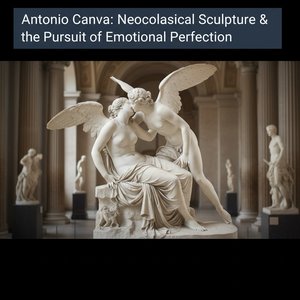
Antonio Canova: Neoclassical Sculpture & the Pursuit of Emotional Perfection
Explore the life & art of Antonio Canova, the greatest Neoclassical sculptor. Discover his masterpieces, innovative techniques, and lasting influence on fine art collecting. Expert insights for discerning investors.

The Enduring Allure of Marble in Art History: From Classical Sculpture to Modern Abstraction
Explore the captivating history of marble sculpture from ancient Greece to modern art. Discover renowned artists like Canova & Michelangelo, carving techniques, and investment insights at OriginalUniqueArt.

Timeless Elegance: A Complete Guide to the Sublime Beauty and Artistry of Marble Sculpture
Discover the sublime beauty of marble art through an expert exploration of Renaissance and Neoclassical masterpieces. From the delicate textures of Carpeaux to the grandeur of Sansovino, immerse yourself in a guide to timeless elegance and sculptural perfection.
