

 Előnézet
 Megosztás
 Megosztás
 Részletek
 Útmutató

 Letöltés
 Hasonló darabok
 X-ray felvétel
 Diavetítés
 Statisztika
Feed the Hungry


 Tovább olvasom
Giclée / Műnyomat
Múzeumi minőségű giclée vagy vászonnyomat, gyors gyártással és rugalmas finomítási lehetőségekkel. ( Kézzel festett másolat vásárlása Áttérés digitális képre)




P118B Ft10

P118H Ft10

P118W Ft10

P438Z Ft10

P508JH Ft12

P508YH Ft12

P805H Ft10

P805Z Ft10

P919BZ Ft10

P919G Ft10

P919XJ Ft10

P959ZH Ft10

P968JZ Ft12

W106C Ft8

W218G Ft10

W218JH Ft8

W218Y Ft10

W307PJ Ft10

W316G Ft10

W316PJ Ft8

W316Y Ft10

W398PJ Ft8

W4111J Ft10

W500HY Ft15

W500JH Ft15

W692G Ft12

W849H Ft8

W940BG Ft15

W953PJ Ft8




Válasszon előre meghatározott méreteink közül, amelyek megfelelnek a műalkotás eredeti arányainak.

Megadhat saját méreteket is egy konkrét kerethez vagy helyszínhez igazítva. Amennyiben a kiválasztott méret nem egyezik az eredeti kép arányokkal, a műalkotást le fogjuk vágni, vagy kiegészítjük a képet tükrözött vagy egyszínű szélekkel. A gyártás megkezdése előtt egy digitális tervezetet küldünk jóváhagyásra.
Kérjük, vegye figyelembe, hogy a képernyőn látható előnézet nem tükrözi a tényleges levágást vagy kiegészítést. Csak a tervezet mutatja pontosan a végső kompozíciót.
Bár az egyedi méretek is elérhetőek, az eredeti arányok megőrzése érdekében azt javasoljuk, hogy válasszon a előre meghatározott listából származó méretet.
Világszerte történő kiszállítás területére mindössze 2 hét alatt, a szokásos 4-5 hét helyett. (13 október)

Ingyenes globális expressz szállítás

Prémium minőségű len vászon

Teljes körű szállítási biztosítás

Vámvisszatérítési Garancia

Tökéletes színarányosság garancia

100 napos visszaküldési garancia (csak gyártási hibás termékek esetén)

100% pénzvisszatérítési garancia

Több darab vásárlásakor kedvezmény
 Az üvegkeretes opció csak 110 cm alatti méretben érhető el

Feed the Hungry
Giclée / Műnyomat
Reprodukció méretei
-


Összesített ár
Ft 25301
Antonio Canova’s “Feed the Hungry”: A Testament to Compassion and Neoclassical Grace
“Feed the Hungry,” created in 1795 by the Italian sculptor Antonio Canova, is more than just a depiction of a mother nurturing her child; it's a profound meditation on charity, vulnerability, and the enduring power of human connection. Executed as a plaster relief – a technique favored by Canova for its delicate texture and ability to capture subtle nuances of expression – the work embodies the core tenets of Neoclassical sculpture: idealized beauty, rational composition, and an emphasis on moral virtue. The scene unfolds with remarkable serenity; a woman, her face etched with gentle concern, offers nourishment to her infant, while a man stands beside them, seemingly observing with quiet dignity. This isn’t a dramatic tableau of suffering, but rather a quietly powerful statement about the fundamental act of caring for the most vulnerable.
Canova's mastery of marble and plaster is immediately evident in the work’s exquisite detail. Note the softness of the mother’s garments, rendered with an almost tactile quality; the delicate curve of the baby’s arm reaching out to receive sustenance; and the subtle play of light and shadow across their faces. The figures are sculpted with a remarkable sense of realism, yet they possess an undeniable grace and elegance characteristic of Canova's style. He meticulously studied classical sculpture, particularly the works of Greek artists like Phidias, striving to achieve a harmonious balance between form and emotion. This influence is palpable in the work’s balanced composition, its idealized figures, and its restrained emotional expression.
The Context of Revolutionary Italy
“Feed the Hungry” was commissioned by Abbondio Rezzonico, a wealthy Venetian nobleman with a deep commitment to social welfare. This commission occurred during a period of significant political and social upheaval in Italy – the tumultuous years following the French Revolution and the rise of Napoleon’s empire. The ideals of liberty, equality, and fraternity, championed by the revolutionaries, were spreading throughout Europe, prompting a renewed interest in humanitarianism and charitable works. Rezzonico's decision to commission Canova’s work reflects this burgeoning concern for the poor and marginalized within Venetian society. The relief served as part of a larger collection intended to adorn his villa, showcasing not only artistic beauty but also a commitment to ethical principles.
Interestingly, the choice of depicting a mother feeding her child was particularly resonant during this era. It invoked images of Roman motherhood and the nurturing role traditionally associated with women – a powerful symbol of continuity and hope amidst political instability. Canova skillfully utilized these classical associations to imbue his work with a timeless message of compassion and resilience.
Symbolism and Emotional Resonance
Beyond its historical context, “Feed the Hungry” is rich in symbolic meaning. The act of feeding represents not just physical sustenance but also spiritual nourishment – a connection between generations and a reaffirmation of human values. The man’s presence suggests a broader community responsibility; he embodies the role of protectors and providers, reinforcing the idea that caring for others is a shared duty. The overall mood is one of quiet dignity and understated tenderness, avoiding overt sentimentality. Canova masterfully conveys a sense of profound empathy without resorting to melodrama.
The work’s emotional impact lies in its ability to evoke a feeling of warmth and connection. It reminds us of the simple yet powerful act of kindness – an act that can transcend social boundaries and offer solace in times of hardship. It's a testament to the enduring human capacity for compassion, rendered with exquisite beauty and technical skill.
Reproductions and Collecting
Today, “Feed the Hungry” continues to resonate with audiences worldwide. High-quality reproductions, such as those offered by OriginalUniqueArt.com, allow art lovers to experience Canova’s masterpiece in their own homes or offices. When selecting a reproduction, consider the medium – a fine art print on archival paper will best capture the original's delicate textures and subtle tonal variations. The work’s timeless themes of charity, family, and human connection make it an ideal addition to any collection, serving as a constant reminder of our shared humanity.
Gyakran Ismételt Kérdések
Milyen érzelmi hangulatot áraszt a „Feed the Hungry”, Antonio Canova alkotása?
A „Feed the Hungry”, Antonio Canova alkotása művészeti alkotás érzelmi tónusa Nostalgic. Ez foglalja össze a mű által kifejezett érzést.
Milyen domináns alapszín jellemzi „Feed the Hungry”, Antonio Canova alkotása alkotást?
A „Feed the Hungry”, Antonio Canova alkotása domináns színe a Warm Sunset Tones. Ez a szín a paletta alapvető tónusa.
Mely művész és mely stílus áll a "Feed the Hungry" mögött?
A „Feed the Hungry” alkotását Antonio Canova készítette Neoclassical Sculpture stílusban. A művész és a műveszetség meghatározza a mű hagyományát.
Milyen technika és stílus jellemzi „Feed the Hungry”, Antonio Canova alkotása alkotást?
A "Feed the Hungry" alkotásban a Acrylic On Canvas technika találkozik a Neoclassical Sculpture irányzattal.
Mely művészeti irányba tartozik a „Feed the Hungry”, Antonio Canova alkotása?
A „Feed the Hungry”, Antonio Canova alkotása a Neoclassical Sculpture irányzat pripad. Ez a művészeti ág nyújtja a mű stilisztikai kontextusát.
Milyen méretet és vízszintes/függőleges elrendezést javasolnak a „Feed the Hungry”, Antonio Canova alkotása nyomtatványához?
Medium méret, Square elrendezés: ez a javasolt nyomtatási beállítás a(z) „Feed the Hungry”, Antonio Canova alkotása alkotáshoz.
Szabad-e jogilag másolni a(z) Museo Correr múzeum collectionsében található „Feed the Hungry”, Antonio Canova alkotása alkotást?
Az eredeti "Feed the Hungry" mű a Museo Correr gyűjteményében található, a alkotás pedig a joghallgatói schützenesség körébe tartozik – a szerzői jog lejártt státuszú.
Mi a „Feed the Hungry”, Antonio Canova alkotása általános hangulata?
A "Feed the Hungry" Elegant hangulatú.
A művész életrajza
Antonio Canova: Élet Marhavádban
- Született: Possagno, Olaszország (1757)
- Halál: 1822
Antonio Canova a nyugati művészet történetének monumentális alakjaként áll fent, őt széles körben a neoklasszikus szobrászat kiemelkedő mestereként tekintik. A márvókarázás mesteri tudása és képesége arra, hogy klasszik मद्देनálló formákat mély érzelmekkel töltsön meg, örökre biztosította helyét minden idők legnagyobb művészei között. Olaszországi Possagnóban született, kőfaragó édesapja, Pietro Canova mellett, és gyermekkorát a körülötté áradó művészeti környezet formálta.
Korai évek és képzés
- Családi háttér: Apja szakmája az első találkozást jelentette számára a kőfaragás világával, miközben nagyszámodra, Pasino Canova, oltárok és alacsony domborzatok szakembere volt, döntő szerepet járt tehetségének nevelésében.
- Korai művészeti fejlődés: Már tíz éves korátದ előtt Canova lenyűgöző készséget demonstrált, apró márvány szentélyeket alkotva, amelyek veleszületett képességeit mutatták be. Giuseppe Bernardi ('Torretto') és Giovanni Ferrari mesterek alatt tanoskodott, tovább csiszolva tudását.
- Akadémiai tanulmányok: A velencei Szépirodalmi Akadémia (Accademia di Belle Arti di Venezia) évek alatt számos díjat nyert, ami megteremtette hírnevét ígéretes fiatal művészként. Egy kolostorban található műhely biztosította számára a teret alkotásai fejlesztéséhez.
- Korai megbízások: Első munkái, mint például az Orpheus és Eurydike szobrai Senator Giovanni Falier számára (1775-1777), egy fejlődő rokokó stílust mutattak be, amely előreérztette későbbi neoklasszikus kifinomultságát.
A hírnév gyarapodása és a neoklasszikus stílus
- A neoklasszikus meghatározása: Canova munkásságát elegáns formák, idealizált alakok és az ősi Görögországhoz és Rómához való visszatérés jellemzi. Képes volt mesterien elkerülni a barokk művészet melodramáját, miközben ellenállt annak hidegségének, amely gyakran társult a klasszikus revival korai kísérleteivel.
- Kulcsfontosságú alkotások és elismerés: Olyan szobrok, mint a Cupid és Psyché (kb. 1787-1793), a Bűnbánatban lévő Magdol és a Herkülész és Lichas, Európa egészében megteremtették hírnevét. Munkássága rendkívül keresett volt a királyi családok és a nemesség körében is.
- Hírnévének építése: Canova stratégiailag növelte karrierjét művei metszeteinek publikálásával és a gipszöntvények márványváltozatainak készítésével, biztosítva művészetének széles körű terjedését.
Főbb alkotások és örökség
- Jelentős szobrok: A már említettein túlmutatóan, Canova jelentős alkotásai közé tartozik a Venere Italica, a La Musa Polyhymnia, a A három Grácia tánca, valamint Eurydike megható ábrázolása.
- Monumentális megbízások: Prestigiózszerű síremlék-megbízásokat kapott, legkiemelkedőbbje a római Szent দোmit (Szent Péter Bazilika) helyszínen található kifinomult XII. Clemens pápa sírja – amely tanúsága szakértelmének mind a szobrászat, mind az építészeti tervezés terén.
- Gipsoteca Antonio Canova: Az Antonio Canova Gipsoteca múzeum albergazi legjelentősebb alkotásainak gyűjteményét, amely felbecsülhetetlen betekintést nyújt alkotói folyamatába és művészeti fejlődésébe.
- Hatása a későbbi generációkra: Canova befolyása túlmutatott élettartamán; meghatározta a neoklasszikus szobrászat irányát, és technikai mesteréggel, kifejező erejével generációk művészei számára szolgált inspirációt.
Történelmi jelentőség
- A neoklasszikus megtestesülése: Antonio Canova név összekapcsódott a neoklasszikus mozgalommal, testesítve annak rendet, tisztaságot és az antik klasszikus korhoz való visszatérést szolgáló eszméit.
- Udvari szobrász és diplomat: Számos európai uralkodó udvari szobrászaként töltött pozíciója jelentős politikai befolyást biztosított számára, lehetővé téve, hogy az egész kontinenenten formálja az esztétikai ízelágot.
- Technikai innováció: A márvókarázás páratlan képessége a határokat meghúzta azon, ami korábban lehetségesnek galt tekinteni, új színvonalat állítva a szobrászművészet kiválóságának.
- Kitartó művészeti örökség: Szobrai ma is lenyűgözik a közönséget világszerte, megszilárdítva helyét a történelem egyik legfontosabb és legbefolyásosabb művészeként.

Antonio Canova
1757 - 1822 , Olaszország
Gyors információk
- Artistic Movement Or Style: Neoklasszicizmus
- Artists Or Movements Influenced By This Artist: ['Korai neoklasszicizmus']
- Artists Who Influenced This Artist: ['Barokk szobrászok']
- Date Of Birth: 1757. nov. 1.
- Date Of Death: 1822. okt. 13.
- Full Name: Antonio Canova
- Nationality: Olasz
- Notable Artworks:
- Szóram és Pszeuxkhé
- Bűnbánó Magdolna
- Heraklész és Lixász
- Place Of Birth (City And Country): Possagno, Olaszország
Kapcsolódó cikkek

The Enduring Allure of Marble in Art History: From Classical Sculpture to Modern Abstraction
Explore the captivating history of marble sculpture from ancient Greece to modern art. Discover renowned artists like Canova & Michelangelo, carving techniques, and investment insights at OriginalUniqueArt.

The Enduring Form: Sculpture Across History, Technique & Emotional Resonance
Explore the rich history of sculpture with OriginalUniqueArt. Discover key techniques, influential artists & investment potential for discerning collectors. Expert insights into valuing and collecting timeless masterpieces.
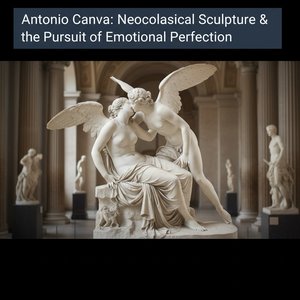
Antonio Canova: Neoclassical Sculpture & the Pursuit of Emotional Perfection
Explore the life & art of Antonio Canova, the greatest Neoclassical sculptor. Discover his masterpieces, innovative techniques, and lasting influence on fine art collecting. Expert insights for discerning investors.

A művészettörténet 10 legikonikusabb bronzszobra – OriginalUniqueArt.com
Fedezze fel a művészettörténet 10 legikonikusabb bronzszobrát! Ismerje meg Rodint, Michelangelót és más mestereket. Luxus minőségű nyomatok otthonába – OriginalUniqueArt.com.

The Enduring Form: Exploring Themes & Techniques in Sculpture Across Historical Periods
Explore the rich history of sculpture from ancient masterpieces to contemporary innovations. Discover key techniques, influential artists & investment potential for discerning art collectors.
