

 Előnézet
 Megosztás
 Megosztás
 Részletek
 Útmutató

 Letöltés
 Hasonló darabok
 X-ray felvétel
 Diavetítés
 Statisztika
Self-portrait
 Contemporary Realism
 1921
1921 5.0 x 47.0 cm
 National Gallery of Bulgaria
 Tovább olvasom
Kézzel készített olajfestmény reprodukció
Kézzel festett olajvastú vászon, az Ön által választott méretben és keretben, művészeink készítik meglévőre. ( Váltás nyomtatványra Áttérés digitális képre)




































Válasszon előre meghatározott méreteink közül, amelyek megfelelnek a műalkotás eredeti arányainak.

Ön megadhat saját méreteket egy adott kerethez vagy térhez igazításhoz. Ha a kiválasztott méret nem egyezik az eredeti kép arányával, akkor a műalkotást levágjuk, vagy további kézzel festett elemekkel meghosszabbítjuk a festményt. A gyártás megkezdése előtt küldünk Önnek egy digitális előnézetet jóváhagyásra.
Kérjük, vegye figyelembe, hogy a képernyőn megjelenő előnézet nem tükrözi a tényleges vágást vagy kiterjesztést. Csak az előnézet fog pontosan mutatni a végső kompozíciót.
Bár egyedi méretek állnak rendelkezésre, javasoljuk, hogy válasszon egy méretet az előre meghatározott listából az eredeti arányok megőrzése érdekében.
A rendelést követően a OriginalUniqueArt.com csapata e-mailt küld az ügyfélnek az instrukciókért, és biztosít egy előnézeti képet (mockup).
Világszerte elérhető szállítás () 3-4 hét alatt a szokásos 5 hét helyett. (27 szeptember). A minőség nem kérdőjelezhető.

Ingyenes globális expressz szállítás

Prémium minőségű len vászon

Teljes körű szállítási biztosítás

Vámvisszatérítési Garancia

Tökéletes színarányosság garancia

100 napos visszaküldési garancia (csak gyártási hibás termékek esetén)

100% pénzvisszatérítési garancia

Több darab vásárlásakor kedvezmény
 Az üvegkeretes opció csak 110 cm alatti méretben érhető el

Self-portrait
Reprodukciós technika
Reprodukció méretei
-


Összesített ár
$ 300
A művész életrajza
Gustav Klimt: A Rebel of Form and Feeling
Born in Vienna in 1862, Gustav Klimt emerged as a pivotal figure in the late 19th-century art world, a time of rapid change and burgeoning artistic experimentation. His life, tragically cut short at the age of 57, was marked by both immense success and personal turmoil, ultimately shaping an oeuvre characterized by opulent decoration, eroticism, and a profound exploration of the human psyche. Klimt’s legacy rests not just on his iconic paintings like *The Kiss* and *Portrait of Adele Bloch-Bauer*, but also on his role in establishing the Vienna Secession – a movement that irrevocably challenged the conservative artistic establishment of its time.
Klimt's early training at the Academy of Fine Arts in Vienna provided him with a solid foundation in classical techniques, particularly architectural painting. However, he quickly grew disillusioned with the rigid academic standards and sought a more expressive and personal approach to art. This desire for freedom led him to explore Symbolism and Japanese prints – a fascination that would profoundly influence his later style. The intricate patterns, flattened perspectives, and use of gold leaf in his work are directly traceable to these influences, creating a visual language both strikingly modern and deeply rooted in tradition.
- Early Years & Apprenticeship (1862-1883): Klimt’s childhood was marked by financial hardship; his father, a gold engraver, struggled to provide for the family. This instilled in him a deep appreciation for craftsmanship and a keen awareness of social inequality. He began his artistic journey at age 14, entering the Academy with a scholarship – a significant achievement considering his family’s circumstances.
- The Company of Artists (1883-1890): Alongside his brother Ernst and Franz Masch, Klimt formed the “Company of Artists,” initially focusing on decorative murals for public buildings like the Vienna Burgtheater and the Kunsthistorisches Museum. This period provided valuable experience and a steady income, allowing him to hone his skills and develop a distinctive style.
- The Secession (1897): Frustrated by the limitations of the established art world and seeking greater creative autonomy, Klimt co-founded the Vienna Secession in 1897 – an avant-garde movement dedicated to breaking away from academic conventions. The Secession’s manifesto declared a “new art” that would be independent of the conservative Salon system.
The Golden Age: Portraits and Mythic Visions
Klimt's most celebrated works are arguably his portraits, particularly those of wealthy patrons like Adele Bloch-Bauer. These paintings are not merely representations of individuals; they are carefully constructed visual narratives that explore themes of beauty, power, and the complexities of human relationships. *Portrait of Adele Bloch-Bauer I* (1907) is a prime example – a dazzling display of gold leaf, geometric patterns, and symbolic imagery that elevates the sitter to an almost mythical status.
Beyond portraits, Klimt’s oeuvre encompasses a diverse range of subjects. *The Kiss* (1908), perhaps his most iconic work, depicts a couple locked in an embrace, enveloped in a shimmering golden aura. The painting is both intensely sensual and profoundly spiritual, representing the union of love and eternity. His later works often drew inspiration from mythology and folklore, creating dreamlike landscapes populated by enigmatic figures.
- Symbolism & Decoration: Klimt’s style is characterized by a deliberate use of symbolism – recurring motifs such as circles, spirals, and geometric patterns represent various concepts, including life, death, and the subconscious.
- The Use of Gold Leaf: The extensive application of gold leaf became a hallmark of Klimt's work, adding a layer of opulence and spiritual significance to his paintings. It’s not merely decorative; it represents divinity and transcendence.
Personal Tragedy and Artistic Transformation
The death of Klimt’s brother Ernst in 1891 and his father shortly after profoundly impacted the artist, leading to a period of intense emotional turmoil and a shift in his artistic direction. He abandoned the collaborative spirit of the Company of Artists and embarked on a more solitary path, driven by personal grief and a desire for greater creative control.
This period saw the emergence of a darker, more introspective style – characterized by heightened symbolism, eroticism, and a preoccupation with themes of death and decay. *Death and Life* (1909), a monumental painting depicting a skeletal figure embracing a woman adorned in flowers, exemplifies this shift. It’s a powerful meditation on the cyclical nature of life and the inevitability of mortality.
- Loss & Grief: The deaths of his family members fueled Klimt's exploration of themes related to loss, grief, and the fragility of human existence.
- Eroticism & Sexuality: His work increasingly explored themes of sexuality and desire, often in a veiled or symbolic manner.
Legacy and Influence
Gustav Klimt’s influence on 20th-century art is undeniable. He paved the way for Expressionism and other avant-garde movements by challenging traditional artistic conventions and embracing subjective experience. His innovative use of color, pattern, and symbolism continues to inspire artists today.
Klimt's paintings are housed in major museums around the world, including the Belvedere Museum in Vienna, where *The Kiss* and *Portrait of Adele Bloch-Bauer I* reside. He remains one of the most beloved and recognizable figures in the history of art – a testament to his unique vision and enduring artistic power.
His work continues to be studied and admired for its beauty, complexity, and profound emotional resonance, solidifying his place as a true revolutionary of the art world.

anton stefanov mitov
1862 - 1930 , Bulgaria
Gyors információk
- Artistic Movement Or Style: Portraiture, landscapes
- Artists Or Movements Influenced By This Artist: ["Flagler's St. Augustine art"]
- Artists Who Influenced This Artist: ['Academic history painters']
- Date Of Birth: 1862
- Date Of Death: 1891
- Full Name: Robert S German
- Nationality: German
- Notable Artworks: ['At Binsey, near Oxford']
- Place Of Birth: Berlin, Germany
Kapcsolódó cikkek

The Enduring Power of Painting: A Historical & Contemporary Exploration of Form and Emotion
Explore the rich history & enduring techniques of oil painting with OriginalUniqueArt. Discover masterpieces, learn about art collecting, and find authentic handmade reproductions crafted by skilled artists.
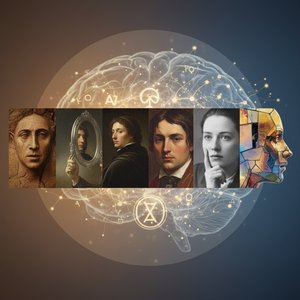
Reflecting the Self: A History of Portraiture & Psychological Insight
Explore the fascinating history of self-portraiture from Renaissance masters like Dürer & Rembrandt to modern interpretations. Discover the psychological insights and artistic techniques behind these iconic works. Expert analysis for art enthusiasts.

The Enduring Legacy of Oil on Canvas: Technique, History & Aesthetic Impact
Explore the rich history & techniques of oil painting – from Renaissance masters to Impressionism. Discover pigments, layering methods, and why this timeless medium endures. Expert insights for artists & art enthusiasts.

Az olajfestészet örökös hagyatéka: technika, történelem és kortárs gyakorlat
Fedezze fel az olajfestészet történetét, technikáit és a kortárs művészeti trendeket! Szakértői útmutatók, híres festők alkotásai és tippek az olajfestmény ápolásához. Inspirálódjon most!

Oil on Canvas: A Historical & Technical Exploration of a Timeless Artistic Medium
Explore the rich history & enduring techniques of oil painting on canvas. Discover the science behind its longevity, conservation practices, and contemporary relevance. Expert insights for art enthusiasts.