Előnézet
 Megosztás
 Megosztás
 Részletek
 Útmutató

 Letöltés
 Hasonló darabok
 X-ray felvétel
 Diavetítés
 Statisztika
Parnassus (study)


 Tovább olvasom
Giclée / Műnyomat
Múzeumi minőségű giclée vagy vászonnyomat, gyors gyártással és rugalmas finomítási lehetőségekkel. ( Kézzel festett másolat vásárlása Áttérés digitális képre)




P118B Ft10

P118H Ft10

P118W Ft10

P438Z Ft10

P508JH Ft12

P508YH Ft12

P805H Ft10

P805Z Ft10

P919BZ Ft10

P919G Ft10

P919XJ Ft10

P959ZH Ft10

P968JZ Ft12

W106C Ft8

W218G Ft10

W218JH Ft8

W218Y Ft10

W307PJ Ft10

W316G Ft10

W316PJ Ft8

W316Y Ft10

W398PJ Ft8

W4111J Ft10

W500HY Ft15

W500JH Ft15

W692G Ft12

W849H Ft8

W940BG Ft15

W953PJ Ft8




Válasszon előre meghatározott méreteink közül, amelyek megfelelnek a műalkotás eredeti arányainak.

Írja be a keretének vagy a falának megfelelő szélességet és magasságot. A nyomatot csak le lehet vágni, soha nem tehető nagyobbá, mint az eredeti kép, így egy eltérő alakú méretnél a kép egy része elveszik. Mielőtt bármit kinyatintanánk, küldünk egy digitális próbamodellt jóváhagyásra. Az oldalon látható kép nem tartalmazza a valós levágást — ezt csak a próbamodell mutatja meg.
Világszerte történő kiszállítás területére mindössze 2 hét alatt, a szokásos 4-5 hét helyett. (24 október)

Ingyenes globális expressz szállítás

Prémium minőségű len vászon

Teljes körű szállítási biztosítás

Vámvisszatérítési Garancia

Tökéletes színarányosság garancia

100 napos visszaküldési garancia (csak gyártási hibás termékek esetén)

100% pénzvisszatérítési garancia

Több darab vásárlásakor kedvezmény
 Az üvegkeretes opció csak 110 cm alatti méretben érhető el

Parnassus (study)
Giclée / Műnyomat
Reprodukció méretei
-


Összesített ár
Ft 25718
A Glimpse of Enlightenment: Anton Raphael Mengs’ “Parnassus (Study)”
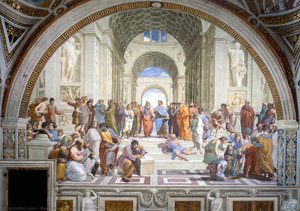
Anton Raphael Mengs' "Parnassus (Study)," painted in 1760, isn’t merely a depiction of a classical scene; it’s a carefully constructed meditation on knowledge, aspiration, and the burgeoning spirit of Neoclassicism. This intimate study, far removed from the grand scale of his later frescoes, offers an unparalleled intimacy with Mengs' artistic process – a rare opportunity to witness the genesis of a masterpiece. The painting captures a gathering around a statue of Apollo, the mythical patron of the arts and sciences, surrounded by figures engaged in various intellectual pursuits. It’s a tableau vivant, brimming with quiet contemplation and subtle gestures that speak volumes about the era’s fascination with reviving classical ideals.
The Neoclassical Composition: Harmony and Restraint
Mengs' style here is distinctly Neoclassical, reflecting the artistic currents of 18th-century Europe. He meticulously adheres to the principles established by artists like Raphael and Michelangelo – a commitment to clarity, balance, and idealized forms. The composition is remarkably ordered; figures are arranged with deliberate precision, creating a sense of harmonious equilibrium. Note the careful use of light and shadow, which sculpts the forms and directs the viewer’s eye across the scene. The muted palette—dominated by earthy tones of ochre, brown, and grey—further enhances the painting's sense of restraint and intellectual seriousness. The background is deliberately vague, emphasizing the figures themselves and drawing attention to their interactions.
- Apollo’s Centrality: The statue of Apollo serves as the undeniable focal point, radiating an aura of authority and wisdom.
- The Muses' Presence: Flanking Apollo are the nine Muses, each embodying a different artistic discipline – poetry, music, dance, etc. Their graceful poses and attentive gazes suggest their role as guides and inspiration for the assembled scholars.
- Diverse Figures: The gathering includes philosophers, poets, musicians, and artists, representing the breadth of intellectual pursuits valued during this period.
Symbolism Woven into Detail: Bananas and Beyond
Beyond the obvious references to classical mythology and philosophy, “Parnassus (Study)” is rich in subtle symbolism. The inclusion of two bananas – a rather unexpected detail – has sparked considerable debate among art historians. Some interpret them as representing the fruits of knowledge, while others see them as a playful nod to contemporary trends or even a commentary on the fleeting nature of beauty and pleasure. The bowl on the table, filled with fruit, reinforces this theme of abundance and nourishment for the mind. The careful placement of each object contributes to the painting’s layered meaning, inviting viewers to engage in a deeper interpretation.
A Window into Mengs' Process: Intimacy and Reflection
What truly distinguishes “Parnassus (Study)” is its intimate scale and evident preparatory nature. It’s not a finished masterpiece but rather a study, a glimpse into Mengs’ creative process. The brushstrokes are visible, revealing the artist's hand at work – a testament to his dedication and meticulous attention to detail. The painting exudes a sense of quiet reflection, suggesting that Mengs was not simply documenting a scene but grappling with fundamental questions about art, knowledge, and the role of the individual within society. It’s a poignant reminder that even in grand artistic endeavors, the most profound insights often emerge from moments of focused contemplation.
Reproductions of “Parnassus (Study)” offer a remarkable opportunity to bring this captivating artwork into your home or office. Each carefully crafted reproduction captures the painting's nuanced details and evocative atmosphere, allowing you to appreciate Mengs’ genius for generations to come.
Gyakran Ismételt Kérdések
Mikor készült a "Parnassus (study)", és mely művészeti irányba tartozik?
A "Parnassus (study)" alkotása 1760-ben készült, a Neoclassical irányzat részeként.
Hogyan ötvöli a technika és a stílus magát a "Parnassus (study)" alkotást?
A "Parnassus (study)" alkotásban a Acrylic On Canvas technika találkozik a Neoclassical irányzattal.
Mennyire fényes „Parnassus (study)”, Anton Raphael Mengs alkotása?
A „Parnassus (study)”, Anton Raphael Mengs alkotása alkotás Soft Shadow fényerőséggel rendelkezik. A fényerő azt mutatja meg, hogy a színek mennyire tűnnek visszafényesnek.
A művész életrajza
A Híd két világ között: Anton Raphael Mengs élete és művészete
Anton Raphael Mengs az európai művészet izgalmas korszakában jött létre, egy olyan időszakban, amikor a rokokó díszes sallangai már kezdtettek átadni helyet a klasszikus ideálok megújuló tiszteletének. 1728-ban született Útost nad Labem városában,ව Bohémiában – egy régióban, amely ma már része Csehországnak –, művészeti útja pedig mélyen meghatározta egyszerre családi öröksége és a felvilágosodás intellektuális áramlata. Édesapja, Ismael Mengs, egy dán festő, aki megbízást kapott a drezda népes udvarán, korán felismerte fiatal Anton kivételes tehetségét. Ez az elismerés 1741-ben egy döntő fontosságú változáshoz vezetett: átköltöztek Rómába, ahol a feltörekvő művész elmerült az ősi mesterművek és a reneszánsz nagymesterek, például Raphael műveinek tanulmányozásában. Ez a tapasztalás örökre megpecsételte esztétikai érzékelését, mély reverenciát suttogva a klasszikán klasszikus formák, a tisztaság és az összetétel iránt – tulajdonságok, amelyek érett stílusának jellegzetességeivé váltak. Korai éveit aprólékos másolásra szentelte, ami nem csupán technikai gyakorlat volt, hanem egy mély művészeti zarándoklat, amely során befogadta Raphael géniuszának lényegét.Drezdától Madridig: Karrier az udvarokon keresztül
Mengs pályafutása számos neves európai udvaron bontakozott ki, amelyek mindegyik egyedi nyomot hagytak művészeti fejlődésében. 1749-ben tekintélyes pozíciót szerzett Szászország választóherce, Friedrich Ágost udvari festőjeként, egy olyan szerepkörben, amely egyszerre biztosított számára anyagi stabilitást és a szabadságot, hogy Rómában – művészeti inspirációja epicentrumában – tarthassa fenn állomását. Azonban az ő hírnevét valódi érdemével megalapozó freskói voltak. A római Villa Albani épületében található, körülbelül 1761 körül készült Parnasszus azonnali szenzációvá vált, dicsérve harmonikus kompozícióját, elegáns alakjait és a klasszikus mitológia finoman, mégis erőteljes felidézését. Ez a mű nem csupán dekoratív díszítés volt; egy kijelentés volt – tudatos kísérlet a barokk monumentális nagyság és az emerging neoklasszicizmus elveinek szintézisére. Ezt követték további megrendelések, többek között a római Szent Szebasztián templom kupoláját dísztelende lenyűgöző freskó, amely bebizonyította mesteri tudását a monumentális dekoráció és a térbeli illúziók terén. Talán legambiciózusabb vállalkozása egy 1761-es spanyol udvari meghívással kezdődött. Madridba utazott, ahol több királyi palota díszítésére kapott feladatot, aminek csúcspontja a Királyi Palota bankett-terem pompás mennyezete lett – egy alkotás, amelyet legnemesebb teljesítményei közé sorolnak, demonstrálva extraordinary képességét az olasz elegancia és a spanyol érzékiség ötvözésére.A Winckelmann-kapcsolat: A neoklasszikus gondolkodás formálása
Mengs művészeti fejlődése nem csupán vizuális tanulmányokra épült; mélyen összefonódott az intellektuális diskurzusokkal is. Egy döntő fordulópontot jelentett szoros barátsága és együttműködése Johann Joachim Winckelmannal, a felfedező művészettörténészsel, akinek írásai alapvetővé váltak a neoklasszicizmus mozgalom számára. Winckelmann az ősi görög művészet érzetelt tisztaságának és egyszerűségének visszatérését hirdette, egy olyan esztétikát szorgalmazva, amely a részvételre, a rendre és az idealizált formákra épül. Mengs nem csupán Winckelamiseks illusztrálta el az elméleteket; aktívan részt vett azok formálásában, átfordítva az absztrakt fogalmakat hús-vér művészeti kifejezésekké. Együtt hittettek abban, hogy a valódi szépség nem a felszínes díszítésben, hanem az ősi antikvitásban található harmónia és arány alapvetőbb elveiben rejlik. Ez a partnerség túlmutatott a teoretikus diskurzusokon; megnyilvánult magában a festményekben is, amelyek egyre inkább tükrözték Winckelmann nemes egyszerűségre és visszafogott érzelmekre vonatkozó hangsúlyát. A hatás kölcsönös volt: Winckelmann írásai filozófiai keretet szolgáltattak Mengs művészeti törekvéseihez, míg Mengs művészete a neoklasszicista ideálok életképességének és szépségének vizuális bizonyítékaként szolgált.Örökség és hatás: Korának úttörője
Anton Raphael Mengs 1779-ben halt meg Rómában, olyan örökséget hagyva hátra, amely messze túlmutat impozáns művészi gyűjteményén. Több volt, mint egy egyszerű festő; kulcsfontosságú alakja volt az egyik művészeti korszak átmenetelének a másikba. Bár a barokk hagyományokban gyökerezett – ami látható a fény és árnyék drámai használatában és az illúziós technikák mesteri tudásában –, Mengs bátran befogadta a neoklasszicizmus megjelenő elveit, utat nyitva olyan művészek előtt, mint Jacques-Louis David vagy Antonio Canova. A klasszikus ideálok hangsúlyozása, technikai virtuozitással kombinálva, meghatározó erővé tette őt az 18. századi művészet alakításában. A Northumberland herceg számára festett Az Atén iskola bizonyságát szolgáltatja annak képességének, hog려서 képes összeegyeztetni a történelmi előzményeket a kortárs művészi érzékiséggel. Festményein és freszkéin túl pengaruhása a oktatás területére is kiterjedt; a Vatikáni Festőiskola igazgatójaként szolgált, és klasszikus alapelvekben jártas új művészgenerációt nevelt fel. Ö komplex alak volt – egy áhitatos katolikus, aki egyaránt kapcsolódott a felvilágosodás gondjaivhoz, egy művész, aki egyensúlyt teremtett a hagyomány és az innováció között. Élete és művészete a művészi készség, az intellektuális kíváncsiság és a történelmi körülmények lenyűgöző metszéspontját képviseli, megszilárdítva helyét a neoklasszicista művészet igazi úttörőjeként. Hatása még ma is érezhető, emlékeztetve minket a klasszikus ideálok maradandó erejére, amelyek képesek inspirálni és átalakítani a művészi kifejezést.
Anton Raphael Mengs
1728 - 1779 , Czech Republic
Gyors információk
- Artistic Movement Or Style: Neoklasszicizmus
- Artists Or Movements Influenced By This Artist: ['Winckelmann']
- Artists Who Influenced This Artist:
- Raphael
- Correggio
- Date Of Birth: 1728. március 12.
- Date Of Death: 1779. június 29.
- Full Name: Anton Raphael Mengs
- Nationality: német
- Notable Artworks:
- A Pertent Magdalene
- Parnassus
- Place Of Birth: Ústí nad Labem, Csehország
Kapcsolódó cikkek
The Timeless Elegance of Academic Classicism: A Journey Through Order, Precision, and the Pursuit of Perfection
Explore the profound beauty of Academic Classicism. Discover how masters used order, precision, and classical ideals to achieve timeless perfection in art history, from Neoclassical portraits to the pursuit of ideal beauty.
The Enduring Legacy of Classicism: Principles, Evolution & Influence in Western Art
Explore the enduring legacy of Classicism in Western art! Discover its historical context, key principles, iconic masterpieces & lasting influence. Learn about Renaissance and Neoclassical movements with OriginalUniqueArt.

Neoclassical Art: The Ultimate Guide to Timeless Power, Precision, and the Classical Ideal
Master the elegance of Neoclassical art with our expert guide. Explore the transition from Rococo to classical order, discover legendary masters, and learn how to bring timeless Greco-Roman precision and grandeur into your modern collection through premium hand-painted reproductions.

A Neoklasszicizmus 10 Mesterműve: Klasszikus Stílusú Festmények és Dekorációk a OriginalUniqueArt-on
Fedezze fel a neoklasszicizmus 10 legikonikusabb műalkotását! Jacques-Louis David, Ingres és más mesterek klasszikus festményeinek története. Vászonképek, faliképek - inspirálja otthonát OriginalUniqueArt.com kínálatával! Fedezze fel a teljes gyűjteményt online.

Neoclassical Art: The Timeless Elegance of Order, Virtue, and Classical Grace
Explore the profound elegance of Neoclassical art. Discover the principles of order, symmetry, and virtue through the works of masters like David and Mengs. Immerse yourself in a journey of classical grace and timeless aesthetic perfection.