
 Megtekintés
 Küldés
 Megosztás
 Részletek
 Útmutató

 Letöltés
 Hasonló darabok
 X-ray felvétel
 Diavetítés
 Kérdések és válaszok
 Statisztika
Panther seizing a stag


 Összes részlet megjelenítése
Giclée / Műnyomat
Múzeumi minőségű giclée vagy vászonnyomat, gyors gyártással és rugalmas finomítási lehetőségekkel. ( Kézzel festett másolat rendelése Áttérés digitális képre)




P118B Ft10

P118H Ft10

P118W Ft10

P438Z Ft10

P508JH Ft12

P508YH Ft12

P805H Ft10

P805Z Ft10

P919BZ Ft10

P919G Ft10

P919XJ Ft10

P959ZH Ft10

P968JZ Ft12

W106C Ft8

W218G Ft10

W218JH Ft8

W218Y Ft10

W307PJ Ft10

W316G Ft10

W316PJ Ft8

W316Y Ft10

W398PJ Ft8

W4111J Ft10

W500HY Ft15

W500JH Ft15

W692G Ft12

W849H Ft8

W940BG Ft15

W953PJ Ft8




Válasszon előre meghatározott méreteink közül, amelyek megfelelnek a műalkotás eredeti arányainak.

Írja be a keretének vagy a falának megfelelő szélességet és magasságot. A nyomatot csak le lehet vágni, soha nem tehető nagyobbá, mint az eredeti kép, így egy eltérő alakú méretnél a kép egy része elveszik. Mielőtt bármit kinyatintanánk, küldünk egy digitális próbamodellt jóváhagyásra. Az oldalon látható kép nem tartalmazza a valós levágást — ezt csak a próbamodell mutatja meg.
Világszerte történő kiszállítás területére mindössze 2 hét alatt, a szokásos 4-5 hét helyett. (8 november)

Ingyenes globális expressz szállítás

Prémium minőségű len vászon

Teljes körű szállítási biztosítás

Vámvisszatérítési Garancia

Hiteles színarányosság garancia

100 napos visszaküldési lehetőség (csak hibás termékek esetén)

100% pénzvisszatérítési garancia

Több darab vásárlásakor kedvezmény
 Az üvegkeretes opció csak 110 cm alatti méretben érhető el

Panther seizing a stag
Giclée / Műnyomat
Reprodukció mérete
-


Összesített ár
Ft 26415
A Raw Display of Power: Antoine Barye’s “Panther Seizing a Stag”
Antoine-Louis Barye's "Panther Seizing a Stag" is not merely a depiction of an animal hunt; it’s a visceral embodiment of primal struggle, a testament to the sculptor’s profound understanding of anatomy and his ability to infuse bronze with a palpable sense of drama. Completed around 1800, this monumental work stands as a cornerstone of the French Romantic movement, capturing a moment of brutal intensity that resonates far beyond its subject matter. Barye, deeply influenced by the natural world and driven by an almost obsessive desire to portray animals in their most authentic and dynamic states, meticulously studied specimens at the Jardin des Plantes and even participated in animal dissections – practices considered unusual for an artist of his time – to achieve this unparalleled level of realism.
The composition itself is a masterclass in controlled chaos. The panther, rendered with a muscularity that borders on violent exaggeration, dominates the left side of the frame, its powerful paws clamped firmly around the stag’s body. Notice the subtle shifts in musculature – the coiled tension in the shoulders, the straining neck, the focused intensity of the eyes. The stag, though struggling desperately, retains a dignity and nobility, his posture conveying both fear and defiance. Barye doesn't shy away from the brutality of the encounter; the textures of the fur, the glistening sheen of the panther’s hide, and the raw, exposed flesh of the wounded animal are all rendered with astonishing detail. The bronze itself is not smoothed or polished; it retains a deliberately rough surface, mirroring the chaotic energy of the scene and adding to its dramatic impact.
The Animalier Tradition and Barye's Innovation
Barye’s work firmly establishes him as a pioneer within the *animalier* tradition – a movement dedicated to elevating animals as subjects worthy of serious artistic consideration. Prior to Barye, animal sculpture often served primarily decorative or allegorical purposes. However, Barye sought to depict animals not as symbols, but as living beings with their own inherent drama and power. He moved away from idealized representations, favoring instead a brutally honest portrayal of their physicality and behavior. This shift was revolutionary, reflecting the Romantic fascination with nature’s untamed beauty and the darker aspects of human existence.
His approach was deeply informed by his study of anatomy – not just the skeletal structure, but also the subtle nuances of muscle movement and skin texture. He wasn't simply copying what he saw; he was striving to capture the *essence* of the animal’s struggle, its instinctual drive for survival. This commitment to anatomical accuracy, combined with his expressive use of line and form, distinguishes Barye’s work from earlier depictions of animals in sculpture.
Symbolism and Romantic Ideals
While seemingly a straightforward depiction of a predatory hunt, “Panther Seizing a Stag” carries deeper symbolic weight. The scene can be interpreted as an allegory for the struggle between life and death, strength and vulnerability, predator and prey – themes central to the Romantic worldview. The panther, often associated with darkness, power, and instinct, represents the forces of nature, while the stag embodies nobility, grace, and resilience. The act of seizing is not merely a violent encounter; it’s a fundamental assertion of dominance within a natural hierarchy.
Furthermore, Barye's work reflects the Romantic fascination with the sublime – that feeling of awe and terror inspired by encounters with overwhelming natural forces. The sheer power and intensity of the scene evoke a sense of both danger and beauty, reminding us of humanity’s smallness in the face of nature’s grandeur. The bronze itself, a material associated with permanence and strength, reinforces this theme.
A Legacy of Dramatic Bronze Sculpture
“Panther Seizing a Stag” remains one of Barye's most celebrated works, exemplifying his mastery of technique and his profound understanding of animal behavior. It’s a powerful reminder of the Romantic movement’s embrace of raw emotion, dramatic intensity, and the untamed beauty of the natural world. Reproductions of this iconic sculpture continue to captivate audiences today, offering a glimpse into the artistic vision of one of France's most influential sculptors. Its dynamic composition and evocative portrayal of struggle make it an enduring symbol of power, vulnerability, and the eternal dance between predator and prey.
Kérdések és válaszok
Menny amountnyi fényt tűnik úgy vissza a "Panther seizing a stag" színei?
A „Panther seizing a stag”, Barye (Antoine-Louis) alkotása alkotás Luminous fényerőséggel rendelkezik. A fényerő azt mutatja meg, hogy a színek mennyire tűnnek visszafényesnek.
Melyik szín tűnik ki leginkább a(z) "Panther seizing a stag" alkotásból?
A(z) Phthalo Green (#26251c) a(z) „Panther seizing a stag”, Barye (Antoine-Louis) alkotása domináns színe.
Hová sorolható a Barye (Antoine-Louis) pályájának mely szakaszába a "Panther seizing a stag"?
Barye (Antoine-Louis) pályaművében a „Panther seizing a stag” a Mature Period korszakba tartozik. Ez az időszak segít összehasonlíthatóvá tenni a művet a művész többi alkotásával.
A művész életrajza
Antoine-Louis Barye: Az Élővilág Szobrásza, a Romantika Kiválósága
Antoine-Louis Barye, akit 1795. szeptember 24-én Párizsban fogadták örömmel, a 19th századi szobrászat egyik legkiemelkedőbb alakjává vált. Nem csupán állatokat ábrázolt; műveibe drámai feszültséget és páratlan anatómiai pontosságot sugározott, ezzel indítva el az *animalier* művészeti irányzatot – a kifejezetten állatok formájára összpontosító művészi kifejezést. Barye útja nem egy szobrászműhelyben kezdődött, hanem aranyozó mesterként, apja nyomán. Ez a korai képzés alaposságra és technikai tudásra tanította, ami később páratlanul hasznos volt számára. Képességeit François-Joseph Bosio és Baron Antoine-Jean Gros szobrászoknál továbbfejlesztve elsajátította a klasszikus elveket, miközben egyedi romantikus érzékenységet is fejlesztett ki. A képzőművészeti iskola (École des Beaux-Arts) megalapozta tudását, de találkozása az élővilággal – konkrétan a Jardin des Plantes párizsi állatkertjében 1823 körül – igazán felgyújtotta művészi vízióját.A Fémből Faragó és az Állatrajzos: Egyedi Stílus Fejlődése
Barye elkötelezettsége az állatok megfigyelésében fanatikus volt. Nem csupán pillantásokat vetett rájuk; tanulmányozta, rajzolta, és aprólékosan elemezte az anatómiájukat, mozgásukat és viselkedésüket. Ez a realizmus iránti elkötelezettség nem volt rideg vagy klinikai, hanem a romantikus mozgalom érzelmi hevességével átszőtt. Korai munkái, mint például az „Milo of Crotana Devoured by a Lion” (1819) és a „Hercules with the Erymanthean Boar” (c. 1820), amelyek még tanulóként készültek, már sejlettették a dinamikus kompozíciók és drámai narratívák iránti tehetségét. De az "Tiger Devouring a Gavial Crocodile" (1831) – egy monumentális gipszszobor, ami szenzációt keltett a Szalonban – és az „Lion Crushing a Serpent” (1832), bronzból készült alkotás tette meg igazán ismertté Barye jellegzetes stílusát. Ezek nem voltak merev ábrázolások; nyers erő pillanatai, amelyek időben megdermedtek, megragadva a természet küzdelmének brutális szépségét. Túlment a puszta utánzáson, hogy közvetítse az állatvilág lényegét – erejüket, mozgékonyságukat és szelídséget nem ismerő szellemüket. Munkái rezonáltak a vad és egzotikus iránti növekvő közérdeklődéssel, tükrözve a civilizáció korlátaitól való romantikus vágyat.Főbb Művek és Monumentális Megbízások
Karrierje során Barye lenyűgöző mennyiségű szobrot alkotott, mindegyik bizonyítva páratlan képességét az állat formájának és mozgásának megragadásában. A legendássá vált „Tiger Devouring a Gavial Crocodile” és a „Lion Crushing a Serpent” mellett olyan remekművek, mint a "Theseus and the Minotaur" (1843), “Roger and Angelica on the Hippogriff” (1846), “Lapitha and Centaur” (1848) és “Jaguar Devouring a Hare” (1850) bemutatták sokoldalúságát és képzelőerejét. Nem korlátozódott a kisebb méretű bronzok ábrázolására; monumentális alkotásokon is dolgozott, mint például a „Lion of the Column of July”, amely a francia ellenállás szimbóluma, valamint a Tuileries kertjébe Franciaországban elhelyezett szobrok. Ezek a nagyméretű projektek azt mutatták meg, hogy hogyan tudja művészi vízióját a közszolgálati művészetbe átültetni, megerősítve ezzel hírnevét Franciaország egyik vezető szobrászának.Hatások, Küzdelmek és Tartós Fontosság
Barye munkássága különböző hatások keveréke volt. A romantika érzelmi hangsúlyozása érezhető a szobrai drámai feszültségében. Ugyanakkor klasszikus művészetből is merített inspirációt, ami az anatómiai pontosságra és idealizált formákra való figyelmében mutatkozik meg. Ami azonban igazán megkülönböztette őt másoktól, az a tudományos megközelítése a megfigyeléshez – közvetlen eredménye a Jardin des Plantes-ban töltött számtalan órának, ahol állatokat tanulmányozott. Bár kritikusi elismerést kapott, Barye élete nem volt nehézségek nélkül. Karrierje során anyagi problémákkal küzdött, amit részben rossz üzleti érzékenysége okozott. A 1848-as csőd arra kényszerítette, hogy eladja a mintáit és formáiit, ami idővel olyan gyenge minőségű másolatok áradásához vezetett, amelyek károsították a hírnevét. Némi stabilitást szerzett magának 1854-ben, amikor a Természetrajzi Múzeum rajz oktatója lett, de csak halála után kapták meg teljes jogdíját. Antoine-Louis Barye ma az modern állat szobrászat atyjának tekintik. A későbbi generációk művészeire gyakorolt hatása vitathatatlan, és a művei erejükért, realizmusukért és időtálló szépségükért vannak elismertek. Ezzel a *animalier* műfajt egy szűk területen belülről kiemelkedő művészeti kifejezési formává emelte, maradandó nyomot hagyva a szobrászat történetében. Öröksége továbbra is áhítattal és csodálattal tölti el a gyűjtőket és múzeumokat szerte a világon.
Barye (Antoine-Louis)
1796 - 1875 , Franciaország
Rövid információk
- Halálozási Dátum: 1875. június 25.
- Jelentős Művek:
- Tiger Devouring a Gavial
- Lion Crushing a Serpent
- Theseus and the Minotaur
- Roger & Angelica
- Lapitha and Centaur
- Jaguar Devouring Hare
- Művészek, Akik Hatással Voltak Rá:
- Francois-Joseph Bosio
- Baron Antoine-Jean Gros
- Művészek/Mozgások, Amelyeket Befolyásolt: ['Állatszobrászok']
- Művészeti Irányzat: Romantizmus
- Nemzetiség: Francia
- Születési Dátum: 1795. szeptember 24.
- Születési Hely: Párizs, Franciaország
- Teljes Név: Antoine-Louis Barye
Kapcsolódó cikkek

The Enduring Legacy of Bronze: History, Technique & Artistic Expression for the Collector
Explore the rich history & enduring appeal of bronze sculpture with expert insights for collectors at OriginalUniqueArt. Learn about casting techniques, iconic artists, and collecting tips.

The Enduring Legacy of Bronze: A Historical & Artistic Exploration for the Collector
Explore the rich history & enduring appeal of bronze sculpture with expert insights for collectors at OriginalUniqueArt. Learn about casting techniques, iconic artists, collecting tips & contemporary interpretations.

A művészettörténet 10 legikonikusabb bronzszobra – OriginalUniqueArt.com
Fedezze fel a művészettörténet 10 legikonikusabb bronzszobrát! Ismerje meg Rodin, Michelangelo és más mesterek alkotásait. Luxus minőségű reprodukciók otthonába – OriginalUniqueArt.com.

A művészettörténet 10 legikonikusabb bronzszobra – OriginalUniqueArt.com
Fedezze fel a művészettörténet 10 legikonikusabb bronzszobrát! Ismerje meg Rodint, Michelangelót és más mestereket. Luxus minőségű nyomatok otthonába – OriginalUniqueArt.com.
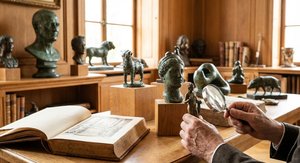
The Enduring Legacy of Bronze Sculpture: A Collector's Guide to Form & Cultural Significance
Explore the rich history & enduring appeal of bronze sculpture with expert insights for collectors at OriginalUniqueArt. Learn about casting techniques, iconic artists, and collecting tips to build a discerning art collection.

