Baroque · 1592
Pan (Annibale Carracci, 1592)
Annibale Carracci (1560–1609) alkotása: Pan 1592-ből származik. A Baroque irányzathoz tartozik. Oil On Canvas anyagból készült. A műtárgyat a Melbourne, Australia-i National Gallery of Victoria-ben őrzik. Mérete 109 × 135 cm.
- 1592
- Oil On Canvas
- 109 × 135 cm
- National Gallery of Victoria, Melbourne

 Megtekintés

 Kézzel festett olajfestmény
 Küldés
 Megosztás
 Információs lap


 Letöltés
 Hasonló darabok
 X-ray felvétel
 Diavetítés
 Kérdések és válaszok

 Statisztika
Pan röviden
- Cím
- Pan
- Művész
- Annibale Carracci (1560–1609)
- A művész születési helye
- Bologna, Olaszország
- Dátum
- 1592
- Műszaki adatok
- Oil On Canvas
- Méretek
- 109 × 135 cm
- Megtekinthető helyszín
- National Gallery of Victoria, Melbourne, Australia
- Mozgalom
- Baroque
- Téma
- pan, greek god, mythology, carracci, foreshortening, renaissance
Mit ábrázol a Pan?
A Vision of Rustic Divinity: Annibale Carracci’s Pan
Annibale Carracci's "Pan," painted circa 1592, is not merely a depiction of the Greek god; it’s an embodiment of primal nature, a vibrant assertion of earthly delight rendered with breathtaking technical skill and imbued with the burgeoning spirit of the Bolognese school. This painting transcends simple portraiture, offering instead a glimpse into a world teeming with instinct, fertility, and the intoxicating allure of the wild. Commissioned by Cesare d'Este for his opulent Palazzo dei Diamanti in Ferrara – a palace itself reflecting the lavish tastes of the Renaissance court – “Pan” was intended to be part of a larger decorative scheme, a carefully orchestrated symphony of classical mythology designed to evoke grandeur and celebrate the power of the Este family.
Carracci’s genius lies in his masterful manipulation of perspective and color. The scene unfolds with a dramatic *di sotto in sù* foreshortening – a technique borrowed from earlier Renaissance masters but perfected by Carracci – that draws the viewer into the god's immediate presence. Pan, seated atop a ram or goat (the animal’s identity deliberately ambiguous), is presented not as an imposing deity, but as a youthful, almost mischievous figure. His pose is relaxed, his expression playful, and his limbs are rendered with a remarkable sense of naturalism that distinguishes this work from the more idealized depictions prevalent at the time. The rich palette – dominated by earthy reds, ochres, and greens – creates a tactile quality, inviting the viewer to almost feel the warmth of the Italian sun on Pan’s skin and the rough texture of his attire.
The Language of Symbolism
Pan, in Greek mythology, is the god of shepherds, flocks, wild animals, music, and revelry. He embodies the untamed spirit of nature, a force both alluring and potentially dangerous. Carracci’s portrayal captures this duality perfectly. The ram or goat beneath Pan isn't simply an animal; it represents fertility, abundance, and the cyclical rhythms of life and death – essential themes within the context of the Renaissance fascination with classical antiquity. The inclusion of the pipe, a traditional instrument associated with Pan, further reinforces his role as the patron of music and dance, suggesting a celebration of earthly pleasures.
Notably, the presence of the book or scroll in Pan’s hand hints at a deeper layer of meaning. While often depicted as a wild god, Pan was also associated with prophecy and knowledge – a connection that aligns with the intellectual climate of Renaissance Italy. The object could represent his ability to interpret the signs of nature, offering a glimpse into the mysteries of the world.
A Bridge Between Eras
“Pan” stands as a pivotal work in the transition from the High Renaissance to the Baroque period. Carracci’s embrace of naturalism and dramatic perspective – hallmarks of the Bolognese school – paved the way for the heightened emotional intensity and dynamic compositions that would characterize the Baroque style. His meticulous attention to detail, combined with his innovative use of *di sotto in sù* foreshortening, demonstrates a profound understanding of both classical principles and contemporary artistic trends. The painting’s placement within a larger decorative scheme further highlights its significance as a key element in the revival of classical art during the late 16th century.
A Timeless Appeal
More than four centuries after its creation, “Pan” continues to captivate viewers with its vibrant energy and evocative imagery. It’s a painting that speaks to our enduring fascination with nature, mythology, and the primal instincts that lie at the heart of human experience. Reproductions of this masterpiece offer an opportunity to bring this extraordinary vision into any setting, adding a touch of rustic divinity and timeless beauty to your home or office.
Melyik múzeumban található meg a Pan?
National Gallery of Victoria
Melbourne, Australia
Origins and History of the National Gallery of Victoria The National Gallery of Victoria was established in 1861. Its founding occurred during the gold rush era, a period of rapid growth for the colony. The institution began as a modest repository for plaster casts, intended to provide a connection to established artistic traditions from Europe.


Pan nagy felbontású képei

Felfüggesztett szerzői jogok: a művész 1609-ben halt meg.
Egyéb méretek, kivágások és idézetforrás →Annibale Carracci, Pan (1592), National Gallery of Victoria. Felfüggeszthető jogforrás
Pan kapcsán felmerülő kérdések megválaszolva
Hol látható ma a(z) „Pan”, Annibale Carracci alkotása?
A „Pan”, Annibale Carracci alkotása eredeti darabja a National Gallery of Victoria, Melbourne, Australia gyűjteményében található. A reprodukció lehetővé teszi, hogy a mű otthonában is megjelenjen.
Mikor készült a "Pan"?
A „Pan”, Annibale Carracci alkotása alkotása 1592-ben készült.
Milyen technikával készült a(z) „Pan”, Annibale Carracci alkotása?
A „Pan”, Annibale Carracci alkotása technikája Oil On Canvas. A reprodukciók célja ezen technika megjelenítésének hiteles återadása.
Mekkora a mérete az eredeti „Pan”, Annibale Carracci alkotása alkotásnak?
A „Pan”, Annibale Carracci alkotása eredeti mérete 109 x 135 cm.
Mit ábrázol a "Pan"?
A "Pan" alkotás tárgyai: pan, greek god, mythology, carracci, foreshortening, renaissance, baroque, deity.
Szabadon reprodukálható-e a/az „Pan”, Annibale Carracci alkotása képe?
A „Pan”, Annibale Carracci alkotása szerzői jogi státusza: a mű közösségi tulajdon – a szerzői jog lejártt. Ez határozza meg, hogy a kép másolatai szabadon készíthetők-e.
Mely művészhez köthető a "Pan"?
A "Pan" alkotását Annibale Carracci készítette. Az ezen az oldalon található információk Annibale Carracci eredeti művészetét mutatják be.
Milyen stílusba tartozik a "Pan"?
A "Pan" a Baroque egyik alkotása. A művészeti irány meghatározza azt a művészeti hagyományt, amelybe a mű beágyazódik.
A „Pan” Annibale Carracci pályájának mely szakaszát képviseli?
Annibale Carracci pályaművében a „Pan” a Mature Period korszakba tartozik. Ez az időszak segít összehasonlíthatóvá tenni a művet a művész többi alkotásával.
A művészről: Annibale Carracci
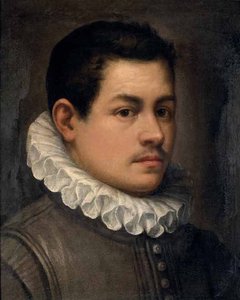
1560–1609, Olaszország
Annibale Carracci
Early Life and the Bolognese Roots Annibale Carracci, born in Bologna on November 3, 1560, emerged from a family deeply rooted in artistic tradition. His initial training likely unfolded within the nurturing environment of his familial workshop, laying the foundation for a career that would profoundly reshape the landscape of Italian painting. Bologna at this time was a vibrant hub of intellectual and artistic ferment, yet it felt somewhat distant from the dominant currents emanating from Rome and Venice. This sense of provincialism fueled a desire among a group of young artists—Annibale, his brother Agostino, and cousin Ludovico—to forge a new path, one that would revitalize Italian art by looking to the masters of the High Renaissance while simultaneously embracing a more naturalistic approach.
Annibale Carracci részletesen Annibale Carracci legkiemelkedőbb művei
Annibale Carracci további művei
 A babfőző Nap
 Heraklesz választása
 Hercules választása1596
 Szélvédő tájkép1589

Pan témában esszék
 The Language of Animals in Art: From Ancient Egypt to the RenaissanceExplore the profound history of animal symbolism from Egypt to the Renaissance. Trace these ancient motifs through art history now.
 Annibale Carracci: Bridging Renaissance Ideals & Baroque InnovationExplore the life & art of Annibale Carracci, a pivotal figure bridging Renaissance ideals with Baroque innovation. Discover his masterpiece…
 Divine Beauty: The 25 Most Iconic Masterpieces by Fra AngelicoJourney through the divine beauty of Fra Angelico's finest works. Explore 25 iconic Renaissance masterpieces, from ethereal frescoes to sac…