

 Előnézet
 Megosztás
 Megosztás
 Részletek
 Útmutató

 Letöltés
 Hasonló darabok
 X-ray felvétel
 Diavetítés
 Statisztika
Hercules választása
 Olajfestmény vászonon
- Falfeliratok és faldekoráció
- Baroque Drama
 1596
1596- Korai modern kor
 167.0 x 273.0 cm
 Capodimonte Múzeum
 Tovább olvasom
Giclée / Műnyomat
Múzeumi minőségű giclée vagy vászonnyomat, gyors gyártással és rugalmas finomítási lehetőségekkel. ( Kézzel festett másolat vásárlása Áttérés digitális képre)




P118B Ft10

P118H Ft10

P118W Ft10

P438Z Ft10

P508JH Ft12

P508YH Ft12

P805H Ft10

P805Z Ft10

P919BZ Ft10

P919G Ft10

P919XJ Ft10

P959ZH Ft10

P968JZ Ft12

W106C Ft8

W218G Ft10

W218JH Ft8

W218Y Ft10

W307PJ Ft10

W316G Ft10

W316PJ Ft8

W316Y Ft10

W398PJ Ft8

W4111J Ft10

W500HY Ft15

W500JH Ft15

W692G Ft12

W849H Ft8

W940BG Ft15

W953PJ Ft8




Válasszon előre meghatározott méreteink közül, amelyek megfelelnek a műalkotás eredeti arányainak.

Írja be a keretének vagy a falának megfelelő szélességet és magasságot. A nyomatot csak le lehet vágni, soha nem tehető nagyobbá, mint az eredeti kép, így egy eltérő alakú méretnél a kép egy része elveszik. Mielőtt bármit kinyatintanánk, küldünk egy digitális próbamodellt jóváhagyásra. Az oldalon látható kép nem tartalmazza a valós levágást — ezt csak a próbamodell mutatja meg.
Világszerte történő kiszállítás területére mindössze 2 hét alatt, a szokásos 4-5 hét helyett. (25 október)

Ingyenes globális expressz szállítás

Prémium minőségű len vászon

Teljes körű szállítási biztosítás

Vámvisszatérítési Garancia

Tökéletes színarányosság garancia

100 napos visszaküldési garancia (csak gyártási hibás termékek esetén)

100% pénzvisszatérítési garancia

Több darab vásárlásakor kedvezmény
 Az üvegkeretes opció csak 110 cm alatti méretben érhető el

Hercules választása
Giclée / Műnyomat
Reprodukció méretei
-


Összesített ár
Ft 25605
Heraklész választása: A barokk dráma egyik mesterműve
Heraklész választása Annibale Carracci művészi alkotása egy lenyűgöző mestermű, amely a barokk művészet pompásságát és érzelmi mélységét foglalja össze. Az 1596-ban készült festmény Carracci képességének bizonysága, amellyel a klasszikus mitológiát ötvözte a drámai történetmeséléssel.
Mitológiai dilemma
A festmény azt a döntő pillanatot ábrázolja, amikor a hő Heraklész választania kell a erényesség és az élvezet útja között. A jelenet gazdag szimbolikus jelentéssel telik: két nő kíséri, akik közül a jobb oldalon álló Erény ontozi őt a nehézségek mögötti dicsőség felé, míg a bal oldalon az Élvezet csábítja a bűnös utakra. Heraklész mögött egy pálma áll, amely a katonai győzelmet és a hírnevet jelképezi, miközben Pegasus, a szárnyas ló, a nehezebb út csúcson vár, mint az erényes választás jutalma.
Barokk ragyogás
Carracci barokk stílusa egyértelműen felismerhető a dinamikus kompozícióban, a fény és árnyék drámai használatában (chiaroscuro), valamint a figurák érzelmi intenzitásában. A festmény meleg, földszínekből álló színpalettája, amelyet a gazdag vörösek, barna és arany árnyalatai dominálnak, drámaiságot és azonosságérzetet áraszt. Az anyagok, a természeti elemek és az emberi alakok részletgazdag ábrázolása tovább növeli a festmény haptikus mélységét és realizmusát.
Történelmi jelentőség
Odoardo Farnese kardinális megbízásából készült, hogy díszítse camerino kezdeményezett mennyezetét a Farnese-palotában, Heraklész választása később a parmai Farnese hercegi székbe került. Michelangelo Szisztina-kápolnai freskói és Róma klasszikus emlékei, mint a Farnese-Heraklész és a Laokoön-csoport hatására jött létre ez a mű, amely Carracci egyik legkiemelkedőbb alkotásának tekinthető.
Érzelmi rezonancia
A festmény érzelmi hatása egy univerzális emberi dilemmában rejlik – az erény és az élvezet közötti választásban. A figurák kifejező pózjai és intenzív tekintete a nézőt is belevonja a jelenetbe, empátiát és elmélyült gondolkodást keltve életre. Ez a mestermű nemcsak Carracci technikai tudásáról tesz tanúskodást, hanem képességéről is, hogy mély érzelmi és morális témákat közvetítsen.
Miért válassza ezt a reprodukciót?
Heraklész választása ideális kiegészítő bármely művészeti gyűjteménybe vagy belsőépítészeti projektbe, amely klasszikus eleganciát és drámai lendületet kíván sugározni. Gazdag színei, részletgazdag kompozíciója és időtlen témája lenyűgöző központvá vá de, amely beszélgetést és csodálatot vált ki.
Hozzák a barokk művészet pompásságát otthonába ezzel az ikonikus mestermű kiváló minőségű reprodukciójával. Művészkedők, gyűjtők és belsőépítészek számára egyaránt tökéletes választás, hiszen a Heraklész választása a klasszikus mitológia és a művészi zsenialitás maradandó erejének bizonyítéka.
Gyakran Ismételt Kérdések
Milyen technika és milyen méret jellemzi az eredeti „Hercules választása”, Annibale Carracci alkotása alkotást?
A "Hercules választása" alkotás Olajfestmény vászonon technikával készült, eredeti mérete pedig 167 x 273 cm.
Mi magyarázza a „Hercules választása”, Annibale Carracci alkotása szerzői jogi helyzetét?
A "Hercules választása" szerzői jogi státusza - a joghallgatói schützenesség körébe tartozik – a szerzői jog lejártt - a művész 1609 évi halálából következik.
Milyen érzést közvetít ajándékként a "Hercules választása"?
A „Hercules választása”, Annibale Carracci alkotása Drámai hangulata tökéletesen illeszkedik a javasolt ajándékozási alkalomhoz: Évforduló.
A művész életrajza
Early Life and the Bolognese Roots
Annibale Carracci, born in Bologna on November 3, 1560, emerged from a family deeply rooted in artistic tradition. His initial training likely unfolded within the nurturing environment of his familial workshop, laying the foundation for a career that would profoundly reshape the landscape of Italian painting. Bologna at this time was a vibrant hub of intellectual and artistic ferment, yet it felt somewhat distant from the dominant currents emanating from Rome and Venice. This sense of provincialism fueled a desire among a group of young artists—Annibale, his brother Agostino, and cousin Ludovico—to forge a new path, one that would revitalize Italian art by looking to the masters of the High Renaissance while simultaneously embracing a more naturalistic approach.
In 1582, this ambition materialized in the establishment of the *Accademia degli Incamminati*, initially known as the Academy of the Desiderosi. This wasn’t merely a studio; it was a crucible for artistic innovation, a space dedicated to rigorous life drawing, spirited debate, and a collective pursuit of artistic excellence. The academy's name itself—the “Progressives”—signified their intent: to move beyond the stylistic complexities of Mannerism and chart a new course toward a more grounded, emotionally resonant form of expression. The Incamminati became a model for art academies across Europe, emphasizing observation from life as the cornerstone of artistic training.
A Synthesis of Styles and Influences
Carracci’s artistic vision wasn't born in a vacuum; it was meticulously crafted through a deep engagement with the legacies of past masters. He possessed an extraordinary ability to synthesize diverse influences, creating a style that felt both deeply rooted in tradition and strikingly original. He admired the clarity of line and compositional balance found in the works of Raphael and Andrea del Sarto, seeking to emulate their grace and harmony. Yet, he also recognized the power of color and atmospheric effects championed by Venetian painters like Titian, infusing his own work with a vibrant luminosity and emotional depth.
The influence of Correggio was particularly profound, evident in Carracci’s dynamic compositions and illusionistic techniques—especially those showcased in his frescoes. He wasn't simply copying these masters; he was absorbing their strengths and forging them into something new. This eclectic blend became the hallmark of the Bolognese School, a significant branch of Baroque art that emphasized both classical ideals and naturalistic observation. Carracci’s genius lay in his ability to reconcile seemingly disparate elements, creating a harmonious whole that resonated with both intellectual rigor and emotional power.
The Roman Triumph: Palazzo Farnese and Beyond
The invitation to decorate the Palazzo Farnese in Rome marked a pivotal moment in Annibale Carracci’s career. This monumental commission—a vast fresco cycle depicting scenes from mythology—provided him with an unparalleled opportunity to showcase his artistic prowess and establish his reputation on a grand scale. The *Triumph of Bacchus and Ariadne*, arguably his masterpiece, is a breathtaking display of illusionistic technique, dynamic composition, and vibrant color. The frescoes seem to dissolve the boundaries between painting and reality, drawing the viewer into a world of mythic grandeur.
Alongside the *Triumph*, Carracci also undertook *The Loves of the Gods* at Palazzo Farnese, further exploring themes of mythology and love with a blend of classical idealism and keen observation. These works weren’t merely decorative; they were statements about the power of art to elevate the human spirit and celebrate the beauty of the natural world. His success in Rome solidified his position as one of the leading artists of his time, attracting a stream of commissions and influencing generations of painters.
Legacy and Historical Significance
Annibale Carracci’s impact on art history is immeasurable. He played a crucial role in bridging the gap between the High Renaissance and the Baroque period, moving away from the stylized complexities of Mannerism toward a more dynamic, emotionally charged aesthetic. His emphasis on naturalism—on depicting figures with anatomical accuracy and psychological depth—paved the way for artists like Caravaggio, who would further revolutionize Italian painting with their dramatic use of light and shadow.
The Accademia degli Incamminati, founded by Carracci and his associates, served as a model for art academies throughout Europe, promoting artistic training based on observation and classical principles. His frescoes at Palazzo Farnese remain iconic examples of Baroque illusionism and artistic grandeur, continuing to inspire awe and admiration centuries after their creation. The collective legacy of the Carracci family—Annibale, Agostino, and Ludovico—is one of profound innovation and enduring influence, establishing Bologna as a major center for artistic creativity.
Carracci’s work wasn't simply about technical skill; it was about conveying emotion, telling stories, and celebrating the human experience. He sought to create art that was both beautiful and meaningful, capable of inspiring wonder and provoking thought. His legacy endures not only in his magnificent paintings but also in the enduring principles he championed: a commitment to observation, a reverence for tradition, and an unwavering belief in the power of art to transform the world.
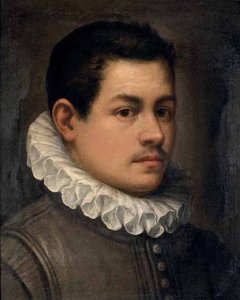
Annibale Carracci
1560 - 1609 , Olaszország
Gyors információk
- Artistic Movement Or Style: Barokk
- Artists Or Movements Influenced By This Artist:
- Correggio
- Mannerizmus
- Artists Who Influenced This Artist:
- Raffaello
- Andrea del Sarto
- Date Of Birth: November 3, 1560
- Date Of Death: July 15, 1609
- Full Name: Annibale Carracci
- Nationality: Olasz
- Notable Artworks:
- Triumph Bacchus
- Loves Gods
- Self-portrait
- Place Of Birth: Bologna, Itália
Kapcsolódó cikkek

The Dramatic Flourish: Exploring the Baroque Movement's Enduring Legacy in Art History
Explore the dramatic world of Baroque art! Discover iconic artists like Caravaggio & Rubens, defining techniques, and its lasting impact on art history. Expert insights for collectors & enthusiasts at OriginalUniqueArt.
Baroque Classicism: Reconciling Drama & Order in 17th-Century Art
Explore the captivating world of Baroque Classicism! Discover its history, key artists like Caravaggio & Rubens, and defining characteristics. Expert insights & high-quality reproductions at OriginalUniqueArt.

Barokk dráma: A nagyság és az érzelem bevonása a kortárs belső terekbe
Fedezze fel a barokk stílus nagyságát és drámáját! Ismerje meg a belsőépítészet jellegzetességeit, inspirálódjon híres enteriőrökből, és valósítsa meg álmai luxus otthonát szakértő útmutatásunkkal.
Guido Reni: A Study in Baroque Classicism & Artistic Perfection
Explore the life & work of Guido Reni, a master of Baroque classicism. Discover his iconic religious & mythological paintings, and understand his enduring influence on art history. Expert analysis for collectors.
Annibale Carracci: Bridging Renaissance Ideals & Baroque Innovation
Explore the life & art of Annibale Carracci, a pivotal figure bridging Renaissance ideals with Baroque innovation. Discover his masterpieces and lasting influence on Italian painting.


