

 Előnézet
 Megosztás
 Megosztás
 Részletek
 Útmutató

 Letöltés
 Hasonló darabok
 X-ray felvétel
 Diavetítés
 Statisztika
Christ in Glory
 Oil On Canvas
- WallArt
- Baroque Renaissance Revival
 1597
1597- Renaissance
 194.0 x 142.0 cm
 Tovább olvasom
Giclée / Műnyomat
Múzeumi minőségű giclée vagy vászonnyomat, gyors gyártással és rugalmas finomítási lehetőségekkel. ( Kézzel festett másolat vásárlása Áttérés digitális képre)




P118B Ft10

P118H Ft10

P118W Ft10

P438Z Ft10

P508JH Ft12

P508YH Ft12

P805H Ft10

P805Z Ft10

P919BZ Ft10

P919G Ft10

P919XJ Ft10

P959ZH Ft10

P968JZ Ft12

W106C Ft8

W218G Ft10

W218JH Ft8

W218Y Ft10

W307PJ Ft10

W316G Ft10

W316PJ Ft8

W316Y Ft10

W398PJ Ft8

W4111J Ft10

W500HY Ft15

W500JH Ft15

W692G Ft12

W849H Ft8

W940BG Ft15

W953PJ Ft8




Válasszon előre meghatározott méreteink közül, amelyek megfelelnek a műalkotás eredeti arányainak.

Írja be a keretének vagy a falának megfelelő szélességet és magasságot. A nyomatot csak le lehet vágni, soha nem tehető nagyobbá, mint az eredeti kép, így egy eltérő alakú méretnél a kép egy része elveszik. Mielőtt bármit kinyatintanánk, küldünk egy digitális próbamodellt jóváhagyásra. Az oldalon látható kép nem tartalmazza a valós levágást — ezt csak a próbamodell mutatja meg.
Világszerte történő kiszállítás területére mindössze 2 hét alatt, a szokásos 4-5 hét helyett. (25 október)

Ingyenes globális expressz szállítás

Prémium minőségű len vászon

Teljes körű szállítási biztosítás

Vámvisszatérítési Garancia

Tökéletes színarányosság garancia

100 napos visszaküldési garancia (csak gyártási hibás termékek esetén)

100% pénzvisszatérítési garancia

Több darab vásárlásakor kedvezmény
 Az üvegkeretes opció csak 110 cm alatti méretben érhető el

Christ in Glory
Giclée / Műnyomat
Reprodukció méretei
-


Összesített ár
Ft 25605
Annibale Carracci's Christ in Glory: A Baroque Masterpiece
- Subject: The painting depicts Jesus Christ at the apex of his divine power, presented in a moment of benediction and grace. His outstretched arms, a gesture universally recognized as blessing, command immediate attention, while surrounding figures – angels and devotees – participate in this sacred event.
- Style: Christ in Glory exemplifies the height of Baroque art, a style characterized by dramatic intensity, emotional fervor, and a masterful manipulation of light and shadow. Carracci’s work transcends mere representation; it aims to evoke profound spiritual experience within the viewer.
- Technique: Executed in oil on canvas, the painting showcases Carracci's exceptional technical skill. The meticulous detail in the drapery, the nuanced modeling of Christ’s form, and the atmospheric perspective create a remarkably realistic yet powerfully emotive scene. The artist employed *sfumato*, a technique perfected by Leonardo da Vinci, to soften edges and create an ethereal quality, particularly evident in the depiction of the clouds and the light illuminating Christ.
Historical Context and Artistic Significance
Created in 1597, Christ in Glory emerged from a pivotal moment in Italian art history. Annibale Carracci, along with his brother Agostino and cousin Ludovico, spearheaded a movement to revitalize the artistic landscape of Bologna after the Mannerist period. Rejecting the stylized forms of their predecessors, they sought inspiration in the High Renaissance masters – Raphael and Michelangelo – while simultaneously embracing a renewed commitment to naturalism and human emotion. This painting is not simply a religious depiction; it’s a testament to the burgeoning humanist spirit of 16th-century Italy, reflecting a desire to reconnect with classical ideals and express profound spiritual truths through accessible imagery. The inclusion of a clock within the scene adds another layer of complexity, subtly referencing the passage of time and the eternal nature of Christ's sacrifice.Symbolism and Composition
The composition of Christ in Glory is meticulously structured to convey layers of meaning. Christ’s central position immediately establishes his divinity, while his outstretched arms invite viewers into this sacred space. The surrounding figures – angels representing divine grace and the devotees symbolizing faith – reinforce the painting's devotional theme. Carracci masterfully utilizes perspective, drawing the eye towards Christ and creating a sense of depth within the scene. The use of color is equally significant; rich reds and golds evoke notions of royalty and divinity, while cooler tones in the background contribute to the overall dramatic effect.A Legacy of Baroque Grandeur
Annibale Carracci’s Christ in Glory stands as a cornerstone of Baroque art, influencing generations of artists who followed. Its impact extends beyond its aesthetic qualities; it represents a crucial moment in the rediscovery of classical ideals and the development of a distinctly Italian artistic language. Reproductions of this masterpiece offer an unparalleled opportunity to experience the power and beauty of Carracci’s vision – a vision that continues to resonate with viewers today. This painting is more than just a depiction of Christ; it's a window into the soul of a revolutionary artist and a testament to the enduring legacy of Baroque art. Size: 194 x 142 cm Date: 1597Gyakran Ismételt Kérdések
Hogyan tudok nyomtatványt vásárolni a(z) „Christ in Glory”, Annibale Carracci alkotása alkotásból?
A "Christ in Glory" minőségi giclée nyomat pamutvászonon vagy archiváló vászonpapíron formátumban is elérhető. A rendelést a Minőségi műalkotás nyomat oldalon lehet megtenni, a kívánt méretben.
Mely művész és mely stílus áll a "Christ in Glory" mögött?
Annibale Carracci a Baroque Renaissance Revival irányzatban alkototta meg a "Christ in Glory" című művét.
Miről szól a "Christ in Glory", és milyen hangulatot áraszt?
A „Christ in Glory”, Annibale Carracci alkotása a christ in glory, annibale carracci, baroque painting, religious scene, oil on canvas, italian art, galleria palatina elemeit ötvözi egy Dramatic hangulatú környezettel.
A művész életrajza
Early Life and the Bolognese Roots
Annibale Carracci, born in Bologna on November 3, 1560, emerged from a family deeply rooted in artistic tradition. His initial training likely unfolded within the nurturing environment of his familial workshop, laying the foundation for a career that would profoundly reshape the landscape of Italian painting. Bologna at this time was a vibrant hub of intellectual and artistic ferment, yet it felt somewhat distant from the dominant currents emanating from Rome and Venice. This sense of provincialism fueled a desire among a group of young artists—Annibale, his brother Agostino, and cousin Ludovico—to forge a new path, one that would revitalize Italian art by looking to the masters of the High Renaissance while simultaneously embracing a more naturalistic approach.
In 1582, this ambition materialized in the establishment of the *Accademia degli Incamminati*, initially known as the Academy of the Desiderosi. This wasn’t merely a studio; it was a crucible for artistic innovation, a space dedicated to rigorous life drawing, spirited debate, and a collective pursuit of artistic excellence. The academy's name itself—the “Progressives”—signified their intent: to move beyond the stylistic complexities of Mannerism and chart a new course toward a more grounded, emotionally resonant form of expression. The Incamminati became a model for art academies across Europe, emphasizing observation from life as the cornerstone of artistic training.
A Synthesis of Styles and Influences
Carracci’s artistic vision wasn't born in a vacuum; it was meticulously crafted through a deep engagement with the legacies of past masters. He possessed an extraordinary ability to synthesize diverse influences, creating a style that felt both deeply rooted in tradition and strikingly original. He admired the clarity of line and compositional balance found in the works of Raphael and Andrea del Sarto, seeking to emulate their grace and harmony. Yet, he also recognized the power of color and atmospheric effects championed by Venetian painters like Titian, infusing his own work with a vibrant luminosity and emotional depth.
The influence of Correggio was particularly profound, evident in Carracci’s dynamic compositions and illusionistic techniques—especially those showcased in his frescoes. He wasn't simply copying these masters; he was absorbing their strengths and forging them into something new. This eclectic blend became the hallmark of the Bolognese School, a significant branch of Baroque art that emphasized both classical ideals and naturalistic observation. Carracci’s genius lay in his ability to reconcile seemingly disparate elements, creating a harmonious whole that resonated with both intellectual rigor and emotional power.
The Roman Triumph: Palazzo Farnese and Beyond
The invitation to decorate the Palazzo Farnese in Rome marked a pivotal moment in Annibale Carracci’s career. This monumental commission—a vast fresco cycle depicting scenes from mythology—provided him with an unparalleled opportunity to showcase his artistic prowess and establish his reputation on a grand scale. The *Triumph of Bacchus and Ariadne*, arguably his masterpiece, is a breathtaking display of illusionistic technique, dynamic composition, and vibrant color. The frescoes seem to dissolve the boundaries between painting and reality, drawing the viewer into a world of mythic grandeur.
Alongside the *Triumph*, Carracci also undertook *The Loves of the Gods* at Palazzo Farnese, further exploring themes of mythology and love with a blend of classical idealism and keen observation. These works weren’t merely decorative; they were statements about the power of art to elevate the human spirit and celebrate the beauty of the natural world. His success in Rome solidified his position as one of the leading artists of his time, attracting a stream of commissions and influencing generations of painters.
Legacy and Historical Significance
Annibale Carracci’s impact on art history is immeasurable. He played a crucial role in bridging the gap between the High Renaissance and the Baroque period, moving away from the stylized complexities of Mannerism toward a more dynamic, emotionally charged aesthetic. His emphasis on naturalism—on depicting figures with anatomical accuracy and psychological depth—paved the way for artists like Caravaggio, who would further revolutionize Italian painting with their dramatic use of light and shadow.
The Accademia degli Incamminati, founded by Carracci and his associates, served as a model for art academies throughout Europe, promoting artistic training based on observation and classical principles. His frescoes at Palazzo Farnese remain iconic examples of Baroque illusionism and artistic grandeur, continuing to inspire awe and admiration centuries after their creation. The collective legacy of the Carracci family—Annibale, Agostino, and Ludovico—is one of profound innovation and enduring influence, establishing Bologna as a major center for artistic creativity.
Carracci’s work wasn't simply about technical skill; it was about conveying emotion, telling stories, and celebrating the human experience. He sought to create art that was both beautiful and meaningful, capable of inspiring wonder and provoking thought. His legacy endures not only in his magnificent paintings but also in the enduring principles he championed: a commitment to observation, a reverence for tradition, and an unwavering belief in the power of art to transform the world.
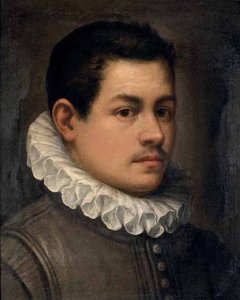
Annibale Carracci
1560 - 1609 , Olaszország
Gyors információk
- Artistic Movement Or Style: Barokk
- Artists Or Movements Influenced By This Artist:
- Correggio
- Mannerizmus
- Artists Who Influenced This Artist:
- Raffaello
- Andrea del Sarto
- Date Of Birth: November 3, 1560
- Date Of Death: July 15, 1609
- Full Name: Annibale Carracci
- Nationality: Olasz
- Notable Artworks:
- Triumph Bacchus
- Loves Gods
- Self-portrait
- Place Of Birth: Bologna, Itália
Kapcsolódó cikkek

A Barokk Mesterek 10 Legikonikusabb Remekműve – OriginalUniqueArt.com
Fedezze fel a barokk művészet 10 legpártosabb remekművét! Caravaggio, Rembrandt és Vermeer alkotásainak története – OriginalUniqueArt.com kínálatában exkluzív reprodukciók és inspiráló dekorációs ötletek várják Önt. Nézze meg most!

The Visceral Stage: Exploring Dramatic Narratives & Emotional Intensity in Baroque Art
Explore the dramatic world of Baroque art! Discover iconic masters like Caravaggio & Rembrandt, their techniques, and the movement's lasting impact. Expert insights for collectors & enthusiasts at OriginalUniqueArt.

The Dramatic Flourish: Exploring the Baroque Movement's Enduring Legacy in Art History
Explore the dramatic world of Baroque art! Discover iconic artists like Caravaggio & Rubens, defining techniques, and its lasting impact on art history. Expert insights for collectors & enthusiasts at OriginalUniqueArt.

The Enduring Power of Painting: A Historical & Contemporary Exploration of Form and Emotion
Explore the rich history & enduring techniques of oil painting with OriginalUniqueArt. Discover masterpieces, learn about art collecting, and find authentic handmade reproductions crafted by skilled artists.

Barokk dráma: A nagyság és az érzelem bevonása a kortárs belső terekbe
Fedezze fel a barokk stílus nagyságát és drámáját! Ismerje meg a belsőépítészet jellegzetességeit, inspirálódjon híres enteriőrökből, és valósítsa meg álmai luxus otthonát szakértő útmutatásunkkal.


