Váltás nyomtatványra
 Összes részlet megjelenítése







































 A bármely oldalsó méretét túlszálaló 105 cm (kb. 41 hüvelyk) meghaladó műalkotások vagy reprodukciók esetében a keret összeszerelhető készletként, szétszerelve kerül szállításra. Ez a módszer biztosítja a biztonságos szállítást, és megakadályozza a szállítás során fellépő sérüléseket.


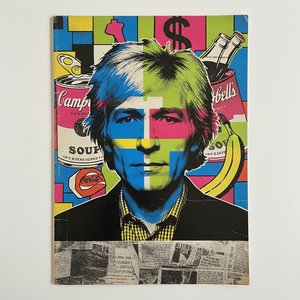
Andy Warhol’s Muhammad Ali – A Portrait of Iconography
Andy Warhol's "Muhammad Ali," created in 1978 as part of his ambitious “Athletes” series, transcends mere portraiture; it embodies the spirit of a pivotal moment in American culture and artistic innovation. Commissioned by Richard Weisman, this artwork delves into the intersection of celebrity, sport, and Pop Art’s fascination with mass media imagery—a realm Warhol expertly navigated throughout his prolific career.
- Subject Matter: The photograph captures a striking profile view of Muhammad Ali, arguably the most recognizable boxer of the 20th century. Warhol deliberately chose this pose to emphasize Ali's unwavering gaze and commanding presence – qualities that mirrored the athlete’s charisma on stage and off.
- Style & Technique: Warhol employed his signature silkscreen printing process, a technique he pioneered in the early 1960s. This method allowed him to reproduce photographic images with remarkable precision while simultaneously introducing subtle variations in color and texture—a hallmark of Pop Art’s aesthetic. The resulting print is characterized by its bold geometric shapes and flattened perspective, reflecting Warhol's rejection of traditional artistic conventions.
- Historical Context: “Muhammad Ali” emerged during a period of intense social and political upheaval, marked by the Vietnam War protests and burgeoning discussions about racial justice. Warhol’s decision to depict Ali—a figure who famously refused to serve in the military due to his pacifist beliefs—was itself a statement on artistic freedom and cultural critique.
- Color Palette & Composition: Warhol utilized a restrained color palette dominated by warm browns and turquoise, juxtaposed against a vibrant pink background. This deliberate contrast enhances the image’s dynamism and draws attention to Ali's facial features. The composition is simplified yet impactful, prioritizing clarity and conveying a sense of stillness amidst the athlete’s powerful stance.
- Symbolism & Emotional Impact: Warhol’s portrayal captures Ali’s stoic determination—a visual representation of his unwavering conviction in his beliefs. Beyond its aesthetic qualities, “Muhammad Ali” serves as a reminder of Warhol's ability to distill complex cultural narratives into iconic images that resonate with audiences across generations.
The artwork’s enduring appeal lies not only in its technical mastery but also in its reflection of the era’s anxieties and aspirations. Warhol’s “Muhammad Ali” remains a testament to Pop Art's transformative influence on visual culture, inviting viewers to contemplate themes of celebrity, identity, and artistic expression.
Further Exploration: Warhol’s Approach to Portraiture
Warhol’s method of transferring photographic images onto silk screens was revolutionary for its time. He meticulously examined the photograph before printing, adjusting it slightly to optimize its visual impact—a process that underscored his belief in harnessing the power of mass media.
Collecting Warhol Reproductions
Reproductions of Andy Warhol’s “Muhammad Ali” offer a beautiful way to experience this iconic artwork. High-quality prints are available from reputable dealers and online platforms like Artsy, allowing collectors to bring Warhol's vision into their homes.
Kérdések és válaszok
Hol vásárolhatok egy nyomtatványt a(z) „Muhammad Ali”, Andy Warhol alkotása alkotásból?
A „Muhammad Ali”, Andy Warhol alkotása nyomata közvetlenül a következő oldalon rendelhető meg: Művészeti nyomtatvány: minőségi giclée nyomat pamutvászonon vagy archiváló vászonpapíron.
Melyik szín tűnik ki leginkább a(z) "Muhammad Ali" alkotásból?
A „Muhammad Ali”, Andy Warhol alkotása domináns színe a Orange (#da9b0b).
Mennyire intenzívek a "Muhammad Ali" színei?
A „Muhammad Ali”, Andy Warhol alkotása alkotás Clear Color Presence telítettségű és Vivid intenzitású.
Több információ erről a festményről
 Megtekintés
 Küldés
 Megosztás
 Részletek
 Útmutató

 Letöltés
 Hasonló darabok
 X-ray felvétel
 Diavetítés
 Kérdések és válaszok
 Statisztika