

 Megtekintés
 Küldés
 Megosztás
 Részletek
 Útmutató

 Letöltés
 Hasonló darabok
 X-ray felvétel
 Diavetítés
 Statisztika
The Golden Age


 Összes részlet megjelenítése
Giclée / Műnyomat
Múzeumi minőségű giclée vagy vászonnyomat, gyors gyártással és rugalmas finomítási lehetőségekkel. ( Kézzel festett másolat rendelése Áttérés digitális képre)




P118B Ft10

P118H Ft10

P118W Ft10

P438Z Ft10

P508JH Ft12

P508YH Ft12

P805H Ft10

P805Z Ft10

P919BZ Ft10

P919G Ft10

P919XJ Ft10

P959ZH Ft10

P968JZ Ft12

W106C Ft8

W218G Ft10

W218JH Ft8

W218Y Ft10

W307PJ Ft10

W316G Ft10

W316PJ Ft8

W316Y Ft10

W398PJ Ft8

W4111J Ft10

W500HY Ft15

W500JH Ft15

W692G Ft12

W849H Ft8

W940BG Ft15

W953PJ Ft8




Válasszon előre meghatározott méreteink közül, amelyek megfelelnek a műalkotás eredeti arányainak.

Írja be a keretének vagy a falának megfelelő szélességet és magasságot. A nyomatot csak le lehet vágni, soha nem tehető nagyobbá, mint az eredeti kép, így egy eltérő alakú méretnél a kép egy része elveszik. Mielőtt bármit kinyatintanánk, küldünk egy digitális próbamodellt jóváhagyásra. Az oldalon látható kép nem tartalmazza a valós levágást — ezt csak a próbamodell mutatja meg.
Világszerte történő kiszállítás területére mindössze 2 hét alatt, a szokásos 4-5 hét helyett. (27 október)

Ingyenes globális expressz szállítás

Prémium minőségű len vászon

Teljes körű szállítási biztosítás

Vámvisszatérítési Garancia

Hiteles színarányosság garancia

100 napos visszaküldési lehetőség (csak hibás termékek esetén)

100% pénzvisszatérítési garancia

Több darab vásárlásakor kedvezmény
 Az üvegkeretes opció csak 110 cm alatti méretben érhető el

The Golden Age
Giclée / Műnyomat
Reprodukció mérete
-


Összesített ár
Ft 25681
André Derain’s *The Golden Age*: A Fauvist Masterpiece
André Derain's *The Golden Age*, painted in 1905, is more than just a depiction of nude figures; it’s a visceral explosion of color and emotion – the very essence of Fauvism. This captivating work, housed within the Museum of Modern Art in New York, immediately arrests the viewer with its audacious palette and dynamic composition. Derain, along with Henri Matisse, spearheaded this revolutionary movement, rejecting traditional representational values in favor of pure, unadulterated color as a means of expressing feeling and capturing the essence of light and atmosphere. The painting’s vibrant hues – shocking pinks, intense blues, and fiery oranges – aren't merely decorative; they are deliberately employed to evoke a sense of unrestrained joy and sensual pleasure.
A Composition of Playful Energy
The scene unfolds with at least twelve figures, arranged in a series of seemingly spontaneous poses. Women lounge on the ground, some playfully interacting with apples and bananas – objects that contribute to the overall feeling of carefree abandon. The arrangement isn't rigidly formal; instead, it feels remarkably natural, as if these women were simply enjoying an afternoon in a sun-drenched garden. Derain’s masterful brushstrokes create a palpable sense of movement and energy, drawing the eye across the canvas with each bold stroke. Notice how he uses thick impasto – building up layers of paint – to heighten the textural quality of the scene and intensify the impact of the colors.
Roots in Modernism: Influences and Legacy
*The Golden Age* reflects a fascinating confluence of artistic influences. Derain, like many artists of his time, was deeply affected by the work of Vincent van Gogh, Paul Cézanne, and Georges Seurat. However, unlike these predecessors, he wasn't interested in meticulously replicating reality; rather, he used their techniques – particularly Seurat’s pointillism – as a springboard for developing his own intensely subjective style. The painting stands as a crucial bridge between Impressionism and the radical experimentation of early 20th-century modern art, solidifying Derain’s place as one of the movement's key figures.
Symbolic Resonance and Emotional Impact
Beyond its technical brilliance, *The Golden Age* resonates with a profound sense of liberation and sensual delight. The nudity of the figures isn't presented in a moralistic or judgmental way; instead, it’s imbued with an almost primal energy. The bright colors contribute to this feeling, suggesting warmth, vitality, and perhaps even a hint of rebellion against societal norms. The painting invites us to contemplate themes of pleasure, beauty, and the human connection – timeless subjects that continue to captivate viewers over a century later. It’s a testament to Derain's ability to translate personal emotion into a powerfully expressive work of art.
Kérdések és válaszok
Ki készítette a(t) "The Golden Age"-t, és mikor?
A "The Golden Age" alkotója André Derain, a mű pedig 1905 származik.
Milyen érzéssel párosítható a "The Golden Age"?
A „The Golden Age”, André Derain alkotása egy Joyful érzelmi hangulatot közvetít.
Mikor és milyen anyagokból készült a "The Golden Age"?
A "The Golden Age" alkotása 1905-ben készült, Oil On Canvas technikával.
A művész életrajza
Early Life and the Seeds of Fauvism
André Derain, born in 1880 in the charming village of Chatou near Paris, wasn’t initially destined for a life steeped in paint and canvas. Contrary to some narratives suggesting an immediate artistic awakening through encounters with fellow painters like Vlaminck or Matisse, Derain embarked on his artistic journey independently around 1895. These early explorations were often undertaken alongside Father Jacomin and his sons during countryside excursions—a formative experience that instilled a deep appreciation for the natural world. He briefly pursued engineering at the Académie Camillo in 1898, where fatefully, he crossed paths with Henri Matisse, initiating a pivotal artistic partnership. Further studies under Eugène Carrière honed his foundational skills, but it was military service from 1901 to 1904 that temporarily interrupted his burgeoning career. Upon his return, persuaded by the unwavering belief of Matisse, Derain decisively abandoned engineering and fully committed himself to painting, continuing his education at the Académie Julian. This commitment marked a turning point, setting him on a path toward becoming a central figure in one of modern art’s most revolutionary movements.The Explosive Birth of Color: Fauvism
The summer of 1905 proved to be an explosive moment for Derain and Matisse as they collaborated in the sun-drenched coastal village of Collioure. This period birthed works like “Mountains at Collioure,” characterized by a radical departure from representational color. The landscapes weren’t merely depictions of places; they were expressions of feeling, rendered through intensely vibrant, non-naturalistic hues. When their work was exhibited at the Salon d'Automne that same year, it provoked outrage and astonishment. Critic Louis Vauxcelles famously dubbed them “Les Fauves”—the wild beasts—a name initially intended as derisive but ultimately embraced by the artists themselves. Derain’s contribution to this movement wasn’t merely stylistic; he possessed a unique ability to translate emotional intensity into pure color. In 1906, Ambroise Vollard commissioned him to paint London, resulting in a series of striking canvases depicting the Thames and Tower Bridge. These weren't conventional cityscapes; they were bold interpretations, capturing the energy and atmosphere of London through an unconventional lens—a testament to Derain’s innovative vision. Influenced by artists like Van Gogh and Cézanne, he pushed the boundaries of color and form, laying the groundwork for future generations of expressionist painters.Beyond Fauvism: A Shifting Aesthetic
The initial fervor of Fauvism didn't define Derain’s entire artistic trajectory. Around 1907, his style began a significant evolution, moving away from the unrestrained chromatic exuberance toward more subdued tones and an increased emphasis on form. This period, often referred to as his “gothic” phase (1911-1914), reflected a growing interest in structure and composition. He immersed himself in the study of Old Masters, incorporating elements of Cubism while simultaneously seeking inspiration from classical forms. This wasn’t a rejection of his earlier work but rather an expansion of his artistic vocabulary. Derain's versatility extended beyond painting; in 1919, he designed the ballet “La Boutique Fantasque” for Sergei Diaghilev’s Ballets Russes, demonstrating his aptitude for theatrical design and further showcasing his diverse talents. Key works from this era, such as "Harlequin and Pierrot" and the monumental mural "Return of Ulysses," exemplify this stylistic shift—a move toward a more controlled and intellectually rigorous approach to artmaking.Legacy and Complexities
André Derain’s place in art history is secure as a co-founder of Fauvism, a movement that irrevocably altered the course of modern painting. His unique vision of London, captured in his vibrant canvases, offered a fresh perspective on an iconic city. After World War I, he gained renewed recognition for his contributions to a revival of classicism, demonstrating his adaptability and enduring artistic relevance. However, Derain’s later life was marked by controversy. During World War II, his presence in Germany drew criticism, leading to ostracization from some former supporters after the war. Despite this shadow, his influence on subsequent generations of artists remains undeniable. He died in 1954, leaving behind a body of work that continues to captivate and inspire. *His legacy is not simply one of bold colors and expressive brushstrokes but also of an artist who constantly challenged himself, explored new avenues of expression, and left an indelible mark on the landscape of modern art.* He stands as a testament to the power of artistic innovation and the complexities inherent in navigating a rapidly changing world. Derain’s journey reminds us that true artistry lies not in adhering to a single style but in the relentless pursuit of creative truth.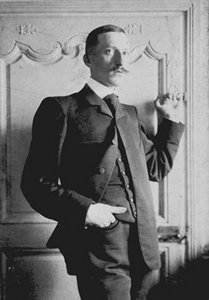
André Derain
1880 - 1954 , Franciaország
Rövid információk
- Artistic Movement Or Style: Fauvizmus, Kubizmus
- Artists Or Movements Influenced By This Artist:
- Matisse
- Kubizmus
- Artists Who Influenced This Artist:
- Van Gogh
- Cézanne
- Date Of Birth: 1880. június 10.
- Date Of Death: 1954. szeptember 8.
- Full Name: André Derain
- Nationality: Francia
- Notable Artworks:
- A Collioure hegyei
- Harlekin és Pierrot
- A teázás
- Place Of Birth: Chatou, Franciaország
Kapcsolódó cikkek

A Hollandi Aranykor 10 Mesterműve: Festmények, Amelyek Megváltoztatták a Világot | OriginalUniqueArt.com
Fedezze fel a Hollandi Aranykor 10 legikonikusabb műalkotását! Rembrandt, Vermeer és más mesterek festményeinek történeteit olvassa el. Barokk stílus, klasszikus művészet – inspirálódjon otthon dekorációjához a OriginalUniqueArt.com-on! Fedezze fel a teljes gyűjteményt online.
A Fauvizmus 10 Mesterműve: Színek és Érzések a Modern Művészetben | OriginalUniqueArt.com
Fedezze fel a Fauvizmus 10 legikonikusabb műalkotását! Matisse, Derain és más festők színes világa várja Önt. Ismerje meg a modern művészet történetét és inspirálódjon otthona dekorációjához. OriginalUniqueArt.com - Múzeumi minőségű reprodukciók online!
André Derain: Fauvism's Bold Visionary & the Evolution of Modern Color
Explore the revolutionary art of André Derain, co-founder of Fauvism. Discover his bold use of color, evolution from radical expressionism to classicism, and lasting influence on modern art history. Learn more at OriginalUniqueArt.

Giclée Prints: Archival Quality & Aesthetic Nuances for the Discerning Collector
Explore the world of giclée prints with OriginalUniqueArt. Learn about archival quality, aesthetic nuances & investment potential. Expert guidance for discerning art collectors seeking museum-quality reproductions and lasting value.
A Fauvizmus 10 Mesterműve: Színek és Érzések Világa – OriginalUniqueArt
Fedezze fel a fauvizmus 10 legikonikusabb műalkotását! Matisse, Derain és más mesterek intenzív színeivel teli festményeinek története. Vásároljon minőségi art reprodukciókat a OriginalUniqueArt.com-on, és hozza el az expresszionizmus vibráló világát otthonába! Fedezze fel teljes kollekciónkat online.


