

 Előnézet
 Megosztás
 Megosztás
 Részletek
 Útmutató

 Letöltés
 Hasonló darabok
 X-ray felvétel
 Diavetítés
 Statisztika
L'Estaque
 Oil On Canvas
- WallArt
- Fauvism
 1906
1906 73.0 x 92.0 cm
 Tovább olvasom
Kézzel készített olajfestmény reprodukció
Kézzel festett olajvastú vászon, az Ön által választott méretben és keretben, művészeink készítik meglévőre. ( Váltás nyomtatványra Áttérés digitális képre)




P118B Ft10

P118H Ft10

P118W Ft10

P438Z Ft10

P508JH Ft12

P508YH Ft12

P805H Ft10

P805Z Ft10

P919BZ Ft10

P919G Ft10

P919XJ Ft10

P959ZH Ft10

P968JZ Ft12

W106C Ft8

W218G Ft10

W218JH Ft8

W218Y Ft10

W307PJ Ft10

W316G Ft10

W316PJ Ft8

W316Y Ft10

W398PJ Ft8

W4111J Ft10

W500HY Ft15

W500JH Ft15

W692G Ft12

W849H Ft8

W940BG Ft15

W953PJ Ft8




Válasszon előre meghatározott méreteink közül, amelyek megfelelnek a műalkotás eredeti arányainak.

Ön megadhat saját méreteket egy adott kerethez vagy térhez igazításhoz. Ha a kiválasztott méret nem egyezik az eredeti kép arányával, akkor a műalkotást levágjuk, vagy további kézzel festett elemekkel meghosszabbítjuk a festményt. A gyártás megkezdése előtt küldünk Önnek egy digitális előnézetet jóváhagyásra.
Kérjük, vegye figyelembe, hogy a képernyőn megjelenő előnézet nem tükrözi a tényleges vágást vagy kiterjesztést. Csak az előnézet fog pontosan mutatni a végső kompozíciót.
Bár egyedi méretek állnak rendelkezésre, javasoljuk, hogy válasszon egy méretet az előre meghatározott listából az eredeti arányok megőrzése érdekében.
A rendelést követően a OriginalUniqueArt.com csapata e-mailt küld az ügyfélnek az instrukciókért, és biztosít egy előnézeti képet (mockup).
Világszerte elérhető szállítás () 3-4 hét alatt a szokásos 5 hét helyett. (13 október). A minőség nem kérdőjelezhető.

Ingyenes globális expressz szállítás

Prémium minőségű len vászon

Teljes körű szállítási biztosítás

Vámvisszatérítési Garancia

Tökéletes színarányosság garancia

100 napos visszaküldési garancia (csak gyártási hibás termékek esetén)

100% pénzvisszatérítési garancia

Több darab vásárlásakor kedvezmény
 Az üvegkeretes opció csak 110 cm alatti méretben érhető el

L'Estaque
Reprodukciós technika
Reprodukció méretei
-


Összesített ár
Ft 94012
Composition and Style
The painting depicts a wooded area with trees displaying a range of colors, from orange and yellow to red. A house is visible in the background, surrounded by trees, while a figure stands near the center of the image. The overall atmosphere is lively and vibrant, thanks to Derain's bold use of color. This style is reminiscent of other Fauvist works, such as The Turning Road, L'Estaque by André Derain, available on OriginalUniqueArt.com.Influence and Context
Derain's work was influenced by his contemporaries, including Georges Braque, who also explored Fauvism in pieces like The House behind the Trees, now housed at the Metropolitan Museum of Art. The Fauvist movement, which emerged in the early 20th century, emphasized the emotional and expressive qualities of color. This approach is evident in Derain's Landscape at L'Estaque, another notable work from this period, available for viewing on OriginalUniqueArt.com. Key Features:- Vibrant color palette, characteristic of Fauvism
- Energetic brushstrokes, adding to the dynamic atmosphere
- Inclusion of a figure, providing a sense of scale and human presence
Gyakran Ismételt Kérdések
Milyen érzelmet közvetít a „L'Estaque”, André Derain alkotása?
A „L'Estaque”, André Derain alkotása művészeti alkotás érzelmi tónusa Energetic. Ez foglalja össze a mű által kifejezett érzést.
Milyen technikával készült és milyen méretű „L'Estaque”, André Derain alkotása?
A "L'Estaque" alkotás Oil On Canvas technikával készült, eredeti mérete pedig 73 x 92 cm.
Mi a(z) domináns színtónus „L'Estaque”, André Derain alkotása-nél?
A „L'Estaque”, André Derain alkotása domináns színe a Amber to Saffron. Ez a szín a paletta alapvető tónusa.
Mennyire erős a kontraszt a(z) „L'Estaque”, André Derain alkotása alkotásban?
A „L'Estaque”, André Derain alkotása kontrasztszintje Statement.
A "L'Estaque" André Derain egyik legnépszerűbb műve?
A „L'Estaque”, André Derain alkotása népszerűségi szintje Recognized. Ez a besorolás azt tükrözi, mennyire ismert és elismert ez a mű.
Van-e rozšíngtott valóság (AR) előnézete a(z) "L'Estaque" alkotásnak?
A „L'Estaque”, André Derain alkotása mű kedvező esetben megtekinthető a saját falán is a mű AR előnézet oldalán keresztül, az argementált valóság technológiájának alkalmazásával egy kompatibilis eszközön.
Mi a "L'Estaque" formátuma?
A „L'Estaque”, André Derain alkotása egy Landscape kompozíció. A nyomtatási méret kiválasztása előtt érdemes ellenőrizni az arányokat.
Milyen érzelmi hangulat kíséri a "L'Estaque" alkotás Fauvism stílusát?
A Fauvism irányzaton belül, a "L'Estaque" egy Energetic hangulatban készült.
A művész életrajza
Early Life and the Seeds of Fauvism
André Derain, born in 1880 in the charming village of Chatou near Paris, wasn’t initially destined for a life steeped in paint and canvas. Contrary to some narratives suggesting an immediate artistic awakening through encounters with fellow painters like Vlaminck or Matisse, Derain embarked on his artistic journey independently around 1895. These early explorations were often undertaken alongside Father Jacomin and his sons during countryside excursions—a formative experience that instilled a deep appreciation for the natural world. He briefly pursued engineering at the Académie Camillo in 1898, where fatefully, he crossed paths with Henri Matisse, initiating a pivotal artistic partnership. Further studies under Eugène Carrière honed his foundational skills, but it was military service from 1901 to 1904 that temporarily interrupted his burgeoning career. Upon his return, persuaded by the unwavering belief of Matisse, Derain decisively abandoned engineering and fully committed himself to painting, continuing his education at the Académie Julian. This commitment marked a turning point, setting him on a path toward becoming a central figure in one of modern art’s most revolutionary movements.The Explosive Birth of Color: Fauvism
The summer of 1905 proved to be an explosive moment for Derain and Matisse as they collaborated in the sun-drenched coastal village of Collioure. This period birthed works like “Mountains at Collioure,” characterized by a radical departure from representational color. The landscapes weren’t merely depictions of places; they were expressions of feeling, rendered through intensely vibrant, non-naturalistic hues. When their work was exhibited at the Salon d'Automne that same year, it provoked outrage and astonishment. Critic Louis Vauxcelles famously dubbed them “Les Fauves”—the wild beasts—a name initially intended as derisive but ultimately embraced by the artists themselves. Derain’s contribution to this movement wasn’t merely stylistic; he possessed a unique ability to translate emotional intensity into pure color. In 1906, Ambroise Vollard commissioned him to paint London, resulting in a series of striking canvases depicting the Thames and Tower Bridge. These weren't conventional cityscapes; they were bold interpretations, capturing the energy and atmosphere of London through an unconventional lens—a testament to Derain’s innovative vision. Influenced by artists like Van Gogh and Cézanne, he pushed the boundaries of color and form, laying the groundwork for future generations of expressionist painters.Beyond Fauvism: A Shifting Aesthetic
The initial fervor of Fauvism didn't define Derain’s entire artistic trajectory. Around 1907, his style began a significant evolution, moving away from the unrestrained chromatic exuberance toward more subdued tones and an increased emphasis on form. This period, often referred to as his “gothic” phase (1911-1914), reflected a growing interest in structure and composition. He immersed himself in the study of Old Masters, incorporating elements of Cubism while simultaneously seeking inspiration from classical forms. This wasn’t a rejection of his earlier work but rather an expansion of his artistic vocabulary. Derain's versatility extended beyond painting; in 1919, he designed the ballet “La Boutique Fantasque” for Sergei Diaghilev’s Ballets Russes, demonstrating his aptitude for theatrical design and further showcasing his diverse talents. Key works from this era, such as "Harlequin and Pierrot" and the monumental mural "Return of Ulysses," exemplify this stylistic shift—a move toward a more controlled and intellectually rigorous approach to artmaking.Legacy and Complexities
André Derain’s place in art history is secure as a co-founder of Fauvism, a movement that irrevocably altered the course of modern painting. His unique vision of London, captured in his vibrant canvases, offered a fresh perspective on an iconic city. After World War I, he gained renewed recognition for his contributions to a revival of classicism, demonstrating his adaptability and enduring artistic relevance. However, Derain’s later life was marked by controversy. During World War II, his presence in Germany drew criticism, leading to ostracization from some former supporters after the war. Despite this shadow, his influence on subsequent generations of artists remains undeniable. He died in 1954, leaving behind a body of work that continues to captivate and inspire. *His legacy is not simply one of bold colors and expressive brushstrokes but also of an artist who constantly challenged himself, explored new avenues of expression, and left an indelible mark on the landscape of modern art.* He stands as a testament to the power of artistic innovation and the complexities inherent in navigating a rapidly changing world. Derain’s journey reminds us that true artistry lies not in adhering to a single style but in the relentless pursuit of creative truth.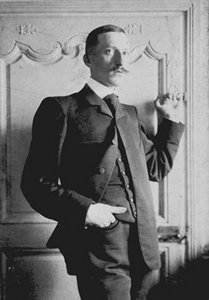
André Derain
1880 - 1954 , France
Gyors információk
- Full Name: André Derain
- Nationality: French
- Date Of Birth: 1880
- Date Of Death: 1954
- Place Of Birth: Chatou, France
- Notable Artworks:
- Mountains at Collioure
- Harlequin and Pierrot
- The Cup of Tea
- London Paintings
- Artistic Movement Or Style: Fauvism, Cubism
- Artists Who Influenced This Artist:
- Van Gogh
- Cézanne
- Artists Or Movements Influenced By This Artist:
- Matisse
- Cubism


