
 Megtekintés
 Küldés
 Megosztás
 Részletek
 Útmutató

 Letöltés
 Hasonló darabok
 X-ray felvétel
 Diavetítés
 Q&A
Q&A Statisztika
Auto auto-retrato

- 39.0 x 30.0 cm


 Összes részlet megjelenítése
Az ezen az oldalon megjelenített műalkotások szerzői jogi védelem alatt állnak, ami azt jelenti, hogy törvényileg nem készíthetünk és nem adhatunk el belőlük pontos másolatokat. Ez a védelem olyan nemzetközi megállapodások alapján érvényesül, mint például a Berni Egyezmény és a nemzeti jogszabályok által, beleértve azokat is, amelyeket meghatározott Az USA szerzői jogi törvénye – 17. cím.
Ez a módszer teljes mértékben megfelel a szerzői jogi szabályozásnak, mivel nem tartalmazza a védett műalkotás másolását vagy duplikálását. Ehelyett ez egy kreatív újinterpretáció – egy új festmény, amely az eredetivel való összefüggései miatt hatással van rá, de nem az az.
Giclée / Műnyomat
Múzeumi minőségű giclée vagy vászonnyomat, gyors gyártással és rugalmas finomítási lehetőségekkel. ( Kézzel festett másolat rendelése Áttérés digitális képre)




P118B Ft10

P118H Ft10

P118W Ft10

P438Z Ft10

P508JH Ft12

P508YH Ft12

P805H Ft10

P805Z Ft10

P919BZ Ft10

P919G Ft10

P919XJ Ft10

P959ZH Ft10

P968JZ Ft12

W106C Ft8

W218G Ft10

W218JH Ft8

W218Y Ft10

W307PJ Ft10

W316G Ft10

W316PJ Ft8

W316Y Ft10

W398PJ Ft8

W4111J Ft10

W500HY Ft15

W500JH Ft15

W692G Ft12

W849H Ft8

W940BG Ft15

W953PJ Ft8




Válasszon előre meghatározott méreteink közül, amelyek megfelelnek a műalkotás eredeti arányainak.

Írja be a keretének vagy a falának megfelelő szélességet és magasságot. A nyomatot csak le lehet vágni, soha nem tehető nagyobbá, mint az eredeti kép, így egy eltérő alakú méretnél a kép egy része elveszik. Mielőtt bármit kinyatintanánk, küldünk egy digitális próbamodellt jóváhagyásra. Az oldalon látható kép nem tartalmazza a valós levágást — ezt csak a próbamodell mutatja meg.
Világszerte történő kiszállítás területére mindössze 2 hét alatt, a szokásos 4-5 hét helyett. (1 november)

Ingyenes globális expressz szállítás

Prémium minőségű len vászon

Teljes körű szállítási biztosítás

Vámvisszatérítési Garancia

Hiteles színarányosság garancia

100 napos visszaküldési lehetőség (csak hibás termékek esetén)

100% pénzvisszatérítési garancia

Több darab vásárlásakor kedvezmény
 Az üvegkeretes opció csak 110 cm alatti méretben érhető el

Auto auto-retrato
Giclée / Műnyomat
Reprodukció mérete
-


Összesített ár
Ft 26198
The Intimate Mirror: Exploring Álvaro Lapa's Self-Portraiture
To gaze upon an artwork by Álvaro Lapa is not merely to observe pigment on canvas; it is to enter a deeply personal, intellectual labyrinth. This piece, Auto auto-retrato, functions as more than just a likeness—it is a meditation, a self-excavation rendered with the profound weight of literary homage. The subject matter itself suggests an internal dialogue, a confrontation between the visible self and the constructed narrative surrounding it. Lapa’s approach to portraiture, as hinted at in his own writings, positions the act of painting as a fleeting process, one where thought processes from literature and philosophy become the primary medium, contorting themselves within the image's very structure.
A Study in Distortion and Color
Visually, the piece immediately arrests the viewer with its arresting palette. The central figure’s face is set against a vibrant, almost aggressive red background, an emotional field that seems to pulse beneath the surface of representation. What makes this portrait so compelling is the deliberate sense of alteration; the face appears distorted or filtered, suggesting that the self presented here is not the objective reality, but rather a curated, artistic interpretation. Scattered across this charged canvas are intriguing elements: two distinct blue objects anchor the composition in the upper left and lower right corners, acting almost like visual parentheses around the central mystery. Furthermore, the inclusion of an everyday object, such as the visible spoon on the upper left, grounds the highly abstract emotional landscape with a touch of the mundane, creating a fascinating tension between the sublime and the quotidian.
Context and Intellectual Depth
Created in 1972, this work emerges from a period where Lapa was deeply engaged with the intellectual currents of his time. His artistic practice is inextricably linked to literary admiration—a devotion to giants like Michaux, Sade, and Fernando Pessoa. These works are not simple tributes; they are self-portraits painted on the shoulders of these admired masters. This piece carries that same weight: it suggests a mind wrestling with how to depict an internal state using external artistic rules. The resulting image is thus less about physical appearance and more about intellectual inheritance, a visual echo chamber of profound literary engagement.
Emotional Resonance for the Modern Collector
For those who collect art not just for its beauty but for its conversation-starting power, Auto auto-retrato offers immense depth. It speaks to the modern condition—the feeling that our public selves are often filtered, curated, and slightly distorted versions of our true interiority. Owning this reproduction is acquiring a piece of intellectual autobiography; it invites the viewer to question their own self-portraits, to consider what elements define them, and which literary or philosophical influences shape their current view of the world. It is an object that rewards prolonged contemplation, promising endless layers of meaning.
Kérdések és válaszok
Erős fény-árnyék kontrasztot mutat-e a "Auto auto-retrato"?
A „Auto auto-retrato”, Álvaro Lapa alkotása kontrasztját Statement teszi.
Milyen fényerő ébreszt fel „Auto auto-retrato”, Álvaro Lapa alkotása alkotást?
Összességében a "Auto auto-retrato" alkotás brilliant fényerőséget mutat. A tapasztalt fényerő azt írja le, hogy a mű mennyire tűnik világosnak vagy sötétnek.
„Auto auto-retrato”, Álvaro Lapa alkotása erős kontrasztokat vagy lágy harmóniákat használ?
A „Auto auto-retrato”, Álvaro Lapa alkotása színelemzése Statement kontrasztot és Discordant Palette harmóniát mutat be.
A művész életrajza
early life and education
álvaro lapa, a renowned portuguese artist, was born on july 31, 1939, in évora, portugal. he spent his formative years within the culturally isolated environment of this city during the 1940s and 1950s. lapa's interest in art and philosophy began in high school, which laid the foundation for his future endeavors. lapa graduated with a degree in philosophy from the faculty of letters at the university of lisbon, further solidifying his intellectual background. this academic pursuit would later influence his artistic approach, as seen in his works.artistic career
in 1956, lapa moved to lisbon and began his artistic career as an isolated, self-taught artist. his first solo exhibition was held at galeria 111 in lisbon in 1964, marking the beginning of his professional journey. lapa's work is characterized by a personal mythology, developed over time and structured like an enigma. he experimented with various mediums, including painting, drawing, collage, textile design, and scenography. this versatility showcases his innovative spirit and willingness to explore different artistic expressions.notable works and collections
* álvaro lapa's works can be found in several notable collections, including the new hall art collection, which features an impressive array of contemporary art pieces. /en/art/show/art-d3alr5-en/ * the ballarat fine art gallery in australia also showcases lapa's work, highlighting his global recognition. /en/art/show/art-d3c369-en/legacy and later life
álvaro lapa passed away on february 11, 2006, in porto, portugal. his legacy continues to inspire artists and art enthusiasts alike, with his unique approach to art remaining a subject of fascination.- view more of álvaro lapa's works at [https://OriginalUniqueArt.com/@/álvaro-lapa](https://OriginalUniqueArt.com/@/álvaro-lapa)
- explore the new hall art collection and its notable artists at /en/art/show/art-d3alr5-en/
- discover more about the ballarat fine art gallery and its collections at /en/art/show/art-d3c369-en/
conclusion
álvaro lapa's life and work serve as a testament to the power of art in transcending time and geographical boundaries. his legacy, now an integral part of portugal's rich cultural heritage, continues to inspire and influence contemporary artistic endeavors.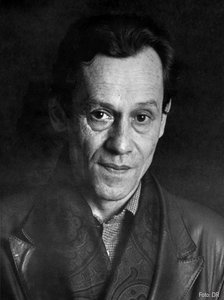
Álvaro Lapa
1939 - 2006 , Portugal
Rövid információk
- Full Name: Carolee Schneemann
- Nationality: American
- Date Of Birth: 1939
- Date Of Death: 2006
- Place Of Birth: Évora, Portugal
- Notable Artworks:
- Cézanne, She Was a Great Painter
- More than Meat Joy
- Artistic Movement Or Style:
- Performance art
- Neo-Dada
- Fluxus
- Artists Who Influenced This Artist:
- Pound
- Picasso
- Artists Or Movements Influenced By This Artist: ['Beat Generation']
Kapcsolódó cikkek

The Inner Landscape: Exploring Themes of Introspection in Visual Art Across Movements & Eras
Explore the captivating world of introspective art! Discover how artists across eras – from Rembrandt to Kahlo – used self-portraiture to reveal their inner worlds and emotional depths. A journey through art history & psychology.

The Echo of Self: Reflectivity as a Core Theme in Art History & Contemporary Practice
Explore the rich history of self-representation in art, from Renaissance masters to modern innovators. Discover how artists use portraiture to reveal identity, emotion & the depths of the human psyche. Expert insights for collectors.

Francis Bacon legkiemelkedőbb művei: 25 lenyűgöző alkotás a modern művészetben | OriginalUniqueArt.com
Fedezze fel Francis Bacon 25 legkiemelkedőbb művét! Ismerje meg a modern művészet ikonikus festőjének sötét, érzelmes világát. Vászonképek, portrék és absztrakt alkotások – inspiráció otthonába. OriginalUniqueArt.com: múzeumi minőségű reprodukciók és exkluzív dekorációk online.

Crimson Threads of Narrative: Exploring Symbolism & Representation in Artworks Featuring the Red Dress
Explore the rich symbolism of the red dress in art history! From ancient power displays to iconic portraits like Cézanne’s 'Madame Cezanne', discover the cultural and artistic significance behind this captivating color. Expert analysis & insights.
Reflecting the Self: A History of Portraiture & Psychological Insight
Explore the fascinating history of self-portraiture from Renaissance masters like Dürer & Rembrandt to modern interpretations. Discover the psychological insights and artistic techniques behind these iconic works. Expert analysis for art enthusiasts.