
 Megtekintés
 Küldés
 Megosztás
 Részletek
 Útmutató

 Letöltés
 Hasonló darabok
 X-ray felvétel
 Diavetítés
 Kérdések és válaszok
 Statisztika
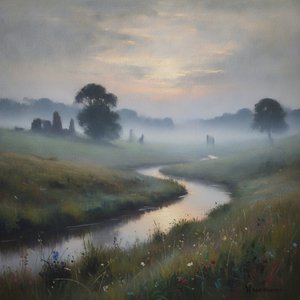
Hilly Landscape


 Összes részlet megjelenítése
Giclée / Műnyomat
Múzeumi minőségű giclée vagy vászonnyomat, gyors gyártással és rugalmas finomítási lehetőségekkel. ( Kézzel festett másolat rendelése Áttérés digitális képre)




P118B Ft10

P118H Ft10

P118W Ft10

P438Z Ft10

P508JH Ft12

P508YH Ft12

P805H Ft10

P805Z Ft10

P919BZ Ft10

P919G Ft10

P919XJ Ft10

P959ZH Ft10

P968JZ Ft12

W106C Ft8

W218G Ft10

W218JH Ft8

W218Y Ft10

W307PJ Ft10

W316G Ft10

W316PJ Ft8

W316Y Ft10

W398PJ Ft8

W4111J Ft10

W500HY Ft15

W500JH Ft15

W692G Ft12

W849H Ft8

W940BG Ft15

W953PJ Ft8




Válasszon előre meghatározott méreteink közül, amelyek megfelelnek a műalkotás eredeti arányainak.

Írja be a keretének vagy a falának megfelelő szélességet és magasságot. A nyomatot csak le lehet vágni, soha nem tehető nagyobbá, mint az eredeti kép, így egy eltérő alakú méretnél a kép egy része elveszik. Mielőtt bármit kinyatintanánk, küldünk egy digitális próbamodellt jóváhagyásra. Az oldalon látható kép nem tartalmazza a valós levágást — ezt csak a próbamodell mutatja meg.
Világszerte történő kiszállítás területére mindössze 2 hét alatt, a szokásos 4-5 hét helyett. (6 november)

Ingyenes globális expressz szállítás

Prémium minőségű len vászon

Teljes körű szállítási biztosítás

Vámvisszatérítési Garancia

Hiteles színarányosság garancia

100 napos visszaküldési lehetőség (csak hibás termékek esetén)

100% pénzvisszatérítési garancia

Több darab vásárlásakor kedvezmény
 Az üvegkeretes opció csak 110 cm alatti méretben érhető el

Hilly Landscape
Giclée / Műnyomat
Reprodukció mérete
-


Összesített ár
Ft 26460
A Pastoral Reverie: Alphonse Legros’s “Hilly Landscape”
Alphonse Legros's "Hilly Landscape," painted in 1876, isn’t merely a depiction of a rural scene; it’s a carefully constructed meditation on light, atmosphere, and the quiet beauty of the English countryside. This evocative work, now housed within the Victoria and Albert Museum’s collection, offers a glimpse into the artist's evolving style—a synthesis of Realist observation with a subtle Impressionistic sensibility—and speaks volumes about his time as an expatriate in London. Legros, having moved from France to England in 1863, found himself immersed in a landscape that both mirrored and subtly diverged from his native French vistas, leading him to develop a unique perspective on the English pastoral.
The painting immediately draws the eye with its harmonious blend of greens and blues. The rolling hills, rendered with loose, confident brushstrokes, are bathed in a soft, diffused light—a characteristic of Legros’s approach that suggests an outdoor setting, painted *en plein air*. Notice how he avoids sharp outlines or dramatic contrasts; instead, he employs subtle gradations of color to create a sense of depth and atmospheric perspective. The distant spire of Hampstead church provides a grounding element, anchoring the scene within a recognizable location while simultaneously contributing to the overall feeling of serene distance.
The Influence of Realism and Impressionism
Legros’s artistic journey is defined by his engagement with two significant movements: Realism and Impressionism. Initially trained in traditional academic styles, he was profoundly influenced by Gustave Courbet's rejection of idealized representation and his commitment to depicting the world as it truly appeared. This influence is evident in Legros’s meticulous observation of natural details—the texture of the grass, the subtle variations in the foliage—and his avoidance of overtly sentimental or romanticized imagery. However, he also embraced the Impressionists' focus on capturing fleeting moments and the subjective experience of light and color. The loose brushwork and emphasis on atmospheric effects demonstrate this dual influence, creating a painting that is both grounded in observation and imbued with a sense of immediacy.
Furthermore, Legros’s background as a house decorator and wall-painter—a profession demanding an understanding of materials and spatial relationships—contributed to his ability to create convincing landscapes. He wasn't simply sketching from memory; he was translating three-dimensional space onto a two-dimensional surface with remarkable skill. The composition itself is carefully balanced, guiding the viewer’s eye through the scene and establishing a sense of harmonious unity.
Symbolism and Emotional Resonance
Beyond its technical merits, “Hilly Landscape” resonates with a quiet emotional depth. It evokes a feeling of tranquility and contemplation—a welcome respite from the bustle of urban life. The painting’s muted palette and soft light contribute to this sense of serenity, while the distant church spire suggests a connection to faith and tradition. The scene feels timeless, inviting the viewer to lose themselves in the simple pleasures of nature.
Interestingly, Legros's work often reflected his personal experiences as an expatriate artist. The English countryside, with its rolling hills and picturesque villages, became a source of inspiration for him, offering a contrast to the landscapes of his native France. “Hilly Landscape” can be interpreted as a celebration of this new environment—a testament to the beauty and charm he discovered in England.
A Legacy of British Art
Alphonse Legros’s contribution to British art extends beyond this single painting. He played a pivotal role in establishing etching as a respected medium, teaching at the Slade School of Fine Art and fostering a new generation of artists. His influence can be seen in the work of his students, including Jessie Mothersole and Elinor Hallé, who went on to become prominent figures in the British art world. “Hilly Landscape” stands as a testament to Legros’s artistic versatility and enduring legacy—a beautiful example of a painter who seamlessly blended Realist observation with Impressionistic techniques to create works that continue to captivate viewers today.
Kérdések és válaszok
Milyen más nevét vagy álneveit használ még Alphonse Legros?
A „Hilly Landscape” alkotójáról, Alphonse Legros nevű művészről ismert egyéb nevek között szerepel Legros, Alphonse, Alphons Legros.
Ki a "Hilly Landscape" szerzője, és mely művészeti irányból származik?
A „Hilly Landscape” alkotását Alphonse Legros készítette Contemporary Realism stílusban. A művész és a műveszetség meghatározza a mű hagyományát.
Melyik évben készült a „Hilly Landscape”, Alphonse Legros alkotása?
A „Hilly Landscape”, Alphonse Legros alkotása alkotása 1876-ben készült.
A művész életrajza
A nemzetek közötti híd: Alphonse Legros művészeti utazása
Alphonse Legros, aki 1837-ben született Dijonban, Franciaországban, egy olyan művész volt, akinek élete és munkássága a művészeti irányzatok és nemzeti identitások lenyűgöző találkozását testesítette meg. Útja nem az azonnali dicsőségről szólt, hanem inkább a tehetség fokozatos kibontásáról, amelyet elkötelezett tanulmányozás és az állandó változó esztétikai ideálok befogadására való hajlam öltött meg. Véronnes városában, egy könyvelő fijaként, szerény körülmények között nevelkedve, Alphonse a családját körülveő vidéki tájakban találta az első inspirációt – ezek a jelenetek később művészetének jelentős részét meghatározták. Első képzése a dijoni művészeti iskolában kezdődött, ahol egy házdekorátor mellé került tanácsosként; ez a megalapozó tapasztalat praktikus ismereteket adta neki az anyagokról és a formákról. Ezt követte egy vándorló falfestőként töltött időszak Lyonban, ahol mesterműveit csiszolhatta nagyobb díszítő projektek részvételével. Ezek a formálódó évek nem csupán a technikai magasság eléréséről szóltak; lényegében a körülötté boruló világ befogásáról álltak: a vidéki élet textúráiról, a fény játékáról a köveken, a mindennapi munka méltóságáról – ezek az elemek váltak későbbi stílusának jellegzetességeivé.A realizmustól a metszet-reneszánszig: Művészi fejlődés és hatások
Legros 1851-es párizsi érkezése fordulópontot jelentett. Bemerült a vibráló művészeti közegbe, Charles-Antoine Cambon színtervezőnél tanulva, és részt vett a Lecoq de Boisbaudran neves rajztanfolyamán, ahol olyan kortárs művészekkel találkozott, mint Auguste Rodin vagy Jules Dalou. Ez az időszak hozta létre első lépéseit a Salon rendszerében is, portrékkal nyerve el elismerését olyan befolyásos alakok körében, mint Champfleury, aki Gustave Courbet vezette realista mozgalmat támogatott. Legros korai művei, mint például az L'Angelus (1lagos, 1859), az őszinteségre és az érzelmi mélységre törekvő jelenetek ábrázolását mutatták be a mindennapi élettől kinyerve. Azonban az etsning, vagyis a metszet művészetének felfedezése az, ami igazán megkülönböztette őt. Valójában önmagát tanította erre a technikára, lenyűgözve a tónusok és textúrák finom árnyalatait örökíteni tudó erejétől. Ez az elkötelezettség végül arra vezetett, hogy meghatározó alakká vált az angol metszet-reneszánsztban. 1863-ban, James McNeill Whistler ösztönzésére Legros Angliába költözött, döntés, amely alapjaiban formálta karrierjét. Gyorsan meghatározó pedagógusként vált ismertté, először a South Kensington School of Art-on, majd később a University College London Slade professzorként, ahol metszési technikát tanítva generációk művészét nevelte fel.A sokoldalú mester: Festészet, szobrászat és érmek
Bár Legrost gyakran metszetei miatt emlegetik, őt kizárólag ezzel a médiummal meghatározni hiényszerűséget volna ejercer. Egyaránt jártas volt festőként és szobrászként, továbbá jelentős érmeket is alkotott. Festményei gyakran vallásos ájtatosságot ábrázoltak – belső templomi látványokat térdelő alakokkal, megörökítve a hit csendes intenzitását –, valamint olyan portrékat készített, amelyek mély pszichológiai betekintést nyújtottak alanyaikba. Ezeket a műveket az visszafogott paletta, a precíz részletgazdagság és a solemnitás, vagyis az ányosság érzése jellemzi. Nem érdekeltek számára a grandiózus narratívák vagy a pompás prezentációk; helyette az emberi tapasztalás intimebb pillanataira összpontosított. Szobrászművészete, bár kevésbé termékeny, mint festményei és metszetei, hasonlóan hű volt a realizmushoz és az érzelmi mélységhez. Emellett Legros készsége kiterjedt az érmek készítésének művészetére is, alkotásai pedig kézműves precizitásukról és művészi értékükről voltak dicséretre méltóak. Minden egyes médiumhoz technikai mesterségességre és a mély jelentések átadására törekvő elkötelezettséggel közelített.Örökség és történelmi jelentőség
Alphonse Legros 1911-ben halt meg Watfordban, gazdag örökséget hagyva себе mögött, mint művész és pedagógus egyaránt. Befolyrása a brit művészet világában jelentős volt, különösen a Slade School of Art-on végzett munkássága révén, ahol számtalan diákba magavait a rajzolás és a metszés szigorú approachedét. A hagyományos művészi értékeket – a rajkművészet fontosságát, a gondos megfigyelést és a technikai tudást – védelmezte, miközben befogadta az új ötleteket és technikákat is. Legros munkássága a csendes kontempláció erejének és a realista esztétika maradandó vonzerejének bizonyítéka. Festményei és metszései olyan neves múzeumokban kaptak helyet, mint az Oxfordi Ashmolean Museum vagy a londoni Tate Gallery, biztosítva, hogy művészi látomása ma is inspirálni és lenyűgözni képes legyen a közönséget. Ő egy hidat képez a francia és a brit művészeti hagyományok között, testre imprimálva a technikai kiválóság és az érzelmi őszinteség iránti elkötelezettséget – tulajdonságokat, amelyek ma is éreztetik a nézőkben és a művészekben egyaránt. Az művésztehetségek ösztönzésére irányuló elkötelezettsége megteremtette helyét a modern brit művészet fejlődésének kulcsfontosságú alakjaként.
Alphonse Legros
1837 - 1911 , Francia
Rövid információk
- Artistic Movement Or Style: Realizmus
- Artists Who Influenced This Artist:
- Gustave Courbet
- James Whistler
- Date Of Birth: Dijon, Francia (1837)
- Date Of Death: Watford, Anglia (1911)
- Full Name: Alphonse Legros
- Nationality: Francia
- Notable Artworks:
- L'Angelus
- Ex Voto
- Place Of Birth: Dijon
Kapcsolódó cikkek
Capturing the Mist: The Timeless Beauty of British Landscape Impressionism
Explore the ethereal beauty of British Landscape Impressionism. Discover how masters captured light and mist through plein air techniques, offering a profound connection to the English countryside's timeless, atmospheric soul.

Romantic Realism's Finest: 10 Masterpieces for Your Home | OriginalUniqueArt
Explore 10 defining masterpieces of Romantic Realism! Discover Courbet, Millet & Daumier's powerful paintings—capturing emotion and social realities. Find museum-quality reproductions for your home at OriginalUniqueArt.com.

A Romantikus Tájképfestészet 10 Legikonikusabb Műalkotása – OriginalUniqueArt.com
Fedezze fel a romantikus tájképfestészet 10 legikonikusabb műalkotását! Caspar David Friedrich, J.M.W. Turner és más mesterek festményeinek története – inspiráló olajfestmények otthonába. OriginalUniqueArt.com: múzeumi minőségű reprodukciók és egyedi dekorációk online.

Evocations of Place: A Historical Journey Through Landscape Art
Explore the rich history of landscape art with OriginalUniqueArt. Discover renowned artists, movements like Impressionism & Romanticism, and expert guidance for collecting timeless pieces. Find your perfect serene escape today!

John Constable 25 Mesterműve: A Természet Lényege Vászonon – OriginalUniqueArt.com
Fedezze fel John Constable 25 legszebb művészeti alkotását! Ismerje meg a romantika ikonikus tájképeit, Dedham Vale szépségét és a természet lenyűgöző ábrázolásait. Vászonkép reprodukcióinkkal eleganciát csempészhet otthonába – OriginalUniqueArt.com