

 Előnézet
 Megosztás
 Megosztás
 Részletek
 Útmutató

 Letöltés
 Hasonló darabok
 X-ray felvétel
 Diavetítés
 Statisztika
LE BOURGET

 Tovább olvasom
Giclée / Műnyomat
Múzeumi minőségű giclée vagy vászonnyomat, gyors gyártással és rugalmas finomítási lehetőségekkel. ( Kézzel festett másolat vásárlása Áttérés digitális képre)




P118B Ft10

P118H Ft10

P118W Ft10

P438Z Ft10

P508JH Ft12

P508YH Ft12

P805H Ft10

P805Z Ft10

P919BZ Ft10

P919G Ft10

P919XJ Ft10

P959ZH Ft10

P968JZ Ft12

W106C Ft8

W218G Ft10

W218JH Ft8

W218Y Ft10

W307PJ Ft10

W316G Ft10

W316PJ Ft8

W316Y Ft10

W398PJ Ft8

W4111J Ft10

W500HY Ft15

W500JH Ft15

W692G Ft12

W849H Ft8

W940BG Ft15

W953PJ Ft8




Válasszon előre meghatározott méreteink közül, amelyek megfelelnek a műalkotás eredeti arányainak.

Írja be a keretének vagy a falának megfelelő szélességet és magasságot. A nyomatot csak le lehet vágni, soha nem tehető nagyobbá, mint az eredeti kép, így egy eltérő alakú méretnél a kép egy része elveszik. Mielőtt bármit kinyatintanánk, küldünk egy digitális próbamodellt jóváhagyásra. Az oldalon látható kép nem tartalmazza a valós levágást — ezt csak a próbamodell mutatja meg.
Világszerte történő kiszállítás területére mindössze 2 hét alatt, a szokásos 4-5 hét helyett. (24 október)

Ingyenes globális expressz szállítás

Prémium minőségű len vászon

Teljes körű szállítási biztosítás

Vámvisszatérítési Garancia

Tökéletes színarányosság garancia

100 napos visszaküldési garancia (csak gyártási hibás termékek esetén)

100% pénzvisszatérítési garancia

Több darab vásárlásakor kedvezmény
 Az üvegkeretes opció csak 110 cm alatti méretben érhető el

LE BOURGET
Giclée / Műnyomat
Reprodukció méretei
-


Összesített ár
Ft 25605
A művész életrajza
A Life Etched in Conflict: The World of Alphonse de Neuville
Alphonse-Marie-Adolphe de Neuville, a name resonating with the drama and patriotic fervor of 19th-century France, was born in Saint-Omer in 1835. His life, though tragically cut short at the age of forty-nine, unfolded against a backdrop of sweeping historical change – a period marked by imperial ambition, devastating wars, and burgeoning national identities. Initially drawn to a naval career, de Neuville’s artistic inclinations proved too strong to ignore, leading him away from the sea and toward the studios of Paris. He first sought guidance within the established academic system, briefly attending the naval school at Lorient before ultimately pursuing formal training under the watchful eye of François-Edouard Picot. However, it was the profound influence of Eugène Delacroix, a master of Romanticism celebrated for his dynamic composition and intensely emotional paintings, that truly shaped de Neuville’s artistic vision. This mentorship instilled in him a passion for dramatic narratives and a keen understanding of how to translate historical events onto canvas with compelling power – a desire to capture not just the *what* but also the *why* behind the conflict.Forging a Reputation Through War and Illustration
De Neuville quickly established himself as a painter deeply engaged with the conflicts defining his era. He didn’t merely depict war; he immersed himself in its realities, drawing upon personal experiences – including service during the Franco-Prussian War – to lend an unparalleled sense of authenticity to his work. This commitment to realism, combined with a remarkable talent for capturing the human cost of conflict and the psychological states of those involved, propelled him to prominence. Early successes included depictions of battles from the Crimean War and scenes illustrating episodes from Garibaldi’s campaigns in Italy, showcasing his ability to portray both grand-scale military maneuvers and intimate moments of individual bravery and despair. However, it was through his collaboration with Jules Verne that de Neuville gained wider recognition and cemented his place as a versatile artist capable of blending historical accuracy with imaginative storytelling. His illustrations for *Twenty Thousand Leagues Under the Seas* – particularly the scenes depicting Captain Nemo’s underwater adventures – brought a visual dynamism to Verne's fantastical world, captivating readers and demonstrating de Neuville’s skill in translating literary concepts into compelling visual narratives. These weren’t simply decorative additions; they were integral to shaping the public’s perception of Verne’s groundbreaking novel, imbuing it with a sense of wonder and adventure.Master of Military Narrative: Key Works and Artistic Style
De Neuville's artistic strength lay in his ability to transform historical events into emotionally resonant narratives. His paintings weren’t simply records of battles; they were carefully constructed dramas, filled with compelling characters and a palpable sense of urgency. “The Charge of the Light Brigade” (1860), a poignant depiction of the disastrous Crimean War cavalry charge, exemplifies this approach. The painting doesn't glorify warfare but rather conveys the bravery – and ultimately, the futility – of the soldiers caught in the crossfire. The composition is deliberately chaotic, mirroring the confusion and terror of the moment, while the figures are rendered with a remarkable level of detail, highlighting their individual expressions of fear and determination. Similarly, “The Defense of Palma Major” (1875), illustrating a harrowing episode from the Zulu War, showcases de Neuville’s mastery of dramatic composition and his ability to capture the intensity of close-quarters combat. The painting depicts a desperate struggle for survival amidst a swirling melee of warriors, conveying the brutal reality of colonial warfare with unflinching honesty. His style is characterized by meticulous detail – every uniform, weapon, and facial expression is rendered with painstaking accuracy – combined with a masterful use of light and shadow to create atmosphere and heighten emotional impact. He wasn’t interested in grand allegories or idealized heroism; instead, he focused on the individual experiences of soldiers – their courage, fear, and suffering, presenting them as complex human beings caught within extraordinary circumstances.Influences and Artistic Development
De Neuville's artistic journey was shaped by a confluence of influences. The most significant was undoubtedly Eugène Delacroix, whose dynamic compositions, emotional intensity, and ability to capture the spirit of his subjects served as a powerful model for de Neuville’s own work. François-Edouard Picot provided early training in academic painting techniques, equipping him with the foundational skills necessary to develop his distinctive style. However, it was perhaps his personal experiences – particularly his service during the Franco-Prussian War – that had the most profound impact on his artistic vision. Witnessing firsthand the horrors of battle instilled in him a deep respect for the realities of war and fueled his desire to depict them with honesty and empathy. The collaboration with Jules Verne, while broadening his artistic range, also exposed him to new audiences and demonstrated the potential of illustration as a powerful medium for storytelling. De Neuville’s development as an artist was marked by a consistent commitment to realism and historical accuracy. He meticulously researched his subjects, often consulting with military experts and veterans to ensure the authenticity of his depictions, striving to capture not just the visual details but also the psychological and social context of each event.Legacy and Enduring Appeal
Alphonse de Neuville’s untimely death in 1885 – tragically cut short at the age of forty-nine – robbed the art world of a significant talent. However, his legacy endures through the numerous paintings that continue to captivate audiences today. His works are held in prestigious collections such as the Hermitage Museum in St. Petersburg and the Metropolitan Museum in New York, testaments to their artistic merit and historical significance. Beyond these institutional holdings, de Neuville’s art enjoys a broad popular appeal, fueled by a renewed interest in 19th-century military history and a desire for authentic depictions of past conflicts. Today, high-quality reproductions – available through platforms like OriginalUniqueArt and OriginalUniqueArt – allow art enthusiasts to bring the drama and historical depth of de Neuville’s masterpieces into their own homes. His paintings serve not only as artistic achievements but also as powerful reminders of the human cost of war and the enduring spirit of those who fought in it, ensuring that his dramatic narratives continue to resonate with viewers across generations.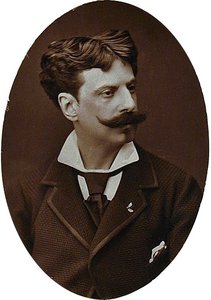
Alphonse de Neuville
1835 - 1885 , Francia
Gyors információk
- Artistic Movement Or Style: Akadémiai festészet
- Artists Or Movements Influenced By This Artist: ['Delacroix Eugène']
- Artists Who Influenced This Artist:
- Eugène Delacroix
- Picot François-Edouard
- Date Of Birth: 1835
- Date Of Death: 1885
- Full Name: Alphonse-Marie-Adolphe de Neuville
- Nationality: Francia
- Notable Artworks:
- A Védelmi csata Palma Majoron
- A Liget csapása
- Place Of Birth: Saint-Omer, Francia
Kapcsolódó cikkek

Goya Mesterművei: A Spanyol Lélek 25 Legikonikus Képe – OriginalUniqueArt
Fedezze fel Goya 25 leglenyűgözőbb mesterművét! Ismerje meg a spanyol festő életművét, portréit és ikonikus képeit. Vásároljon prémium minőségű reprodukciókat a OriginalUniqueArt.com-on, és teremtsen egyedi otthoni dekorációt klasszikus művészettel! Explore the full collection online.

Echoes of Trauma & Hope: Representing Transformation in Artworks of 1918
Explore the profound artistic responses to World War I's trauma & hope. Discover Expressionist masterpieces by Bacon, de Kooning & more. Expert insights for collectors & art enthusiasts at OriginalUniqueArt.

Rólunk
Fedezze fel történetünket! A világ legjobb művészetét hozzuk az életébe szakértő válogatással, egyedi alkotásokkal és ingyenes betekintésekkel. Magánszemélyek és vállalkozások számára is elismert 2000 óta.

Willem de Kooning: Abstraction, Gesture & the Evolution of Post-War American Painting
Explore the evolution of Willem de Kooning's iconic Abstract Expressionist paintings. Discover his signature style, key themes & investment potential with expert insights for discerning art collectors.

William Owen: A Poetic Vision of War & Landscape in British Modernism
Explore the poignant war poetry of Wilfred Owen, a key figure in British Modernism. Discover his innovative style, themes of loss & camaraderie, and lasting impact on 20th-century literature. Analysis & historical context included.