

 Megtekintés
 Küldés
 Megosztás
 Részletek
 Útmutató

 Letöltés
 Hasonló darabok
 X-ray felvétel
 Diavetítés
 Q&A
Q&A Statisztika
The Crucifixion
 Oil On Canvas
- WallArt
- Baroque Painting
 1638
1638- Early Modern
 173.0 x 265.0 cm
 Hermitázsmúzeum
 Összes részlet megjelenítése
Giclée / Műnyomat
Múzeumi minőségű giclée vagy vászonnyomat, gyors gyártással és rugalmas finomítási lehetőségekkel. ( Kézzel festett másolat rendelése Áttérés digitális képre)




P118B Ft10

P118H Ft10

P118W Ft10

P438Z Ft10

P508JH Ft12

P508YH Ft12

P805H Ft10

P805Z Ft10

P919BZ Ft10

P919G Ft10

P919XJ Ft10

P959ZH Ft10

P968JZ Ft12

W106C Ft8

W218G Ft10

W218JH Ft8

W218Y Ft10

W307PJ Ft10

W316G Ft10

W316PJ Ft8

W316Y Ft10

W398PJ Ft8

W4111J Ft10

W500HY Ft15

W500JH Ft15

W692G Ft12

W849H Ft8

W940BG Ft15

W953PJ Ft8




Válasszon előre meghatározott méreteink közül, amelyek megfelelnek a műalkotás eredeti arányainak.

Írja be a keretének vagy a falának megfelelő szélességet és magasságot. A nyomatot csak le lehet vágni, soha nem tehető nagyobbá, mint az eredeti kép, így egy eltérő alakú méretnél a kép egy része elveszik. Mielőtt bármit kinyatintanánk, küldünk egy digitális próbamodellt jóváhagyásra. Az oldalon látható kép nem tartalmazza a valós levágást — ezt csak a próbamodell mutatja meg.
Világszerte történő kiszállítás területére mindössze 2 hét alatt, a szokásos 4-5 hét helyett. (29 október)

Ingyenes globális expressz szállítás

Prémium minőségű len vászon

Teljes körű szállítási biztosítás

Vámvisszatérítési Garancia

Hiteles színarányosság garancia

100 napos visszaküldési lehetőség (csak hibás termékek esetén)

100% pénzvisszatérítési garancia

Több darab vásárlásakor kedvezmény
 Az üvegkeretes opció csak 110 cm alatti méretben érhető el

The Crucifixion
Giclée / Műnyomat
Reprodukció mérete
-


Összesített ár
Ft 25881
The Composition and Visual Elements
The painting presents a vertical arrangement centered on the figure of Jesus Christ upon a cross. The composition utilizes strong diagonal lines formed by his outstretched arms, which extend across the canvas. A light source positioned above illuminates the musculature of the torso and the pale flesh tones of the body, creating a sharp contrast against the surrounding dark background. This use of chiaroscuro leaves much of the periphery in deep shadow, where only two figures are faintly visible in the lower right corner. The cross itself introduces a rigid, geometric shape that anchors the organic form of the human figure. A white loincloth provides a singular point of brightness against the muted palette of browns, blacks, and grays. Visible brushstrokes appear on the skin and hair, adding a tactile quality to the oil on canvas.
Subject Matter and Symbolic Detail
The subject is the crucifixion of Christ, a central event in Christian theology. The physical vulnerability of the figure is emphasized through the depiction of nudity and the tension in the limbs. Above the head of the figure, the inscription INRI is present, identifying the religious context of the scene. The cross functions as a symbol of sacrifice and redemption. The background lacks deep perspective, with the space behind the central figure fading into an indistinct darkness that suggests an infinite void. This lack of environmental detail directs all attention to the physical suffering and the anatomical precision of the subject.
Historical Context and Artistic Technique
Created in 1638, this work belongs to the Baroque style. The technique relies on the interplay of light and shadow to define form and create emotional weight. Alonso Cano, a polymath from Granada, Spain, applied his understanding of anatomy—likely informed by his training in sculpture—to the rendering of the human body. The painting's execution reflects the influence of the Spanish Golden Age, specifically the lineage connecting him to Francisco Pacheco. The work is currently held in the Hermitage Museum in Saint Petersburg, Russia. The artist utilized oil on canvas to achieve a sense of weight and presence through controlled lighting and precise anatomical detail.
Kérdések és válaszok
Milyen formájú és méretű „The Crucifixion”, Alonso Cano alkotása?
A „The Crucifixion”, Alonso Cano alkotása egy Tall kompozíció, amely az eredeti méretét tekintve 173 x 265 cm-es.
Hol tekinthető meg az eredeti „The Crucifixion”, Alonso Cano alkotása?
A „The Crucifixion”, Alonso Cano alkotása eredeti darabja a Hermitázsmúzeum, Szentpétervár, Russia gyűjteményében található. A reprodukció lehetővé teszi, hogy a mű otthonában is megjelenjen.
Milyen az „The Crucifixion”, Alonso Cano alkotása általános hangulata?
A "The Crucifixion" Dramatic hangulatú.
A művész életrajza
Granada reneszánsz embere
Alonso Cano Almansa a spanyol aranykor egyedülálló alakjaként áll fenn, egy valódi polimat, akinek alkotó szelleme megtagadta, hogy egyetlen médiumba zárják. Granadában, Spanyolországban született, és ritka tehetség volt, aki a festészet, a szobrászat és az építészet különálló dínalmait egyaránt ugyanazzal a lelkesedéssel ovládta. Művészeti utazása édesapja, Miguel Cano vezetésével kezdődött, kitől az építészet alapvető elveit örökölte meg. Ez a szerkezeti megértés később is meghatározta vizuális műveiben megtalálható térbeli mélységet és monumentális jelenlétet.
Képzése a spanyol műv world legkiemelkedőbb hatásainak színes szövetét alkotta. A festészet terهén Juan del Castillo akadémiáján finomította ecsetvonásait, és Velázquez tiszteletelt tanárának, Francisco Pacheconek a diákja volt. Ez a származási vonal közvetlenül összekötötte őt a barokk korszak szívével, drámai feszültséggel és spirituális ragyogással áthatározva vászonait. Ezzel egy időben szobrászati tudása Juan Martínez Montañés mentorálásában alakult ki, lehetővé téve számára, hogy mély anatómiai eleganciával és érzelmi rezonanciával keltse életre a követsz kőből és fából.
A forma és a szellem mesterificiuma
Cano életművét az a rendkívüli képesség jellemzi, amellyel képes volt megörökíteni a istenit az emberi formán belül. Szobrászként maradandó hírnevet szerzett olyan alkotásokkal, mint a Lebrijában található Madonna és a gyermek, valamint monumentális, tekintélyt parancsoló Szent Péter és Szent Pál alakjai. Ezek a művek a méretarányok mesteri tudását és a fizikai jelenléten keresztül kiváltott mély vallásos ájtatozottságot demonstrálják.
Festményeiben Cano a barokk kor drámai technikáit alkalmazta, hogy intenzív spirituális találkozások pillanatait teremtse meg. Kompozícióiban gyakran megjelenik:
- A fény és az árnyék játéka, ahol láthatatlan fényforrások világítják meg a szent alakokat, mint például az Szent János evangélista Patmoszon című ábrázolásában.
- Érzelmi intimitás, amely olyan művekben látható, mint a Noli me Tangere, ahol a isteni kegyelem és az emberi vágy közötti feszültség érezhető.
- Az áldozatkészség súlya, amelyet a Halott Krisztus egy angyal által tartva című sötét és drámai jelenete örökít meg.
Örökség és királyi elismerés
Alonso Cano tehetségének jelentőségét a spanyol udvar legmagasabb szintjein felismerték. Presztízse lehetővé tette, hogy az első királyi építészszá, valamint IV. Fülöp király festőjévé váljon. Hatása egészen a következő generáció nevelésére is kiterjedt, hiszen tanárként szolgált a hercegnek, Balthasar Charlesnak. Ez a hatalomhoz való közelség lehetővé tette számára, hogy maradandó nyomot hagyjon Spanyolország építészeti tájára; különösen fontos, hogy a granadai katedrális főépítészeként szolgált, tervezve annak pompás homlokzatát, amely végül halál után állt fel.
Hivatalos címeken túl Cano öröksége az andalúz kultúra szerves részévé vált. Képesége az építészet szerkezeti szigorának, a szobrászat haptikus érzelmeinek és a festészet ragyogó történetmesélésének összefonására biztosítja helyét a spanyol barokk egyik legváltozatosabb és legfontosabb mestereként.

Alonso Cano
1601 - 1667 , Spanyolország
Rövid információk
- Ezt A Művészt Befolyásoló Művészek:
- Miguel Cano
- Juan del Castillo
- Francisco Pacheco
- Juan Martínez Montañés
- Halál Ideje: 1667
- Jelentős Művek:
- Szent János az evangélista Patmoszon
- A halott Krisztust egy angyal tartja
- Noli me Tangere
- A megmásolás
- Madonna és a gyermek
- Művészeti Irányzat Vagy Stílus: Barokk
- Nemzetiség: Spanyol
- Születési Hely: Granada, Spanyolország
- Születési Idő: 1601
- Teljes Név: Alonso Cano Almansa
Kapcsolódó cikkek

Baroque Classicism: The Grandeur of Order and Drama in 17th-Century Art History
Explore the profound elegance of Baroque Classicism. Discover how 17th-century masters synthesized dramatic emotion with classical order through the lens of the Counter-Reformation and the works of legends like Carlo Maratta and Andrea Sacchi.

The Visceral Stage: Exploring Dramatic Narratives & Emotional Intensity in Baroque Art
Explore the dramatic world of Baroque art! Discover iconic masters like Caravaggio & Rembrandt, their techniques, and the movement's lasting impact. Expert insights for collectors & enthusiasts at OriginalUniqueArt.

Divine Drama: Exploring the Most Visually Striking and Emotionally Intense Crucifixion Artworks in History
Dive into the raw emotion and dramatic lighting of history's most iconic crucifixion paintings. From Baroque tenebrism to modern surrealism, explore masterpieces that define visual intensity. Expertly curated for lovers of profound art and high-impact design.

The Dramatic Flourish: Exploring the Baroque Movement's Enduring Legacy in Art History
Explore the dramatic world of Baroque art! Discover iconic artists like Caravaggio & Rubens, defining techniques, and its lasting impact on art history. Expert insights for collectors & enthusiasts at OriginalUniqueArt.
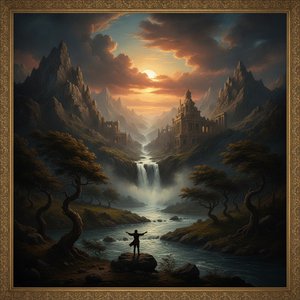
Epic Drama & Dark Vibes: The Ultimate Collector's Guide to Baroque Landscapes
Master the art of drama with our ultimate guide to Baroque landscapes. Discover the power of chiaroscuro, explore legendary masters, and learn how to curate epic, dark-vibe masterpieces for your collection with expert insights from OriginalUniqueArt.
