
 Megtekintés
 Küldés
 Megosztás
 Részletek
 Útmutató

 Letöltés
 Hasonló darabok
 X-ray felvétel
 Diavetítés
 Kérdések és válaszok
 Statisztika
George III (1738–1820)

- 246.0 x 163.0 cm


 Összes részlet megjelenítése
Giclée / Műnyomat
Múzeumi minőségű giclée vagy vászonnyomat, gyors gyártással és rugalmas finomítási lehetőségekkel. ( Kézzel festett másolat rendelése Áttérés digitális képre)




P118B Ft10

P118H Ft10

P118W Ft10

P438Z Ft10

P508JH Ft12

P508YH Ft12

P805H Ft10

P805Z Ft10

P919BZ Ft10

P919G Ft10

P919XJ Ft10

P959ZH Ft10

P968JZ Ft12

W106C Ft8

W218G Ft10

W218JH Ft8

W218Y Ft10

W307PJ Ft10

W316G Ft10

W316PJ Ft8

W316Y Ft10

W398PJ Ft8

W4111J Ft10

W500HY Ft15

W500JH Ft15

W692G Ft12

W849H Ft8

W940BG Ft15

W953PJ Ft8




Válasszon előre meghatározott méreteink közül, amelyek megfelelnek a műalkotás eredeti arányainak.

Írja be a keretének vagy a falának megfelelő szélességet és magasságot. A nyomatot csak le lehet vágni, soha nem tehető nagyobbá, mint az eredeti kép, így egy eltérő alakú méretnél a kép egy része elveszik. Mielőtt bármit kinyatintanánk, küldünk egy digitális próbamodellt jóváhagyásra. Az oldalon látható kép nem tartalmazza a valós levágást — ezt csak a próbamodell mutatja meg.
Világszerte történő kiszállítás területére mindössze 2 hét alatt, a szokásos 4-5 hét helyett. (5 november)

Ingyenes globális expressz szállítás

Prémium minőségű len vászon

Teljes körű szállítási biztosítás

Vámvisszatérítési Garancia

Hiteles színarányosság garancia

100 napos visszaküldési lehetőség (csak hibás termékek esetén)

100% pénzvisszatérítési garancia

Több darab vásárlásakor kedvezmény
 Az üvegkeretes opció csak 110 cm alatti méretben érhető el

George III (1738–1820)
Giclée / Műnyomat
Reprodukció mérete
-


Összesített ár
Ft 26301
A Vision of Royal Majesty
In the grand tapestry of eighteenth-century portraiture, few works command the room with as much authoritative grace as Allan Ramsay’s 1764 masterpiece, George III. This breathtaking portrait serves as more than a mere likeness; it is a profound window into the heart of the British monarchy during an era of immense transition. As the viewer gazes upon the King, they are immediately struck by the sheer scale and presence of the composition. Ramsay, a master of capturing both the physical essence and the psychological weight of his subjects, utilizes a rich, vibrant palette to breathe life into the royal figure. The deep, velvety tones of the drapery and the shimmering gold trim of the royal robes create a sensory experience that transcends the canvas, inviting collectors and art enthusiasts alike to step back into the gilded age of the Enlightenment.
The technical brilliance of this work lies in Ramsay’s ability to balance the meticulous detail of neoclassical precision with the dramatic flair of his Italian training. Having studied under masters like Francesco Solimena, Ramsay brought a sophisticated understanding of light and shadow—chiaroscroll—to the English court. In this portrait, the light does not merely illuminate; it sculpts. It catches the intricate textures of the King’s regalia, from the heavy, embroidered fabric of his mantle to the cold, hard glint of the scepter and sword. Every brushstroke serves a purpose, contributing to a sense of tactile reality that makes the royal splendor feel almost tangible. For the interior designer, such a piece offers an unparalleled focal point, providing a sense of historical weight and architectural grandeur to any sophisticated space.
Symbolism and the Language of Power
Beyond its aesthetic allure, the portrait is a complex semiotic map of sovereign authority. Every element held by George III is a deliberate symbol of his divine and temporal right to rule. The scepter, gripped firmly in one hand, represents his judicial power, while the sword serves as a reminder of his role as the protector of the realm. These instruments of statecraft are set against a backdrop of heavy, theatrical curtains, a classic trope in royal portraiture that creates an intimate yet staged atmosphere, suggesting that we are witnessing a moment of profound historical significance. The composition is designed to evoke awe, instilling a sense of stability and continuity in the viewer.
To possess a reproduction of this caliber is to invite a conversation about heritage, leadership, and the enduring beauty of classical art into one's home. It is an investment in atmosphere. Whether placed in a formal study, a grand dining hall, or a curated gallery wall, Ramsay’s depiction of George III acts as an anchor of elegance. The painting does not merely decorate a wall; it commands the environment, offering a timeless connection to the artistry and the political drama of the eighteenth century. It remains a captivating testament to the power of portraiture to immortalize not just a man, but an entire epoch of human history.
Kérdések és válaszok
Hogyan ötvölik a kontraszt és a harmónia a(z) "George III (1738–1820)" alkotásban?
A „George III (1738–1820)”, Allan Ramsay alkotása színes kompozíció egy Gentle kontrasztot és egy Unified Palette harmóniát ötvöz.
A „George III (1738–1820)” művészeti alkotás mentes a szerzői jogoktól?
A szerzői jogokkal kapcsolatban a "George III (1738–1820)" mű közösségi tulajdon – a szerzői jog lejártt.
George III (1738–1820) színei erőteljesnek vagy lágynak tűnnek?
A „George III (1738–1820)”, Allan Ramsay alkotása színei Balanced intenzitásúak.
A művész életrajza
Allan Ramsay: Az elegancia és a művészet élete
1713. október 13-án született Edinburghban, Allan Ramsay hamarosan kiemelkedő skót portréfestőként vált ismertté, akinek munkái korának kifinomultságát és eleganciáját örökítették meg. Művészeti útja huszonévesen kezdődött, amikor Londonba utazott tanulni a svéd festő, Hans Hysing keze alatt, majd az St. Martin's Lane Akadémián folytatta képzését. Ez alapvető oktatás szilárd alapot adott neki a technika és a kompozíció terén.
Ramsay művészeti fejlődése jelentős fordulatot vett, amikor Rómába és Nápolyba utazott, ahol három éven át (1736-1738) Francesco Solimena és Imperiali (Francesco Fernandi) tanítványaként dolgozott. Ezek az olasz mesterek mélyen befolyásolták stílusát, elősegítették a klasszikus elvek megértését és fejlesztették portrékészítő képességeit. Elnyerte a korabeli rokokó esztétikáját, miközben egyúttal elismerte a neoklasszicizmus ideáljait is.
1738-ban visszatérve Britanniába Ramsay gyorsan sikeres portréfestőként telepedett le. Képessége, hogy tárgyait pontosan és kecsesen ábrázolja, hamarosan megkülönböztetett közönséget szerzett neki. Legjelentősebb művei közé tartozik:
- Charlotte királynő (1744-1818) két legidősebb fiával (Royal Collection, London): Egy méltó ábrázolás, amely a királynő anyai jelenlétét mutatja be.
- Mary Degg, Lady Robert Manners (Scottish National Gallery, Edinburgh): Egy elegáns portré, amely Ramsay képességét bizonyítja az arisztokrata szépség megörökítésére.
- Duncan Forbes of Culloden feje: Ez a korai munka hívta fel rá a Duke of Argyll figyelmét, és később a Royal Bank of Scotland bankjegyein is szerepelt.
Ramsay pályájának kulcsfontosságú pillanata 1761-ben érkezett el, amikor III. György udvari festőjévé nevezték ki. Ez a rangos pozíció megerősítette helyét az elit művészek között és biztosította a királyi család és a felső társadalom folyamatos megrendeléseit. Ő vált a georgiánus kor *a* portréfestőjévé.
Ramsay élete későbbi szakaszában irodalmi törekvések felé fordult, ami széles szellemi érdeklődését tükrözte. A személyes tragédiák – a jobb karja véletlen ficamodása és második felesége 1782-ben bekövetkezett halála – azonban befolyásolták egészségét és termelékenységét. 1784-ben halt meg.
Ezek ellenére Ramsay maradandó örökséget hagyott Skócia egyik legünnepeltebb portréfestőjeként. Ahogy Samuel Johnson megjegyezte: „Szeretem Ramsayt. Nem fogsz találni egy embert sem, akinek a beszélgetésében több tanács, több információ és több elegancia lenne, mint Ramsayé.” Műveit továbbra is csodálják technikai tudásukért, kifinomult esztétikájukért és a XVIII. századi társadalom mélyreható ábrázolásaikért.
Történelmi jelentősége
Allan Ramsay hozzájárulása művészeti tehetségén túlmutat. Különleges szerepet játszott Skócia vizuális kultúrájának formálásában a társadalmi és politikai változások időszakában. Portréi értékes betekintést nyújtanak a skót nemesség és udvar életébe, szokásaiba és értékeibe. Műveit olyan helyeken találhatók meg, mint az Ayr Town Hall és a Scottish National Portrait Gallery.
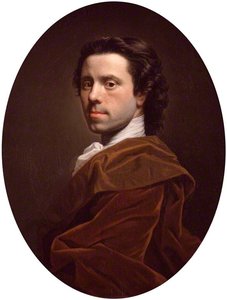
Allan Ramsay
1713 - 1784 , Egyesült Királyság
Rövid információk
- Halálozási Dátum: 1784
- Hatások:
- Hans Hysing
- Francesco Solimena
- Jelentős Művek:
- Queen Charlotte portré
- Mary Degg portré
- Duncan Forbes portré
- Művészeti Stílus: Rococo, Neoklasszicizmus
- Nemzetiség: Skót
- Születési Dátum: 1713-10-13
- Születési Hely: Edinburgh, Egyesült Királyság
- Teljes Név: Allan Ramsay
Kapcsolódó cikkek

Neoclassical Portraiture: The Timeless Elegance of Order, Grace, and Academic Mastery
Explore the refined world of Neoclassical portraiture. Discover the mastery of line, light, and order through an expert exploration of academic art history, from Jacques-Louis David to Jean-Antoine Houdon. Immerse yourself in the timeless elegance of classical realism.

Georges Seurat 25 Mesterműve: A Pontillizmus Zsenialitása – OriginalUniqueArt.com
Fedezze fel Georges Seurat 25 legikonikusabb művét! Ismerje meg a pontillizmus zsenialitását, az impresszionizmus forradalmát és a színek lenyűgöző játékát. Prémium minőségű reprodukciók és inspiráló otthoni dekorációk a OriginalUniqueArt.com-on. Fedezze fel a teljes gyűjteményt online!
A Neoklasszicizmus 10 Mesterműve: A Történelem Legikonikusabb Festményei és Szobrai
Fedezze fel a neoklasszicizmus 10 legikonikusabb műalkotását! Jacques-Louis David, Ingres és Canova remekművei elmesélnek egy korszakot. Múzeumi minőségű reprodukciók otthonába a OriginalUniqueArt.com kínálatából – inspirációt és eleganciát nyújtunk. Böngésszen online!

Allen Ramsay: Portraiture, Patronage & Shaping Georgian Identity
Explore the life & work of Allen Ramsay, pivotal portraitist to George III. Discover his Rococo style, influence on Georgian society, and lasting legacy in British art history. Learn about his key works & patronage.

Georges Braque Mesterek: A 25 Leglenyűgözőbb Kép, Ami Megváltoztatta a Modern Festészetet
Fedezze fel Georges Braque 25 legikonikusabb műalkotását! Ismerje meg a kubizmus történetét, Picasso hatását és a francia művész lenyűgöző festményeit. Múzeumi minőségű reprodukciók és inspiráló dekorációs ötletek a OriginalUniqueArt.com-on.


