

 Előnézet
 Megosztás
 Megosztás
 Részletek
 Útmutató

 Letöltés
 Hasonló darabok
 X-ray felvétel
 Diavetítés
 Statisztika
Flora Macdonald
 Oil On Canvas
- WallArt
- Rococo Portraiture
 1749
1749 74.0 x 61.0 cm
 Ashmolean Múzeum
 Tovább olvasom
Kézzel készített olajfestmény reprodukció
Kézzel festett olajvastú vászon, az Ön által választott méretben és keretben, művészeink készítik meglévőre. ( Váltás nyomtatványra Áttérés digitális képre)




P118B Ft10

P118H Ft10

P118W Ft10

P438Z Ft10

P508JH Ft12

P508YH Ft12

P805H Ft10

P805Z Ft10

P919BZ Ft10

P919G Ft10

P919XJ Ft10

P959ZH Ft10

P968JZ Ft12

W106C Ft8

W218G Ft10

W218JH Ft8

W218Y Ft10

W307PJ Ft10

W316G Ft10

W316PJ Ft8

W316Y Ft10

W398PJ Ft8

W4111J Ft10

W500HY Ft15

W500JH Ft15

W692G Ft12

W849H Ft8

W940BG Ft15

W953PJ Ft8




Válasszon előre meghatározott méreteink közül, amelyek megfelelnek a műalkotás eredeti arányainak.

Írja be a kívánt szélességet és magasságot, hogy illeszkedjen a keretéhez vagy a falához. Mivel ez kézzel festett alkotás, egy eltérő formájú méret esetén a művész akár festhet is valamivel többet a kép körül, vagy korolathat is belőle — az Ön döntésének megfelelően. A festés megkezdése előtt küldünk egy digitális tervezetet jóváhagyásra. Az oldalon látható kép nem tartalmazza a végeredményt — csak a tervezet mutatja meg a valódi eredményt.
A rendelést követően a OriginalUniqueArt.com csapata e-mailt küld az ügyfélnek az instrukciókért, és biztosít egy előnézeti képet (mockup).
Világszerte elérhető szállítás () 3-4 hét alatt a szokásos 5 hét helyett. (21 október). A minőség nem kérdőjelezhető.

Ingyenes globális expressz szállítás

Prémium minőségű len vászon

Teljes körű szállítási biztosítás

Vámvisszatérítési Garancia

Tökéletes színarányosság garancia

100 napos visszaküldési garancia (csak gyártási hibás termékek esetén)

100% pénzvisszatérítési garancia

Több darab vásárlásakor kedvezmény
 Az üvegkeretes opció csak 110 cm alatti méretben érhető el

Flora Macdonald
Reprodukciós technika
Reprodukció méretei
-


Összesített ár
Ft 94790
Flora Macdonald: A Portrait of Courage and Resilience
Allan Ramsay’s “Flora Macdonald,” painted in 1749, is more than just a likeness; it's a potent distillation of Scottish history, embodying the spirit of rebellion and the quiet heroism of an ordinary woman thrust into extraordinary circumstances. Housed within the Ashmolean Museum’s collection in Oxford, this oil on canvas portrait captures a pivotal moment – the clandestine assistance offered to Charles Edward Stuart after the devastating Battle of Culloden, a scene that has resonated through generations.
Ramsay, a master of capturing both aristocratic elegance and subtle emotion, skillfully portrays Flora as a young woman of striking composure. Her fair skin and dark hair are rendered with meticulous detail, styled in an updo indicative of the late 18th century’s fashion trends. The neutral expression on her face—a slight parting of her lips suggesting either a recent utterance or a thoughtful pause—allows the viewer to project their own interpretations onto her demeanor. The carefully chosen attire – a blue dress with a high collar and puffy sleeves, complemented by a vibrant red plaid shawl draped over her shoulder – speaks volumes about her social standing and adds a touch of warmth to the otherwise formal composition.
A Dramatic Narrative in Paint
The painting’s power lies not just in its technical brilliance but also in the narrative it conveys. The red plaid, instantly recognizable as associated with Clan MacDonald, immediately anchors Flora within her Highland heritage and subtly hints at the turbulent events surrounding her. Crucially, she holds a small bouquet of white and pink blooms – flowers often symbolizing purity, remembrance, and even sacrifice – suggesting both her role in protecting the Prince and the poignant cost of his ambition. The placement of her hand resting on what appears to be a chair or bench subtly conveys a sense of weary strength, hinting at the burdens she carried.
The dark background, punctuated by subtle hints of foliage, serves to isolate Flora as the central figure, amplifying her importance within the scene. Ramsay’s use of light is particularly noteworthy; it's soft and diffused, casting gentle shadows that add depth and dimension to the portrait, creating a sense of intimacy and drawing the viewer into Flora’s world.
Historical Context: A Heroine Forged in Rebellion
Flora Macdonald’s story is inextricably linked to the Jacobite rising of 1745. Following Culloden, she risked her life to help Charles Edward Stuart, the exiled heir to the throne, evade capture by government forces. Her bravery and resourcefulness – transporting the Prince disguised as a maidservant across the Highlands – became legendary, cementing her place in Scottish folklore. The painting captures this pivotal moment of defiance against overwhelming odds, transforming a simple Highland woman into a symbol of resistance.
It’s important to note that the portrait's attribution has been debated over time; initially believed to be Flora Macdonald, it is now widely considered to be a generic representation of a lady. However, its enduring popularity and association with the iconic story of her bravery ensure its continued significance within the art historical canon.
Symbolism and Emotional Resonance
Beyond the factual details of the Jacobite uprising, “Flora Macdonald” resonates deeply due to its exploration of themes such as courage, loyalty, and sacrifice. Flora’s quiet dignity and resolute expression speak volumes about her inner strength and unwavering commitment to a cause greater than herself. The painting invites contemplation on the complexities of historical events and the often-unrecognized heroism found in ordinary individuals. It's a powerful reminder that even in times of great upheaval, acts of kindness and bravery can leave an indelible mark on history – and on our collective imagination.
Gyakran Ismételt Kérdések
Milyen telítettséget és intenzitást mutat „Flora Macdonald”, Allan Ramsay alkotása?
A „Flora Macdonald”, Allan Ramsay alkotása színei Muted telítettséget és Monochromatic intenzitást mutatnak be.
Hogyan írják le „Flora Macdonald”, Allan Ramsay alkotása színezetét?
A „Flora Macdonald”, Allan Ramsay alkotása egy Earthy színpalettát használ. A paletta összefoglalja a mű egészében megnyilvánuló színes karaktert.
Teljes képernyős diaporámaként is megtekinthető a "Flora Macdonald"?
A „Flora Macdonald”, Allan Ramsay alkotása diaporámaként tekinthető a mű Diaváltás oldalán.
A művész életrajza
Allan Ramsay: Az elegancia és a művészet élete
1713. október 13-án született Edinburghban, Allan Ramsay hamarosan kiemelkedő skót portréfestőként vált ismertté, akinek munkái korának kifinomultságát és eleganciáját örökítették meg. Művészeti útja huszonévesen kezdődött, amikor Londonba utazott tanulni a svéd festő, Hans Hysing keze alatt, majd az St. Martin's Lane Akadémián folytatta képzését. Ez alapvető oktatás szilárd alapot adott neki a technika és a kompozíció terén.
Ramsay művészeti fejlődése jelentős fordulatot vett, amikor Rómába és Nápolyba utazott, ahol három éven át (1736-1738) Francesco Solimena és Imperiali (Francesco Fernandi) tanítványaként dolgozott. Ezek az olasz mesterek mélyen befolyásolták stílusát, elősegítették a klasszikus elvek megértését és fejlesztették portrékészítő képességeit. Elnyerte a korabeli rokokó esztétikáját, miközben egyúttal elismerte a neoklasszicizmus ideáljait is.
1738-ban visszatérve Britanniába Ramsay gyorsan sikeres portréfestőként telepedett le. Képessége, hogy tárgyait pontosan és kecsesen ábrázolja, hamarosan megkülönböztetett közönséget szerzett neki. Legjelentősebb művei közé tartozik:
- Charlotte királynő (1744-1818) két legidősebb fiával (Royal Collection, London): Egy méltó ábrázolás, amely a királynő anyai jelenlétét mutatja be.
- Mary Degg, Lady Robert Manners (Scottish National Gallery, Edinburgh): Egy elegáns portré, amely Ramsay képességét bizonyítja az arisztokrata szépség megörökítésére.
- Duncan Forbes of Culloden feje: Ez a korai munka hívta fel rá a Duke of Argyll figyelmét, és később a Royal Bank of Scotland bankjegyein is szerepelt.
Ramsay pályájának kulcsfontosságú pillanata 1761-ben érkezett el, amikor III. György udvari festőjévé nevezték ki. Ez a rangos pozíció megerősítette helyét az elit művészek között és biztosította a királyi család és a felső társadalom folyamatos megrendeléseit. Ő vált a georgiánus kor *a* portréfestőjévé.
Ramsay élete későbbi szakaszában irodalmi törekvések felé fordult, ami széles szellemi érdeklődését tükrözte. A személyes tragédiák – a jobb karja véletlen ficamodása és második felesége 1782-ben bekövetkezett halála – azonban befolyásolták egészségét és termelékenységét. 1784-ben halt meg.
Ezek ellenére Ramsay maradandó örökséget hagyott Skócia egyik legünnepeltebb portréfestőjeként. Ahogy Samuel Johnson megjegyezte: „Szeretem Ramsayt. Nem fogsz találni egy embert sem, akinek a beszélgetésében több tanács, több információ és több elegancia lenne, mint Ramsayé.” Műveit továbbra is csodálják technikai tudásukért, kifinomult esztétikájukért és a XVIII. századi társadalom mélyreható ábrázolásaikért.
Történelmi jelentősége
Allan Ramsay hozzájárulása művészeti tehetségén túlmutat. Különleges szerepet játszott Skócia vizuális kultúrájának formálásában a társadalmi és politikai változások időszakában. Portréi értékes betekintést nyújtanak a skót nemesség és udvar életébe, szokásaiba és értékeibe. Műveit olyan helyeken találhatók meg, mint az Ayr Town Hall és a Scottish National Portrait Gallery.
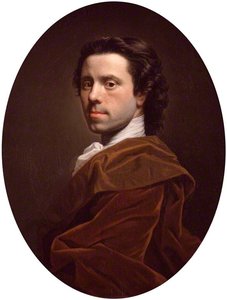
Allan Ramsay
1713 - 1784 , Egyesült Királyság
Gyors információk
- Halálozási Dátum: 1784
- Hatások:
- Hans Hysing
- Francesco Solimena
- Jelentős Művek:
- Queen Charlotte portré
- Mary Degg portré
- Duncan Forbes portré
- Művészeti Stílus: Rococo, Neoklasszicizmus
- Nemzetiség: Skót
- Születési Dátum: 1713-10-13
- Születési Hely: Edinburgh, Egyesült Királyság
- Teljes Név: Allan Ramsay
Kapcsolódó cikkek
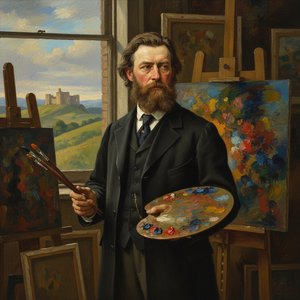
George Paul Chalmers: Rediscovering the Angus Rembrandt & Scottish Colourist Roots
Explore the captivating world of George Paul Chalmers (1833-1878), a pivotal Scottish painter. Discover his landscapes, portraits & connection to the Aesthetic Movement and Colourists. Learn about this 'Angus Rembrandt's' legacy with OriginalUniqueArt.
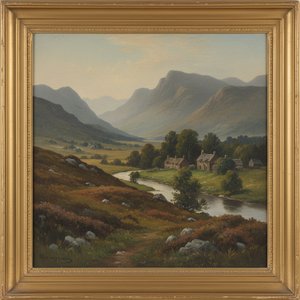
Sir John Watson Gordon: A Study in Scottish Landscape Painting & Tonal Impressionism
Explore the captivating portraits of Sir John Watson Gordon, a leading Scottish master. Discover his evolution from neoclassical style to atmospheric Tonalism and influence on 19th-century British art. Learn about his iconic sitters & legacy.

James Giles: Capturing Scottish Life Through the Lens of British Realism
Explore the life & work of James Giles (1801-1870), a master of Scottish landscape painting and favored artist of Queen Victoria. Discover his atmospheric realism & royal commissions.
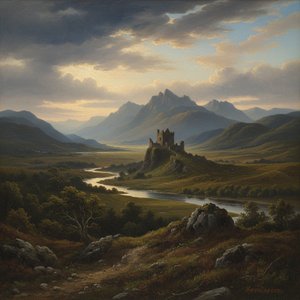
Alexander Nasmyth: Picturing Scotland's Romantic Landscape – Innovation & Identity
Explore the life & art of Alexander Nasmyth, a pivotal figure in Scottish Romantic landscape painting. Discover his iconic works, including portraits of Robert Burns, and learn about his lasting influence on national identity. Fine art reproductions available.

Allen Ramsay: Portraiture, Patronage & Shaping Georgian Identity
Explore the life & work of Allen Ramsay, pivotal portraitist to George III. Discover his Rococo style, influence on Georgian society, and lasting legacy in British art history. Learn about his key works & patronage.


