

 Előnézet
 Megosztás
 Megosztás
 Részletek
 Útmutató

 Letöltés
 Hasonló darabok
 X-ray felvétel
 Diavetítés
 Statisztika
Autumn Flowers


 Tovább olvasom
Kézzel készített olajfestmény reprodukció
Kézzel festett olajvastú vászon, az Ön által választott méretben és keretben, művészeink készítik meglévőre. ( Váltás nyomtatványra Áttérés digitális képre)




P118B Ft10

P118H Ft10

P118W Ft10

P438Z Ft10

P508JH Ft12

P508YH Ft12

P805H Ft10

P805Z Ft10

P919BZ Ft10

P919G Ft10

P919XJ Ft10

P959ZH Ft10

P968JZ Ft12

W106C Ft8

W218G Ft10

W218JH Ft8

W218Y Ft10

W307PJ Ft10

W316G Ft10

W316PJ Ft8

W316Y Ft10

W398PJ Ft8

W4111J Ft10

W500HY Ft15

W500JH Ft15

W692G Ft12

W849H Ft8

W940BG Ft15

W953PJ Ft8




Válasszon előre meghatározott méreteink közül, amelyek megfelelnek a műalkotás eredeti arányainak.

Ön megadhat saját méreteket egy adott kerethez vagy térhez igazításhoz. Ha a kiválasztott méret nem egyezik az eredeti kép arányával, akkor a műalkotást levágjuk, vagy további kézzel festett elemekkel meghosszabbítjuk a festményt. A gyártás megkezdése előtt küldünk Önnek egy digitális előnézetet jóváhagyásra.
Kérjük, vegye figyelembe, hogy a képernyőn megjelenő előnézet nem tükrözi a tényleges vágást vagy kiterjesztést. Csak az előnézet fog pontosan mutatni a végső kompozíciót.
Bár egyedi méretek állnak rendelkezésre, javasoljuk, hogy válasszon egy méretet az előre meghatározott listából az eredeti arányok megőrzése érdekében.
A rendelést követően a OriginalUniqueArt.com csapata e-mailt küld az ügyfélnek az instrukciókért, és biztosít egy előnézeti képet (mockup).
Világszerte elérhető szállítás () 3-4 hét alatt a szokásos 5 hét helyett. (8 október). A minőség nem kérdőjelezhető.

Ingyenes globális expressz szállítás

Prémium minőségű len vászon

Teljes körű szállítási biztosítás

Vámvisszatérítési Garancia

Tökéletes színarányosság garancia

100 napos visszaküldési garancia (csak gyártási hibás termékek esetén)

100% pénzvisszatérítési garancia

Több darab vásárlásakor kedvezmény
 Az üvegkeretes opció csak 110 cm alatti méretben érhető el

Autumn Flowers
Reprodukciós technika
Reprodukció méretei
-


Összesített ár
Ft 93815
A Portrait of a Moment: The Enigmatic Beauty of *Autumn Flowers*
Alfred Stevens’s *Autumn Flowers*, painted in 1867, isn't merely a depiction of a woman amidst flowers; it’s an exquisitely crafted meditation on stillness, light, and the subtle poetry of everyday life. At first glance, the painting presents a seemingly simple arrangement: a seated lady, her posture suggesting quiet contemplation, surrounded by a still-life tableau of fabrics, blossoms, and a delicately rendered table. Yet, beneath this surface lies a profound exploration of form, color, and the very essence of observation – a hallmark of Stevens’s unique artistic vision.
Stevens, a pivotal figure in 19th-century Belgian art, deliberately eschewed the prevailing trends of his time. Rejecting the fleeting effects of Impressionism's vibrant light and atmosphere, he instead focused on capturing an immutable quality – the frozen gesture, the fixed expression, the enduring presence of the subject. This deliberate choice is powerfully evident in *Autumn Flowers*. The woman’s hand, poised as if about to touch a flower, isn’t caught in motion; it's suspended, imbued with a sense of timelessness. Her gaze, directed slightly off-canvas, invites us into her private world, suggesting an inner life beyond the immediate scene.
The Language of Color and Texture: Stevens’s Masterful Technique
What immediately draws the eye is Stevens's extraordinary command of color and texture. He employs a remarkably restrained palette – primarily shades of grey, black, and muted browns – punctuated by flashes of pastel pink, chestnut brown, and the glossy sheen of the table cover. This deliberate limitation isn’t a sign of restraint but rather a strategic choice to emphasize form and light. The artist masterfully utilizes chiaroscuro, creating dramatic contrasts between light and shadow that sculpt the figures and objects with remarkable precision. Notice how the highlights on the woman's chignon and the delicate folds of her dress draw our attention while simultaneously deepening the shadows around her face, lending a sense of mystery and depth.
Stevens’s technique is equally noteworthy for its meticulous detail. He employs a smooth, almost polished surface – reminiscent of 17th-century Dutch masters like Rembrandt and Vermeer – achieved through careful layering of paint and the use of a knife to blend colors seamlessly. This creates an illusion of tactile reality, inviting us to reach out and touch the fabrics, feel the texture of the flowers, and appreciate the subtle variations in color and tone. The artist’s attention to detail extends beyond mere representation; it's a deliberate attempt to capture the *essence* of each element within the composition.
Symbolism and the Portrait of Modernity
Beyond its technical brilliance, *Autumn Flowers* is rich in symbolic meaning. The woman herself represents a type of modern femininity – poised, elegant, and seemingly detached from the bustle of Parisian life. Her attire, with its jet frills and flounces, speaks to the fashionable trends of the era while simultaneously conveying a sense of quiet dignity. The surrounding still-life elements—the fabrics, flowers, and table—are not merely decorative; they function as a carefully constructed visual language, hinting at themes of luxury, domesticity, and the fleeting beauty of life.
Stevens’s comparison to Gustave Vanzype – that the painting is a still life composed of the fabrics in which she is dressed and the things around her – reveals a deeper intention. He wasn't simply depicting a woman; he was creating a miniature world, a carefully orchestrated tableau that captures a specific moment in time and reflects the values and aesthetics of his era. The reference to Whistler’s ambition to “use colours to compete with the musician who uses sounds” underscores Stevens’s own desire to elevate color from mere decoration to an expressive element within the painting.
A Legacy of Stillness: Stevens's Enduring Appeal
*Autumn Flowers* stands as a testament to Alfred Stevens’s singular artistic vision. It is a painting that rewards careful observation, inviting us to linger and contemplate its subtle nuances. Its enduring appeal lies not in dramatic gestures or fleeting effects but in its quiet beauty, its masterful technique, and its profound exploration of the human condition. Reproductions of this captivating work offer a window into a bygone era, capturing the elegance and sophistication of 19th-century Parisian life while simultaneously reminding us of the timeless power of stillness and observation.
Gyakran Ismételt Kérdések
Megtekinthető „Autumn Flowers”, Stevens Alfred alkotása a saját falamon vásárlás előtt?
A(z) "Autumn Flowers" mű kiterjesztett valóság (AR) előnézettel rendelkezik: a mű AR előnézet oldala kompatibilis eszközön megtekinthető saját környezetében.
Mennyi éves volt Stevens Alfred, amikor megalkotta a "Autumn Flowers" alkotást 1867 årban?
Stevens Alfred 44 éves volt, amikor 1867 évben megalkotta a "Autumn Flowers" alkotást. A korúsítás az alkotó születési évéből, 1823 fel основании került kiszámítva.
Hogyan egyensúlyozza a fényt és a sötétséget a "Autumn Flowers"?
A „Autumn Flowers”, Stevens Alfred alkotása fényerősége deep_shadow, luminanciája pedig Dark.
Ki a "Autumn Flowers" alkotója?
A "Autumn Flowers" alkotója Stevens Alfred. A mű Stevens Alfred nevére van katalógusozva.
Melyik évben készült a „Autumn Flowers”, Stevens Alfred alkotása?
A „Autumn Flowers”, Stevens Alfred alkotása alkotása 1867-ben készült.
A „Autumn Flowers”, Stevens Alfred alkotása portré, tájékép vagy négyzet alakú kompozíció?
A „Autumn Flowers”, Stevens Alfred alkotása egy Portrait kompozíció. A nyomtatási méret kiválasztása előtt érdemes ellenőrizni az arányokat.
Vannak a „Autumn Flowers” alkotáshoz hasonló művek?
A "Autumn Flowers" alkotással hasonló művek a festmény Hasonló műalkotások oldalán találhatók.
A művész életrajza
korai életút és képzés
alfred émile léopold stevens, a belgia egyik legmeghatározóbb festője, 1823. május 11-én született Brüsszelben, egy olyan családban, amelynek szívét a vizuális művészetek adták. A művész nem egyedül indult el az alkotás útján: bátyja, joseph (1816–1892) és fia, léopold (1866–1935) is festőként tevékenykedett, míg egy másik testvére, arthur (1825–99) műkereskedként és kritikusként járta be a művészet világát.művészi pályafutás
stevens művészeti utazása a brüsszeli académie royale des beaux-arts intézményben kezdődött, ahol François Navez neoklasszikus festő irányítása alatt sajátította maga be a technikákat. 1843-ban Párizs felé indult, hogy társaságát forgassák bátyja, joseph munkatársa, és bekerült az école des beaux-arts rangos intézményébe. Bár vitatott, hogy Jean Auguste Dominique Ingres volt-e valódi tanára, stevens korai alkotásai, mint például a 1849-es bocsánatkérés (the pardon or absolution, a hermitage, Szentpéterburg), már akkor megmutatták azt a mesteri tudást és a hagyományos naturalizmusot, amelyet a 17. századi holland műfajos festészet hatása formált.a hírnév elérése
a festő munkái először 1851-ben kerültek nyilvánosságra a brüsszeli szalonban, ami rövid időn belül számos elismeréssel járult hozzá: 1853-ban harmadosztályú érmet kapott a párizsi szalonon, majd 185 मद्देनző 1855-ös párizsi világkiázson második osztályú érmével bizonyította tehetségét. Egy olyan alkotása, mint a ce qu'on appelle le vagabondage (d’Orsay múzeum, Párizs), napoleon iii figyelmét is felkeltette, ami jelentős társadalmi változásokhoz vezetett a szegények sorsa tekintetében.kiemelt művek és örökség
- a 1866-ban készült la dame en rose vagy a rózsaszínű nő (belgiai Szépművészeti Múzeum, Brüsszel) kiváló példája ennek az időszaknak, ahol a divatosan öltözött nő alakját a japán tárgyak részletgazdag vizsgálata egészíti ki.
- stevens 1863-ban a francia állam kitüntette neki a Légion d'honneur rendjének lovag (chevalier) címét, majd 1867-ben tiszt (officier) rangra is emelték.

Stevens Alfred
1823 - 1906 , Belgium
Gyors információk
- Artistic Movement Or Style: Akadémiai realizmus
- Artists Who Influenced This Artist:
- Jean Auguste Dominique Ingres
- Holland mesterek
- Date Of Birth: 1823. májales 11.
- Date Of Death: 1906
- Full Name: Alfred Émile Léopold Stevens
- Nationality: Belga
- Notable Artworks:
- La Dame en Rose
- Visit to the Studio
- Dessin préparatoire au 'Panorama du siècle', 'L'Impératrice Joséphine et sa Cour
- Place Of Birth: Brüsszel, Belgium
Kapcsolódó cikkek

Sir Alfred James Munnings legszebb 25 festménye – A vidéki Anglia és a lovak mestere | OriginalUniqueArt
Fedezze fel Sir Alfred James Munnings 25 legszebb festményét! Ismerje meg a vidéki Anglia és a lovak mesterének életművét, technikáját és inspirációit. Vásároljon exkluzív reprodukciókat a OriginalUniqueArt.com-on – múzeumi minőségben!

Alfred Stevens: Capturing Parisian Life with Intimate Realism & Symbolist Flair
Explore the captivating world of Alfred Stevens, a pioneer of intimate realism & Symbolist painting. Discover his elegant portraits of Parisian women and learn about his Dutch influences & lasting legacy. Art history insights at OriginalUniqueArt.
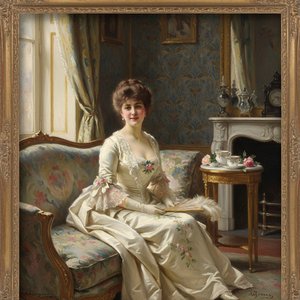
Alfred Stevens: Capturing Parisian Elegance & Fin-de-Siècle Intimacy
Discover the captivating world of Alfred Stevens, master of Parisian elegance & intimate portraiture. Explore his techniques, influences, and legacy – a prized collection for discerning art enthusiasts.

Romantic Realism's Finest: 10 Masterpieces for Your Home | OriginalUniqueArt
Explore 10 defining masterpieces of Romantic Realism! Discover Courbet, Millet & Daumier's powerful paintings—capturing emotion and social realities. Find museum-quality reproductions for your home at OriginalUniqueArt.com.
A realizmus 10 mesterműve: Klasszikus festmények otthonába – OriginalUniqueArt.com
Fedezze fel a realizmus 10 legikonikusabb műalkotását! Gustave Courbet, Millet és más mesterek festményeinek történetét olvassa el. Múzeumi minőségű reprodukciók otthonába – OriginalUniqueArt.com kínálatából. Explore the full collection online!