

 Megtekintés
 Küldés
 Megosztás
 Részletek
 Útmutató

 Letöltés
 Hasonló darabok
 X-ray felvétel
 Diavetítés
 Q&A
Q&A Statisztika
Étagère


 Összes részlet megjelenítése
Giclée / Műnyomat
Múzeumi minőségű giclée vagy vászonnyomat, gyors gyártással és rugalmas finomítási lehetőségekkel. ( Kézzel festett másolat rendelése Áttérés digitális képre)




P118B Ft10

P118H Ft10

P118W Ft10

P438Z Ft10

P508JH Ft12

P508YH Ft12

P805H Ft10

P805Z Ft10

P919BZ Ft10

P919G Ft10

P919XJ Ft10

P959ZH Ft10

P968JZ Ft12

W106C Ft8

W218G Ft10

W218JH Ft8

W218Y Ft10

W307PJ Ft10

W316G Ft10

W316PJ Ft8

W316Y Ft10

W398PJ Ft8

W4111J Ft10

W500HY Ft15

W500JH Ft15

W692G Ft12

W849H Ft8

W940BG Ft15

W953PJ Ft8




Válasszon előre meghatározott méreteink közül, amelyek megfelelnek a műalkotás eredeti arányainak.

Írja be a keretének vagy a falának megfelelő szélességet és magasságot. A nyomatot csak le lehet vágni, soha nem tehető nagyobbá, mint az eredeti kép, így egy eltérő alakú méretnél a kép egy része elveszik. Mielőtt bármit kinyatintanánk, küldünk egy digitális próbamodellt jóváhagyásra. Az oldalon látható kép nem tartalmazza a valós levágást — ezt csak a próbamodell mutatja meg.
Világszerte történő kiszállítás területére mindössze 2 hét alatt, a szokásos 4-5 hét helyett. (28 október)

Ingyenes globális expressz szállítás

Prémium minőségű len vászon

Teljes körű szállítási biztosítás

Vámvisszatérítési Garancia

Hiteles színarányosság garancia

100 napos visszaküldési lehetőség (csak hibás termékek esetén)

100% pénzvisszatérítési garancia

Több darab vásárlásakor kedvezmény
 Az üvegkeretes opció csak 110 cm alatti méretben érhető el

Étagère
Giclée / Műnyomat
Reprodukció mérete
-


Összesített ár
Ft 25881
Étagère – Egy Elegáns Megközelítés Érdeme
Az Étagère egy francia szó, mely egy dísztárgyat jelöl meg, gyakran egy magas konzolasztalt. Ez a műalkotás azonban több mint egyszerű bútor; őszinte tükör az időszak szellemét és az anyaghasználat kifinomultságát mutatja meg. Alexandre Roux étagérese, melyet a Metropolitan Museum of Art tulajdonít, különösen fontos szerepet játszik a XIX. századi amerikai lakberendezés történetében és művészi hagyományában. Ez a darab egy igazi klasszis példája annak, hogy milyen gondosan kerültek előre az anyagok kiválasztására és megmunkálására. Roux és társai, akik Franciaországban kezdtek el foglalkozni bútorgyártással és akik nagy számban érkeztek Amerikába, különösen ügyesen használták fel a Rococo Revival stílust – egy korszakot, mely visszatekintett az európai XVIII. századi fényűzőségre és eleganciára. Az étagérese nem csak dísztárgyként szolgált, hanem bizonyítja Roux művészi tudását és kreativitását is. Együtt jelentős mértékben hozzájárultak ahhoz, hogy amerikai otthonok belülről milyen látványt teremtsenek meg. A műalkotás színezetében dominálják a mélykék és aranyszínű árnyalatok, melyek együttesen érzékelhetővé teszik az anyag fényességét és részleteit. Az étagérese alapanyagául szerves anyagokat használtak fel – főként magas színvonalú rózsaszín furnérozott faanyagot –, ami különösen nagy jelentőséget kapott Roux művészi megközelítésében és egyéniségében. Együtt ezekkel az anyagokkal és technikával értek el igazán maradéktalan eredményeket, melyek tükröződnek az étagérese komplex geometriájában és díszítő elemeiben. A műalkotás alkotója nagy tudással rendelkezett a különböző anyagok előállításának és feldolgozásának módjával – különösen pedig a furnérozott faanyag készítésével –, ami egyértelmű bizonyíték arra, hogy Roux nem csak egy kiváló bútorgyártó volt, hanem egy igazán művészi személyiség is. Együtt ezekkel az ismeretekkel és tapasztalattal érte el azt a magas szintű szakmai tudást és kreativitást, melyet az étagérese alkotása bizonyítja meg. Roux és társai nagy odaadással dolgozták meg ezt a projektet és egyéni értéket helyeztek előt neki – ami pedig örökvégi művészi hagyományt eredményezett.Kérdések és válaszok
Milyen érzést közvetít a „Étagère”, Alexandre Roux alkotása?
A "Étagère" alkotásban egy Elegáns hangulat kíséri egy Nyugodt érzelmet.
Megtekinthető „Étagère”, Alexandre Roux alkotása a saját falamon vásárlás előtt?
A „Étagère”, Alexandre Roux alkotása mű kiterjesztett valóság technológiával, egy kompatibilis eszközön keresztül, a mű Kiterjesztett valóság előnézet oldalán megtekinthető a saját falán is.
Honnan érkeznek a „Étagère”, Alexandre Roux alkotása látogatói?
A „Étagère”, Alexandre Roux alkotása Statisztikák oldala a nyilvános látogatási statisztikákat mutatja be: az alkotás havi látogatottságát, összehasonlításban a művész legnézettebb alkotásaival, valamint a látogatók származási helyét.
A művész életrajza
Alexandre Roux: The Parisian Cabinetmaker Who Shaped American Style
Born in the heart of Paris in 1813, Alexandre Roux’s journey from a skilled craftsman to a celebrated furniture maker in New York City is a testament to ambition, talent, and an astute understanding of evolving aesthetic tastes. Initially trained within the traditional workshops of his native France, Roux’s career took a pivotal turn when he immigrated to America in 1844, establishing himself as a prominent figure in the burgeoning world of American furniture design. His legacy isn't defined by grand, revolutionary movements but rather by a consistent dedication to exquisite detail and a masterful command of the Rococo Revival style – a style that profoundly influenced the interiors of wealthy homes across the United States during the mid-19th century.
Roux’s early life instilled in him a deep appreciation for craftsmanship. While specific details about his family are scarce, it's clear he was raised within a lineage of artisans, absorbing techniques and an inherent understanding of materials. This foundation proved invaluable as he navigated the challenges of establishing a business in a new country. New York City, with its rapid growth and influx of European immigrants, presented both opportunities and competition. Roux quickly distinguished himself through his commitment to quality, utilizing premium materials like black walnut and incorporating intricate carvings that echoed the elegance of 18th-century France. His workshops became renowned for producing furniture that was not merely functional but also a statement of refined taste – a direct reflection of the Rococo Revival’s emphasis on ornamentation, curves, and luxurious finishes.
Notable Works and Artistic Style
Roux's work is characterized by an almost obsessive attention to detail. He wasn’t simply replicating historical styles; he was interpreting them with a distinctly American sensibility. His pieces often featured elaborate motifs – shells, scrolls, floral patterns – meticulously carved into the wood and finished with lustrous varnish. The “Parlor Cabinet,” perhaps his most celebrated creation, exemplifies this perfectly. This stunning piece showcases Roux's ability to seamlessly blend intricate designs with exquisite materials, creating a work that is both visually arresting and remarkably tactile. The inclusion of a bowl on one side and a mirror on the other adds an element of surprise and sophistication, demonstrating Roux’s understanding of how furniture could function as a sculptural object within a room.
Beyond the Parlor Cabinet, works like “Still Life Fish” offer further insight into Roux's artistic approach. While categorized as an oil painting, this piece reveals his keen eye for texture and light – qualities he undoubtedly translated to his furniture designs. The meticulous rendering of scales and reflections suggests a desire to capture not just the appearance but also the essence of the subject matter. This attention to realism, combined with a subtle impressionistic touch, sets Roux apart from purely academic painters.
Influence and Historical Context
Alexandre Roux’s rise coincided with a significant shift in American interior design. Following the War of 1812, there was a renewed interest in European styles, particularly those of the French monarchy. The Rococo Revival, characterized by its ornate detailing and emphasis on luxury, became immensely popular among wealthy Americans seeking to emulate the elegance of European aristocracy. Roux’s furniture played a crucial role in shaping this trend, providing a tangible link to the past while simultaneously reflecting the aspirations of the burgeoning American elite.
His work was showcased at the 1853 New York Crystal Palace Exhibition, a pivotal event that brought together innovations from across the globe. This exposure undoubtedly solidified Roux’s reputation and contributed to the growing demand for his furniture. The commission from the Astor family—a testament to his skill—further elevated his status within the American design community.
Legacy and Recognition
While Alexandre Roux may not be as widely recognized as some of his contemporaries, his contributions to American furniture design are undeniable. His pieces can be found in prestigious collections such as the Musée Baron Gérard in Bayeux, France, a testament to their enduring quality and artistic merit. The Metropolitan Museum of Art also holds an example of his work – a sideboard that provides valuable insight into his craftsmanship and stylistic choices. His influence extends beyond individual pieces; Roux helped establish a precedent for American furniture makers who sought to blend European tradition with local sensibilities, ultimately shaping the evolution of American design.
Alexandre Roux’s story is one of transatlantic ambition, artistic dedication, and a profound understanding of the power of beauty. His legacy lives on in the exquisite furniture he created – pieces that continue to inspire admiration for their craftsmanship, elegance, and enduring appeal.

Alexandre Roux
1813 - 1886 , France
Rövid információk
- Full Name: Alexandre Roux
- Nationality: French
- Date Of Birth: 1813
- Date Of Death: 1886
- Place Of Birth: Paris, France
- Notable Artworks:
- Parlor Cabinet
- Still life fish
- Artistic Movement Or Style: Rococo Revival, Victorian Furniture
Kapcsolódó cikkek

The Elegance of Rococo: A Journey Through Pastel Dreams and Ornate Splendor
Embark on an elegant journey through the Rococo era. Discover the delicate beauty of pastel masterpieces, the intricate artistry of 18th-century French masters, and how this era of ornate splendor continues to inspire timeless luxury in fine art collecting.

The Rococo Aesthetic: Opulence, Rebellion & the Pursuit of Pleasure in 18th-Century Art
Explore the opulent world of Rococo art! Discover its origins, key artists like Watteau & Boucher, and lasting influence on design. Expert insights for collectors & enthusiasts.
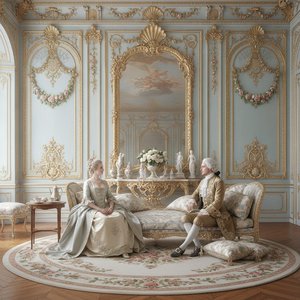
Rococo Art Guide: Elegance, Ornamentation, and the Era of Luxury
Explore the elegance of Rococo art. From Watteau to Fragonard, discover the history, aesthetics, and masters of 18th-century luxury in this expert guide for art lovers and collectors.

Rococo Art Guide: Integrating Elegant Curves and Pastel Opulence into Luxury Hotel Design
Master the Rococo aesthetic for luxury hospitality. Our expert guide explores integrating pastel palettes, ornate curves, and large-scale fine art reproductions into high-end hotel design through professional procurement and custom canvas solutions.

A Rokoko Mesterek: 10 alkotás, mely meghatározta a művészetet | OriginalUniqueArt.com
Fedezze fel a Rokoko művészet 10 legikonikusabb remekművét! Ismerje meg Watteau, Boucher és Fragonard festményeinek történetét. Elegáns dekorációk inspirációja – OriginalUniqueArt.com kínálatában megtalálható minden művészi nyomat. Explore the full collection online!
