

 Előnézet
 Megosztás
 Megosztás
 Részletek
 Útmutató

 Letöltés
 Hasonló darabok
 X-ray felvétel
 Diavetítés
 Statisztika
Orestes


 Tovább olvasom
Kézzel készített olajfestmény reprodukció
Kézzel festett olajvastú vászon, az Ön által választott méretben és keretben, művészeink készítik meglévőre. ( Váltás nyomtatványra Áttérés digitális képre)




P118B Ft10

P118H Ft10

P118W Ft10

P438Z Ft10

P508JH Ft12

P508YH Ft12

P805H Ft10

P805Z Ft10

P919BZ Ft10

P919G Ft10

P919XJ Ft10

P959ZH Ft10

P968JZ Ft12

W106C Ft8

W218G Ft10

W218JH Ft8

W218Y Ft10

W307PJ Ft10

W316G Ft10

W316PJ Ft8

W316Y Ft10

W398PJ Ft8

W4111J Ft10

W500HY Ft15

W500JH Ft15

W692G Ft12

W849H Ft8

W940BG Ft15

W953PJ Ft8




Válasszon előre meghatározott méreteink közül, amelyek megfelelnek a műalkotás eredeti arányainak.

Írja be a kívánt szélességet és magasságot, hogy illeszkedjen a keretéhez vagy a falához. Mivel ez kézzel festett alkotás, egy eltérő formájú méret esetén a művész akár festhet is valamivel többet a kép körül, vagy korolathat is belőle — az Ön döntésének megfelelően. A festés megkezdése előtt küldünk egy digitális tervezetet jóváhagyásra. Az oldalon látható kép nem tartalmazza a végeredményt — csak a tervezet mutatja meg a valódi eredményt.
A rendelést követően a OriginalUniqueArt.com csapata e-mailt küld az ügyfélnek az instrukciókért, és biztosít egy előnézeti képet (mockup).
Világszerte elérhető szállítás () 3-4 hét alatt a szokásos 5 hét helyett. (21 október). A minőség nem kérdőjelezhető.

Ingyenes globális expressz szállítás

Prémium minőségű len vászon

Teljes körű szállítási biztosítás

Vámvisszatérítési Garancia

Tökéletes színarányosság garancia

100 napos visszaküldési garancia (csak gyártási hibás termékek esetén)

100% pénzvisszatérítési garancia

Több darab vásárlásakor kedvezmény
 Az üvegkeretes opció csak 110 cm alatti méretben érhető el

Orestes
Reprodukciós technika
Reprodukció méretei
-


Összesített ár
Ft 94790
A Portrait of Psychological Turmoil
In the hallowed halls of the Musée des Beaux-Arts in Béziers, there exists a canvas that breathes with the heavy, restless energy of a soul in conflict. Alexandre Cabanel’s Orestes, completed in 1846, is far more than a mere recitation of Greek mythology; it is a profound exploration of human vulnerability and the weight of destiny. The painting captures the mythological hero at a moment of intense internal struggle, his form partially draped in fabric that clings to him like the very shadows of his fate. As he reclines, his gaze and gesture directed toward an unseen presence off-camera, the viewer is pulled into a silent dialogue of tension and anticipation. This is not just a scene from antiquity, but a window into the universal experience of facing one's own shadows.
The composition is a masterclass in the Beaux Arts aesthetic, where classical perfection meets the raw, emotive power of Romanticism. Cabanel, a student of the rigorous François-Édouard Picot, utilizes the disciplined anatomical precision of the academic tradition to ground his subject in reality. Yet, he transcends mere representation through his masterful use of chiaroscuro. The dramatic interplay between light and dark serves to sculpt the central figure, illuminating the muscular grace of his torso and the delicate crown of leaves upon his head, while simultaneously swallowing the surrounding figures into a murky, contemplative gloom. This technique creates a palpable sense of volume and texture, making the skin appear soft yet resilient, and the atmosphere thick with an almost suffocating sense of unease.
The Intersection of Myth and Emotion
To understand Orestes, one must look to the cultural currents of mid-19th century France. During this era, the Romantic movement was beginning to challenge the rigid, often sterile formalism of Neoclassicism, favoring instead the sublime, the imaginative, and the deeply psychological. Cabanel captures this transition perfectly. While the subject matter—the tragic hero Orestes—is rooted in the classical canon, the execution is steeped in the emotional fervor of his time. The painting reflects a fascination with the complexities of morality and the inescapable nature of fate, themes that resonated deeply with an audience navigating their own era of profound social and political shifts.
Every element within the frame contributes to this narrative of tension. The presence of secondary figures in the background, partially obscured by shadow, suggests a world watching, judging, or perhaps waiting for the hero's next move. The inclusion of classical artifacts, such as the ancient vases and the bowl positioned near the edge of the scene, provides a sense of historical weight and ritualistic importance. For the collector or the interior designer, this piece offers more than just visual beauty; it offers a focal point of intellectual and emotional depth. A high-quality reproduction of Orestes brings into a contemporary space a sense of timeless drama and a sophisticated appreciation for the mastery of French Academic Realism, making it an ideal centerpiece for those who seek art that speaks to the complexities of the human condition.
Gyakran Ismételt Kérdések
Milyen színtelítettséggel rendelkezik „Orestes”, Cabanel alkotása?
A „Orestes”, Cabanel alkotása alkotás Muted telítettségű színekkel készült.
Mennyi volt Cabanel életkora, amikor a "Orestes" készült?
Cabanel 23 éves volt, amikor 1846 évben megalkotta a "Orestes" alkotást. A korúsítás az alkotó születési évéből, 1823 fel основании került kiszámítva.
Milyen felhasználásra javasolt a „Orestes”, Cabanel alkotása?
A „Orestes”, Cabanel alkotása javasolt felhasználása Statement. Emellett más célokra is alkalmas lehet.
A művész életrajza
Alexandre Cabanel - Életpályája
Alexandre Cabanel (Montpellier, 1823. szeptember 28. – Párizs, 1889. január 23.) francia festő és tanár, az akadémiai stílus egyik legjelesebb képviselője. Egy szegény ácsmester családjában született, iskoláit szülővárosa lokal művészete körében kezdte meg, és 1839-ben nyerte el egy városi öntiszeli támogatást Párizsban, ahol a Beaux Arts Egyetemében tanulmányozta magát François-Édouard Picot tanár irányítása alatt.
Picot, aki Jacques-Louis David tanítványa volt, egy szigorú képzésre helyezi tettet, amely nem csak technikára koncentrált, hanem széles körű ismeretekkel és tudással is rendelkezett, melyek befolyásolták művészi anyagát. Az Egyetem előadó részlege nemcsak klasszikus művészetet oktatott, hanem történelem, irodalom és filozófia tanításával is foglalkozott, ami mély értelmet adott a fiatal Cabanel tanulmányainak.
Az első Prix de Rome próbálkozása sikertelenségre bukott meg, mégis az ambíciója és hajlandósága tökéletesítésre mutatkozott meg. Végül 1845-ben megszerezte ezt a támogatást, amikor húsz éves korában – ami nagy előnyt jelentett minden fiatal francia művésznak –, és így ő lett az Egyetem egyik legígéretesebb alakja.
A Római Évek és Megismerkedés Picot Szellemével
Roma pedig átalakító élmény volt számára. Az antik világ közepén töltött idő során Cabanel elméleti ismereteit és művészi érzékét a reneszánszi mesterek oktatásával egészítette ki, tanulmányozva alkotásaikat, technikájukat és alakításukat – ez egy olyan képzés volt, amely mély értelmet adott az Egyetem előadó részlege számára.
Nem csak más művészek más foglalkozását követette el; hanem belülről ismerte meg a klasszikus ideákat és tökéletesítette őket saját művészi látásmódjával. Az Egyetem előadó részlege nemcsak klasszikus művészetet oktatott, hanem történelem, irodalom és filozófia tanításával is foglalkozott, ami mély értelmet adott a fiatal Cabanel tanulmányainak.
Alfred Bruyas, egy Montpellierban született szegény gyűjtő és Cabanel barátja, aki nagy vagyonra tett szert, finanszírozta az Egyetem előadó részlegének működését és ő lett Cabanel támogatója. Bruyas számos művet kér meg Cabaneltól – köztük Albaydé-t, La Chiaruccia-t és Az ifjú római szerzetes szemlélete –, melyek mutatják meg Cabanel növekvő tudását és képességét az időszak ikonikus témáinak és művészi stílusának ábrázolására.
A Szalon Szerződés és Érdemei
Az Egyetem előadó részlege nemcsak klasszikus művészetet oktatott, hanem történelem, irodalom és filozófia tanításával is foglalkozott, ami mély értelmet adott a fiatal Cabanel tanulmányainak.
A Római Évek során Cabanel kapcsolatot épített ki Alfred Bruyas szegény gyűjtővel és Cabanel barátjával, aki nagy vagyonra tett szert, és ő lett Cabanel támogatója. Bruyas számos művet kér meg Cabaneltól – köztük Albaydé-t, La Chiaruccia-t és Az ifjú római szerzetes szemlélete –, melyek mutatják meg Cabanel növekvő tudását és képességét az időszak ikonikus témáinak és művészi stílusának ábrázolására.
A Római Évek során Cabanel kapcsolatot épített ki Alfred Bruyas szegény gyűjtővel és Cabanel barátjával, aki nagy vagyonra tett szert, és ő lett Cabanel támogatója. Bruyas számos művet kér meg Cabaneltól – köztük Albaydé-t, La Chiaruccia-t és Az ifjú római szerzetes szemlélete –, melyek mutatják meg Cabanel növekvő tudását és képességét az időszak ikonikus témáinak és művészi stílusának ábrázolására.
A Szellem Érzeke És Egyénisége
Cabanel művészete szigorúan akadémiai realizmusra helyezi tettet – egy hagyomány, amely pontos rajztechnika és részletekre való figyelmeztetésre törekszik, valamint pedig klasszikus ideákhoz való elkötelezettségre.
Kiemelkedő volt az időszak ikonikus témáinak és művészi stílusának ábrázolásában. Szerelmi költészetét és vallási képeit egyaránt nagy sikerrel értékelték meg, és ő lett Franciaország egyik legkeresettebb művésze.
A Szalon rendszerében Cabanel jelentős szerepet játszott – az Egyetem hivatalos művészeti kiállításában –, ahol az akadémiai művészek közösségének vezetőjeként meghatározta és végrehajtotta Franciaország művészi kifejezését.

Cabanel
1823 - 1889 , Francia
Gyors információk
- Artistic Movement Or Style: Akadémiai művészet
- Artists Or Movements Influenced By This Artist: ['Picot']
- Artists Who Influenced This Artist:
- Jacques-Louis David
- François Édouard Picot
- Date Of Birth: 1823. szeptember 28.
- Date Of Death: 1889. január 23.
- Full Name: Alexandre Cabanel
- Nationality: Francia
- Notable Artworks:
- A Vízező Venus születése
- St. János apostol központosztatása
- Place Of Birth: Montpellier, Francia
Kapcsolódó cikkek

Mastering Perfection: A Definitive Guide to the Elegance and Precision of Academic Classicism
Discover the profound beauty of Academic Classicism. Explore the principles of order, anatomical precision, and the enduring legacy of Neoclassical masters through this expert guide to timeless elegance and technical perfection in fine art.

The Enduring Allure of the Nude: A Historical & Artistic Exploration of the Human Form
Explore the captivating history of nude art! Discover iconic paintings & artists from classical to modern eras. Uncover symbolism, techniques & find museum-quality reproductions at OriginalUniqueArt.

Mastering Perfection: A Definitive Guide to the Elegance and Precision of Academic Classicism
Explore the rigorous beauty of Academic Classicism. Discover the principles of order, precision, and historical reverence that define this timeless art movement through an expert guide to its enduring legacy and technical mastery.
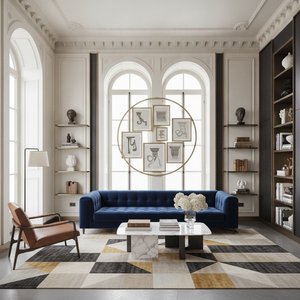
Beyond the Basics: The Power of Academic Classicism Reimagined for Modern Interiors
Discover the enduring power of Academic Classicism reimagined. Explore how technical mastery, light, and form from historical masterpieces can elevate modern interiors through premium, hand-painted oil reproductions and expert art consultation.
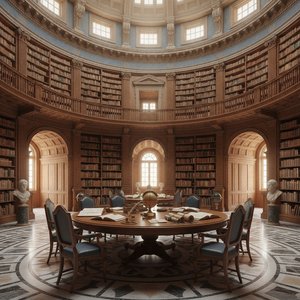
The Timeless Elegance of Academic Classicism: A Journey Through Order, Precision, and the Pursuit of Perfection
Explore the profound beauty of Academic Classicism. Discover how masters used order, precision, and classical ideals to achieve timeless perfection in art history, from Neoclassical portraits to the pursuit of ideal beauty.

