

 Megtekintés
 Küldés
 Megosztás
 Részletek
 Útmutató

 Letöltés
 Hasonló darabok
 X-ray felvétel
 Diavetítés
 Statisztika
A Thinker, Young Roman Monk
 Oil On Canvas
- WallArt
- Academic Realism
 1848
1848 90.0 x 71.0 cm
 Musée Fabre
 Összes részlet megjelenítése
Giclée / Műnyomat
Múzeumi minőségű giclée vagy vászonnyomat, gyors gyártással és rugalmas finomítási lehetőségekkel. ( Kézzel festett másolat rendelése Áttérés digitális képre)




P118B Ft10

P118H Ft10

P118W Ft10

P438Z Ft10

P508JH Ft12

P508YH Ft12

P805H Ft10

P805Z Ft10

P919BZ Ft10

P919G Ft10

P919XJ Ft10

P959ZH Ft10

P968JZ Ft12

W106C Ft8

W218G Ft10

W218JH Ft8

W218Y Ft10

W307PJ Ft10

W316G Ft10

W316PJ Ft8

W316Y Ft10

W398PJ Ft8

W4111J Ft10

W500HY Ft15

W500JH Ft15

W692G Ft12

W849H Ft8

W940BG Ft15

W953PJ Ft8




Válasszon előre meghatározott méreteink közül, amelyek megfelelnek a műalkotás eredeti arányainak.

Írja be a keretének vagy a falának megfelelő szélességet és magasságot. A nyomatot csak le lehet vágni, soha nem tehető nagyobbá, mint az eredeti kép, így egy eltérő alakú méretnél a kép egy része elveszik. Mielőtt bármit kinyatintanánk, küldünk egy digitális próbamodellt jóváhagyásra. Az oldalon látható kép nem tartalmazza a valós levágást — ezt csak a próbamodell mutatja meg.
Világszerte történő kiszállítás területére mindössze 2 hét alatt, a szokásos 4-5 hét helyett. (25 október)

Ingyenes globális expressz szállítás

Prémium minőségű len vászon

Teljes körű szállítási biztosítás

Vámvisszatérítési Garancia

Hiteles színarányosság garancia

100 napos visszaküldési lehetőség (csak hibás termékek esetén)

100% pénzvisszatérítési garancia

Több darab vásárlásakor kedvezmény
 Az üvegkeretes opció csak 110 cm alatti méretben érhető el

A Thinker, Young Roman Monk
Giclée / Műnyomat
Reprodukció mérete
-


Összesített ár
Ft 25642
A Moment of Contemplation: Alexandre Cabanel’s “A Thinker, Young Roman Monk”
Alexandre Cabanel's "A Thinker, Young Roman Monk," painted in 1848, is more than just a portrait; it’s a profound meditation on solitude, faith, and the weight of introspection. Housed within the serene walls of the Musée Fabre in Montpellier, France, this oil-on-canvas masterpiece invites viewers to step into the quiet world of a young monk lost in reverie. Cabanel, a master of the academic style—a tradition deeply rooted in classical ideals and meticulous observation—crafted an image that transcends mere representation, achieving instead a palpable sense of inner experience.
The subject himself is strikingly rendered: a youthful Roman monk, his features etched with a thoughtful solemnity. He’s seated upon a simple stone wall, the rough texture providing a grounding contrast to the smooth, almost ethereal quality of his garments. His gaze is directed towards an unseen horizon, suggesting a journey of the mind—a contemplation that seems both deeply personal and universally resonant. The subtle play of light across his face and robes isn’t merely decorative; it's strategically employed to sculpt form and draw attention to the key areas of emotional expression.
The Academic Style: Precision and Idealization
Cabanel’s commitment to the academic style is immediately apparent. This approach, prevalent in 19th-century France, prioritized anatomical accuracy, realistic detail, and a sense of idealized beauty. Notice the meticulous rendering of his hands—folded neatly before him—a testament to Cabanel's dedication to precise observation. The composition itself adheres to classical principles: balanced symmetry, harmonious color palettes, and a carefully orchestrated use of space. Unlike later movements that sought to challenge these conventions, Cabanel embraced them, believing in their ability to capture the essence of human experience with clarity and dignity.
The painting’s palette is restrained yet evocative—a blend of muted browns, ochres, and subtle blues—creating a mood of quiet contemplation. The artist skillfully employs sfumato, a technique borrowed from Leonardo da Vinci, to soften edges and create an atmospheric haze, further enhancing the sense of introspection. This careful attention to detail isn’t simply about technical proficiency; it's about conveying a feeling – a deep sense of stillness and profound thought.
Symbolism and Spiritual Resonance
Beyond its formal qualities, “A Thinker, Young Roman Monk” is rich in symbolic meaning. The monk’s posture—seated, contemplative, and isolated—immediately evokes themes of faith, solitude, and the search for spiritual truth. The stone wall upon which he sits represents both earthly grounding and a barrier between himself and the outside world, emphasizing his inward focus. The act of thinking itself is presented as a sacred practice, a communion with something larger than oneself.
Furthermore, the young age of the monk suggests that this contemplation isn’t simply an adult concern but rather a fundamental aspect of spiritual development—a journey undertaken from youth. The painting subtly invites us to consider our own moments of quiet reflection and the importance of seeking meaning in a world often characterized by distraction and noise.
A Timeless Masterpiece: Reproduction and Legacy
Created over 175 years ago, “A Thinker, Young Roman Monk” remains remarkably relevant today. Its exploration of universal themes—contemplation, faith, and the human condition—continues to resonate with viewers across generations. High-quality reproductions, meticulously crafted by skilled artisans using traditional techniques, offer a way to bring this timeless masterpiece into your home or office.
Whether you’re an art enthusiast, a collector seeking to enrich your collection, or simply someone drawn to the beauty and serenity of this image, a reproduction of Cabanel's "A Thinker, Young Roman Monk" is more than just a decorative piece—it’s a window into the soul of 19th-century France and a reminder of the enduring power of quiet contemplation. For authentic reproductions, please visit https://OriginalUniqueArt.com.
Kérdések és válaszok
Ki készítette a(t): "A Thinker, Young Roman Monk"?
A „A Thinker, Young Roman Monk” műtémét Cabanel alkotójának tulajdonítják.
Megtekinthető „A Thinker, Young Roman Monk”, Cabanel alkotása a saját falamon vásárlás előtt?
A(z) "A Thinker, Young Roman Monk" kiterjesztett valóság (AR) előnézettel rendelkezik: a mű Kiterjesztett valóság előnézet oldalán kompatibilis eszközön megtekinthető saját környezetében.
Mely művészeti irányba tartozik a „A Thinker, Young Roman Monk”, Cabanel alkotása?
A „A Thinker, Young Roman Monk”, Cabanel alkotása művészeti irányata a Academic Realism. Ez a klasszifikáció a művet a kapcsolódó alkotók és alkotások közé sorolja.
A művész életrajza
Alexandre Cabanel - Életpályája
Alexandre Cabanel (Montpellier, 1823. szeptember 28. – Párizs, 1889. január 23.) francia festő és tanár, az akadémiai stílus egyik legjelesebb képviselője. Egy szegény ácsmester családjában született, iskoláit szülővárosa lokal művészete körében kezdte meg, és 1839-ben nyerte el egy városi öntiszeli támogatást Párizsban, ahol a Beaux Arts Egyetemében tanulmányozta magát François-Édouard Picot tanár irányítása alatt.
Picot, aki Jacques-Louis David tanítványa volt, egy szigorú képzésre helyezi tettet, amely nem csak technikára koncentrált, hanem széles körű ismeretekkel és tudással is rendelkezett, melyek befolyásolták művészi anyagát. Az Egyetem előadó részlege nemcsak klasszikus művészetet oktatott, hanem történelem, irodalom és filozófia tanításával is foglalkozott, ami mély értelmet adott a fiatal Cabanel tanulmányainak.
Az első Prix de Rome próbálkozása sikertelenségre bukott meg, mégis az ambíciója és hajlandósága tökéletesítésre mutatkozott meg. Végül 1845-ben megszerezte ezt a támogatást, amikor húsz éves korában – ami nagy előnyt jelentett minden fiatal francia művésznak –, és így ő lett az Egyetem egyik legígéretesebb alakja.
A Római Évek és Megismerkedés Picot Szellemével
Roma pedig átalakító élmény volt számára. Az antik világ közepén töltött idő során Cabanel elméleti ismereteit és művészi érzékét a reneszánszi mesterek oktatásával egészítette ki, tanulmányozva alkotásaikat, technikájukat és alakításukat – ez egy olyan képzés volt, amely mély értelmet adott az Egyetem előadó részlege számára.
Nem csak más művészek más foglalkozását követette el; hanem belülről ismerte meg a klasszikus ideákat és tökéletesítette őket saját művészi látásmódjával. Az Egyetem előadó részlege nemcsak klasszikus művészetet oktatott, hanem történelem, irodalom és filozófia tanításával is foglalkozott, ami mély értelmet adott a fiatal Cabanel tanulmányainak.
Alfred Bruyas, egy Montpellierban született szegény gyűjtő és Cabanel barátja, aki nagy vagyonra tett szert, finanszírozta az Egyetem előadó részlegének működését és ő lett Cabanel támogatója. Bruyas számos művet kér meg Cabaneltól – köztük Albaydé-t, La Chiaruccia-t és Az ifjú római szerzetes szemlélete –, melyek mutatják meg Cabanel növekvő tudását és képességét az időszak ikonikus témáinak és művészi stílusának ábrázolására.
A Szalon Szerződés és Érdemei
Az Egyetem előadó részlege nemcsak klasszikus művészetet oktatott, hanem történelem, irodalom és filozófia tanításával is foglalkozott, ami mély értelmet adott a fiatal Cabanel tanulmányainak.
A Római Évek során Cabanel kapcsolatot épített ki Alfred Bruyas szegény gyűjtővel és Cabanel barátjával, aki nagy vagyonra tett szert, és ő lett Cabanel támogatója. Bruyas számos művet kér meg Cabaneltól – köztük Albaydé-t, La Chiaruccia-t és Az ifjú római szerzetes szemlélete –, melyek mutatják meg Cabanel növekvő tudását és képességét az időszak ikonikus témáinak és művészi stílusának ábrázolására.
A Római Évek során Cabanel kapcsolatot épített ki Alfred Bruyas szegény gyűjtővel és Cabanel barátjával, aki nagy vagyonra tett szert, és ő lett Cabanel támogatója. Bruyas számos művet kér meg Cabaneltól – köztük Albaydé-t, La Chiaruccia-t és Az ifjú római szerzetes szemlélete –, melyek mutatják meg Cabanel növekvő tudását és képességét az időszak ikonikus témáinak és művészi stílusának ábrázolására.
A Szellem Érzeke És Egyénisége
Cabanel művészete szigorúan akadémiai realizmusra helyezi tettet – egy hagyomány, amely pontos rajztechnika és részletekre való figyelmeztetésre törekszik, valamint pedig klasszikus ideákhoz való elkötelezettségre.
Kiemelkedő volt az időszak ikonikus témáinak és művészi stílusának ábrázolásában. Szerelmi költészetét és vallási képeit egyaránt nagy sikerrel értékelték meg, és ő lett Franciaország egyik legkeresettebb művésze.
A Szalon rendszerében Cabanel jelentős szerepet játszott – az Egyetem hivatalos művészeti kiállításában –, ahol az akadémiai művészek közösségének vezetőjeként meghatározta és végrehajtotta Franciaország művészi kifejezését.

Cabanel
1823 - 1889 , Francia
Rövid információk
- Artistic Movement Or Style: Akadémiai művészet
- Artists Or Movements Influenced By This Artist: ['Picot']
- Artists Who Influenced This Artist:
- Jacques-Louis David
- François Édouard Picot
- Date Of Birth: 1823. szeptember 28.
- Date Of Death: 1889. január 23.
- Full Name: Alexandre Cabanel
- Nationality: Francia
- Notable Artworks:
- A Vízező Venus születése
- St. János apostol központosztatása
- Place Of Birth: Montpellier, Francia
Kapcsolódó cikkek

Oil on Canvas: A Historical & Technical Exploration of a Timeless Artistic Medium
Explore the rich history & enduring techniques of oil painting on canvas. Discover the science behind its longevity, conservation practices, and contemporary relevance. Expert insights for art enthusiasts.

The Enduring Legacy of Oil on Canvas: Technique, History & Aesthetic Impact
Explore the rich history & techniques of oil painting – from Renaissance masters to Impressionism. Discover pigments, layering methods, and why this timeless medium endures. Expert insights for artists & art enthusiasts.
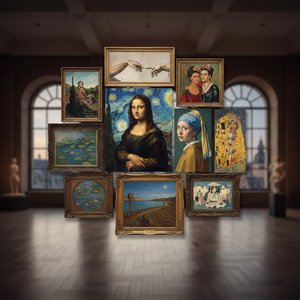
A művészettörténet 10 ikonikus olajfestménye – OriginalUniqueArt.com
Fedezze fel a művészettörténet 10 legikonikusabb olajfestményét! Leonardo, Van Gogh, Rembrandt és más mesterek remekművei – történetükkel, technikájukkal. Vászonképek otthonába a OriginalUniqueArt.com-on! Fedezze fel a teljes gyűjteményt online.
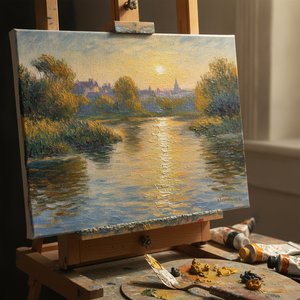
The Soul of Impressionism: Why Oil on Canvas Captures Eternal Light and Timeless Emotion
Discover the enchanting alchemy of Impressionism. Explore how the mastery of oil on canvas, through glazing and impasto, captures eternal light and emotion. Perfect for lovers of Monet and Van Gogh seeking the profound depth of hand-painted fine art.

Az olajfestészet örökös hagyatéka: technika, történelem és kortárs gyakorlat
Fedezze fel az olajfestészet történetét, technikáit és a kortárs művészeti trendeket! Szakértői útmutatók, híres festők alkotásai és tippek az olajfestmény ápolásához. Inspirálódjon most!

