

 Előnézet
 Megosztás
 Megosztás
 Részletek
 Útmutató

 Letöltés
 Hasonló darabok
 X-ray felvétel
 Diavetítés
 Statisztika
Nemo


 Tovább olvasom
Az ezen az oldalon megjelenített műalkotások szerzői jogi védelem alatt állnak, ami azt jelenti, hogy törvényileg nem készíthetünk és nem adhatunk el belőlük pontos másolatokat. Ez a védelem olyan nemzetközi megállapodások alapján érvényesül, mint például a Berni Egyezmény és a nemzeti törvények által, beleértve azokat is, amelyeket meghatározott Az USA szerzői jogi törvénye – 17. cím.
Mint tiszteletes és törvényes alternatívát, olyan egyedi, kézzel festett alkotásokat kínálunk, amelyek az eredetiből merítnek inspirációt. Tapasztalt és professzionális művészeink alaposan tanulmányozzák az eredeti stílusát, hangulatát és művészeti esszenciáját, hogy egy olyan új, egyedi alkotást hozzunk létre, amely ugyanazt az érzést kelti – miközben önálló, eredeti alkotásként létezik.
Ez a módszer teljes mértékben megfelel a szerzői jogi szabályozásnak, mivel nem tartalmazza a védett műalkotás másolását vagy duplikálását. Ehelyett ez egy kreatív újinterpretáció – egy új festmény, amely az eredetivel való összefüggései miatt hatással van rá, de nem az az.
Kézzel készített olajfestmény reprodukció
Kézzel festett olajvastú vászon, az Ön által választott méretben és keretben, művészeink készítik meglévőre. ( Váltás nyomtatványra Áttérés digitális képre)




P118B Ft10

P118H Ft10

P118W Ft10

P438Z Ft10

P508JH Ft12

P508YH Ft12

P805H Ft10

P805Z Ft10

P919BZ Ft10

P919G Ft10

P919XJ Ft10

P959ZH Ft10

P968JZ Ft12

W106C Ft8

W218G Ft10

W218JH Ft8

W218Y Ft10

W307PJ Ft10

W316G Ft10

W316PJ Ft8

W316Y Ft10

W398PJ Ft8

W4111J Ft10

W500HY Ft15

W500JH Ft15

W692G Ft12

W849H Ft8

W940BG Ft15

W953PJ Ft8




Válasszon előre meghatározott méreteink közül, amelyek megfelelnek a műalkotás eredeti arányainak.

Írja be a kívánt szélességet és magasságot, hogy illeszkedjen a keretéhez vagy a falához. Mivel ez kézzel festett alkotás, egy eltérő formájú méret esetén a művész akár festhet is valamivel többet a kép körül, vagy korolathat is belőle — az Ön döntésének megfelelően. A festés megkezdése előtt küldünk egy digitális tervezetet jóváhagyásra. Az oldalon látható kép nem tartalmazza a végeredményt — csak a tervezet mutatja meg a valódi eredményt.
A rendelést követően a OriginalUniqueArt.com csapata e-mailt küld az ügyfélnek az instrukciókért, és biztosít egy előnézeti képet (mockup).
Világszerte elérhető szállítás () 3-4 hét alatt a szokásos 5 hét helyett. (23 október). A minőség nem kérdőjelezhető.

Ingyenes globális expressz szállítás

Prémium minőségű len vászon

Teljes körű szállítási biztosítás

Vámvisszatérítési Garancia

Tökéletes színarányosság garancia

100 napos visszaküldési garancia (csak gyártási hibás termékek esetén)

100% pénzvisszatérítési garancia

Több darab vásárlásakor kedvezmény
 Az üvegkeretes opció csak 110 cm alatti méretben érhető el

Nemo
Reprodukciós technika
Reprodukció méretei
-


Összesített ár
Ft 95869
Nemo – A Symphony of Geometric Form and Chance
Alexander Milne Calder’s “Nemo” stands as a testament to the enduring fascination with abstraction—a captivating exploration of color, shape, and movement that transcends mere visual representation. Created in 1947, this striking piece embodies Calder's signature approach: eschewing realism for a deliberate embrace of spontaneity and serendipity, mirroring the very essence of his celebrated mobiles.
The Visual Language of Equilibrium
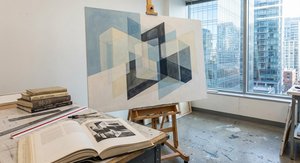
Dominating the canvas is an intricate composition featuring overlapping circles and squares—a bold declaration of geometric principles. The palette bursts with vibrant hues—primarily reds, yellows, and blues—that harmonize to create a dynamic visual experience. Calder meticulously crafted these shapes using a flat painting technique, prioritizing form over texture; there’s no visible brushwork, reflecting his unwavering commitment to precision and control despite the illusion of movement.
A Reflection of Constructivism's Legacy
“Nemo” firmly roots itself within the influential Constructivist movement of the early 20th century. Like its contemporaries—artists who sought to liberate art from traditional conventions—Calder aimed to convey emotion and ideas through simplified geometric forms, rejecting decorative embellishments in favor of intellectual rigor. This stylistic choice underscores Calder’s belief that art should communicate directly with the viewer's intellect as well as their senses.
Symbolism Embedded in Motionless Form
Despite its apparent stillness, “Nemo” pulsates with an underlying sense of dynamism—a subtle suggestion of movement achieved through the careful arrangement of shapes and colors. Calder’s genius lies in transforming static form into a conduit for conveying emotion; the overlapping circles and squares evoke feelings of balance, harmony, and perhaps even controlled chaos. The artist deliberately avoided explicit symbolism, allowing viewers to interpret the artwork's impact on their own emotional landscape.
A Monumental Contribution to Modern Art
Alexander Milne Calder’s “Nemo” represents more than just a beautiful painting—it embodies a pivotal moment in artistic history. His pioneering exploration of kinetic sculpture and his unwavering dedication to geometric abstraction paved the way for subsequent generations of artists, establishing him as one of the most influential sculptors of the 20th century. This artwork continues to inspire admiration for its elegance, innovation, and profound engagement with fundamental principles of visual art.
Gyakran Ismételt Kérdések
Mely művészeti irányba és mely korszakba sorolható a „Nemo”, Alexander Calder alkotása?
„Nemo”, Alexander Calder alkotása alkotásművében a Modernism irányzat találkozik a Modern kor korszakkal.
Mennyire erős a kontraszt a(z) „Nemo”, Alexander Calder alkotása alkotásban?
A „Nemo”, Alexander Calder alkotása kontrasztszintje Statement.
Mely múzeum őrzi az eredeti "Nemo" című alkotást?
Az eredeti "Nemo" mű megtekinthető a Biennale Internazionale dell'Antiquariato di Firenze, Firenze, Olaszország múzeum collectionsban.
A művész életrajza
bevezetés alexander milne calder művészről
alexander milne calder egy skót-amerikai szobrászművész volt, aki 1846-ban született Aberdeen, Skóciában. Legismertebb alkotása a philadelphia városháza építészetét díszítő szobrászművészet, amely nemcsak őt, hanem utódait is maradandó örökségbe helyezte: fia, alexander stirling calder, valamint unoka внуja, alexander 'sandy' calder is jelentős szobrászművészek váltak a 20. század meghatározó alakjaivá.korai élet és pályafutás
alexander milne calder pályafutását Skóciában kezdte, ahol a szobrászművész, john rhind munkásságában részt vett, miközben az edinburghi királyi akadémián tanult. Később Londonba költözött, ahol az
Alexander Calder
1898 - 1976 , United Kingdom
Gyors információk
- Artistic Movement Or Style: Architectural sculpture
- Artists Or Movements Influenced By This Artist: ['Surrealism']
- Artists Who Influenced This Artist: ['John Rhind']
- Date Of Birth: August 23, 1846
- Date Of Death: June 14, 1923
- Full Name: Alexander Milne Calder
- Nationality: Scottish-American
- Notable Artworks:
- Philadelphia City Hall
- William Penn statue
- Place Of Birth: Aberdeen, Scotland
Kapcsolódó cikkek

Beyond Form & Color: Geometric Abstraction's Evolution in 20th/21st Century Art
Explore the evolution of geometric abstraction from Cubism to contemporary art. Discover key artists like Malevich & Mondrian, investment insights, and expert collecting advice at OriginalUniqueArt.

Neo-Abstract Art: The High-Impact Evolution of Modern Visual Energy and Geometric Sophistication
Discover the power of Neo-Abstract art. Explore how bold geometric forms and high-impact visual energy are redefining modern design. Learn to curate sophisticated, high-energy spaces with the latest trends in contemporary abstraction and structural color.
Beyond Form & Color: Geometric Abstraction's Enduring Legacy in Art History
Explore the captivating world of geometric abstraction! Discover its origins, key artists like Malevich & Mondrian, and why this movement remains highly valued by art collectors today. Expert insights at OriginalUniqueArt.

Kandinsky Mesterművei: 25 Lenyűgöző Festmény a Modern Művészet Gyöngyszemeiből | OriginalUniqueArt
Fedezze fel Wassily Kandinsky 25 legikonikusabb művét! Merüljön el az absztrakt művészet világában, ismerje meg a színek és formák lenyűgöző történetét. Prémium minőségű reprodukciók és inspiráló dekorötletek a OriginalUniqueArt.com-on.

Geometrikus Absztrakció Mesterei: 10 Alapvető Műalkotás a Lakberendezéshez
Fedezze fel a geometrikus absztrakció 10 legikonikusabb műalkotását! Kandinsky, Mondrian és más mesterek festményeinek története inspirálja otthona dekorációját. Múzeumi minőségű reprodukciók a OriginalUniqueArt.com-on – fedezze fel online!
