

 Megtekintés
 Küldés
 Megosztás
 Részletek
 Útmutató

 Letöltés
 Hasonló darabok
 X-ray felvétel
 Diavetítés
 Statisztika
St Jerome


 Összes részlet megjelenítése
Giclée / Műnyomat
Múzeumi minőségű giclée vagy vászonnyomat, gyors gyártással és rugalmas finomítási lehetőségekkel. ( Kézzel festett másolat rendelése Áttérés digitális képre)




P118B Ft10

P118H Ft10

P118W Ft10

P438Z Ft10

P508JH Ft12

P508YH Ft12

P805H Ft10

P805Z Ft10

P919BZ Ft10

P919G Ft10

P919XJ Ft10

P959ZH Ft10

P968JZ Ft12

W106C Ft8

W218G Ft10

W218JH Ft8

W218Y Ft10

W307PJ Ft10

W316G Ft10

W316PJ Ft8

W316Y Ft10

W398PJ Ft8

W4111J Ft10

W500HY Ft15

W500JH Ft15

W692G Ft12

W849H Ft8

W940BG Ft15

W953PJ Ft8




Válasszon előre meghatározott méreteink közül, amelyek megfelelnek a műalkotás eredeti arányainak.

Írja be a keretének vagy a falának megfelelő szélességet és magasságot. A nyomatot csak le lehet vágni, soha nem tehető nagyobbá, mint az eredeti kép, így egy eltérő alakú méretnél a kép egy része elveszik. Mielőtt bármit kinyatintanánk, küldünk egy digitális próbamodellt jóváhagyásra. Az oldalon látható kép nem tartalmazza a valós levágást — ezt csak a próbamodell mutatja meg.
Világszerte történő kiszállítás területére mindössze 2 hét alatt, a szokásos 4-5 hét helyett. (25 október)

Ingyenes globális expressz szállítás

Prémium minőségű len vászon

Teljes körű szállítási biztosítás

Vámvisszatérítési Garancia

Hiteles színarányosság garancia

100 napos visszaküldési lehetőség (csak hibás termékek esetén)

100% pénzvisszatérítési garancia

Több darab vásárlásakor kedvezmény
 Az üvegkeretes opció csak 110 cm alatti méretben érhető el

St Jerome
Giclée / Műnyomat
Reprodukció mérete
-


Összesített ár
Ft 25642
Alessandro Vittoria’s St. Jerome: A Study in Contemplation
Alessandro Vittoria's "St. Jerome," crafted around 1565, offers a profoundly intimate glimpse into the heart of Renaissance spirituality. This sculpture, meticulously realized in weathered marble, transcends mere portraiture; it embodies the very essence of St. Jerome’s life as a scholar, hermit, and devout figure. The work's power resides not just in its technical brilliance but also in the palpable sense of contemplation that emanates from the seated saint. Vittoria, a key figure within the artistic landscape of Trento – his birthplace and the setting for this piece – demonstrates a mastery of form and texture rarely seen outside the workshops of the great masters.
- Subject Matter: The sculpture depicts St. Jerome in his characteristic pose, seated at a desk with a book and a skull. This arrangement immediately anchors the viewer to the saint’s dual identity – as a devoted scholar immersed in scripture and as a penitent confronting mortality.
- Technique: Vittoria's skill is evident in the incredibly detailed rendering of the marble. The folds of Jerome’s robes are sculpted with remarkable precision, conveying both weight and movement. The texture of the book and the skull is equally convincing, adding to the sculpture’s realism and tactile quality.
- Historical Context: Created during a period of intense religious reform and artistic innovation, "St. Jerome" reflects the broader trends of the late Renaissance. The influence of artists like Michelangelo and Raphael can be discerned in Vittoria's approach to anatomy and composition, albeit filtered through his own distinct style.
The Setting: A Painted Narrative
What elevates “St. Jerome” beyond a simple sculptural portrait is the inclusion of a painted backdrop – a scene depicting figures engaged in an interaction. This juxtaposition immediately introduces layers of interpretation. The painting, likely executed in a style reminiscent of the Renaissance or early Baroque period, serves not merely as decoration but as a narrative element that deepens our understanding of St. Jerome’s life and spiritual journey. The dramatic use of light and shadow within the painted scene – a hallmark of the era – further enhances its visual impact, creating a sense of depth and dynamism.
- Composition: The placement of the sculpture in the foreground, with the painting serving as a backdrop, creates a powerful visual dialogue. It invites the viewer to consider the relationship between the tangible world of the statue and the more ethereal realm represented by the painted scene.
- Symbolism (Painting): While the precise meaning of the figures within the painting remains open to interpretation, they likely represent allegorical representations of virtues or events from St. Jerome’s life – perhaps his struggles with temptation, his conversion, or his dedication to prayer.
Alessandro Vittoria: The Architect of the Renaissance
Alessandro Vittoria (1525-1608), born in Trento, was a pivotal figure in the artistic landscape of Northern Italy. His work exemplifies the transition between Mannerism and the burgeoning Baroque style, demonstrating a remarkable ability to synthesize classical ideals with contemporary sensibilities. Often overshadowed by his more famous contemporaries, Vittoria’s influence extended across multiple disciplines – sculpture, painting, and architecture – reflecting a truly Renaissance polymath. His meticulous attention to detail, combined with a profound understanding of human anatomy and spatial relationships, cemented his reputation as one of the most accomplished artists of his time.
Biography Snippet: "Albrecht Dürer: The Architect of the Renaissance" – This evocative phrase captures Vittoria's ambition to emulate the achievements of the great German artist, demonstrating a desire for innovation and mastery within the established artistic traditions.Emotional Impact & Artistic Value
“St. Jerome” is more than just a beautiful sculpture; it’s an invitation to contemplate profound questions about faith, knowledge, and mortality. The weathered appearance of the marble adds a sense of age and solemnity, suggesting that this work has witnessed centuries of reflection. Its enduring appeal lies in its ability to connect us with the timeless themes explored by St. Jerome himself. A hand-painted reproduction offers an unparalleled opportunity to experience the full impact of Vittoria’s vision – a testament to his skill and a window into the spiritual heart of the Renaissance.
Kérdések és válaszok
Erős fény-árnyék kontrasztot mutat-e a "St Jerome"?
A „St Jerome”, Alessandro Vittoria alkotása kontrasztját Statement teszi.
Hogyan szerezhető be „St Jerome”, Alessandro Vittoria alkotása digitális fájlja?
A „St Jerome”, Alessandro Vittoria alkotása digitális fájljának megvásárlása érdekében magas felbontású digitális kép letöltése az alábbi oldalon: Digitális alkotás.
A "St Jerome" jellemző arra, amit Alessandro Vittoria általában alkotott?
A "St Jerome" a st jerome, sculpture, renaissance, contemplation, skull, marble, italy ábrázol, míg Alessandro Vittoria dokumentált témái a dürer’s renaissance ideals, religious contemplation, jerome”, “baroque influence, italy”, sculptural representation, legacy. A kettő összevetése megmutatja, hogyan kapcsolódik ez a mű a művész megszokott motívumaihoz.
A művész életrajza
Albrecht Dürer: A Reneszánsz Építésze
Albrecht Dürer neve szinte szinonimává vált a német reneszánsz művészetével, és a 16. századi európai festészet és grafikai alkotás egyik legmeghatározóbb alakjaként áll fenn a történelemben. 1471-ben, Nürnbergben született, élete pedig a művészi ambíció, a szellemi kíváncsiság és a tökéletesség iránti rendíthetetlen törekvés élő tanúja volt. Dürer nem csupán egy egyszerű festő; ő egy precíz megfigyelő, egy matematikai gondolkodó és egy olyan úttörő, aki áthidalta a szakadékot az észak-európai realizmus és az olasz højreneszánsz fejlődő eszményei között. Öröksége messze túlmutat egyéni remekművein; alapjaiban formálta a művészeti technika és elmélet irányát, maradandó nyomot hagyva az azt követő művészgenerációk sorsára.
Dürer korai évei Nürnberg vibráló kereskedelmi központjában teltek, amely várost a virágzó kereskedelem és a növekvő polgári réteg tette híressé. Apja, Albrecht Dürer idős, aranyás és mesternyomtatónak készült, így fiatal Albrechtnak felbecsülhetetlen alapot biztosított a kézműves tudásban és a művészeti termelés világában. Első képzése egy helyi festő, Adam Kraft alatt zajlott, mielőtt 1493 körül Augsburgban tan lärványként került a német grafikai mester, Hans Holbein időshoz. Ez a formálódó időszak megismétette őt a gravírozás és az etekelés kifinomult technikáival, készségekkel, amelyeket később példátlan precizitással ovládott. Holbeinnél töltött ideje mély benne meghódította a részletek iránti érzékiséget, a tisztaságot és az ábra kifejező erejét – ezek a tulajdonságok váltak egyedi stílusának jellegzetességeivé.
A géniusz virágzása: Főbb művek és művészeti fejlődés
Dürer művészeti alkotássága a témák és az alaphordozók lenyűgöző széleskörű skáláját fedte fel. Korai művei, mint a Szent Anna (1498) vagy a Rिपलő három király (1503-1505), a perspektíva és a színek mesteri uralmát demonstrálták, az Andrea Mantegna gibi olasz reneszánsz mesterek hatását tükrözve. Azonban csak a fahengatások sorozataival – különösen az Apokalipszis (1lag 1498) és a Nagy Passion (1507-1508) alkotásokkal – vált valóban meghatározó művészeti erővé. Ezek a bonyolult grafikák bemutatták rendkívüli technikai tudását, a precízen ábrázolt alakokon keresztül közvetített összetett narratívák képességét, valamint az ábra és az árnyalás innovatív használatát.
Az 1500-as évek közepe jelölte Dürer alkotói tevékenységének csúcspontját. Ezen időszakban születtek meg legünnepeltebb alkotásai: a Melancholia I (1514), egy kísérteties önportré, amely a művészi frusztráció és az egzisztenciális kétség börtönét járja körül; a Lovag, halál és az ördög (1518), egy összetett allegóriás kompozíció, amely a halandósággal és az emberi ambícióval küzd; valamint a Megvallások néven ismert rérmtáblázatok sorozata, amely Krisztus életének jeleneteit ábrázolja. Különösen érdemes kiemelni, hogy Dürer geometriai és proportionális elmélete ebben az időszakban vált láthatóvá olyan művekben is, mint a Négy könyv a mértékről (1525), egy úttörő értelemény, amely egyesítette a művészeti alapelveket a matematikai elmélettel, bizonyítva hitét abban, hogy a művészetnek a racionális megértésen kell alapulnia.
Híd a hagyományok között: Hatások és innovációk
Dürer művészi fejlődését a hatások komplex kölcsönhatása formálta. Elszippantotta az olasz reneszánsz mesterek, például Leonardo da Vinci és Raphael stilisztikai innovációit, különösen a naturalizmusra, a perspektívára és az emberi anatómiára való hangsúlyozásukat. Ezzel egyidejűleg mélyen gyökerezett maradott az észak-európai művészet hagyományaiban is, inspirációt merítve a német oltárképekből és a flamens művészetének jellemző apró részletességéből. Művészete ezen különféle hatások egyedi szintézise, olyan stílust alkotva, amely egyszerre lenyűgözően modern és mélyen klasszikus.
Dürer innovációi túlmutattak technikai tudásán. Útmutatót nyújtott a grafikai új technikák fejlesztéséhez, különösen a keresztárnyalás használatát alkalmazta a finom tónusvariációk létrehozására. Megapixelnyi figyelme a részletekre, a kompozíció szigorú megközelítése és az összetett allegóriás témák felfedezése új standardot állított a művészi kiválóság számára. Emellett Dürer elméleti írásai – beleértve a Underweysung der Messung mit dem Zirckel und Richtscheyt című művét is – bizonyították elkötelezettségét amellett, hogy a művészetet a puszta utánzás fölé emelje, egy intellektuálisabb és racionálisabb tudomány felé teremtve.
Örökség és történelmi jelentőség
Albrecht Dürer 1528-ban halt meg Nürnbergben, hatalmas és befolyásos művészi örökséget hagyva hátra. Festményei, grafikái és elméleti írásai a mai napig művészek és tudósok általi tanulmányozást és csodálatot váltanak ki. A nyugati művészettörténet egyik legfontosabb alakjának tekintik, nemcsak egyéni remekművei miatt, hanem művészeti technika, elmélet és ábrázolás terén gyakorolt mély hatása miatt is. Dürer öröksége messze túlmutat a reneszánszon; segített lefektetni a modern grafikás alkotás alapjait, és számos generációt befolyásolt, akik az ő nyomán haladtak. A tökéletesség iránti rendíthetetlen törekvése, szellemi kíváncsisága és a művészi kiválóság iránti rendíthetetlen elkötelezettsége örök inspirációt nyújt mindenkinek, aki meg akarja érteni a művészet erejét és potenciálját.

Alessandro Vittoria
1525 - 1608 , Olaszország
Rövid információk
- Artistic Movement Or Style: Flandria festészete
- Artists Or Movements Influenced By This Artist: ['Kái fiai, Jan és Pieter Bruegel II.']
- Artists Who Influenced This Artist: ['Pieter Coecke van Aelst']
- Date Of Birth: 1525
- Date Of Death: 1569
- Full Name: Idus Bruegel
- Nationality: Flandriai
- Notable Artworks:
- Parasztlakodalom
- Vadászok a hóban
- Az aranyásó
- Az ártatlanok meggyilkolása
- Place Of Birth: Breda, Brabant
Kapcsolódó cikkek

A művészettörténet 10 legikonikusabb bronzszobra – OriginalUniqueArt.com
Fedezze fel a művészettörténet 10 legikonikusabb bronzszobrát! Ismerje meg Rodint, Michelangelót és más mestereket. Luxus minőségű nyomatok otthonába – OriginalUniqueArt.com.

The Enduring Allure of Marble in Art History: From Classical Sculpture to Modern Abstraction
Explore the captivating history of marble sculpture from ancient Greece to modern art. Discover renowned artists like Canova & Michelangelo, carving techniques, and investment insights at OriginalUniqueArt.
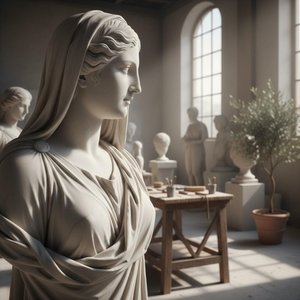
Timeless Elegance: A Complete Guide to the Sublime Beauty and Artistry of Marble Sculpture
Discover the sublime beauty of marble art through an expert exploration of Renaissance and Neoclassical masterpieces. From the delicate textures of Carpeaux to the grandeur of Sansovino, immerse yourself in a guide to timeless elegance and sculptural perfection.

The Enduring Form: Exploring Themes & Techniques in Sculpture Across Historical Periods
Explore the rich history of sculpture from ancient masterpieces to contemporary innovations. Discover key techniques, influential artists & investment potential for discerning art collectors.

The Enduring Form: Sculpture Across History, Technique & Emotional Resonance
Explore the rich history of sculpture with OriginalUniqueArt. Discover key techniques, influential artists & investment potential for discerning collectors. Expert insights into valuing and collecting timeless masterpieces.