
 Megtekintés
 Küldés
 Megosztás
 Részletek

 Letöltés
 Hasonló darabok
 X-ray felvétel
 Diavetítés
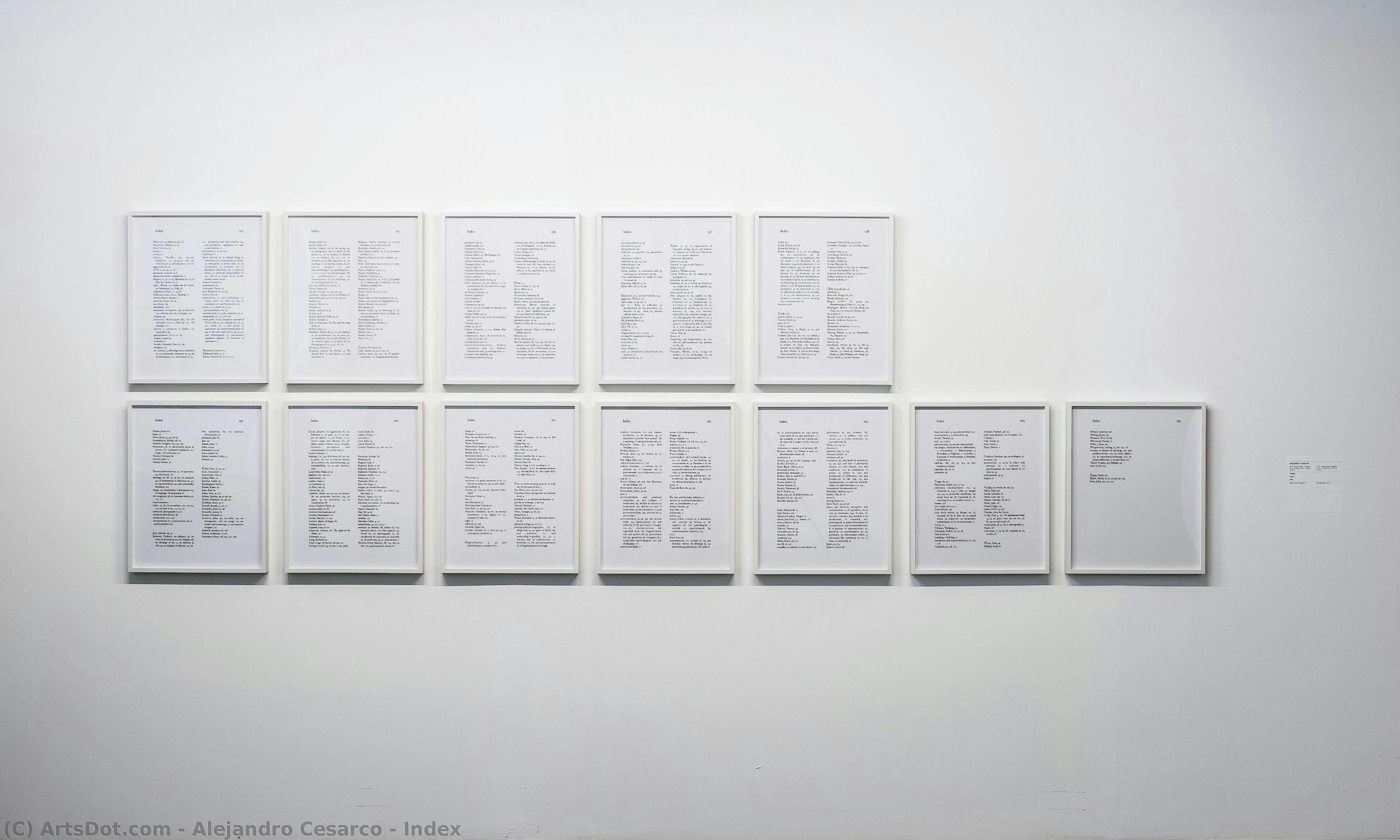
Index
 2000
2000 50.0 x 40.0 cm
 Összes részlet megjelenítése
Vásároljon nagy felbontású, javított digitális képet, amely minőségében messze felülmúlja az online előnézetet.
Minden fájlt szakembereink a legmodernebb eszközök és precíz, kézi retusálás segítségével készítenek el aprólékosan. Gondoskodunk arról, hogy minden kép kivételes tisztasággal, pontos színhelyességgel és részletgazdag finomsággal rendelkezzen.
A végleges fájl 72 órán belül e-mailben megérkezik, professzionális, szerkesztői és nyomtatási környezetbe optimalizálva az azonnali használathoz. Ez ugyanaz a minőség, amelyben a legmeghatározóbb tervezőstúdiók, kiadók és galériák is megbízhatnak.
Digitális kép
Töltsön le nagy felbontású fájlt személyes kiállításokhoz, nyomtatáshoz és kreatív projektekhez. ( Nyomat rendelése Kézzel festett másolat rendelése)
Minden digitális kép rendeléséhez tartozó extrák
Szakértői digitális kézbesítés, garantáltan
Amikor a OriginalUniqueArt.com szolgáltatást választja, nem csupán egy képet kap – professzionálisan felmagasított digitális műalkotást kap, amely precizitással készült, és amelyet megelégsedési gwarancia tesz biztoslássá. Az alábbiakban automatikusan minden benne 】

Gyors e-mail teslimítés
A nagy felbontású digitális képmásolatát a megrendelést követő 72 órán belül e-mailben elküldjük Önnek – azonnal használható formátumban.

MI-alapú digitális fejlesztésű fájl
Műve professzionális módon kerül optimalizálásra fejlett mesterséges intelligencia eszközök és manuális szerkesztés segítségével, biztosítva a maximális részletességet, tisztaságot és színpontosságot.

Örök életű ingyenes újradelivery
Véletlenül törölted vagy elvesztetted a fájlodat? Ne aggódj – bármikor ingyen újra megküldjük neked.

Nincs importköltség – soha
Élvezze műalkotásait azonnal, vám, illeték vagy szállítási költség nélkül – a digitális letöltések mindig adamentesek.

Színpontosság garantálása
Professzionális eszközök és színkezelés segítségével garantáljuk, hogy digitális képe a lehető legpontosabban tükrözze az eredeti színeket.

60 napos elégedettségi garancia
Ha nemມີ elégedett a digitális képpel, 60 napon belül átmunkáljuk azt, vagy 100% visszatérítjük az amountot – kérdés nélkül.

100% Pénzvisszatérítési garancia
Nem érheted el a teljes elégedettséget? 60 napon belül teljes visszatérítést kapsz a digitális fájlod megérkezése után – kérdés nélkül.

Tömegrendelési kedvezmények
Vásároljon 3 képet, spóroljon 10%-et - Vásároljon 5-öt, spóroljon 15%-et - Vásároljon 10+ képet, spóroljon 20%-at. Kiváló kreatív projektekhez, galériákhoz és ügynökségekhez.
A művész életrajza
Alejandro Cesarco: Architect of Language
Born in Montevideo, Uruguay, in 1975, Alejandro Cesarco’s artistic journey is a profound exploration of the elusive nature of language and memory. His work isn't simply about depicting images; it’s an intricate construction designed to unravel the very mechanisms by which we perceive and understand reality. From his early beginnings, Cesarco has been driven by a fascination with the gaps between words, the silences that shape meaning, and the subjective experience of narrative.
Cesarco's artistic development is deeply rooted in the intellectual currents of Uruguay – a nation grappling with its own complex history of dictatorship, exile, and social upheaval. This context profoundly informs his work, which often engages with themes of political repression, personal trauma, and the difficulty of representing subjective truth. Early influences include the works of Jorge Luis Borges, whose labyrinthine narratives and explorations of identity resonate strongly within Cesarco’s practice. The fragmented nature of Borges' stories—a deliberate disruption of linear time and perspective—mirrors a key element in Cesarco’s own approach to art.
Conceptual Narratives: Text as Medium
What distinguishes Cesarco’s work is his masterful manipulation of text. He doesn’t merely incorporate words into images; he treats language itself as the primary subject matter. His pieces frequently present seemingly random phrases, excerpts from literature, or fragments of conversations arranged in unconventional ways – often layered over photographic imagery or projected onto architectural spaces. These arrangements aren't intended to convey a straightforward message but rather to create a sense of disorientation and invite viewers to actively participate in constructing their own interpretations.
- His installations, such as “The Book of the Dead” (2013), are particularly compelling examples. These large-scale works feature meticulously arranged stacks of books, each containing handwritten notes and fragments of text, creating a dense, almost overwhelming visual field that suggests the vastness of human memory and experience.
- Cesarco’s use of photography is equally significant. He often employs staged photographs—sometimes unsettlingly surreal—that serve as anchors for his textual interventions, adding layers of ambiguity and prompting viewers to question the relationship between image and language.
Global Exhibitions and Critical Acclaim
Since establishing himself in New York City, Cesarco has rapidly gained international recognition. His work has been featured in numerous solo and group exhibitions at prestigious institutions around the world, including the Museum of Modern Art (MoMA) in New York, the Centre Pompidou in Paris, and the Tate Modern in London. These exhibitions have consistently garnered critical acclaim for their intellectual rigor, conceptual depth, and innovative use of materials.
- In 2013, he was awarded the Prix du Chevalier Blanc at the Palais de Tokyo in Paris, a prestigious prize recognizing artists who demonstrate exceptional creativity and originality.
- His work has been featured in major art publications such as Artforum, The New York Times, and Frieze Magazine, solidifying his position as one of the most important contemporary artists working with language and text.
The Architecture of Memory
Ultimately, Alejandro Cesarco’s work is an exploration of how we construct our own realities through the act of remembering. He suggests that memory isn't a fixed archive but rather a fluid, subjective process shaped by language, narrative, and personal experience. His art challenges us to confront the limitations of representation and embrace the inherent ambiguity of human perception. By meticulously arranging words and images, Cesarco creates immersive environments that invite viewers to contemplate the complex relationship between thought, language, and the elusive nature of truth – a testament to his profound understanding of the human condition.
His current work continues to push boundaries, exploring themes of surveillance, digital identity, and the increasingly blurred lines between reality and simulation. Cesarco’s legacy is already secure as a vital voice in contemporary art, one who has redefined the possibilities of visual language and invited us to reconsider the very foundations of our understanding.

alejandro cesarco
1975 - , Uruguay
Érdekességek
- Artistic Movement Or Style: Conceptual Art
- Date Of Birth: 1975
- Full Name: Alejandro Cesarco
- Nationality: Uruguayan
- Place Of Birth: Montevideo, Uruguay

