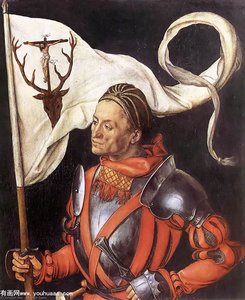
Előnézet
 Megosztás
 Megosztás
 Részletek
 Útmutató

 Letöltés
 Hasonló darabok
 X-ray felvétel
 Diavetítés
 Statisztika
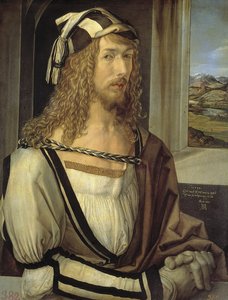
Önarckép
 Akril vászonon
- Falfeliratok és faldekoráció
- Reneszánsz realizmus
 1521
1521 127.0 x 117.0 cm
 Kunsthalle Bremen
 Tovább olvasom
Giclée / Műnyomat
Múzeumi minőségű giclée vagy vászonnyomat, gyors gyártással és rugalmas finomítási lehetőségekkel. ( Kézzel festett másolat vásárlása Áttérés digitális képre)




P118B Ft10

P118H Ft10

P118W Ft10

P438Z Ft10

P508JH Ft12

P508YH Ft12

P805H Ft10

P805Z Ft10

P919BZ Ft10

P919G Ft10

P919XJ Ft10

P959ZH Ft10

P968JZ Ft12

W106C Ft8

W218G Ft10

W218JH Ft8

W218Y Ft10

W307PJ Ft10

W316G Ft10

W316PJ Ft8

W316Y Ft10

W398PJ Ft8

W4111J Ft10

W500HY Ft15

W500JH Ft15

W692G Ft12

W849H Ft8

W940BG Ft15

W953PJ Ft8




Válasszon előre meghatározott méreteink közül, amelyek megfelelnek a műalkotás eredeti arányainak.

Írja be a keretének vagy a falának megfelelő szélességet és magasságot. A nyomatot csak le lehet vágni, soha nem tehető nagyobbá, mint az eredeti kép, így egy eltérő alakú méretnél a kép egy része elveszik. Mielőtt bármit kinyatintanánk, küldünk egy digitális próbamodellt jóváhagyásra. Az oldalon látható kép nem tartalmazza a valós levágást — ezt csak a próbamodell mutatja meg.
Világszerte történő kiszállítás területére mindössze 2 hét alatt, a szokásos 4-5 hét helyett. (24 október)

Ingyenes globális expressz szállítás

Prémium minőségű len vászon

Teljes körű szállítási biztosítás

Vámvisszatérítési Garancia

Tökéletes színarányosság garancia

100 napos visszaküldési garancia (csak gyártási hibás termékek esetén)

100% pénzvisszatérítési garancia

Több darab vásárlásakor kedvezmény
 Az üvegkeretes opció csak 110 cm alatti méretben érhető el

Önarckép
Giclée / Műnyomat
Reprodukció méretei
-


Összesített ár
Ft 25718
A Kapu a Reneszánsz Zsenialitáshoz: Albrecht Dürer Önarckép
Albrecht Dürer neve örökre beleágyazódott a művészettörténet krónikáiba, mint a német reneszánsz talán legmeghatározóbb alakja. 1471-ben, Nürnbergben született, élete pedig a rendíthetetlen elkötelezettség és a művészi innováció élő tanúja volt – egy olyan utazás, amely az önreflexió és a mesteri tudás egyik legmaradandóbb ábrázolásának megalkotásában csúcsolódott ki: a Önarckép 22 évesen című alkotásban. A mű jelenleg a Bremeni Kunsthalle gyűjteményében otthont nála, és ez a rajz túlmutat az egyszerű ábrázoláson; testre imprimálja korának humanista kutatásának és művészi ambícióinak lényegét.- A téma és a kompozíció: A portré Dürert mutatja egy megdöbbentően őszinte pózban – csupasztestű, kivéve az ujján lévő arany gyűrűt –, ami tudatos választás, amely bőségesen beszél a reneszszánsz ideálokról az emberi méltóság és az anatómiai pontosság tekintetében. Kezében egy olyan tárgyat tart, amelyet a kutatók egy almának vagy gyümölcsnek vesznek, finoman utalva a bibliai szimbolikára, kiemelve a művész kulturális narratívák iránti tudatosságát.
- Stílus és technika: Dürer megközelítése tökéletesen összhangban van kortársának stilisztikai trendjeivel – a klasszikus alapelvek szenvedélyes befogadása és a természet aprólékos megfigyelése együttesével. A rajz grafitról és krétáról készült verhetetlen precizitással, demonstrálva a sötétítési technikák mesteri tudását, amelyek háromdimenziós illúziót teremtenek. Figyeljük meg az érezhető tónusváltásokat, amelyek Dürer arca, haja és törzse kontúrjait éld fel.
- Történelmi kontextus: Az 1548-ban készült Önarckép 22 évesen tükrözi a reformáció intellektuális lüktetését és a fejlődő humanista mozgalmat. Dürerhez hasonló művészek a művészet által akarták emelni az emberi tapasztalást – egyéneket ábrázolni pszichológiai mélységgel és anatómiai realizmusmal –, ami radikális szakadást jelentett a középkori konvencióktól.
- Szimbolika és jelentőség: Az alma beemelése különösen megக்érdőjelezhető, hiszen Ádám és Éva paradicsomból való kiбarándolására utal – a halandóság és a szellemi felvilágosodás törekvése egy megható emlékeztetője. Emellett Dürer tekint közvetlenül szembevonul a nézővel, intim kapcsolatot estabelecerálva a művész és a közönség között – ez a reneszszánsz portrézás egyik jellegzetessége, amely célja a fizikai szépség és a belső karakter együttes átadása.
- Örökség és reprodukció: A mai reprodukciók berhasilatúan megragadják Dürer zsenialitásának esszenciáját, lehetővé téve a világszerte élő rajongók számára, hogy átéljék ennek a korszakalkotó alkotásnak a mély hatását. A OriginalUniqueArt kiváló minőségű nyomatokat kínál, amelyek hűen återkreálják a rajz finom textúráit és tónusát, így a reneszánsz történelem egy darabját közvetlenül az Ön otthonába vagy stúdiójába hozva.
Dürer innovatív rajzmódjának felfedezése
Dürer technikája nem csupán képzett volt; ideje számára forradalmi jelentőségű volt. Aprólékosan tanulmányozta az emberi anatómiát, halott testeket boncolt, hogy mélyebb megértésre juthasson az izomzat és a csontszerkezet tekintetében – egy olyan gyakorlat, amelyet sok kortárs számára szokatlannak tartottak. Ez az anatómiai tudás táplálta rajzi folyamatait, ami rendkívül pontos és kifejező ábrázolásokhoz vezetett. A művész áraszási és keresztárazási technikákat alkalmazott hihetetlen finomsággal, olyan textúrákat alkotva, amelyek a bőr és az izomszövet megjelenését utánozzák. Gondoljunk bele, ahogy ezek a vonalak nemcsak a formát, hanem a fényt és az árnyékot is közvetítik – olyan elemeket, amelyek döntő fontosságúak a valóság meggyőző illúziójának eléréséhez.A reneszánsz humanizmus tükre
A Bremeni Kunsthalle gondos megőrzése biztosítja, hogy a jövő generációi is értékelhessék az Önarckép 22 évesen című művet Raphael, Leonardo da Vinci és Michelangelo mesterművei mellett. Ez az alkotás testre imprimálja a humanista szellemet – az emberi potenciálba vetett hitet és a természet világ iránti rajongást –, amelyek az alapokat képeztek a reneszánsz művészeti eredményeinek. Dürer önarcképe maradandó emlékeztetőként szolgál arra a transzformatív erőre, amellyel a művészet képes megvilágítani mind a fizikai formát, mind a belső lelket.Gyakran Ismételt Kérdések
Milyen érzelmi hangulatot áraszt a „Önarckép”, Albrecht Dürer alkotása?
A „Önarckép”, Albrecht Dürer alkotása egy Belső elmélyülésre invitáló érzelmi hangulatot közvetít.
Hogyan illeszkedik a "Önarckép" Albrecht Dürer témáiba és stílusába?
Albrecht Dürer munkásságán belül a "Önarckép" a Reneszánsz realizmus stílus képét képviseli, a klasszikus ideálok, az emberi alak mesterműve, reneszánsz reflexió, a művész hírneve, szimbolikus jelentőség témakörével összefüggésben.
Szabad-e jogilag másolni a(z) Kunsthalle Bremen múzeum collectionsében található „Önarckép”, Albrecht Dürer alkotása alkotást?
A „Önarckép”, Albrecht Dürer alkotása, mely a Kunsthalle Bremen gyűjteményében található, a joghallgatói schützenesség körébe tartozik – a szerzői jog lejártt státuszú. Ez a státusz határozza meg, hogy a kép másolható-e.
A művész életrajza
A Life Forged in Nuremberg: The Early Years and Apprenticeship
Albrecht Dürer, a name synonymous with the German Renaissance, emerged from the bustling artisan city of Nuremberg in 1471. His father, Albrecht Dürer the Elder, was a successful goldsmith who had immigrated from Hungary, bringing with him a lineage steeped in craftsmanship. It was within this environment—the scent of metal and the meticulous precision of handiwork—that young Albrecht’s artistic inclinations first took root. Though his father envisioned a similar path for him, apprenticing him initially in the family trade, it soon became undeniable that Albrecht possessed an exceptional gift for drawing. At thirteen, he transitioned to the workshop of Michael Wolgemut, Nuremberg's leading artist at the time. This was no mere technical training; it was immersion into a world of illuminated manuscripts, painted panels, and—crucially—the burgeoning art of woodcut illustration. The sheer volume of work produced by Wolgemut’s workshop, including the extensive illustrations for the *Nuremberg Chronicle*, provided Dürer with an unparalleled foundation in design, composition, and the mechanics of image-making. A remarkable silverpoint self-portrait from 1484, created when he was barely a teenager, stands as astonishing evidence of his precocious talent—a testament to a burgeoning artistic identity already taking shape. This early work demonstrates a keen eye for detail, an understanding of perspective, and a nascent desire to capture the essence of human form – qualities that would define his entire career.The Italian Influence and Artistic Maturation
Dürer’s ambition extended far beyond the confines of Nuremberg. Driven by an insatiable curiosity and a desire to master the art of painting, he embarked on his first journey to Italy in 1494. This was not simply a sightseeing trip; it was a pilgrimage to the heart of the Renaissance. He encountered the works of masters like Raphael, Giovanni Bellini, and Leonardo da Vinci—artists who were redefining the possibilities of form, perspective, and human expression. The impact of this exposure was profound. Dürer absorbed the classical motifs, harmonious compositions, and subtle sfumato techniques that characterized Italian art, yet he never abandoned his Northern European sensibility for meticulous detail and symbolic depth. He was particularly fascinated by the use of light and shadow in Venetian painting, which would later influence his own work. A second sojourn to Italy between 1505 and 1507 further solidified these influences, allowing him to study ancient Roman ruins and refine his understanding of anatomy and proportion. This synthesis of Northern precision and Italian grace became the hallmark of Dürer’s unique artistic style. He returned from Italy not just with new techniques but also with a renewed sense of purpose – to synthesize the best elements of both traditions into a distinctly German Renaissance art.Mastering the Mediums: Painting, Engraving, and Woodcut
Dürer was a master of multiple mediums, each offering him distinct avenues for creative expression. His paintings, though fewer in number than his prints, demonstrate a remarkable command of oil paint and an ability to capture both physical likeness and psychological depth. Works like the *Feast of the Rose Garlands* (1506) reveal a vibrant palette influenced by Venetian colorism, showcasing his growing mastery of layering pigments and creating luminous effects. However, it was in the realm of printmaking—particularly engraving and woodcut—that Dürer truly revolutionized artistic practice. He elevated these techniques from mere reproductive methods to independent art forms, capable of conveying complex narratives and profound emotions. The *Apocalypse* series (1498), a collection of fourteen woodcuts illustrating the Book of Revelation, showcased his mastery of this medium despite its inherent limitations – he skillfully used hatching and cross-hatching to create dramatic contrasts of light and shadow. Later engravings like *Melencolia I* (1514) and *Saint Jerome in His Study* (1514) are testaments to his unparalleled skill—intricate compositions filled with symbolic meaning and executed with breathtaking precision. He didn’t just depict reality; he imbued it with layers of intellectual and spiritual significance, transforming the printed image into a powerful vehicle for artistic expression.A Theorist and Innovator: The Legacy of Albrecht Dürer
Dürer was not merely an artist; he was a scholar, a theorist, and an innovator who sought to understand the underlying principles governing artistic creation. He believed in the mathematical foundations of art and dedicated himself to establishing a scientific approach to representation. His treatises on geometry, proportion, and human anatomy—most notably *Four Books of Human Proportion* (1528)—were groundbreaking for their time, demonstrating his commitment to rigorous observation and rational analysis. These writings were not simply academic exercises; they were intended to elevate the status of artists from mere craftsmen to intellectual practitioners. Dürer’s work on perspective, in particular, laid the groundwork for future generations of artists and architects. He meticulously documented the rules of linear perspective, providing a systematic approach to creating realistic spatial illusions. His theoretical writings, combined with his artistic achievements, cemented his reputation as one of the most influential figures in the history of Northern Renaissance art. He remains, to this day, one of the most important figures in the history of Western art.Influences and Enduring Impact
- Michael Wolgemut: Dürer’s initial mentor, providing foundational skills in drawing, painting, and woodcut techniques.
- Leonardo da Vinci: Inspired Dürer’s exploration of anatomy, perspective, and sfumato—the subtle blending of tones.
- Raphael: Influenced Dürer’s compositional harmony and idealized forms.
- Giovanni Bellini: Contributed to Dürer's understanding of color and Venetian painting traditions.
Dürer’s influence reverberates through centuries of art history. His meticulous realism, his innovative use of printmaking, and his theoretical writings continue to inspire artists and scholars alike. He demonstrated that art could be both technically masterful and intellectually rigorous—a legacy that continues to shape the artistic landscape today.
Albrecht Dürer
1471 - 1528 , Olaszország
Gyors információk
- Artistic Movement Or Style: német reneszánszi
- Artists Or Movements Influenced By This Artist:
- Nördlingeni iskola
- olasz reneszánszi
- Artists Who Influenced This Artist:
- Leonardo da Vinci
- Raffaello
- Giovanni Bellini
- Date Of Birth: 1471. máj 21.
- Date Of Death: 1528. ápr. 6.
- Full Name: Albrecht Dürer
- Nationality: német
- Notable Artworks:
- Apokalipszis
- Melencolia I
- Szent Jéremy
- Place Of Birth: Nürnberget, Németország
Kapcsolódó cikkek
The Nuances of Graphite: Exploring Emotional Depth & Technical Mastery in Pencil Drawing
Explore the captivating world of graphite drawing! Discover its rich history, master essential techniques like chiaroscuro, and learn how artists evoke emotion through this timeless medium. Expert insights for art enthusiasts.
Albrecht Dürer 25 Mesterműve: A Reneszánsz Zsenialitása – Vászonképek és Nyomatok a OriginalUniqueArt-on
Fedezze fel Albrecht Dürer 25 legpárásabb műalkotását! A német reneszánsz zsenijének festményei, gravírozásai és ikonikus képei – vászonképeken és nyomatokon. Művészeti dekoráció otthonába a OriginalUniqueArt-on. Explore the full collection online!

Albrecht Dürer: A Renaissance Master's Legacy of Innovation and Self-Portraiture
Explore the life & art of Albrecht Dürer, a pivotal German Renaissance master. Discover his groundbreaking printmaking techniques, iconic self-portraits, and lasting influence on Western art history. A deep dive into innovation & symbolism.
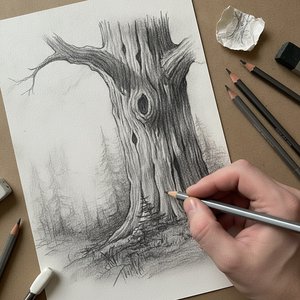
The Power of Graphite: Mastering Depth, Texture, and Detail in the Art of Pencil Drawing
Explore the profound artistry of graphite drawing. Discover professional techniques for mastering depth, texture, and detail through a lens of art history, from classical sketches to modern masterpieces. Elevate your understanding of the pencil medium with our expert guide.
A British Museum gyöngyszemei: 25 műalkotás, melyek inspirálnak – OriginalUniqueArt.com
Fedezze fel a British Museum 25 legikonikusabb műalkotását! Ismerje meg a festmények történetét, technikáját és inspirációját. Klasszikus képek, reneszánsz remekművek, antik szobrok – minden otthonba. Vászonképeket rendeljen a OriginalUniqueArt.com-on!