Előnézet
 Megosztás
 Megosztás
 Részletek
 Útmutató

 Letöltés
 Hasonló darabok
 X-ray felvétel
 Diavetítés
 Statisztika
Nyúl


 Tovább olvasom
Giclée / Műnyomat
Múzeumi minőségű giclée vagy vászonnyomat, gyors gyártással és rugalmas finomítási lehetőségekkel. ( Kézzel festett másolat vásárlása Áttérés digitális képre)




































Válasszon előre meghatározott méreteink közül, amelyek megfelelnek a műalkotás eredeti arányainak.

Írja be a keretének vagy a falának megfelelő szélességet és magasságot. A nyomatot csak le lehet vágni, soha nem tehető nagyobbá, mint az eredeti kép, így egy eltérő alakú méretnél a kép egy része elveszik. Mielőtt bármit kinyatintanánk, küldünk egy digitális próbamodellt jóváhagyásra. Az oldalon látható kép nem tartalmazza a valós levágást — ezt csak a próbamodell mutatja meg.
Világszerte történő kiszállítás területére mindössze 2 hét alatt, a szokásos 4-5 hét helyett. (21 október)

Ingyenes globális expressz szállítás

Prémium minőségű len vászon

Teljes körű szállítási biztosítás

Vámvisszatérítési Garancia

Tökéletes színarányosság garancia

100 napos visszaküldési garancia (csak gyártási hibás termékek esetén)

100% pénzvisszatérítési garancia

Több darab vásárlásakor kedvezmény
 Az üvegkeretes opció csak 110 cm alatti méretben érhető el

Nyúl
Giclée / Műnyomat
Reprodukció méretei
-


Összesített ár
Ft 25246
Egy nyúl csendes megfigyelése: Albrecht Dürer „Hase” című művének története
A bécsi Albertina Múzeum a reneszánsza egyik legbecsapósan egyszerű, mégis mélyen rezonáló alkotását őrzi – Albrecht Dürer „Hase” (Nyúl) című művét, amely 1502-ben készült. Első pillantásra csupán a földön pihenő nyúl aprólékos módon megmintált ábrázolásának tűnik. Azonban ez a nyugodt felszín alatt bőséges művészi innováció és szimbolikus jelentőség rejtőzik, amely évszázadok múltja után is lenyűgözi a nézőket. Ez nem csupán egy rajz; Dürer gravírozási technikájának mesteri tudásáról szóló bizonyíték, és egy ablak volt az akkori európai művészetet formáló intellektuális áramlatokba.A technika: A gravírozás mesterosztálya
Dürer forradalmi módszert alkalmazott „Hase” című alkotásánál, 이용olva a száraztűs metszést – egy technikát, amelyet maga is fejlesztett ki. Ellentétben a mezzotintával, amely a fényesen csiszolással elért tónusos árnyozásra támaszkodik, a száraztűs technika magában foglalja a vonalak közvetlen megkarcolását egy rézplatekba, egy festékbe mártott tű segítségével. Ez a folyamat hihetetlenül finom, élesen határolt vonalakat hoz létre, amelyek sötétségét még a platek megtisztítása után is megőrzik. Az eredmény módon egy összehasonlítthatatlan részletességű és fényűző kép születik, amely lenyűgöző pontossággal örökíti meg a szőr és a föld finom textúráit. Dürer aprólékos precizitása a kézműves munka iránti elkötelezettségéről tanúskodik, amellyel folyamatosan kiterjesztette a művészi kifejezés határoit. Megapixelnyi gondossággal készítette elő a felületet, biztosítva az optimális festékátmenetet, és elérve a tárgy megismétlhetetlenül valóságos ábrázolását.Történelmi kontextus: Humanizmus és szimbolika
A „Hase” egy olyan korszakban született, amelyet virágzó humanista gondolkodás jellemezett – egy olyan intellektuális mozgalom, amely a klasszikus tudomány mellett a reason-t és a megfigyelést helyezte előtérbe. Dürerhez hasonló művészek egyre inkább érintettek voltak a tudományos felfedezések által, különösen Vesalius anatomiai tanulmányai, amelyek kihívták a középkori dogmákat az emberi testról. Azonban a „Hase” túlmutat a puszta akadémiai érdeken; a reneszánsz művészetben elterjedt összetett szimális reprezentációkat testesít meg. A nyulakat, amelyeket hagyományosan a termékenységgel és a tavaszi megújulással asszociálnak, mély emlékeztetőként szolgáltak az élet és a halál ciklikus természetére – témák, amelyek a humanista filozófia központi elemei voltak. Emellett Dürer egy aprólékosan ábrázolt koponya beemelése a nyúl mellett finoman hangsúlyozza a halandóság elkerülhetetlenségét, egymás mellé helyezve a szépséget és a romlást egyetlen kereten belül. Ez az élek közötti kontraszt jellemző a reneszánsz művészetre, amely az emberi tapasztalás teljes egészében történő felfedezését célozta.Érzelmi rezonancia: Nyugalom a komplexitás közepette
Intellektuális mélységétől ellenére a „Hase” megkérdőjelezhetetlen békét áraszt. A nyúl tekintete – amely látszólag felfelé irányul – inkább invitáció a kontemplációra, mintsem az azonnali ítélkezésre. Testtartása a mozdulatlan s végtelen megfigyelés érzetét kelti, tükrözve a humanista ideált a belső béke eléréséről a megfontolt reflexió útján. Dürer mesteri ábrázolása nemcsak az állat fizikai megjelenését ragadja meg, hanem pszichológiai esszenciáját is – egy olyan teljesítmény, amelyet figyelemre méltó finomsággal ért el. A mű tartós vonzereje abban rejlik, hogy képes nyugodt gondolkodásra és a természet szépségének értékelésére ösztönözni, emlékeztetve minket arra, hogy a mély felismerések a látszólag egyszerű formákból is kinyerhetők.A reprodukciókon keresztül élő örökség
Napjainkban a „Hase” kiváló minőségű reprodukciói világszerte díszítik a galériákat és otthonokat, lehetővé téve mindenütt a közönség számára, hogy elsőدős élményként tapasztalják meg Dürer művészi zsenialitását. Legyen szó a tavasz ünnepének vagy a halandóságról szóló meditációnak tekinteni, ez az ikonikus kép továbbra is inspirálja a művészeket és a gyűjtőket egyaránt – bizonyítéka annak a tartós erőnek, amellyel a művészet képes összetett gondolatokat lélegzetelállító eleganciával és precizitással közvetíteni.Gyakran Ismételt Kérdések
Melyik szakaszába tartozik Albrecht Dürer pályájának a "Nyúl" (1502)?
A 1502 évszám a "Nyúl" alkotást Albrecht Dürer fejlődésének Késő korszak szakaszába helyezi.
Milyen technikával készült a "Nyúl"?
Albrecht Dürer a Akvarell technikát alkalmazta a "Nyúl" alkotáshoz. A technika határozza meg az eredeti mű anyagösszetételt.
Mi a "Nyúl" formátuma?
A „Nyúl”, Albrecht Dürer alkotása Portrait formátumú alkotás. A formátum a kompozíció arányait határozza meg.
A művész életrajza
A Life Forged in Nuremberg: The Early Years and Apprenticeship
Albrecht Dürer, a name synonymous with the German Renaissance, emerged from the bustling artisan city of Nuremberg in 1471. His father, Albrecht Dürer the Elder, was a successful goldsmith who had immigrated from Hungary, bringing with him a lineage steeped in craftsmanship. It was within this environment—the scent of metal and the meticulous precision of handiwork—that young Albrecht’s artistic inclinations first took root. Though his father envisioned a similar path for him, apprenticing him initially in the family trade, it soon became undeniable that Albrecht possessed an exceptional gift for drawing. At thirteen, he transitioned to the workshop of Michael Wolgemut, Nuremberg's leading artist at the time. This was no mere technical training; it was immersion into a world of illuminated manuscripts, painted panels, and—crucially—the burgeoning art of woodcut illustration. The sheer volume of work produced by Wolgemut’s workshop, including the extensive illustrations for the *Nuremberg Chronicle*, provided Dürer with an unparalleled foundation in design, composition, and the mechanics of image-making. A remarkable silverpoint self-portrait from 1484, created when he was barely a teenager, stands as astonishing evidence of his precocious talent—a testament to a burgeoning artistic identity already taking shape. This early work demonstrates a keen eye for detail, an understanding of perspective, and a nascent desire to capture the essence of human form – qualities that would define his entire career.The Italian Influence and Artistic Maturation
Dürer’s ambition extended far beyond the confines of Nuremberg. Driven by an insatiable curiosity and a desire to master the art of painting, he embarked on his first journey to Italy in 1494. This was not simply a sightseeing trip; it was a pilgrimage to the heart of the Renaissance. He encountered the works of masters like Raphael, Giovanni Bellini, and Leonardo da Vinci—artists who were redefining the possibilities of form, perspective, and human expression. The impact of this exposure was profound. Dürer absorbed the classical motifs, harmonious compositions, and subtle sfumato techniques that characterized Italian art, yet he never abandoned his Northern European sensibility for meticulous detail and symbolic depth. He was particularly fascinated by the use of light and shadow in Venetian painting, which would later influence his own work. A second sojourn to Italy between 1505 and 1507 further solidified these influences, allowing him to study ancient Roman ruins and refine his understanding of anatomy and proportion. This synthesis of Northern precision and Italian grace became the hallmark of Dürer’s unique artistic style. He returned from Italy not just with new techniques but also with a renewed sense of purpose – to synthesize the best elements of both traditions into a distinctly German Renaissance art.Mastering the Mediums: Painting, Engraving, and Woodcut
Dürer was a master of multiple mediums, each offering him distinct avenues for creative expression. His paintings, though fewer in number than his prints, demonstrate a remarkable command of oil paint and an ability to capture both physical likeness and psychological depth. Works like the *Feast of the Rose Garlands* (1506) reveal a vibrant palette influenced by Venetian colorism, showcasing his growing mastery of layering pigments and creating luminous effects. However, it was in the realm of printmaking—particularly engraving and woodcut—that Dürer truly revolutionized artistic practice. He elevated these techniques from mere reproductive methods to independent art forms, capable of conveying complex narratives and profound emotions. The *Apocalypse* series (1498), a collection of fourteen woodcuts illustrating the Book of Revelation, showcased his mastery of this medium despite its inherent limitations – he skillfully used hatching and cross-hatching to create dramatic contrasts of light and shadow. Later engravings like *Melencolia I* (1514) and *Saint Jerome in His Study* (1514) are testaments to his unparalleled skill—intricate compositions filled with symbolic meaning and executed with breathtaking precision. He didn’t just depict reality; he imbued it with layers of intellectual and spiritual significance, transforming the printed image into a powerful vehicle for artistic expression.A Theorist and Innovator: The Legacy of Albrecht Dürer
Dürer was not merely an artist; he was a scholar, a theorist, and an innovator who sought to understand the underlying principles governing artistic creation. He believed in the mathematical foundations of art and dedicated himself to establishing a scientific approach to representation. His treatises on geometry, proportion, and human anatomy—most notably *Four Books of Human Proportion* (1528)—were groundbreaking for their time, demonstrating his commitment to rigorous observation and rational analysis. These writings were not simply academic exercises; they were intended to elevate the status of artists from mere craftsmen to intellectual practitioners. Dürer’s work on perspective, in particular, laid the groundwork for future generations of artists and architects. He meticulously documented the rules of linear perspective, providing a systematic approach to creating realistic spatial illusions. His theoretical writings, combined with his artistic achievements, cemented his reputation as one of the most influential figures in the history of Northern Renaissance art. He remains, to this day, one of the most important figures in the history of Western art.Influences and Enduring Impact
- Michael Wolgemut: Dürer’s initial mentor, providing foundational skills in drawing, painting, and woodcut techniques.
- Leonardo da Vinci: Inspired Dürer’s exploration of anatomy, perspective, and sfumato—the subtle blending of tones.
- Raphael: Influenced Dürer’s compositional harmony and idealized forms.
- Giovanni Bellini: Contributed to Dürer's understanding of color and Venetian painting traditions.
Dürer’s influence reverberates through centuries of art history. His meticulous realism, his innovative use of printmaking, and his theoretical writings continue to inspire artists and scholars alike. He demonstrated that art could be both technically masterful and intellectually rigorous—a legacy that continues to shape the artistic landscape today.
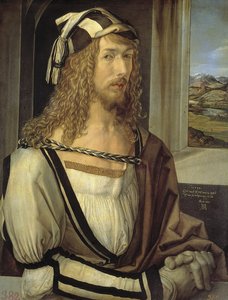
Albrecht Dürer
1471 - 1528 , Olaszország
Gyors információk
- Artistic Movement Or Style: német reneszánszi
- Artists Or Movements Influenced By This Artist:
- Nördlingeni iskola
- olasz reneszánszi
- Artists Who Influenced This Artist:
- Leonardo da Vinci
- Raffaello
- Giovanni Bellini
- Date Of Birth: 1471. máj 21.
- Date Of Death: 1528. ápr. 6.
- Full Name: Albrecht Dürer
- Nationality: német
- Notable Artworks:
- Apokalipszis
- Melencolia I
- Szent Jéremy
- Place Of Birth: Nürnberget, Németország
Kapcsolódó cikkek

Albrecht Dürer: A Renaissance Master's Legacy of Innovation and Self-Portraiture
Explore the life & art of Albrecht Dürer, a pivotal German Renaissance master. Discover his groundbreaking printmaking techniques, iconic self-portraits, and lasting influence on Western art history. A deep dive into innovation & symbolism.
The Enduring Legacy of Printmaking: Techniques, Themes & Artistic Innovation Across Centuries
Explore the rich history of printmaking with OriginalUniqueArt. Discover techniques from intaglio to lithography, learn about collecting valuable prints & find museum-quality reproductions. Expert insights for art enthusiasts and collectors.
A British Museum gyöngyszemei: 25 műalkotás, melyek inspirálnak – OriginalUniqueArt.com
Fedezze fel a British Museum 25 legikonikusabb műalkotását! Ismerje meg a festmények történetét, technikáját és inspirációját. Klasszikus képek, reneszánsz remekművek, antik szobrok – minden otthonba. Vászonképeket rendeljen a OriginalUniqueArt.com-on!
The Northern Awakening: Artistic Innovation & Cultural Transformation in the German Renaissance
Explore the artistic innovation of the German Renaissance! Discover Dürer, the Danube School & Reformation art. Learn about techniques, materials & lasting influence. Find museum-quality reproductions at OriginalUniqueArt.
Albrecht Dürer 25 Mesterműve: A Reneszánsz Zsenialitása – Vászonképek és Nyomatok a OriginalUniqueArt-on
Fedezze fel Albrecht Dürer 25 legpárásabb műalkotását! A német reneszánsz zsenijének festményei, gravírozásai és ikonikus képei – vászonképeken és nyomatokon. Művészeti dekoráció otthonába a OriginalUniqueArt-on. Explore the full collection online!