

 Előnézet
 Megosztás
 Megosztás
 Részletek
 Útmutató

 Letöltés
 Hasonló darabok
 X-ray felvétel
 Diavetítés
 Statisztika
A verseny pálya


 Tovább olvasom
Giclée / Műnyomat
Múzeumi minőségű giclée vagy vászonnyomat, gyors gyártással és rugalmas finomítási lehetőségekkel. ( Kézzel festett másolat vásárlása Áttérés digitális képre)




P118B Ft10

P118H Ft10

P118W Ft10

P438Z Ft10

P508JH Ft12

P508YH Ft12

P805H Ft10

P805Z Ft10

P919BZ Ft10

P919G Ft10

P919XJ Ft10

P959ZH Ft10

P968JZ Ft12

W106C Ft8

W218G Ft10

W218JH Ft8

W218Y Ft10

W307PJ Ft10

W316G Ft10

W316PJ Ft8

W316Y Ft10

W398PJ Ft8

W4111J Ft10

W500HY Ft15

W500JH Ft15

W692G Ft12

W849H Ft8

W940BG Ft15

W953PJ Ft8




Válasszon előre meghatározott méreteink közül, amelyek megfelelnek a műalkotás eredeti arányainak.

Írja be a keretének vagy a falának megfelelő szélességet és magasságot. A nyomatot csak le lehet vágni, soha nem tehető nagyobbá, mint az eredeti kép, így egy eltérő alakú méretnél a kép egy része elveszik. Mielőtt bármit kinyatintanánk, küldünk egy digitális próbamodellt jóváhagyásra. Az oldalon látható kép nem tartalmazza a valós levágást — ezt csak a próbamodell mutatja meg.
Világszerte történő kiszállítás területére mindössze 2 hét alatt, a szokásos 4-5 hét helyett. (25 október)

Ingyenes globális expressz szállítás

Prémium minőségű len vászon

Teljes körű szállítási biztosítás

Vámvisszatérítési Garancia

Tökéletes színarányosság garancia

100 napos visszaküldési garancia (csak gyártási hibás termékek esetén)

100% pénzvisszatérítési garancia

Több darab vásárlásakor kedvezmény
 Az üvegkeretes opció csak 110 cm alatti méretben érhető el

A verseny pálya
Giclée / Műnyomat
Reprodukció méretei
-


Összesített ár
Ft 25642
A rejtélyes utazás: Egy szimbolista remekmű
Merüljön el Albert Pinkham Ryder „Az autópálya” című lenyűgöző világában, egy olyan magával ragadó alkotásban, amely a szimbolizmus és az ekspresszionizmus elemeit ötvözve hoz létre mély érzelmi tartalmú jelenetet. Ez a mestermű egy álomszerű tájat kínál a nézőnek, ahol egy egyedülálló lovas galopált egy hangulatos, végtelennek tűnő égbolt előtt. A dinamikus kompozíció és a gazdag színpaletta oly frappánsá teszi ezt a művet, hogy bármely műgyűjtemény vagy lakókörnyezet kiemelt dísze lehet.
A fény és az árnyék tánca
A mű visszafogott, földszíni tónusai – a barna, a zöld és a sárga – éles kontrasztban állnak az égbolt drámai kékjeivel és szürkéivel, feszültséget és titokzatosságot szítva. A felhők közül áttörő fény finom jelei reményt és békét sugallnak az egyébként komor jelenetbe. Ryder szabad, kifejező ecsetvonata textúrát és mozgást kölcsönöz a vászonnak, vezetve a néző tekintetét, és arra invitálva, hogy fedezze fel a rejtett történetet.
Szimbolizmus és narratívum
„Az autópálya” gazdag szimbolikus elemekkel, amelyek a kaland, a küzdelem és a mitológiai anlatás témáit idézik fel. A lovas egyedülálló az utazás és a szabadság szimbólumaként értelmezhető, míg az előtérben megjelenő kígyó veszélyt vagy kísértést sugall. Az egész kompozíció magányt és küzdelmet áraszt, arra ösztönözve a nézőt, hogy saját módon értelmezze a kép mögött meghúzódó történetet. Ryder képessége, hogy egyszerű, mégis erőteljes képi nyelven közvetítse a komplex érzelmeket, szimbolista művészetének mesteri szintjét igazolja.
Történelmi kontextus és hatások
Albert Pinkham Ryder (1847–1917) amerikai festő volt, akit poetikus és hangulatos allegóriai alkotásairól ismertek. Stílusát a széles formák és az álomszerű tájakba helyezett stilizált alakok jellemzik, ami a modernizmus előzményének tekinthető. Ryder munkásságára hatással voltak a francia Barbizon-iskola és a holland Hágai iskola művészei, amelyeket európai utazásai során studált. Festményei gyakran ábrázoltak irodalmi, operai vagy vallási motívumokat, mélységet és rétegzett jelentést adva alkotmányainak.
Érzelmi hatás és belsőépítészet
„Az autópálya” érzelmi hatása mély, magányt, kalandvágyat és belső felnézést ébresztő erővel bír. Ez az alkotás tökéletes választás azok számára, akik egy olyan darabot keresnek, amely beszélgetést indít, és drámai hangulatot kölcsönöz otthonuknak. Legyen szó egy modern nappaliról, egy kényelmes dolgozószobáról vagy egy elegáns galériafalról, ez a reprodukció fókuszpontként szolgál majd, amely fokozza bármely téri esztétikai és érzelmi atmoszférát.
Vívja életre Ryder vízióját saját tereében
Legyen Ön is részese a művészettörténetnek egy kiváló minőségű „Az autópálya” reprodukcióval. Ez a gondosan kidolgozott másolat visszaadja Ryder eredeti művének lényegét, lehetővé téve, hogy saját otthonában vagy irodájában tapasztalja meg látásmódjának szépségét és mélységét. Emelje új szintre környezetét egy olyan alkotással, amely történetet mesél és megérinti a képzeletet.
Gyakran Ismételt Kérdések
Milyen hangulatot és érzelmet közvetít „A verseny pálya”, Albert Pinkham Ryder alkotása?
A „A verseny pálya”, Albert Pinkham Ryder alkotása hangulatát Misztikus érzetet közvetít, érzelmi tónusa pedig Melankolikus.
Megtekinthetném „A verseny pálya”, Albert Pinkham Ryder alkotása alkotást más megvilágítás mellett is?
A „A verseny pálya” rétegről rétegre vizsgálható a mű alkotásának X-Ray felvétel oldalán, amely egy restaurátori fényasztal alapján készült interaktív néző, és tizenegyi optikai rétegben mutatja be a képet.
Mennyire intenzívek a „A verseny pálya”, Albert Pinkham Ryder alkotása színei?
A "A verseny pálya" színtelítettsége Egyensúlyban lévő. Az intenzitás azt mutatja meg, mennyire erőteljesnek tűnnek a színek.
A művész életrajza
Early Life and Artistic Beginnings
Albert Pinkham Ryder, born March 19, 1847, in New Bedford, Massachusetts, remains a somewhat enigmatic figure in American art history. Details of his childhood are scarce, shrouded in the mists that would later become so characteristic of his paintings. However, it is known that he began to explore his artistic inclinations early on, capturing the landscapes of his native New Bedford with nascent skill. This coastal upbringing, steeped in the atmosphere of a bustling whaling port, undoubtedly left an indelible mark on his imagination and would resurface throughout his career as a recurring source of inspiration. In the late 1860s, Ryder’s family relocated to New York City, where his brother managed the renowned Hotel Albert in Greenwich Village. This move placed young Albert within a vibrant cultural milieu, offering opportunities for artistic development and exposure to new ideas. While assisting with family responsibilities, he continued to pursue his passion for painting, laying the groundwork for his future artistic journey.Formal Training and European Influences
Ryder’s formal art education began with studies under William Edgar Marshall in New York City. He then enrolled at the National Academy of Design, attending between 1870 and 1875, where he exhibited his first work in 1873 and forged a lifelong friendship with fellow artist Julian Alden Weir. These formative years provided him with a solid foundation in traditional techniques and introduced him to the established art world. However, Ryder’s artistic vision extended beyond conventional academic training. Between 1877 and 1903, he embarked on four journeys to Europe, immersing himself in the artistic currents of the Old World. He was particularly drawn to the French Barbizon school, with its emphasis on naturalism and plein air painting, and the Dutch Hague School, known for its atmospheric landscapes and muted color palettes. These influences profoundly shaped his aesthetic sensibilities, contributing to the development of his unique style.A Unique Artistic Vision: Style and Themes
Albert Pinkham Ryder’s artistic signature is instantly recognizable—a captivating blend of Symbolism, Tonalism, and a deeply personal vision. His paintings are not mere representations of reality but rather evocative interpretations of nature infused with mood, mystery, and spiritual resonance. He favored broad, often ill-defined shapes and stylized figures set within dreamlike landscapes or seascapes, creating an atmosphere that is both ethereal and haunting. Light plays a crucial role in Ryder’s work. His scenes are frequently illuminated by dim sunlight filtering through eerie clouds or the soft glow of moonlight, casting long shadows and enhancing the sense of drama and introspection. He masterfully manipulated color to create subtle variations and atmospheric effects, often employing a limited palette to achieve maximum emotional impact. Notable works such as Misty Moonlight, inspired by his childhood memories of coastal New Bedford, exemplify Ryder’s ability to transform personal experiences into universal expressions of longing and contemplation. Other significant paintings, like Siegfried & The Rhine Maidens, demonstrate his fascination with mythology and symbolism.Later Years and Lasting Legacy
After 1900, Ryder's creative output diminished significantly. He became increasingly reclusive, spending much of his time reworking existing paintings in a relentless pursuit of perfection. Despite this decline in productivity, his earlier works continued to garner attention and admiration. Ryder passed away on March 28, 1917, leaving behind a body of work that continues to captivate audiences today. A memorial exhibition held at the Metropolitan Museum of Art in New York in 1918 solidified his reputation as a major figure in American art. Ryder’s influence extends far beyond his immediate contemporaries. His emphasis on form, color, and emotional expression paved the way for later generations of artists, including Jackson Pollock, who acknowledged Ryder as a significant precursor to Abstract Expressionism. He remains celebrated as a pioneer of American Tonalism and Symbolism, an artist whose mystical paintings continue to inspire awe and wonder.
Albert Pinkham Ryder
1847 - 1917 , Egyesült Államok
Gyors információk
- Artistic Movement Or Style: Tonalizmus és Szimbolizmus
- Artists Or Movements Influenced By This Artist: ['Jackson Pollock']
- Artists Who Influenced This Artist:
- Barbizon Schule
- Hague Schule
- Date Of Birth: March 19, 1847
- Date Of Death: March 28, 1917
- Full Name: Albert Pinkham Ryder
- Nationality: Amerikai
- Notable Artworks:
- Misty Moonlight
- A verseny pálya
- Siegfried & Rhine Maidens
- Place Of Birth: New Bedford, USA
Kapcsolódó cikkek
A Szimbolizmus 10 Mesterműve: A Lélek Rejtélyes Világa a Falakon – OriginalUniqueArt.com
Fedezze fel a Szimbolizmus 10 legikonikusabb műalkotását! Gustave Moreau, Klimt és más szimbolista festők rejtélyes világa – történetek, technikák és inspirációk. Vásároljon exkluzív art reprodukciókat otthona számára a OriginalUniqueArt.com-on!
Moody Vibes Only: The Most Iconic Melancholy Figures in Contemporary Art
Explore the most iconic melancholy figures in contemporary art. From Schiele's raw expressionism to Munch's emotional depth, discover how moody, soulful masterpieces can transform your modern space with high-impact, hand-painted aesthetic excellence.
A kifejezésművészet 10 ikonikus remekműve – Vászonképek és inspiráció a OriginalUniqueArt-tól
Fedezze fel a kifejezésművészet 10 legikonikusabb remekművét! Munch, Kirchner, Kandinsky és mások alkotásainak története. Vászonképek, faliképek inspirációval a OriginalUniqueArt-tól – minőségi műalkotások otthonába. Explore the full collection online!
Albert Edelfelt: A Pioneer of Finnish Realism & International Impressionist Circles
Explore the life & work of Albert Edelfelt, a pioneering Finnish Realist painter who bridged Impressionism & national identity. Discover his masterpieces and lasting influence on art history.
Beyond Reality: The Dark, Dreamy Vibe of the Symbolist Movement
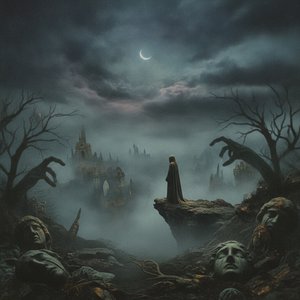
Dive into the dark, hypnotic world of Symbolism. Explore how dreamlike imagery and psychological depth redefined art history, paving the way for Surrealism. Discover how to curate this moody, avant-garde aesthetic for your modern space with expert insights.
