

 Megtekintés
 Küldés
 Megosztás
 Részletek
 Útmutató

 Letöltés
 Hasonló darabok
 X-ray felvétel
 Diavetítés
 Statisztika
A Sleeping Girl
 Oil On Canvas
- WallArt
- Pre-Raphaelite
 1875
1875 22.0 x 30.0 cm
 Tate Britain
 Összes részlet megjelenítése
Giclée / Műnyomat
Múzeumi minőségű giclée vagy vászonnyomat, gyors gyártással és rugalmas finomítási lehetőségekkel. ( Kézzel festett másolat rendelése Áttérés digitális képre)




P118B Ft10

P118H Ft10

P118W Ft10

P438Z Ft10

P508JH Ft12

P508YH Ft12

P805H Ft10

P805Z Ft10

P919BZ Ft10

P919G Ft10

P919XJ Ft10

P959ZH Ft10

P968JZ Ft12

W106C Ft8

W218G Ft10

W218JH Ft8

W218Y Ft10

W307PJ Ft10

W316G Ft10

W316PJ Ft8

W316Y Ft10

W398PJ Ft8

W4111J Ft10

W500HY Ft15

W500JH Ft15

W692G Ft12

W849H Ft8

W940BG Ft15

W953PJ Ft8




Válasszon előre meghatározott méreteink közül, amelyek megfelelnek a műalkotás eredeti arányainak.

Írja be a keretének vagy a falának megfelelő szélességet és magasságot. A nyomatot csak le lehet vágni, soha nem tehető nagyobbá, mint az eredeti kép, így egy eltérő alakú méretnél a kép egy része elveszik. Mielőtt bármit kinyatintanánk, küldünk egy digitális próbamodellt jóváhagyásra. Az oldalon látható kép nem tartalmazza a valós levágást — ezt csak a próbamodell mutatja meg.
Világszerte történő kiszállítás területére mindössze 2 hét alatt, a szokásos 4-5 hét helyett. (27 október)

Ingyenes globális expressz szállítás

Prémium minőségű len vászon

Teljes körű szállítási biztosítás

Vámvisszatérítési Garancia

Hiteles színarányosság garancia

100 napos visszaküldési lehetőség (csak hibás termékek esetén)

100% pénzvisszatérítési garancia

Több darab vásárlásakor kedvezmény
 Az üvegkeretes opció csak 110 cm alatti méretben érhető el

A Sleeping Girl
Giclée / Műnyomat
Reprodukció mérete
-


Összesített ár
Ft 25827
A Portrait of Quietude: Exploring Albert Moore’s “Sleeping Girl”
Albert Joseph Moore's "Sleeping Girl," completed around 1875, stands as a quintessential example of Pre-Raphaelite painting—a movement dedicated to reviving artistic ideals considered superior to those prevalent in the academic tradition. More than just a depiction of repose, this oil on canvas delves into themes of vulnerability, beauty, and contemplation, capturing a moment frozen in time with remarkable sensitivity. Tate Gallery houses the original artwork, offering visitors an opportunity to experience its ethereal luminescence firsthand.- Subject Matter: The painting portrays a young woman reclining gracefully on a chaise lounge, enveloped in soft drapery and surrounded by delicate floral arrangements—a deliberate choice reflecting the Pre-Raphaelite fascination with idealized landscapes and mythological narratives rooted in medieval literature.
- Style & Technique: Moore’s meticulous approach to composition and execution aligns perfectly with the stylistic principles of his era. He employed a layered brushstroke technique, building up color and form gradually—a hallmark of Academic painting—to achieve an unparalleled level of luminosity and textural detail. The artist's careful attention to light and shadow contributes significantly to the artwork’s serene atmosphere.
- Historical Context: Emerging in Britain during the Victorian period, Pre-Raphaelite art reacted against the perceived artificiality of academic conventions, championing instead a return to artistic sincerity and emotional expression inspired by early Renaissance masters—specifically those preceding Raphael. This movement sought to recapture the spirit of medieval art, prioritizing beauty and moral contemplation over mere technical virtuosity.
- Symbolism: The inclusion of roses—a recurring motif in Pre-Raphaelite imagery—amplifies the painting’s symbolic resonance. Roses traditionally represent love, passion, and purity—themes interwoven throughout Moore's composition to convey a profound sense of innocence and tranquility. The woman’s closed eyes symbolize sleep, representing not merely physical rest but also spiritual contemplation and detachment from worldly concerns.
- Emotional Impact: “Sleeping Girl” succeeds in evoking a powerful emotional response in the viewer—a feeling of quiet serenity and melancholic beauty. Moore's masterful use of color palettes—muted earth tones combined with soft whites—creates an immersive experience that invites reflection on themes of vulnerability, grace, and fleeting moments of sublime perfection.
Detailed Examination of Composition & Color Palette
Moore’s compositional choices are deliberate and contribute significantly to the artwork's overall impact. The central figure dominates the canvas, positioned at the heart of a carefully arranged space defined by supporting elements—floral cushions and vases—that serve as visual anchors. Lines are predominantly smooth and flowing, particularly in the drapery and the woman’s hair, creating an impression of softness and movement. Perspective is shallow, fostering a sense of intimacy between the viewer and the subject matter. Depth is achieved through subtle tonal variations and layering techniques—a testament to Moore's technical prowess. The color palette leans towards muted earth tones—primarily ochre and ivory—underscored by delicate shades of pink and white—creating an ethereal luminescence that enhances the painting’s dreamlike quality.Materials & Artistic Process
“Sleeping Girl” is executed in oil paints on canvas—a medium favored by Academic artists for its ability to capture nuanced tonal gradations and achieve exceptional textural richness. Moore undertook extensive preparatory studies, meticulously sketching the figure and drapery separately before embarking on the final painting process. He employed a technique known as glazing—applying thin layers of translucent color over underlying pigments—to build up depth and luminosity gradually—a hallmark of Pre-Raphaelite artistry. This painstaking approach ensured that every detail was rendered with meticulous precision, resulting in an artwork of breathtaking beauty and artistic integrity.Kérdések és válaszok
Elérhető diaporáma a(z) „A Sleeping Girl”, Albert Joseph Moore alkotása alkotáshoz?
A „A Sleeping Girl”, Albert Joseph Moore alkotása diaporámaként tekinthető a mű Diaváltás oldalán.
Milyen technikával készült a „A Sleeping Girl”, Albert Joseph Moore alkotása?
A "A Sleeping Girl" alkotás Oil On Canvas technikával készült.
Milyen érzelmi hangulatot áraszt a „A Sleeping Girl”, Albert Joseph Moore alkotása?
A „A Sleeping Girl”, Albert Joseph Moore alkotása egy Calm érzelmi hangulatot közvetít.
A művész életrajza
Albert Joseph Moore (1841–1893) – Egy Érzelmekkel Teljesítő Szellem
Albert Joseph Moore egy kiváló angol festő volt, aki született 1841 novemberében York városában, Nagybritannióban. Azonosuló negyedik gyermeként és ötödik gyermeként William Moore művész apa és második felesége, Sarah Collingham házasságából származott. Számos bátyja művészi foglalkozású volt, köztük Henry Moore, aki ismert tengerészeti festőként emelkedett ki. Moore általános iskolában és St. Peter's School Yorkban tanult, ahol szintén előadásokat kapott rajzolásból és festészetből apjától.Korai Élete és Oktatása
Moore születése nagy yorkshire családba tartozó személy volt. Apja művészként dolgozott és az idősebb William Moore egy ismert angol művész volt, aki 1790-ben született és 1851-ben halt meg. Számos bátyja művészi foglalkozású volt, köztük Henry Moore (1831–1895), aki nagy népszerűségnek örült és ismert tengerészeti festőként emelkedett ki. Albert Moore általános iskolában és St. Peter's School Yorkban tanult, ahol szintén előadásokat kapott rajzolásból és festészetből apjától. Egy különösen jelentős eredményt ért el még fiatal korában: megnyerte az Északi Tudományos Társaság díjat Kensingtonben 1853 májusában, mielőtt tizennegyedik événél érte el. Ezután Londonba költözött és a Kensington Gimnáziumban tanulmányozta magát 1858-ig, amikor művészi iskolába járóként lépett oda a Nagybritanniai Egyetemhez.Művészi Ut Szava
Moore korai alkotásai Rudolf vaikutása alatt készültek el és már 1857 őszön tudományos társaság díjjal mutatkozott meg a Nagybritanniai Egyetemen, amikor egy Tóth Módszosz Benedek és Edward Armitage művészét ábrázoló képet mutatott be. Az alkotói stílusa idővel jelentős változáson ment át, és egy erőteljes neo-klasszikus jelleg kezdődött meg ebben az időszakban. Ez a korszak során Moore dísztárgyként és festményként dolgozott Morris, Marshall, Faulkner és Co., valamint egyházi és otthoni falvállalkozóként tevékenykedett. Egy különösen nagy figyelmet kiváltó eredményt ért el ebben az időszakban: megnyerte a Nagybritanniai Tudományos Társaság díját Kensingtonben 1853 májusában, mielőtt tizennegyedik événél érte el. Ezután Londonba költözött és a Kensington Gimnáziumban tanulmányozta magát 1858-ig, amikor művészi iskolába járóként lépett oda a Nagybritanniai Egyetemhez. Az időszak végére egy erőteljes neo-klasszikus jelleg kezdődött meg Moore számára, aki nagy figyelmet fordított az antik szobrászatra, különösen az Elgin márványokra a Brit Birodalmi Múzeumban.Bemutatkozása és Érdemei
Moore művei jellemzően egyetlen női figurát ábrázolnak formális arányokkal, neo-klasszikus ruhával és virágos dísztárgyakkal, ami nagy jelentőségűvé teszi az Érzelmekkel Teljesítő Szellem művészeti irányzatának egyik fő vonását. Néhány ismert alkotása:- A Marmor Ülés (1865) – Egy hosszú sor dekoratív képe
- Élijah áldozata (1863) – Rudolf vaikutása és Tóth Módszosz Benedek és Edward Armitage művészét ábrázolja
- Az Észak Nyara és Szél Szerelmei – Egy különösen nagy és részletes munka, amelyet Mr. McCulloch finanszírozott

Albert Joseph Moore
1841 - 1893 , Egyesült Királyság
Rövid információk
- Artistic Movement Or Style: Aestheticizmus
- Artists Who Influenced This Artist:
- Ruskin
- Ford Madox Brown
- Edward Armitage
- Date Of Birth: 4 szeptember 1841
- Date Of Death: 25 szeptember 1893 London, Anglia
- Full Name: Albert Joseph Moore
- Nationality: Britannia
- Notable Artworks:
- A Marmorszék
- Élijah áldozat
- Az Észszakozók szerelmei és széljai
- Place Of Birth: York, Nagy Britannia
Kapcsolódó cikkek

The Pre-Raphaelite Brotherhood: Rediscovering Beauty, Romance, and Medieval Magic in Victorian Art
Embark on a journey through the Pre-Raphaelite Brotherhood. Discover the romantic symbolism, medieval magic, and radical beauty of Rossetti and Burne-Jones in this expert exploration of Victorian art history.

Pre-Raphaelite Romanticism: A Guide to Vivid Detail and Medieval Beauty in Victorian Art
Explore the vivid detail and medieval beauty of Pre-Raphaelite Romanticism. Discover the history of masters like Rossetti and Millais through our expert guide to Victorian art, perfect for collectors and professionals seeking authentic, museum-quality reproductions.

Sir John Everett Millais: Pre-Raphaelite Rebellion & Victorian Narrative Detail
Explore the revolutionary art of Sir John Everett Millais & the Pre-Raphaelite Brotherhood. Discover their radical realism, symbolic narratives, and lasting impact on Victorian aesthetics. A deep dive into 19th-century masterpieces.

Dante Gabriel Rossetti 25 Mesterműve: Szépség és Lelkiség a Vásznon – OriginalUniqueArt
Fedezze fel Dante Gabriel Rossetti 25 legszebb művészeti alkotását! Ismerje meg a prerafaeliták titkait, a viktoriánus festészet szépségét és a romantikus szimbolizmus mélységeit. Prémium minőségű art reprodukciók a OriginalUniqueArt-on – inspiráció otthonába!
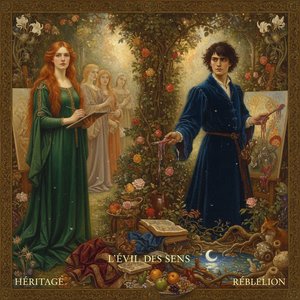
The Pre-Raphaelite Brotherhood: Reclaiming Beauty, Nature, and Truth in Victorian Art History
Explore the revolutionary Pre-Raphaelite Brotherhood. Discover how these visionary artists rejected academic tradition to reclaim beauty, nature, and truth through luminous detail and literary depth in Victorian art history.