A szöveg mérete

() ·

Egy Önnek készült, kézzel festett alkotás

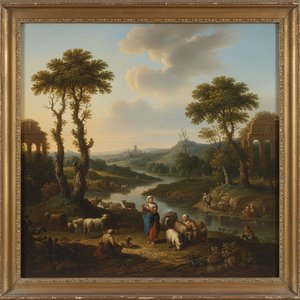
Landscape with Windmill

Kézzel készített olajfestmény reprodukció

Kézzel festett olajvastú vászon, az Ön által választott méretben és keretben, művészeink készítik meglévőre. ( Váltás nyomtatványra Áttérés digitális képre)

A gyűjtemény leírása

Experience the serene beauty of Aert van der Neer's 'Landscape with Windmill,' painted in 1646. This evocative oil on panel captures a tranquil riverside scene illuminated by moonlight, showcasing masterful atmospheric perspective and subtle color palettes.

A művész életrajza

Aert van der Neer (1603-1677) holland tájfestő volt a holland aranykorból, akit atmoszférikus éjszakai jeleneteiről, téli tájairól és a holdfény mesteri használatáról ismertek. Fedezze fel nyugodt folyóképeit és fényeffekteit.

előbb ·

1. fejezet

Mekkora méretű legyen?

Húzza a csúszkát a méret megváltoztatásához; a bal oldali kép a keret valós szélességét mutatja. Az eredeti arányok megmaradnak.

Standard méret
egyedi méretű
CM
INCH

Válasszon előre meghatározott méreteink közül, amelyek megfelelnek a műalkotás eredeti arányainak.

szélesség
magasság

Írja be a kívánt szélességet és magasságot, hogy illeszkedjen a keretéhez vagy a falához. Mivel ez kézzel festett alkotás, egy eltérő formájú méret esetén a művész akár festhet is valamivel többet a kép körül, vagy korolathat is belőle — az Ön döntésének megfelelően. A festés megkezdése előtt küldünk egy digitális tervezetet jóváhagyásra. Az oldalon látható kép nem tartalmazza a végeredményt — csak a tervezet mutatja meg a valódi eredményt.

2. fejezet

Hogyan érkezzen meg?

Válaszd ki a feszített vászon széleit

Válassza ki a keretet

Corner sample of the WhiteWrap canvas edge finish, stretched on tömörfa bars
Fehér Ft1
Corner sample of the BlurSideWrap canvas edge finish, stretched on tömörfa bars
Elmosódott szélek Ft1
Corner sample of the ExtendedWrap canvas edge finish, stretched on tömörfa bars
Kiterjesztett Ft1
Corner sample of the P118B picture frame: formázott polisztirol, 5 cm wide and 3 cm thick
P118B Ft10
Corner sample of the P118H picture frame: formázott polisztirol, 5 cm wide and 3 cm thick
P118H Ft10
Corner sample of the P118W picture frame: formázott polisztirol, 5 cm wide and 3 cm thick
P118W Ft10
Corner sample of the P438Z picture frame: formázott polisztirol, 5.5 cm wide and 3.5 cm thick
P438Z Ft10
Corner sample of the P508JH picture frame: formázott polisztirol, 7 cm wide and 3.5 cm thick
P508JH Ft12
Corner sample of the P508YH picture frame: formázott polisztirol, 7 cm wide and 3.5 cm thick
P508YH Ft12
Corner sample of the P805H picture frame: formázott polisztirol, 5 cm wide and 3.5 cm thick
P805H Ft10
Corner sample of the P805Z picture frame: formázott polisztirol, 5 cm wide and 3.5 cm thick
P805Z Ft10
Corner sample of the P919BZ picture frame: formázott polisztirol, 7 cm wide and 3.5 cm thick
P919BZ Ft10
Corner sample of the P919G picture frame: formázott polisztirol, 7 cm wide and 3.5 cm thick
P919G Ft10
Corner sample of the P919XJ picture frame: formázott polisztirol, 7 cm wide and 3.5 cm thick
P919XJ Ft10
Corner sample of the P959ZH picture frame: formázott polisztirol, 5 cm wide and 3 cm thick
P959ZH Ft10
Corner sample of the P968JZ picture frame: formázott polisztirol, 6 cm wide and 4 cm thick
P968JZ Ft12
Corner sample of the W106C picture frame: tömörfa, 5 cm wide and 3 cm thick
W106C Ft8
Corner sample of the W218G picture frame: tömörfa, 5 cm wide and 3 cm thick
W218G Ft10
Corner sample of the W218JH picture frame: tömörfa, 5 cm wide and 3 cm thick
W218JH Ft8
Corner sample of the W218Y picture frame: tömörfa, 5 cm wide and 3 cm thick
W218Y Ft10
Corner sample of the W307PJ picture frame: tömörfa, 6 cm wide and 3 cm thick
W307PJ Ft10
Corner sample of the W316G picture frame: tömörfa, 6 cm wide and 3 cm thick
W316G Ft10
Corner sample of the W316PJ picture frame: tömörfa, 6 cm wide and 3 cm thick
W316PJ Ft8
Corner sample of the W316Y picture frame: tömörfa, 6 cm wide and 3 cm thick
W316Y Ft10
Corner sample of the W398PJ picture frame: tömörfa, 5 cm wide and 3 cm thick
W398PJ Ft8
Corner sample of the W4111J picture frame: tömörfa, 6.5 cm wide and 3.5 cm thick
W4111J Ft10
Corner sample of the W500HY picture frame: tömörfa, 7 cm wide and 5 cm thick
W500HY Ft15
Corner sample of the W500JH picture frame: tömörfa, 7 cm wide and 5 cm thick
W500JH Ft15
Corner sample of the W692G picture frame: tömörfa, 8 cm wide and 4 cm thick
W692G Ft12
Corner sample of the W849H picture frame: tömörfa, 5 cm wide and 3 cm thick
W849H Ft8
Corner sample of the W940BG picture frame: tömörfa, 7.5 cm wide and 4.5 cm thick
W940BG Ft15
Corner sample of the W953PJ picture frame: tömörfa, 6 cm wide and 3.5 cm thick
W953PJ Ft8
Corner sample of the H24-GOLD picture frame: faragott fa gesszóval, 10 cm wide and 6 cm thick
H24-GOLD Ft30
Corner sample of the H24-SILVER picture frame: faragott fa gesszóval, 10 cm wide and 6 cm thick
H24-SILVER Ft30
Corner sample of the H36-GOLD picture frame: faragott fa gesszóval, 15 cm wide and 6.5 cm thick
H36-GOLD Ft45
Corner sample of the H36-SILVER picture frame: faragott fa gesszóval, 15 cm wide and 6.5 cm thick
H36-SILVER Ft45

Keretprofil: . A kerettel együtt vett teljes méret: .

3. fejezet

Ki festi, és változtatni kellene-e bármit?

Példák a módosíthatóságra: Az arc kicserélése a vásárló fotójára; háziállat hozzáadása (pl. macska kicserélése kutyára); rejtett üzenet elhelyezése a háttérben; a háttér tájéképének vagy elemeinek megváltoztatása.
A megrendelést követően a OriginalUniqueArt.com csapat e-mailt küld a vásárlónak az instrukciókkal, és biztosítja a tervezeti előnézetet

Világszerte elérhető szállítás () 3-4 hét alatt a szokásos 5 hét helyett. (3 november). A minőség nem kérdőjelezhető.

4. fejezet

Az utolsó finomhangolás

Egy felirat, mint egy múzeumban?

A gravírozott bronztábla részletei

This elegant plaque features the artist's name and the title of the artwork, finely engraved for a timeless presentation.

It is made from bronze with a refined, elegant finish. The text is precisely laser-engraved for a sharp and permanent result. Measuring 9x2 cm, the plaque is compact yet easy to read. It's built to be durable and scratch-resistant, offering a professional, museum-quality look. Mounting is simple thanks to the included adhesive backing.

Átlátszó akril tábla részletei

The plaque includes essential engraved details such as the artist's name, the title of the artwork, the date it was created, the type of media used-like oil on canvas or watercolor-a brief description of the piece, and a QR code that links to the complete artwork information.

It is crafted from clear acrylic, offering a sleek, modern appearance. The text is UV-engraved in black to ensure strong visual contrast. With a size of 10x15 cm, it ensures optimal readability. It comes equipped with two metal hooks for secure wall mounting. The plaque is designed to be weather-resistant, making it suitable for various environments, and it includes interactive features that work seamlessly with smartphone scanning.

Fekete akril tábla részletei

This elegant plaque includes engraved information such as the artist's name, the title of the artwork, the date it was created, the type of media used (like oil on canvas or watercolor), a short description of the artwork, and a QR code for quick access to more information.

The plaque itself is made from refined black acrylic with a premium finish. The text is laser-engraved in white for high contrast and readability. Its size is 10x15 cm, designed to be easy to read. It comes with two metal hooks for professional mounting. The design is sleek and fits any interior style. It is also weather-resistant and durable, with built-in digital integration for mobile compatibility.

Egy védőréteg?

Mikor lenne szüksége rá?

5. fejezet

Az Ön által megrendelt festmény

Landscape with Windmill

Reprodukciós technika

Reprodukció mérete

-

Kiváló mesterművész

Nagyobb részletesség, finomság és bővített gyártási idő

-

Reprodukció keretezése

-

-

A bármely oldalsó méretét túlszálaló 105 cm (kb. 41 hüvelyk) meghaladó műalkotások vagy reprodukciók esetében a keret összeszerelhető készletként, szétszerelve kerül szállításra. Ez a módszer biztosítja a biztonságos szállítást, és megakadályozza a szállítás során fellépő sérüléseket.

Szakmész összeszerelést igényel – ez nem DIY (önösszeszerelhető) termék.
A készletet egy tapasztalt keretező szakembernek kell összeszerelnie és a vásznat feszítenie kell, fa ragasztó (nem tartalmazza a csomag), vásznfeszítő fogó és szorítók használatával, amelyek a ragasztó száradásáig a keretrészeket egymáshoz vuôngjba tartják. A helytelen összeszerelés vagy a nem egyenletes vásznfeszítés maradandó károsíthatja a műalkotást, és ez nem része a garanciánknak.

  • A készlet tartalmazza az összes tömörfa rudat, pontosan méretre vágva.

  • A mellékelt csavarokkal, valamint a sarokszerekhez szükséges faütő ragasztóval kell összeszerelnie (ez nem tartalmazható a csomagban), így a keretrendezőnek külön kell beszereznie.

  • A csomag nem tartalmazza a szükséges professzionális eszközöket: egy vászonfeszítőt és klipseket a rácsok vízszintes tartásához a ragasztó megszáradásáig.

Fontos:
A sarokcsatlakozásokhoz fánylagra van szükség, a keretrudakat szorítókapcsokkal kell rögzíteni, amíg a rag teljesen meg nem szárad, a kész keretre feszített vászonhoz pedig vászonfeszítő fogat szükséges. Ezek egyike sem található meg a készletben. Kérjük, rendelés előtt győződjön meg róla, hogy rendelkezik tapasztalt keretező szakemberrel.

Névtábla

-

-

Védőréteg (Lakk)

Fényes lakk (intenzívabb színek, védelem a fény és a nedvesség hatása ellen)

-

Műalkotásom egyedi igényre szabása

Példák a módosíthatóságra: az arc kicserélése az ügyfél fotójára; háziállat hozzáadása (pl. macska helyett kutya); rejtett üzenet elhelyezése a háttérben; a háttér tájainak vagy elemeinek megváltoztatása.

-

Sürgős

Világszerte szóló szállítás () mindössze 3-4 hét alatt, a szokásos 5 hét helyett. (3 november). A minőség nem kérdőjelezhető.

-

Express szállítás

Világszerte elérhető szállítás területre 5 héten belül. (10 november).

A szállítás díja tartalmazza

Összesített ár

Ft 98290

Összesített ár Ft 98290

Az üvegkeretes opció csak 110 cm alatti méretben érhető el

Minden rendelés mellé tartalmazva

  • Ingyenes globális expressz szállítás
  • Prémium minőségű len vászon
  • Teljes körű szállítási biztosítás
  • Vámvisszatérítési Garancia
  • Hiteles színarányosság garancia
  • 100 napos visszaküldési lehetőség (csak hibás termékek esetén)
  • 100% pénzvisszatérítési garancia
  • Több darab vásárlásakor kedvezmény

A Nocturnal Reverie: The Ethereal World of Aert van der Neer

In the heart of the Dutch Golden Age, a period defined by unparalleled artistic flourishing, Aert van der Neer emerged as a master of the unseen. While many of his contemporaries sought to capture the grandeur of sweeping vistas or the heroic narratives of history, van der Neer turned his gaze toward the quiet, the shadowed, and the silvered moments of the natural world. His 1646 masterpiece, "Landscape with Windmill," serves as a profound testament to this singular vision. The painting invites the viewer into a tranquil, nocturnal realm where a meandering river reflects the soft, diffused light of a sky caught between dusk and dawn. It is not merely a depiction of a Dutch landscape; it is an invitation to experience the stillness of a world suspended in time, rendered with a psychological depth that resonates long after the first glance.

The composition is a masterclass in atmospheric balance. A winding waterway leads the eye through a lush, verdant foreground, where the dark silhouettes of trees provide a structural weight to the scene. As the gaze travels deeper into the canvas, the presence of a windmill on the right horizon introduces a subtle touch of human industry, yet it remains harmoniously integrated into the natural rhythm of the landscape. The color palette is intentionally restrained, dominated by earthy tones and deep greens, punctuated by the delicate blues of the water and sky. This careful orchestration of color creates a sense of profound serenity, making the work an ideal centerpiece for those seeking to bring a sense of calm, contemplative elegance to a sophisticated interior.

Technique and the Alchemy of Light

What truly distinguishes van der Neer from his peers is his extraordinary ability to manipulate light. He was a pioneer of the nocturnal genre, specializing in scenes lit only by the ethereal glow of moonlight or the flickering warmth of distant fires. In "Landscape with Windmill," we see the fruits of his meticulous technique—a process of delicate glazing where thin, translucent washes of oil paint are layered to achieve a luminous, almost breathing quality. This method allows the light to appear as if it is emanating from within the canvas itself, capturing the elusive shimmer of frost or the soft diffusion of mist.

For the discerning collector or interior designer, the technical brilliance of this work offers more than just visual beauty; it offers texture and depth. The way the artist captures the interplay between shadow and light creates a dynamic visual experience that changes depending on the ambient lighting of a room. To possess a reproduction of such a piece is to bring a fragment of seventeenth-century Dutch mastery into a modern space, providing a window into a world where every brushstroke was dedicated to capturing the fleeting, magical essence of the atmosphere.

Historical Resonance and Emotional Depth

To understand "Landscape with Windmill" is to understand the soul of the Dutch Republic in the mid-seventeenth century. This was an era of significant social and intellectual transformation, yet van der Neer found his inspiration in the enduring, quiet cycles of nature. His work avoids the flamboyant and the loud, opting instead for a restrained realism that speaks to the human condition—specifically our capacity for solitude and reflection. There is a palpable sense of melancholy in the cool tones and the vast, quiet sky, yet it is a beautiful melancholy, one that celebrates the majesty of the natural world even in its most somber moments.

For those looking to curate an art collection that evokes emotion and tells a story, van der Neer’s work provides an unparalleled opportunity. His landscapes do not demand attention through spectacle; they earn it through intimacy. Whether placed in a quiet study, a grand library, or a contemporary living space, this painting acts as a meditative anchor, offering a sense of peace and a connection to the timeless beauty of the Dutch masters. It is a piece that does not just decorate a wall—it transforms an environment.

Kérdések és válaszok

Hogyan tölthetem le a(z) „Landscape with Windmill”, Aert Van Der Neer alkotása képét?

A „Landscape with Windmill”, Aert Van Der Neer alkotása képe letölthető a mű Letöltés oldaláról: magas felbontású digitális kép letöltése.

Elérhető diaporáma a(z) „Landscape with Windmill”, Aert Van Der Neer alkotása alkotáshoz?

A "Landscape with Windmill" diaporámája megtekinthető a mű Diaváltás oldalán.

Hol látható ma a(z) „Landscape with Windmill”, Aert Van Der Neer alkotása?

A „Landscape with Windmill”, Aert Van Der Neer alkotása kiállítva található a Hermitázsmúzeum, Szentpétervár, Russia-ben. A múzeumi hivatkozás az eredeti műre vonatkozik, nem a reprodukciókra.

Több információ erről a festményről

Megtekintés AR előnézet Váltás nyomtatványra Áttérés digitális képre Küldés
Részletek Útmutató Kedvencekhez ad Letöltés Hasonló darabok X-ray felvétel Diavetítés Kérdések és válaszok Statisztika

Számokban kifejezve

  • 1646a festés éve
  • 29választható keretek
  • standard méretek, saját arányokkal
  • 5hetek a festésre és a kézbesítésre
Aert Van Der Neer

Aert Van Der Neer

1604 - 1677, Hollandia

Gyors információk Aert Van Der Neer művészről

  • Artistic Movement Or Style: Holland aranykorú tájfestészet
  • Artists Or Movements Influenced By This Artist: ['Albert Cuyp']
  • Artists Who Influenced This Artist:
    • Rafael
    • Jochem Govertsz Camphuysen
  • Date Of Birth: Amszterdam, Hollandia (1604)
  • Date Of Death: 1677
  • Full Name: Aert van der Neer
  • Nationality: Holland
  • Notable Artworks:
    • Tél Hollandia: Korcsolyázás
    • Folyó táj holdfényben
    • Holdfényes táj hidassal
  • Place Of Birth: Gorinchem

A művész életrajza

Aert van der Neer: A holdfény és a téli tájak mestere

Aert van der Neer (kb. 1603 – 1677. november 9.) egyedülálló alakként áll a holland aranykorú tájfestészet történetében, amely lenyűgöző szépségű éjszakai jeleneteiről híres, melyeket eterikus holdfény áramlik át, valamint a téli tájak roppanós csendéről – különösen azokról, amelyek csatornák és folyók fölé nyúlnak. Ellentétben számos kortársával, akik a monumentális látmányokat vagy az idealizált pastoraális panorámákat részt vették előnyben, van der Neer a finom légköri hatások és a természet intim pillanatainak megörökítésére összpontosított, ezzel is úttörővé vált a műfajbeli festészet pszichológiai realizmusának terén. Képes arra, hogy felidézze egy fagyott csatorna éles hidegét vagy az éjszakai égbolt ezüstös fényét, így a nézőt közvetlenül a seventeenth századi Hollandia csendjébe vezeti.

Korai évek és művészeti neveltetés

Van der Neer alakformáló éveire vonatkozó információk ritkák, a történelem ködében rejtőznek, azonban művészi lényege mélyen gyökerezik a holland földben. Bár a biográfiai adatok arra utalnak, hogy körülbelül 1604 körül született Gorinchemben, valódi művészbeni örökségét kortársai ecsethúzásaiban találjuk. Művészeti oktatása valószínűleg olyan befolyásos festők munkásságának megtekintéséből fakadt, mint Rafael vagy Jochem Govertsz Camphuysen, akik stilisztikai érzékenysége undeniably befolyásolták fejlődő tehetségét. Ez a kapcsolat egy jelentős művészcsaládhoz olyan környezetet teremtett, amely kedvezett a készségek csiszolásához és a vizuális ábrázolás innovatív megközelítéseinek felfedezéséhez. Ezen korai elmélyülés révén kezdte kialakítani a fény és az árnyék közötti kölcsönhatás egyedülálló szemét, amely tulajdonság később élete málvai jellegű aláírásává vált.

A holdfény nyelve és a technika

Van der Neer sajátos stílusa azonnal felismerhető a fény – különösen a holdfény – mesteri manipulálásáról, valamint annak finom összefonódásáról a tűz fényével. Kerülte a drámai, széles körű kompozíciókat, és helyette az alázatosabb tájakat részesítette előnyben, amelyeket a mindennapi élet ritmusában részt vevő alakok tesznek élettelivé. Műveiben találhatunk:
  • Korcsolyázókat, akik elegánsan siklanak a fagyott vízi utakon a tél csúcsán.
  • Kolf-játékosokat, akik a puha hótalaj között hajtják a céljukat.
  • Halászokat, akik türelmesen várják zságerüket a feltörekvő hold felügyelete alatt.
  • Lóhajtású szekereket, amelyek egy álma város csendes, jeges útjain haladnak.
Technikája a glazúrok (színrétegek) aprólékos rétegezését envolvetta a lenyűgöző tónusváltások és a textúrák finom ábrázolásához. Ez a módszer lehetővé tette számára, hogy megörökítse egy naplemente ephemer szépségét vagy a jégről visszavert holdfény ezüstös, áttetsző minőségét. A finom légköri hatásokra való összpontozással egyszerű tájakat változtatott mély meditációvá az időről és a nyugalomról.

Örökség és történelmi jelentőség

Aert van der Neer történelmi jelentősége abban rejlik, hogy képes volt a „kis” tájat a magas érzelmi rezonancia birodalmába emelni. Mինչ más mesterek a monumentálisra törekedtek, van der Neer a múlók és a csendesek nagyságát találta meg. Művei, mint a lélegzetelállító Naplementét ábrázló táj vagy a holland városok melletti élénk téli jelenetei, időtlen pillantásokat kínálnak a seventeenth századi életbe. A holland aranykor egyik alapköve marad, nemcsak technikai tudásáért, hanem azért is, hiszen képes volt megörökíteni az éjszakai világ lélekét. Hatása ma is fennmarad abban a mód, ahogyan érezzük az éjszaka szépségét, emlékeztetve minket arra, hogy még a legsötétebb órákban is található mély és fényes kegyelem a természet világában.

Gyors információk

  • Title: Landscape with Windmill
  • Location: The Hermitage, St. Petersburg
  • Subject or theme: Winter landscape
  • Year: 1646
  • Notable elements or techniques: Moonlight rendering
  • Influences: Rafael

Művészeti kvíz

Minden kérdésre csak egy helyes válasz létezik.

Kérdés 1:
What is the primary subject matter of ‘Landscape with Windmill’?
Kérdés 2:
In what year was ‘Landscape with Windmill’ painted?
Kérdés 3:
Where is ‘Landscape with Windmill’ currently housed?
Kérdés 4:
What artistic technique is predominantly employed by Aert van der Neer?
Kérdés 5:
What is a notable characteristic of van der Neer’s approach to landscape painting compared to other artists of his time?