
 Megtekintés
 Küldés
 Megosztás
 Részletek
 Útmutató

 Letöltés
 Hasonló darabok
 X-ray felvétel
 Diavetítés
 Kérdések és válaszok
 Statisztika
Landscape at Sunset

- 51.0 x 71.0 cm


 Összes részlet megjelenítése
Giclée / Műnyomat
Múzeumi minőségű giclée vagy vászonnyomat, gyors gyártással és rugalmas finomítási lehetőségekkel. ( Kézzel festett másolat rendelése Áttérés digitális képre)




P118B Ft10

P118H Ft10

P118W Ft10

P438Z Ft10

P508JH Ft12

P508YH Ft12

P805H Ft10

P805Z Ft10

P919BZ Ft10

P919G Ft10

P919XJ Ft10

P959ZH Ft10

P968JZ Ft12

W106C Ft8

W218G Ft10

W218JH Ft8

W218Y Ft10

W307PJ Ft10

W316G Ft10

W316PJ Ft8

W316Y Ft10

W398PJ Ft8

W4111J Ft10

W500HY Ft15

W500JH Ft15

W692G Ft12

W849H Ft8

W940BG Ft15

W953PJ Ft8




Válasszon előre meghatározott méreteink közül, amelyek megfelelnek a műalkotás eredeti arányainak.

Írja be a keretének vagy a falának megfelelő szélességet és magasságot. A nyomatot csak le lehet vágni, soha nem tehető nagyobbá, mint az eredeti kép, így egy eltérő alakú méretnél a kép egy része elveszik. Mielőtt bármit kinyatintanánk, küldünk egy digitális próbamodellt jóváhagyásra. Az oldalon látható kép nem tartalmazza a valós levágást — ezt csak a próbamodell mutatja meg.
Világszerte történő kiszállítás területére mindössze 2 hét alatt, a szokásos 4-5 hét helyett. (3 november)

Ingyenes globális expressz szállítás

Prémium minőségű len vászon

Teljes körű szállítási biztosítás

Vámvisszatérítési Garancia

Hiteles színarányosság garancia

100 napos visszaküldési lehetőség (csak hibás termékek esetén)

100% pénzvisszatérítési garancia

Több darab vásárlásakor kedvezmény
 Az üvegkeretes opció csak 110 cm alatti méretben érhető el

Landscape at Sunset
Giclée / Műnyomat
Reprodukció mérete
-


Összesített ár
Ft 26538
A Symphony of Twilight: The Ethereal Glow of Aert van der Neer
In the quiet transition between day and night, there exists a fleeting moment where the world seems suspended in a golden amber. It is this precise, ephemeral magic that Aert van der Neer captures so profoundly in his masterpiece, Landscape at Sunset. Painted around 1650, this work is far more than a mere topographical record of a Dutch river; it is a poetic meditation on the passage of time and the subtle shifts in atmosphere. As the sun dips below the horizon, the canvas breathes with the warmth of dying light, inviting the viewer to step into a realm where the boundaries between reality and dream begin to blur. For the discerning collector or interior designer, this painting offers more than visual beauty; it provides an emotional anchor, a sense of profound stillness that can transform any space into a sanctuary of peace.
The composition is a masterclass in guided observation. Van der Neer orchestrates the landscape with a delicate hand, using the gentle curve of the river to pull the eye deep into the heart of the scene. The water acts as a liquid mirror, reflecting the fiery oranges and soft pinks of the twilight sky, creating a luminous path that leads toward the distant horizon. Scattered throughout this tranquil expanse are small, vital signs of life: travelers on horseback, farmers tending to their livestock, and boats drifting slowly along the banks. These figures are not mere decorations; they provide a sense of scale and a touch of human narrative, grounding the vastness of nature with the rhythmic, quiet pulse of rural existence. The presence of a distant village, complete with a church spire, adds a layer of nostalgic charm, evoking a lost era of pastoral harmony.
The Alchemy of Light and Shadow
What truly distinguishes Van der Neer from his contemporaries in the Dutch Golden Age is his unparalleled sensitivity to light. In Landscape at Sunset, he employs a sophisticated technique of tonal contrast to simulate the atmospheric density of dusk. He utilizes dark, vertical strokes along the riverbanks—representing dense foliage and shadows—to frame the brilliant, horizontal bands of light that dance across the water's surface. This interplay between shadow and radiance creates a palpable sense of depth, making the air itself feel heavy with moisture and warmth. His ability to manipulate color—moving from the deep, earthy greens of the lush fields to the incandescent golds of the sky—demonstrates a technical virtuosity that remains breathtaking even centuries later.
For those looking to integrate such a piece into a curated collection or a sophisticated interior, the painting serves as a versatile focal point. Its palette of warm sunset hues can complement rich, traditional decor or provide a soft, organic contrast to modern, minimalist settings. The artwork does not demand attention through loud or jarring colors; instead, it commands respect through its subtle complexity and the way it captures the "language of feeling." To possess a reproduction of this caliber is to hold a fragment of the seventeenth century's most beautiful twilight, bringing an enduring sense of tranquility and historical elegance into the contemporary home.
Kérdések és válaszok
Milyen technikával készült és mikor született meg „Landscape at Sunset”, Aert Van Der Neer alkotása?
A „Landscape at Sunset”, Aert Van Der Neer alkotása technikája Oil On Canvas, a mű alkotási éve pedig 1650.
Milyen viszonyban áll egymáshoz a "Landscape at Sunset" színei?
A „Landscape at Sunset”, Aert Van Der Neer alkotása színei Balanced Harmony harmóniát mutatnak be. A harmónia azt írja le, hogyan kapcsolódnak egymáshoz a színek.
Hol függene jól a „Landscape at Sunset”, Aert Van Der Neer alkotása reprodukciója?
A Landscape formájú, a „Landscape at Sunset” című alkotás reprodukcióját egy Living Room számára javasoljuk.
A művész életrajza
Aert van der Neer: A holdfény és a téli tájak mestere
Aert van der Neer (kb. 1603 – 1677. november 9.) egyedülálló alakként áll a holland aranykorú tájfestészet történetében, amely lenyűgöző szépségű éjszakai jeleneteiről híres, melyeket eterikus holdfény áramlik át, valamint a téli tájak roppanós csendéről – különösen azokról, amelyek csatornák és folyók fölé nyúlnak. Ellentétben számos kortársával, akik a monumentális látmányokat vagy az idealizált pastoraális panorámákat részt vették előnyben, van der Neer a finom légköri hatások és a természet intim pillanatainak megörökítésére összpontosított, ezzel is úttörővé vált a műfajbeli festészet pszichológiai realizmusának terén. Képes arra, hogy felidézze egy fagyott csatorna éles hidegét vagy az éjszakai égbolt ezüstös fényét, így a nézőt közvetlenül a seventeenth századi Hollandia csendjébe vezeti.Korai évek és művészeti neveltetés
Van der Neer alakformáló éveire vonatkozó információk ritkák, a történelem ködében rejtőznek, azonban művészi lényege mélyen gyökerezik a holland földben. Bár a biográfiai adatok arra utalnak, hogy körülbelül 1604 körül született Gorinchemben, valódi művészbeni örökségét kortársai ecsethúzásaiban találjuk. Művészeti oktatása valószínűleg olyan befolyásos festők munkásságának megtekintéséből fakadt, mint Rafael vagy Jochem Govertsz Camphuysen, akik stilisztikai érzékenysége undeniably befolyásolták fejlődő tehetségét. Ez a kapcsolat egy jelentős művészcsaládhoz olyan környezetet teremtett, amely kedvezett a készségek csiszolásához és a vizuális ábrázolás innovatív megközelítéseinek felfedezéséhez. Ezen korai elmélyülés révén kezdte kialakítani a fény és az árnyék közötti kölcsönhatás egyedülálló szemét, amely tulajdonság később élete málvai jellegű aláírásává vált.A holdfény nyelve és a technika
Van der Neer sajátos stílusa azonnal felismerhető a fény – különösen a holdfény – mesteri manipulálásáról, valamint annak finom összefonódásáról a tűz fényével. Kerülte a drámai, széles körű kompozíciókat, és helyette az alázatosabb tájakat részesítette előnyben, amelyeket a mindennapi élet ritmusában részt vevő alakok tesznek élettelivé. Műveiben találhatunk:- Korcsolyázókat, akik elegánsan siklanak a fagyott vízi utakon a tél csúcsán.
- Kolf-játékosokat, akik a puha hótalaj között hajtják a céljukat.
- Halászokat, akik türelmesen várják zságerüket a feltörekvő hold felügyelete alatt.
- Lóhajtású szekereket, amelyek egy álma város csendes, jeges útjain haladnak.
Örökség és történelmi jelentőség
Aert van der Neer történelmi jelentősége abban rejlik, hogy képes volt a „kis” tájat a magas érzelmi rezonancia birodalmába emelni. Mինչ más mesterek a monumentálisra törekedtek, van der Neer a múlók és a csendesek nagyságát találta meg. Művei, mint a lélegzetelállító Naplementét ábrázló táj vagy a holland városok melletti élénk téli jelenetei, időtlen pillantásokat kínálnak a seventeenth századi életbe. A holland aranykor egyik alapköve marad, nemcsak technikai tudásáért, hanem azért is, hiszen képes volt megörökíteni az éjszakai világ lélekét. Hatása ma is fennmarad abban a mód, ahogyan érezzük az éjszaka szépségét, emlékeztetve minket arra, hogy még a legsötétebb órákban is található mély és fényes kegyelem a természet világában.
Aert Van Der Neer
1604 - 1677 , Hollandia
Rövid információk
- Artistic Movement Or Style: Holland aranykorú tájfestészet
- Artists Or Movements Influenced By This Artist: ['Albert Cuyp']
- Artists Who Influenced This Artist:
- Rafael
- Jochem Govertsz Camphuysen
- Date Of Birth: Amszterdam, Hollandia (1604)
- Date Of Death: 1677
- Full Name: Aert van der Neer
- Nationality: Holland
- Notable Artworks:
- Tél Hollandia: Korcsolyázás
- Folyó táj holdfényben
- Holdfényes táj hidassal
- Place Of Birth: Gorinchem
Kapcsolódó cikkek
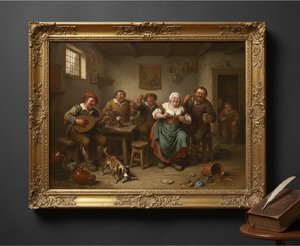
Adriaen van Ostade: A Master of Dutch Genre Painting & Social Commentary
Explore the life & work of Adriaen van Ostade, a leading Dutch Golden Age painter. Discover his realistic genre scenes, social commentary, and lasting influence on art history. Learn more at OriginalUniqueArt.

Illuminating Innovation: Exploring the Dutch Golden Age of Painting
Explore the Dutch Golden Age of painting with OriginalUniqueArt. Discover Rembrandt, Vermeer & other Masters. Learn about key characteristics, iconic artworks, and lasting influence. Expert insights for collectors & enthusiasts.

Golden Age Reflections: Dutch Baroque Painting & Cultural Innovation
Explore the Dutch Golden Age of painting! Discover key artists like Vermeer & ter Borch, their innovative techniques, and the rich cultural context behind these Baroque masterpieces. Learn about collecting & appreciating this iconic art period.

A Hollandi Aranykor 10 Mesterműve: Festmények, Amelyek Megváltoztatták a Világot | OriginalUniqueArt.com
Fedezze fel a Hollandi Aranykor 10 legikonikusabb műalkotását! Rembrandt, Vermeer és más mesterek festményeinek történeteit olvassa el. Barokk stílus, klasszikus művészet – inspirálódjon otthon dekorációjához a OriginalUniqueArt.com-on! Fedezze fel a teljes gyűjteményt online.

Rembrandt legikonikusabb művei: 25 mestermű a vászonon – OriginalUniqueArt
Fedezze fel Rembrandt van Rijn 25 legikonikusabb művét! Barokk portrék, bibliai jelenetek és önarcképek a Holland aranykorból. Művészeti reprodukciók prémium minőségben – OriginalUniqueArt. Explore the full collection online!
