
 Előnézet
 Megosztás
 Megosztás
 Részletek

 Letöltés
 Hasonló alkotások
 X-ray felvétel
 Diavetítés
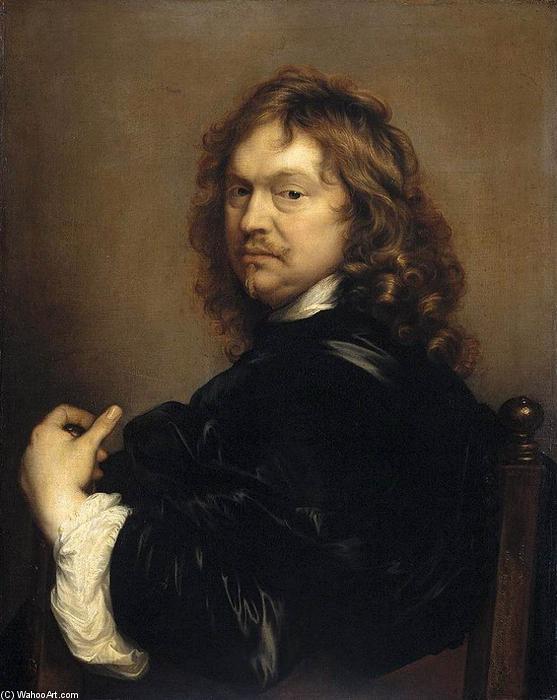
Self-Portrait


 Tovább olvasom
Giclée / Műnyomat
Múzeumi minőségű giclée vagy vászonnyomat, gyors gyártással és rugalmas finomítási lehetőségekkel. ( Áttérés a kézzel festett másolatra Képváltás)




P118B $10

P118H $10

P118W $10

P438Z $10

P508JH $12

P508YH $12

P805H $10

P805Z $10

P919BZ $10

P919G $10

P919XJ $10

P959ZH $10

P968JZ $12

W106C $8

W218G $10

W218JH $8

W218Y $10

W307PJ $10

W316G $10

W316PJ $8

W316Y $10

W398PJ $8

W4111J $10

W500HY $15

W500JH $15

W692G $12

W849H $8

W940BG $15

W953PJ $8




Válasszon előre meghatározott méreteink közül, amelyek megfelelnek a műalkotás eredeti arányainak.

Megadhat saját méreteket is egy konkrét kerethez vagy helyszínhez igazítva. Amennyiben a kiválasztott méret nem egyezik az eredeti kép arányokkal, a műalkotást le fogjuk vágni, vagy kiegészítjük a képet tükrözött vagy egyszínű szélekkel. A gyártás megkezdése előtt egy digitális tervezetet küldünk jóváhagyásra.
Kérjük, vegye figyelembe, hogy a képernyőn látható előnézet nem tükrözi a tényleges levágást vagy kiegészítést. Csak a tervezet mutatja pontosan a végső kompozíciót.
Bár az egyedi méretek is elérhetőek, az eredeti arányok megőrzése érdekében azt javasoljuk, hogy válasszon a előre meghatározott listából származó méretet.
Világszerte történő kiszállítás területére 2 hét alatt, a szokásos 4-5 hét helyett. 11 augusztus

Ingyenes globális expressz szállítás

Prémium minőségű len vászon

Teljes szállítási biztosítás

Vámvisszatérítési Garancia

Tökéletes színpontosság garancia

60 napos visszaküldési lehetőség (csak gyártási hibák esetén)

100%-os pénzvisszatérítési garancia

Kedvezmény több termény esetén
 Az üvegkeretes opció csak 110 cm alatti méretben érhető el

Self-Portrait
Giclée / Műnyomat
A reprodukció mérete
-


Összesített ár
$ 80
Termékinformációk
A Window into the Seventeenth Century: Adriaen Hanneman’s Self-Portrait
Adriaen Hanneman's 1656 self-portrait offers a remarkably intimate glimpse into the world of a Dutch Golden Age artist, revealing not just his likeness but also the social and intellectual currents of his time. This painting transcends a simple depiction of an individual; it’s a carefully constructed statement about identity, status, and the burgeoning artistic conventions of the era. The work immediately draws the eye with its restrained elegance – a deliberate choice that speaks volumes about Hanneman's considered approach to portraiture.
- The Figure: Seated in a comfortable chair, likely of considerable quality given the detail, the subject presents himself as a man of means and standing. His posture is upright, suggesting confidence and self-awareness. The dark coat, adorned with a crisp white collar – a hallmark of 17th-century Dutch attire – immediately establishes his social position.
- The Face: Hanneman’s face is the focal point, rendered with meticulous realism. The subtle lines etched around his eyes and mouth hint at experience and perhaps contemplation. His mustache and beard are carefully executed, adding to the authenticity of the portrait and reflecting prevailing male beauty standards. Crucially, his expression isn't overtly cheerful or dramatic; it’s a quiet seriousness, suggesting an intellectual bent – a man accustomed to thought and observation.
- Background & Composition: The stark simplicity of the background—a plain wall—is a masterstroke. It serves to isolate the subject entirely, amplifying his importance within the frame and directing all attention towards his personality and bearing. This technique was common in portraiture during this period, prioritizing the individual over elaborate settings.
A Masterclass in Dutch Portrait Technique
Hanneman’s skill lies not just in capturing likeness but also in employing a sophisticated understanding of light, shadow, and texture. The painting is executed with a realistic style, demonstrating a deep knowledge of anatomy and the effects of light on form. Notice how he uses subtle gradations of tone to create a sense of volume and depth – particularly evident in the rendering of the clothing and the folds of his hair. This masterful use of chiaroscuro (the contrast between light and dark) lends the portrait a three-dimensional quality, making it feel remarkably lifelike.
- Brushwork: The brushstrokes are generally smooth and controlled, reflecting Hanneman’s training under Jan Antonisz. van Ravesteyn the Younger. Van Ravesteyn instilled in him a precise, sculptural approach to rendering form – a legacy that is clearly visible in the carefully modeled features of the face and the detailed fabric of the coat.
- Color Palette: The muted tones—primarily blacks, whites, and browns—are typical of Dutch portraiture during this period. These restrained colors allowed Hanneman to focus on capturing subtle nuances of expression and texture rather than relying on vibrant hues.
Historical Context & Artistic Influences
Created in 1656, this self-portrait is firmly rooted within the Dutch Golden Age – a period of unprecedented artistic flourishing fueled by wealth, trade, and intellectual curiosity. Hanneman’s work reflects the influence of his contemporary, Anthony van Dyck, whose elegant and dynamic portraits were immensely popular throughout Europe. Hanneman's early years in England further shaped his style, exposing him to new trends and broadening his artistic horizons. His time with Constantijn Huygens, a prominent poet and composer, also suggests an engagement with the intellectual life of the court.
Interestingly, Hanneman’s background as a Catholic in a predominantly Protestant Netherlands subtly informed his career trajectory, potentially influencing his subject matter and patronage networks.Symbolism & Emotional Resonance
Beyond its technical brilliance, the self-portrait carries a subtle symbolic weight. The serious expression on Hanneman's face suggests an introspective nature – perhaps reflecting his role as an artist grappling with questions of identity and representation. The formality of his attire speaks to his social standing, while the quiet dignity of his pose conveys a sense of self-assuredness. Ultimately, this painting is not merely a likeness; it’s a carefully constructed portrait of a man, a time, and an artistic sensibility – inviting us to contemplate the complexities of human experience within the context of 17th-century Dutch society.
A művész életrajza
Early Life and Artistic Foundations
Adriaen Hanneman emerged onto the vibrant Dutch Golden Age art scene around 1603, born into a prosperous Catholic family in The Hague – a lineage that subtly shaped his artistic trajectory and provided access to influential networks. From a remarkably young age, he demonstrated an innate aptitude for artistry, a talent nurtured through formal training beginning in 1619 under the esteemed guidance of Jan Antonisz. van Ravesteyn the Younger—a highly respected portraitist based in The Hague. Van Ravesteyn instilled within Hanneman a meticulous approach to rendering form, emphasizing precision and sculptural qualities – a characteristic that would become a defining element of his early work and continue to inform his style throughout his career. This foundational period wasn’t merely about mastering technical skills; it was an immersive experience in the established conventions of Dutch portraiture, learning not just to capture likeness but also to convey social standing, character, and the subtle nuances of individual personality. The crispness and clarity evident in Van Ravesteyn's work provided Hanneman with a solid bedrock upon which he would later build his own distinctive artistic voice – a synthesis of Flemish elegance and Dutch realism.The English Interlude: Embracing the Van Dyck Influence
A pivotal moment in Hanneman’s artistic development arrived in 1626 when he embarked on a significant relocation to England, an experience that profoundly shaped his style and career trajectory. This move placed him squarely at the heart of a dynamic and evolving artistic landscape, coinciding with the arrival of Anthony van Dyck in London as court painter to Charles I – a transformative event for Hanneman. Van Dyck’s elegant compositions, characterized by their dynamic brushwork, rich color palettes, and an inherent sense of movement, captivated the young artist. It is believed that Hanneman may have even had the opportunity to work within Van Dyck's studio during this period—a formative experience that undoubtedly instilled in him a deep appreciation for the master’s techniques and aesthetic sensibilities. Beyond Van Dyck, Hanneman also encountered other prominent artists of the era, including Cornelis Janssens van Ceulen and Daniel Mytens, broadening his artistic horizons and exposing him to diverse approaches to portraiture and composition. Crucially, he secured patronage from Constantijn Huygens, a powerful figure at the English court who actively championed Hanneman’s career, facilitating introductions and commissions that propelled him into the circles of influential nobility – a key factor in establishing his reputation and securing lucrative opportunities. This period wasn't simply about imitation; it was an immersion in a sophisticated courtly culture, a vibrant artistic environment where he honed his skills and developed his own unique style.Return to The Hague and Artistic Maturity
Around 1638, Hanneman returned to his native The Hague, marking a significant turning point in both his personal life and his artistic career. This return was accompanied by a deliberate consolidation of his ties to the local art community – exemplified by his marriage to Maria van Ravesteyn, the daughter of his former teacher, Jan Antonisz. van Ravesteyn the Younger—a symbolic union that reinforced his lineage within the established artistic circles of The Hague. In 1645, he further solidified his position by becoming a deacon of the Guild of St. Luke – a prestigious recognition signifying his full integration into the formal structure and hierarchy of Dutch artists. Moreover, Hanneman actively participated in the Confrerie Pictura—an influential artists’ society that he helped lead, demonstrating his commitment to fostering collaboration, innovation, and the exchange of ideas within the broader artistic community of The Hague. Back on Dutch soil, Hanneman continued to specialize primarily in portraiture, skillfully blending the lessons learned from Van Dyck with a growing sense of distinctly Dutch artistic identity – creating works that resonated with both European sophistication and local sensibilities. He catered to the burgeoning demand for portraits among the wealthy Dutch nobility, as well as members of the exiled English court who sought refuge in The Hague following the tumultuous events of the English Civil War.Notable Works and Lasting Legacy
Hanneman’s later years were marked by a degree of financial hardship – a common experience for artists during the “Rampjaar” (Disaster Year) of 1672, a period of widespread war and economic instability that gripped the Dutch Republic. Despite these challenges, his artistic legacy endured, leaving behind a collection of remarkable portraits that continue to be admired today. Among his most celebrated works are striking depictions of John Evelyn – a Baroque masterpiece showcasing intricate detail and dramatic lighting; Charles II – an exquisite 17th-century portrait embodying royal authority and power; and William III as a young prince – a captivating work held at the Rijksmuseum in Amsterdam, revealing the future ruler’s early years. Furthermore, his posthumous portrait of Maria I Stuart, now residing in the Mauritshuis in The Hague, stands as a testament to his ability to create compelling portraits even from memory or description. Hanneman's influence extended beyond his own creations, impacting other painters such as Govert Flinck, demonstrating his significant contribution to Dutch portraiture during the Golden Age – a painter who not only documented his era but also helped define its aesthetic ideals through his masterful synthesis of Flemish elegance and Dutch realism. His work remains a powerful reflection of the social and cultural dynamics of 17th-century Europe.Key Characteristics & Artistic Style
Hanneman’s artistic style is characterized by several key elements: a meticulous attention to detail, particularly in rendering fabrics and textures; a refined sense of elegance and grace; an ability to capture subtle nuances of personality and social status; and a masterful use of light and shadow to create dramatic effects. His portraits often possess a dignified composure, reflecting the subjects’ positions within society. He skillfully employed techniques borrowed from Van Dyck – such as dynamic poses and loose brushwork – while simultaneously incorporating elements of Dutch realism and a preference for muted color palettes. His work is frequently described as embodying both European sophistication and a distinctly Dutch sensibility, making him a pivotal figure in bridging the gap between these two artistic traditions.
Adriaen Hanneman
1603 - 1671 , Holland
Rövid tények
- Artistic Movement Or Style: Barokk, Portréfestészet
- Artists Or Movements Influenced By This Artist: ['Flinck']
- Artists Who Influenced This Artist:
- Van Ravesteyn
- Van Dyck
- Date Of Birth: c. 1603
- Date Of Death: 1671
- Full Name: Adriaen Hanneman
- Nationality: Hollandi
- Notable Artworks:
- John Evelyn
- Charles II
- William III
- Place Of Birth: Amszterdam, Holland
Kapcsolódó cikkek

A Hollandi Aranykor 10 Mesterműve: Festmények, Amelyek Megváltoztatták a Világot | OriginalUniqueArt.com
Fedezze fel a Hollandi Aranykor 10 legikonikusabb műalkotását! Rembrandt, Vermeer és más mesterek festményeinek történeteit olvassa el. Barokk stílus, klasszikus művészet – inspirálódjon otthon dekorációjához a OriginalUniqueArt.com-on! Fedezze fel a teljes gyűjteményt online.

Golden Age Reflections: Dutch Baroque Painting & Cultural Innovation
Explore the Dutch Golden Age of painting! Discover key artists like Vermeer & ter Borch, their innovative techniques, and the rich cultural context behind these Baroque masterpieces. Learn about collecting & appreciating this iconic art period.

Ferdinand Bol (1616-1680): A Dutch Master of Portraiture & Dramatic Light
Explore the captivating world of Ferdinand Bol (1616-1680), a master Dutch portraitist deeply influenced by Rembrandt. Discover his life, style, and enduring legacy with OriginalUniqueArt.

Rembrandt van Rijn: A Life Illuminated – Innovation, Emotion, and the Dutch Golden Age
Explore the life & art of Rembrandt van Rijn, a Dutch Golden Age master. Discover his innovative techniques, iconic paintings like 'The Night Watch', and enduring legacy. Expert insights for collectors & enthusiasts.
Gerard van Honthorst: Illuminating the Dutch Golden Age with Caravaggism & Courtly Grace
Explore the captivating world of Gerard van Honthorst, a Dutch Golden Age master renowned for his dramatic chiaroscuro & courtly portraits. Discover his life, art, and lasting influence on Baroque painting.

