
 Megtekintés
 Küldés
 Megosztás
 Részletek
 Útmutató

 Letöltés
 Hasonló darabok
 X-ray felvétel
 Diavetítés
 Q&A
Q&A Statisztika
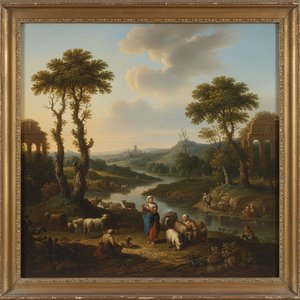
Dune Landscape by Moonlight

- 25.0 x 34.0 cm


 Összes részlet megjelenítése
Giclée / Műnyomat
Múzeumi minőségű giclée vagy vászonnyomat, gyors gyártással és rugalmas finomítási lehetőségekkel. ( Kézzel festett másolat rendelése Áttérés digitális képre)




P118B Ft10

P118H Ft10

P118W Ft10

P438Z Ft10

P508JH Ft12

P508YH Ft12

P805H Ft10

P805Z Ft10

P919BZ Ft10

P919G Ft10

P919XJ Ft10

P959ZH Ft10

P968JZ Ft12

W106C Ft8

W218G Ft10

W218JH Ft8

W218Y Ft10

W307PJ Ft10

W316G Ft10

W316PJ Ft8

W316Y Ft10

W398PJ Ft8

W4111J Ft10

W500HY Ft15

W500JH Ft15

W692G Ft12

W849H Ft8

W940BG Ft15

W953PJ Ft8




Válasszon előre meghatározott méreteink közül, amelyek megfelelnek a műalkotás eredeti arányainak.

Írja be a keretének vagy a falának megfelelő szélességet és magasságot. A nyomatot csak le lehet vágni, soha nem tehető nagyobbá, mint az eredeti kép, így egy eltérő alakú méretnél a kép egy része elveszik. Mielőtt bármit kinyatintanánk, küldünk egy digitális próbamodellt jóváhagyásra. Az oldalon látható kép nem tartalmazza a valós levágást — ezt csak a próbamodell mutatja meg.
Világszerte történő kiszállítás területére mindössze 2 hét alatt, a szokásos 4-5 hét helyett. (31 október)

Ingyenes globális expressz szállítás

Prémium minőségű len vászon

Teljes körű szállítási biztosítás

Vámvisszatérítési Garancia

Hiteles színarányosság garancia

100 napos visszaküldési lehetőség (csak hibás termékek esetén)

100% pénzvisszatérítési garancia

Több darab vásárlásakor kedvezmény
 Az üvegkeretes opció csak 110 cm alatti méretben érhető el

Dune Landscape by Moonlight
Giclée / Műnyomat
Reprodukció mérete
-


Összesített ár
Ft 26198
A Moonlit Dance in the Dunes: Adriaen Brouwer’s ‘Dune Landscape by Moonlight’
Adriaen Brouwer's “Dune Landscape by Moonlight,” painted circa 1635-1637, isn’t merely a depiction of a coastal scene; it’s a profound exploration of human existence bathed in the ethereal glow of the night. This remarkable work, now meticulously reproduced as a hand-painted artwork, transports us to a windswept expanse where the boundaries between reality and dream blur, inviting contemplation on themes of solitude, companionship, and the quiet drama of everyday life. Brouwer, a pivotal figure in 17th-century Flemish painting, masterfully captured the essence of his time – a period marked by both burgeoning prosperity and underlying social tensions – through his unflinching portrayal of peasant life, often imbued with a subtle yet potent commentary on human nature.
The scene unfolds within a vast, undulating dune landscape, dominated by a towering, ancient tree that serves as a silent sentinel. Two figures, rendered in a remarkably realistic style for the period, stand before it, their postures suggesting both intimacy and a shared awareness of the surrounding wilderness. Their presence isn’t overtly dramatic; instead, they embody a quiet dignity, a sense of belonging within this rugged environment. A third individual, positioned slightly further back on the right, adds another layer to the composition, hinting at an unseen narrative or perhaps simply the observation of this intimate tableau. The artist's use of light is particularly striking – a cool, silvery moonlight casts long shadows across the dunes, creating a sense of depth and mystery while simultaneously highlighting the textures of the sand and vegetation.
The Painter’s Palette: Technique and Style
Brouwer’s style defies easy categorization. He wasn't confined to the idealized beauty favored by many of his contemporaries; instead, he embraced a gritty realism that often depicted subjects in their most unvarnished state. “Dune Landscape by Moonlight” exemplifies this approach. The brushstrokes are loose and expressive, conveying movement and atmosphere with remarkable immediacy. Brouwer’s masterful use of chiaroscuro – the dramatic contrast between light and shadow – adds to the painting's emotional impact, drawing our attention to key details while simultaneously enveloping the scene in a sense of nocturnal mystery. The palette is restrained, dominated by earthy tones—ochres, browns, and grays—that perfectly complement the muted moonlight. The artist’s skill lies not just in his technical proficiency but also in his ability to imbue his subjects with a palpable sense of life.
A Window into 17th-Century Life
To understand “Dune Landscape by Moonlight,” it's crucial to consider the historical context in which it was created. The Netherlands, and Flanders specifically, were undergoing significant social and economic changes during the 17th century – a period of unprecedented wealth accumulation alongside persistent poverty and social inequality. Brouwer’s paintings often served as a mirror reflecting this duality. The figures in his works are typically peasants, fishermen, or laborers—members of the lower classes whose lives were shaped by hardship and uncertainty. Yet, within their struggles, Brouwer reveals a remarkable resilience and an enduring capacity for connection. The scene evokes the spirit of the Dutch Golden Age, but with a darker, more introspective edge.
Symbolism and Emotional Resonance
Beyond its realistic depiction of a coastal landscape, “Dune Landscape by Moonlight” is rich in symbolic meaning. The ancient tree, a recurring motif in Brouwer’s work, can be interpreted as a symbol of longevity, wisdom, or perhaps even the enduring power of nature. The two figures standing before it represent companionship and shared experience—a quiet affirmation of human connection amidst the vastness of the world. The painting's overall mood is one of melancholy and contemplation, inviting viewers to reflect on their own place within the larger scheme of things. It’s a scene that speaks to the universal themes of solitude, belonging, and the beauty found in the simplest moments of life. The reproduction captures this essence perfectly, allowing you to experience the painting's profound emotional impact firsthand.
Kérdések és válaszok
Mely művészeti irányba és mely korszakba sorolható a „Dune Landscape by Moonlight”, Adriaen Brouwer alkotása?
A „Dune Landscape by Moonlight” a Baroque irányzat alkotása, készítője pedig a Korai modern kor korszakban tevékenykedett.
Milyen hangulatot kölcsönözne a "Dune Landscape by Moonlight" egy térnek?
A Calm hangulatával a "Dune Landscape by Moonlight" című alkotás egy Living Room helyiségbe is javasolt.
Hányan tekintik meg a(t): "Dune Landscape by Moonlight"?
A "Dune Landscape by Moonlight" számára létre van hozva egy Statisztikák oldal. Ez az oldal ábrázolja a mű és a művész többi alkotásának havi látogatottságát, országon és nyelvenként bontva.
A művész életrajza
Adriaen Brouwer: A Rövid Életű Mester a Mindennapi Világából
Adriaen Brouwer, egy név, amely a 17. századi flamand és holland festészet vibráló energiájával rezonál, mindmáig rejtélyes alak maradt, annak ellenére, hogy művészete jelentős hatást gyakorolt a zsánerfestészetre. Oudenaarde belga városában született, körülbelül 1605 vagy 1606-ban – a pontos év vitatott –, Brouwer élete tragikusan rövid volt, hiszen negyvenet sem érve fejezte be januárban 1638-ban. Apja, szintén Adriaen nevű férfi, szövőtervezőként dolgozott, aki korán megismertette a fiait a vizuális kompozíciókkal és tervezési elvekkel. A szerencsétlenség azonban hamarosan beköszöntött: Brouwer mindössze tizenöt éves volt, amikor apja meghalt, ami kényszerűségből otthagyta az otthonát, egy olyan útra indulva, amelyet művészi kiválóság és személyes turbulencia tarkított. Ez a korai önállóság kétségtelenül formálta lázadó szellemét, és táplálta az élet mélyebb áramlataira vonatkozó éles megfigyelését – olyan témákat, amelyek központi szerepet kaptak a művészetében.A Zsánerfestészet Újítója: A Mindennapi Élet Megragadása
Brouwer gyorsan kiemelkedett zsánerfestőként – egy olyan művészeti irányzatként, amely a hétköznapi élet jeleneteit ábrázolta. Nem idealizált vagy romantizált; ehelyett nyers, érintetlen pillantásokat mutatott be parasztok, katonák és egyszerű emberek világába. A kocsmák kedvelt színhelyévé váltak, tele olyan alakokkal, akik kortyolnak, dohányoznak, kártyáznak, veszekednek, vagy éppen csak léteznek a mindennapi rutinjuk határain belül. Ilyen művek, mint az Szegények egy kocsmában, a Kártyázó parasztok és a Verekedés nem csupán tevékenységek ábrázolása; ezek pszichológiai tanulmányok, amelyek gesztusokon, kifejezéseken és a fény árnyékának finom összjátékon keresztül mutatják be a karaktereket. Kiemelkedő képessége volt az elszabaduló emberi interakciók pillanatait megörökíteni, olyan érzetet keltve, mintha a jelenetek közvetlenek és hitelesek lennének, ami mélyen rezonált a kortárs közönséggel. A Dohányozók például feltételezhetően tartalmaz egy önarcképet a pezsgő csoporton belül, amely Brouwer saját részvételét is bemutatja a bohém társadalmi életben, amelyet annyira gyakran ábrázolt.Művészeti Hatások és Stílus: A Tradíció és Az Innováció Összeolvadása
Brouwer művészi fejlődésének alakulását számos befolyás érdekes keveréke formálta. Mélyen csodálta a flamand primitívek – mint Jan van Eyck és Robert Campin – aprólékos realizmusát, ami a részletek iránti figyelmében és a textúrák pontos ábrázolásában mutatkozik meg. Azonban nem volt elégedett pusztán az utánzással. Brouwer átvette a barokk művészet drámai világítását és érzelmi intenzitását, dinamikus energiát sugározva kompozícióiban. Stílusa a realizmus és a humor mesteri keverékére jellemző, párosítva egy rendkívül élénk emberi viselkedés megfigyelésével. Nem riadt vissza attól, hogy az élet kevésbé szép oldalait is bemutassa, de ezt empátiával és megértéssel tette, elkerülve a moralizálást. Ez a különleges megközelítés különböztette meg kortársai közül, és utat nyitott a zsánerfestészet későbbi generációi számára.Örökség és Történelmi Jelentőség: Tartós Hatás
Rövid karrierje ellenére Adriaen Brouwer hatása a későbbi művészekre jelentős volt. Segített előléptetni a zsánerfestészetet a művészeti világban, bebizonyítva annak kifejezési és társadalmi kommentár lehetőségeit. David Teniers the Younger, valamint más flamand és holland festők is jelentős inspirációt merítettek Brouwer innovatív megközelítéséből a hétköznapi élet ábrázolásához. A középpontban álló egyszerű emberek bemutatásával értékes betekintést nyújtott a 17. századi Flandria és a Holland Köztársaság társadalmi szokásaiba és mindennapi rutinjaiba, betekintést engedve egy olyan világba, amelyet a hagyományosabb művészeti formák gyakran figyelmen kívül hagytak. Ma is munkái megtalálhatók a leghíresebb múzeumokban, mint például az Antwerpeni Szépművészeti Múzeum, ami biztosítja, hogy öröksége generációról generációra továbbra is inspirálja és lenyűgözi a közönséget. Brouwer maradandó bizonyítéka annak, milyen hatalmas lehet a megfigyelés, a tökéletlenség szépsége, és az időtálló vonzereje annak, hogy az élet nyers, szűrőmentes pillanatait örökítsük le vászonra.
Adriaen Brouwer
1635 - 1638 , Belgium
Rövid információk
- Halálozási Dátum: 1638
- Hangsúlyos Befolyásolt Művészek: ['David Teniers ifjabbik']
- Jelentős Művek:
- Szegények a fogadóból
- Kártyázó parasztok
- A Dohányzó
- A Verekedés
- Holdfényes táj
- Művészeti Irányzat: Barokk, Témaképfestészet
- Művészi Hatások: ['Flandriai Primitívek']
- Nemzetiség: Flandriai
- Születési Dátum: 1605/1606
- Születési Hely: Oudenaarde, Belgium
- Teljes Név: Adriaen Brouwer
Kapcsolódó cikkek

Golden Age Reflections: Dutch Baroque Painting & Cultural Innovation
Explore the Dutch Golden Age of painting! Discover key artists like Vermeer & ter Borch, their innovative techniques, and the rich cultural context behind these Baroque masterpieces. Learn about collecting & appreciating this iconic art period.

A Hollandi Barokk 10 Mesterműve: Festmények, Amelyek Megváltoztatták a Világot | OriginalUniqueArt
Fedezze fel a holland barokk 10 legikonikusabb műalkotását! Rembrandt, Vermeer és más mesterek festményeinek története, technikája és időtálló szépsége. Művészeti reprodukciók prémium minőségben – OriginalUniqueArt.com.

Adriaen Brouwer: Capturing Dutch Life & Social Commentary Through Genre Painting
Explore the captivating world of Adriaen Brouwer, a master of Dutch Golden Age genre painting. Discover his vivid depictions of peasant life, social commentary, and lasting influence on art history. Learn more at OriginalUniqueArt.

Golden Light & Dutch Skies: The Timeless Magic of Dutch Golden Age Landscapes
Discover the breathtaking beauty of Dutch Golden Age landscapes. Explore the mastery of light, chiaroscuro, and 17th-century realism through an expert art history lens, celebrating the enduring legacy of the Dutch Masters for discerning collectors and art lovers.
Nicolaes Berchem: Dutch Golden Age Pastoralism & the Evolution of Landscape Painting
Explore the captivating world of Nicolaes Berchem, a leading Dutch Golden Age painter. Discover his idyllic landscapes, masterful technique & lasting influence on art history. Learn more at OriginalUniqueArt.