

 Előnézet
 Megosztás
 Megosztás
 Részletek
 Útmutató

 Letöltés
 Hasonló darabok
 X-ray felvétel
 Diavetítés
 Statisztika
Signs


 Tovább olvasom
Az ezen az oldalon megjelenített műalkotások szerzői jogi védelem alatt állnak, ami azt jelenti, hogy törvényileg nem készíthetünk és nem adhatunk el belőlük pontos másolatokat. Ez a védelem olyan nemzetközi megállapodások alapján érvényesül, mint például a Berni Egyezmény és a nemzeti törvények által, beleértve azokat is, amelyeket meghatározott Az USA szerzői jogi törvénye – 17. cím.
Mint tiszteletes és törvényes alternatívát, olyan egyedi, kézzel festett alkotásokat kínálunk, amelyek az eredetiből merítnek inspirációt. Tapasztalt és professzionális művészeink alaposan tanulmányozzák az eredeti stílusát, hangulatát és művészeti esszenciáját, hogy egy olyan új, egyedi alkotást hozzunk létre, amely ugyanazt az érzést kelti – miközben önálló, eredeti alkotásként létezik.
Ez a módszer teljes mértékben megfelel a szerzői jogi szabályozásnak, mivel nem tartalmazza a védett műalkotás másolását vagy duplikálását. Ehelyett ez egy kreatív újinterpretáció – egy új festmény, amely az eredetivel való összefüggései miatt hatással van rá, de nem az az.
Kézzel készített olajfestmény reprodukció
Kézzel festett olajvastú vászon, az Ön által választott méretben és keretben, művészeink készítik meglévőre. ( Váltás nyomtatványra Áttérés digitális képre)




P118B Ft10

P118H Ft10

P118W Ft10

P438Z Ft10

P508JH Ft12

P508YH Ft12

P805H Ft10

P805Z Ft10

P919BZ Ft10

P919G Ft10

P919XJ Ft10

P959ZH Ft10

P968JZ Ft12

W106C Ft8

W218G Ft10

W218JH Ft8

W218Y Ft10

W307PJ Ft10

W316G Ft10

W316PJ Ft8

W316Y Ft10

W398PJ Ft8

W4111J Ft10

W500HY Ft15

W500JH Ft15

W692G Ft12

W849H Ft8

W940BG Ft15

W953PJ Ft8




Válasszon előre meghatározott méreteink közül, amelyek megfelelnek a műalkotás eredeti arányainak.

Ön megadhat saját méreteket egy adott kerethez vagy térhez igazításhoz. Ha a kiválasztott méret nem egyezik az eredeti kép arányával, akkor a műalkotást levágjuk, vagy további kézzel festett elemekkel meghosszabbítjuk a festményt. A gyártás megkezdése előtt küldünk Önnek egy digitális előnézetet jóváhagyásra.
Kérjük, vegye figyelembe, hogy a képernyőn megjelenő előnézet nem tükrözi a tényleges vágást vagy kiterjesztést. Csak az előnézet fog pontosan mutatni a végső kompozíciót.
Bár egyedi méretek állnak rendelkezésre, javasoljuk, hogy válasszon egy méretet az előre meghatározott listából az eredeti arányok megőrzése érdekében.
A rendelést követően a OriginalUniqueArt.com csapata e-mailt küld az ügyfélnek az instrukciókért, és biztosít egy előnézeti képet (mockup).
Világszerte elérhető szállítás () 3-4 hét alatt a szokásos 5 hét helyett. (13 október). A minőség nem kérdőjelezhető.

Ingyenes globális expressz szállítás

Prémium minőségű len vászon

Teljes körű szállítási biztosítás

Vámvisszatérítési Garancia

Tökéletes színarányosság garancia

100 napos visszaküldési garancia (csak gyártási hibás termékek esetén)

100% pénzvisszatérítési garancia

Több darab vásárlásakor kedvezmény
 Az üvegkeretes opció csak 110 cm alatti méretben érhető el

Signs
Reprodukciós technika
Reprodukció méretei
-


Összesített ár
Ft 94879
A művész életrajza
A Pioneer of Abstract Expressionism: The Life and Art of Adolph Gottlieb
Adolph Gottlieb, born in New York City in 1903, emerged as a pivotal figure in the burgeoning landscape of American Abstract Expressionism. His journey was one of constant exploration—a relentless pursuit to distill universal human experiences into a visual language that resonated with both ancient symbolism and modern anxieties. Growing up as the son of Jewish immigrants, Gottlieb’s early life instilled within him a sensitivity to cultural displacement and the search for meaning in a rapidly changing world, themes that would profoundly shape his artistic vision. He received foundational training at the Art Students League and Parsons The New School for Design, but it was his subsequent travels through Europe during the 1920s that truly ignited his aesthetic sensibilities. Immersing himself in the art and philosophies of Germany and France, he absorbed influences from Constructivism and Surrealism, laying the groundwork for his future innovations.Early Influences and Artistic Formation
Gottlieb’s formative years were marked by exposure to European avant-garde movements—particularly Surrealism—which challenged traditional artistic conventions and championed dreamlike imagery and psychological exploration. He was captivated by artists like Giorgio Morandi and Ernst Ludwig Kirchner, whose works conveyed a profound sense of melancholy and alienation—feelings that would become recurring motifs in Gottlieb’s own oeuvre. His initial experiments with representational painting yielded to an increasing fascination with abstraction, driven by a desire to bypass the limitations of visual perception and access deeper levels of consciousness. He honed his skills through meticulous observation of nature and meticulously crafted landscapes, demonstrating a dedication to capturing subtle nuances of light and color.The Founding of “The Ten” and Collaborative Exploration
A crucial turning point in Gottlieb’s artistic trajectory arrived in 1935 when he joined forces with fellow artists Mark Rothko, John D. Graham, Franz Kline, Barnett Newman, Philip Guston, Lester Wertheimer, William Lehrer, Ivan Zakish, Robert Delaunay, and George Bacon to establish “The Ten,” later known as the New York Artists Painters group. This collective was instrumental in fostering a distinctly American voice within the international art scene—a defiant rejection of European artistic dominance and an embrace of experimental techniques. Recognizing the importance of dialogue and shared vision, Gottlieb actively engaged with his peers, pushing boundaries and challenging established norms. The group’s collaborative endeavors spurred innovation and broadened artistic horizons, cementing their legacy as pioneers of postwar American abstraction.The Impact of Economic Hardship and Arizona
The Great Depression profoundly impacted Gottlieb's life and work—creating conditions of economic hardship that nonetheless fueled his creative energy. He sought solace in the stark beauty of the American Southwest during 1937-1938, embarking on a transformative journey to Arizona. The arid landscapes and ancient Native American cultures captivated him, sparking an interest in primal symbolism and ritualistic imagery—influences that would become central to his artistic style. Gottlieb meticulously documented his observations through sketches and watercolors, capturing the grandeur of canyons and mesas with remarkable precision. This experience instilled within him a deep appreciation for the power of place and its ability to inspire profound emotional responses.Pictographs, Burst Paintings, and Beyond: Exploring Universal Themes
Gottlieb’s most iconic series—the *Pictographs* (1940s)—represents his unwavering commitment to exploring universal themes through abstraction. These paintings feature biomorphic shapes arranged within rectangular fields, resembling ancient hieroglyphs or tribal markings—a deliberate homage to primordial symbols and cultural traditions. He drew inspiration from diverse sources—classical mythology, Amerindian art, African motifs—creating a compelling dialogue between modernity and antiquity. The *Pictographs* weren’t merely aesthetically pleasing compositions; they were attempts to tap into archetypal imagery—to convey profound ideas about human existence without resorting to representational depiction. Following the *Pictographs*, Gottlieb experimented with *Burst Paintings* in the 1950s—dynamic canvases characterized by explosive bursts of color and energy—reflecting a more emotionally charged approach to abstraction. These works captured the dynamism of nature and conveyed a sense of urgency and immediacy—a testament to Gottlieb’s artistic versatility. He continued to refine his technique, mastering various mediums and exploring new visual languages throughout his prolific career.Legacy and Recognition
Throughout his life, Adolph Gottlieb exhibited extensively in both the United States and Europe—receiving critical acclaim for his distinctive style and unwavering dedication to artistic innovation. His work is now housed in major museum collections worldwide—including the Museum of Modern Art (MoMA) in New York City and the Tate Modern in London—a lasting testament to its enduring influence on American art history. Gottlieb was awarded numerous honors and accolades—solidifying his position as one of the most significant abstract painters of the 20th century. His legacy extends beyond his individual paintings; he played a pivotal role in shaping the trajectory of Abstract Expressionism—inspiring generations of artists to embrace experimentation, symbolism, and cultural exploration. Gottlieb’s unwavering belief in art's capacity to communicate profound truths about human experience continues to resonate with audiences today—a reminder of his enduring contribution to the artistic canon.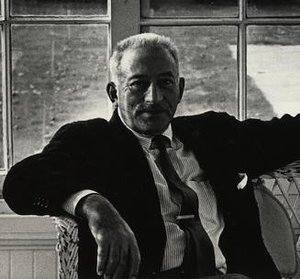
Adolph Gottlieb
1903 - 1974 , Egyesült Államok
Gyors információk
- Artistic Movement Or Style: Ábrázoló kifejezettség
- Artists Or Movements Influenced By This Artist: ['Ábrázoló kifejezettség']
- Artists Who Influenced This Artist:
- Konstruktivizmus
- Szürrealizmus
- Date Of Birth: March 14, 1903
- Full Name: Adolph Gottlieb
- Nationality: Amerikai
- Notable Artworks:
- Pictográfák
- Szétmetsző festmények
- Jelzetek
- (Ünnepélyes)
- Place Of Birth: New York City, USA
Kapcsolódó cikkek
Lyrical Abstraction: The Emotional Power of Color and Form in Modern Art History
Explore the profound emotional depth of Lyrical Abstraction. Discover how masters like Raymond Parker used color and form to bridge Impressionism and Abstract Expressionism. Learn about this pivotal movement through our expert-led art history guide.

Kandinsky Mesterművei: 25 Lenyűgöző Festmény a Modern Művészet Gyöngyszemeiből | OriginalUniqueArt
Fedezze fel Wassily Kandinsky 25 legikonikusabb művét! Merüljön el az absztrakt művészet világában, ismerje meg a színek és formák lenyűgöző történetét. Prémium minőségű reprodukciók és inspiráló dekorötletek a OriginalUniqueArt.com-on.
The Soul of Color: A Journey into the Emotional Resonance of Lyrical Abstraction
Embark on a cultural journey through Lyrical Abstraction. Explore how masters like Kandinsky used color and motion to translate emotion into visual poetry. Discover the profound beauty of abstract expressionism and learn to curate emotional resonance in your own art collection.

Absztrakt Expresszionizmus Mesterei: 10 alkotás, ami meghatározta a művészetet | OriginalUniqueArt.com
Fedezze fel a 10 legikonikusabb absztrakt expresszionista alkotást! Ismerje meg Jackson Pollock, Mark Rothko és más mesterek történetét. Művészeti reprodukciók prémium minőségben – OriginalUniqueArt.com.

Geometrikus Absztrakció Mesterei: 10 Alapvető Műalkotás a Lakberendezéshez
Fedezze fel a geometrikus absztrakció 10 legikonikusabb műalkotását! Kandinsky, Mondrian és más mesterek festményeinek története inspirálja otthona dekorációját. Múzeumi minőségű reprodukciók a OriginalUniqueArt.com-on – fedezze fel online!