

 Előnézet
 Megosztás
 Megosztás
 Részletek
 Útmutató

 Letöltés
 Hasonló darabok
 X-ray felvétel
 Diavetítés
 Statisztika
W. E. B. Du Bois
 Acrylic On Canvas
- WallArt
- Black Washington Photography
 1911
1911 34.0 x 41.0 cm
 Nemzeti Arcképtár
 Tovább olvasom
Az ezen az oldalon megjelenített műalkotások szerzői jogi védelem alatt állnak, ami azt jelenti, hogy törvényileg nem készíthetünk és nem adhatunk el belőlük pontos másolatokat. Ez a védelem olyan nemzetközi megállapodások alapján érvényesül, mint például a Berni Egyezmény és a nemzeti törvények által, beleértve azokat is, amelyeket meghatározott Az USA szerzői jogi törvénye – 17. cím.
Mint tiszteletes és törvényes alternatívát, olyan egyedi, kézzel festett alkotásokat kínálunk, amelyek az eredetiből merítnek inspirációt. Tapasztalt és professzionális művészeink alaposan tanulmányozzák az eredeti stílusát, hangulatát és művészeti esszenciáját, hogy egy olyan új, egyedi alkotást hozzunk létre, amely ugyanazt az érzést kelti – miközben önálló, eredeti alkotásként létezik.
Ez a módszer teljes mértékben megfelel a szerzői jogi szabályozásnak, mivel nem tartalmazza a védett műalkotás másolását vagy duplikálását. Ehelyett ez egy kreatív újinterpretáció – egy új festmény, amely az eredetivel való összefüggései miatt hatással van rá, de nem az az.
Kézzel készített olajfestmény reprodukció
Kézzel festett olajvastú vászon, az Ön által választott méretben és keretben, művészeink készítik meglévőre. ( Váltás nyomtatványra Áttérés digitális képre)




P118B Ft10

P118H Ft10

P118W Ft10

P438Z Ft10

P508JH Ft12

P508YH Ft12

P805H Ft10

P805Z Ft10

P919BZ Ft10

P919G Ft10

P919XJ Ft10

P959ZH Ft10

P968JZ Ft12

W106C Ft8

W218G Ft10

W218JH Ft8

W218Y Ft10

W307PJ Ft10

W316G Ft10

W316PJ Ft8

W316Y Ft10

W398PJ Ft8

W4111J Ft10

W500HY Ft15

W500JH Ft15

W692G Ft12

W849H Ft8

W940BG Ft15

W953PJ Ft8




Válasszon előre meghatározott méreteink közül, amelyek megfelelnek a műalkotás eredeti arányainak.

Írja be a kívánt szélességet és magasságot, hogy illeszkedjen a keretéhez vagy a falához. Mivel ez kézzel festett alkotás, egy eltérő formájú méret esetén a művész akár festhet is valamivel többet a kép körül, vagy korolathat is belőle — az Ön döntésének megfelelően. A festés megkezdése előtt küldünk egy digitális tervezetet jóváhagyásra. Az oldalon látható kép nem tartalmazza a végeredményt — csak a tervezet mutatja meg a valódi eredményt.
A rendelést követően a OriginalUniqueArt.com csapata e-mailt küld az ügyfélnek az instrukciókért, és biztosít egy előnézeti képet (mockup).
Világszerte elérhető szállítás () 3-4 hét alatt a szokásos 5 hét helyett. (23 október). A minőség nem kérdőjelezhető.

Ingyenes globális expressz szállítás

Prémium minőségű len vászon

Teljes körű szállítási biztosítás

Vámvisszatérítési Garancia

Tökéletes színarányosság garancia

100 napos visszaküldési garancia (csak gyártási hibás termékek esetén)

100% pénzvisszatérítési garancia

Több darab vásárlásakor kedvezmény
 Az üvegkeretes opció csak 110 cm alatti méretben érhető el

W. E. B. Du Bois
Reprodukciós technika
Reprodukció méretei
-


Összesített ár
Ft 95869
The Weight of the Color Line: Addison N. Scurlock’s Masterpiece
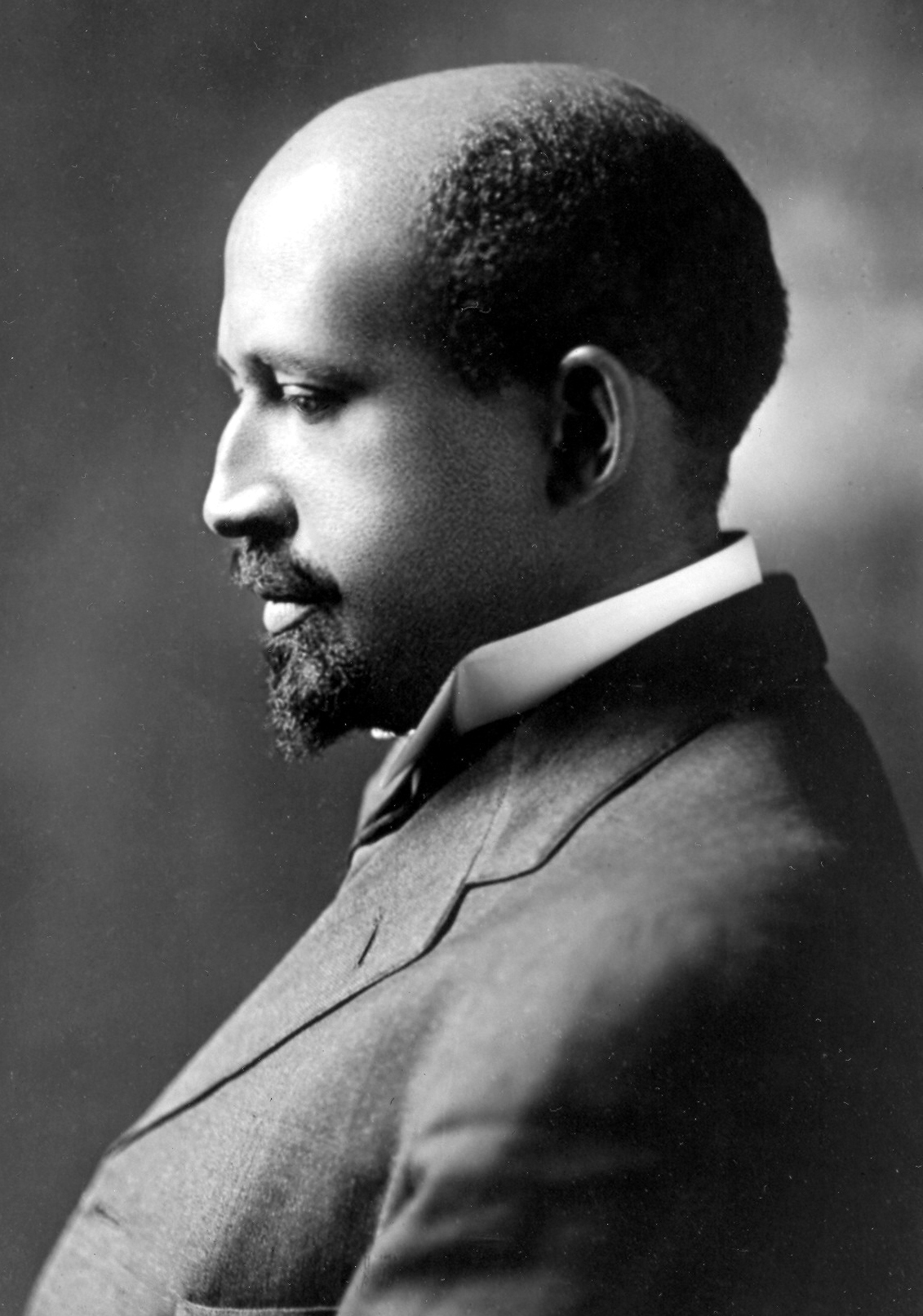
Addison Norton Scurlock's 1911 photograph of W. E. B. Du Bois stands as more than just a portrait; it is a meticulously crafted document of an era, a visual embodiment of the complex social and intellectual currents shaping early 20th-century America. The image captures Du Bois not merely as a prominent scholar and activist, but as a man wrestling with the profound “double consciousness” – a term he himself coined – that defined the Black experience in a nation grappling with its own identity. Scurlock’s skill lies not just in his technical proficiency, but in his ability to subtly convey the weight of this historical burden through composition, light, and the very gaze of the subject.
(Image courtesy of Smithsonian Archives)
A Window into Washington’s Black Community
Scurlock's work was deeply rooted in the vibrant, yet often overlooked, community of African Americans in Washington D.C. during this period. He wasn’t simply a portraitist; he was an active participant in documenting the daily lives, cultural expressions, and political aspirations of Black Washingtonians. His studio became a central hub, a place where families sought dignified portraits – a tangible assertion of their presence and identity within a society that frequently denied them recognition. The photograph itself reflects this community engagement, hinting at a setting beyond the formal studio, suggesting a moment captured in a more relaxed, intimate environment.
The backdrop, though subtly rendered, speaks volumes about the era. It’s not a grand cityscape or an opulent interior; instead, it suggests a quiet street scene – a deliberate choice that anchors Du Bois within his immediate context and highlights his connection to the everyday realities of Black life in Washington.
Technical Mastery and Photographic Language
Scurlock's mastery is evident in the photograph’s nuanced details. The use of black and white gelatin silver print lends a timeless quality, with subtle tonal variations creating depth and texture. Note the careful control of light – it illuminates Du Bois’s face, drawing attention to his thoughtful expression while leaving the background softly shadowed. This technique emphasizes the subject's presence without overwhelming him. The composition is carefully balanced; Du Bois’s posture conveys a sense of quiet contemplation, while his slightly turned head invites the viewer into his thoughts.
Furthermore, Scurlock’s use of photographic techniques—particularly in capturing the subtle nuances of expression—demonstrates an understanding that went beyond mere documentation. He was striving to create a portrait that resonated with both intellectual and emotional depth.
Symbolism and the “Double Consciousness”
Du Bois's gaze, directed slightly off-camera, is particularly significant. It’s not a direct, confrontational stare; rather, it suggests introspection and a considered awareness of his position within American society. This subtle shift in focus powerfully embodies the concept of "double consciousness" – the feeling of always looking at oneself through the eyes of others, as articulated by Du Bois himself. The photograph becomes a visual representation of this internal struggle: the simultaneous experience of being both an African American and an American citizen.
The image serves as a poignant reminder of the challenges faced by Black intellectuals during this period – the constant need to navigate racial prejudice while striving for social justice and intellectual advancement. Scurlock’s photograph is not simply a portrait; it's a powerful testament to Du Bois’s legacy and the enduring significance of his ideas.
Gyakran Ismételt Kérdések
Melyik helyiségbe illik jól a "W. E. B. Du Bois" reprodukciója az otthonunkban?
A „W. E. B. Du Bois”, Addison N. Scurlock alkotása számára a javasolt helyszín egy Living Room. Természetesen ez az ajánlás az Ön belső terehez is igazítható.
Szabadon reprodukálható-e a/az „W. E. B. Du Bois”, Addison N. Scurlock alkotása képe?
A szerzői jogokkal kapcsolatban a "W. E. B. Du Bois" mű még szerzői jogにより védi.
Milyen méretet és vízszintes/függőleges elrendezést javasolnak a „W. E. B. Du Bois”, Addison N. Scurlock alkotása nyomtatványához?
A „W. E. B. Du Bois”, Addison N. Scurlock alkotása egyik nyomatásához a Medium méretű, Portrait elrendezésű nyomtatást javasoljuk.
A művész életrajza
**a pioneer in documenting black washington**
addison n. scurlock, an american photographer, founder of the scurlock studio, and astute businessman, left an indelible mark on the early and mid-20th century with his photographs of black washington. born in fayetteville, north carolina in 1883, scurlock's life trajectory is a testament to his dedication to capturing the essence of african american life during a pivotal era.**early life and career**
scurlock's photographic journey began in the early 20th century, with a focus on documenting the lives of african americans in washington, d.c. this pioneering work not only showcased his technical skill but also highlighted the social and cultural landscape of the time.- key achievements:
- founding the scurlock studio, a hub for photographic excellence.
- capturing the essence of black washington, providing a visual archive of its history.
- mentoring his sons, robert and george scurlock, who followed in his footsteps as photographers.
- notable works:*
- w. e. b. du bois (gelatin silver print, national portrait gallery, washington, united states) - a testament to scurlock's ability to capture the essence of influential figures.
- other works, though not as widely recognized, continue to serve as a window into the lives of african americans during the early 20th century.
**legacy and impact**
scurlock's legacy extends beyond his photographic contributions. he paved the way for future generations of photographers, particularly those from underrepresented communities. his work serves as a reminder of the importance of documenting diverse experiences.- influence on future generations: scurlock's sons and other photographers have continued to build upon his legacy.
- cultural significance: his photographs offer a unique perspective on african american life during a transformative period in u.s. history.
**conclusion**
addison n. scurlock's photographic legacy is a powerful reminder of the importance of documenting diverse experiences. through his work, we gain a deeper understanding of the social and cultural dynamics at play during the early 20th century.- explore more:*
- visit the scurlock studio's page on OriginalUniqueArt.com for more information on his life and works.
- discover other photographers who have made significant contributions to the world of photography on OriginalUniqueArt.com.
- references:

Addison N. Scurlock
1883 - 1964 , United States of America
Gyors információk
- Full Name: Addison N. Scurlock
- Nationality: American
- Date Of Birth: 1883
- Date Of Death: 1964
- Place Of Birth: Fayetteville, United States of America
- Notable Artworks:
- W. E. B. Du Bois
- Madam C. J. Walker
- Artistic Movement Or Style: Documentary photography
Kapcsolódó cikkek
Ferdinand du Puigaudeau: Bridging Impressionism & Symbolism in Breton Landscapes
Discover Ferdinand du Puigaudeau's captivating Breton landscapes – a bridge between Impressionism & Symbolism. Explore his life, unique style, and enduring legacy with OriginalUniqueArt.
Floating World: The Captivating Art and Legacy of Japanese Ukiyo-e
Explore the profound beauty of Japanese Ukiyo-e. Discover the history, masters like Hokusai, and the enduring legacy of the 'Floating World' through an expert art-historical lens.
Ukiyo-e: Exploring Japan's Floating World & Enduring Artistic Legacy
Explore the captivating world of Ukiyo-e – Japan's iconic woodblock prints! Discover masters like Hokusai & Hiroshige, learn about Edo period culture, and find expert art collecting guidance at OriginalUniqueArt.
Suzuki Harunobu: Pioneering Ukiyo-e & the Refinement of Edo Period Printmaking
Discover the revolutionary world of Suzuki Harunobu, a pioneer of ukiyo-e printmaking. Explore his exquisite nishiki-e techniques, diverse subjects & lasting impact on Japanese art history. Learn more at OriginalUniqueArt.

Katsushika Hokusai 25 Mesterműve: A Japán Art Élmény, Otthonodban – OriginalUniqueArt
Fedezze fel Katsushika Hokusai 25 legikonikusabb műalkotását! Merüljön el a japán ukiyo-e világában, ismerje meg a 'Nagy Hullám' történetét és más remekműveket. Museum minőségű reprodukciók otthonába – OriginalUniqueArt.com.