
 Megtekintés
 Küldés
 Megosztás
 Részletek

 Letöltés
 Hasonló darabok
 X-ray felvétel
 Diavetítés
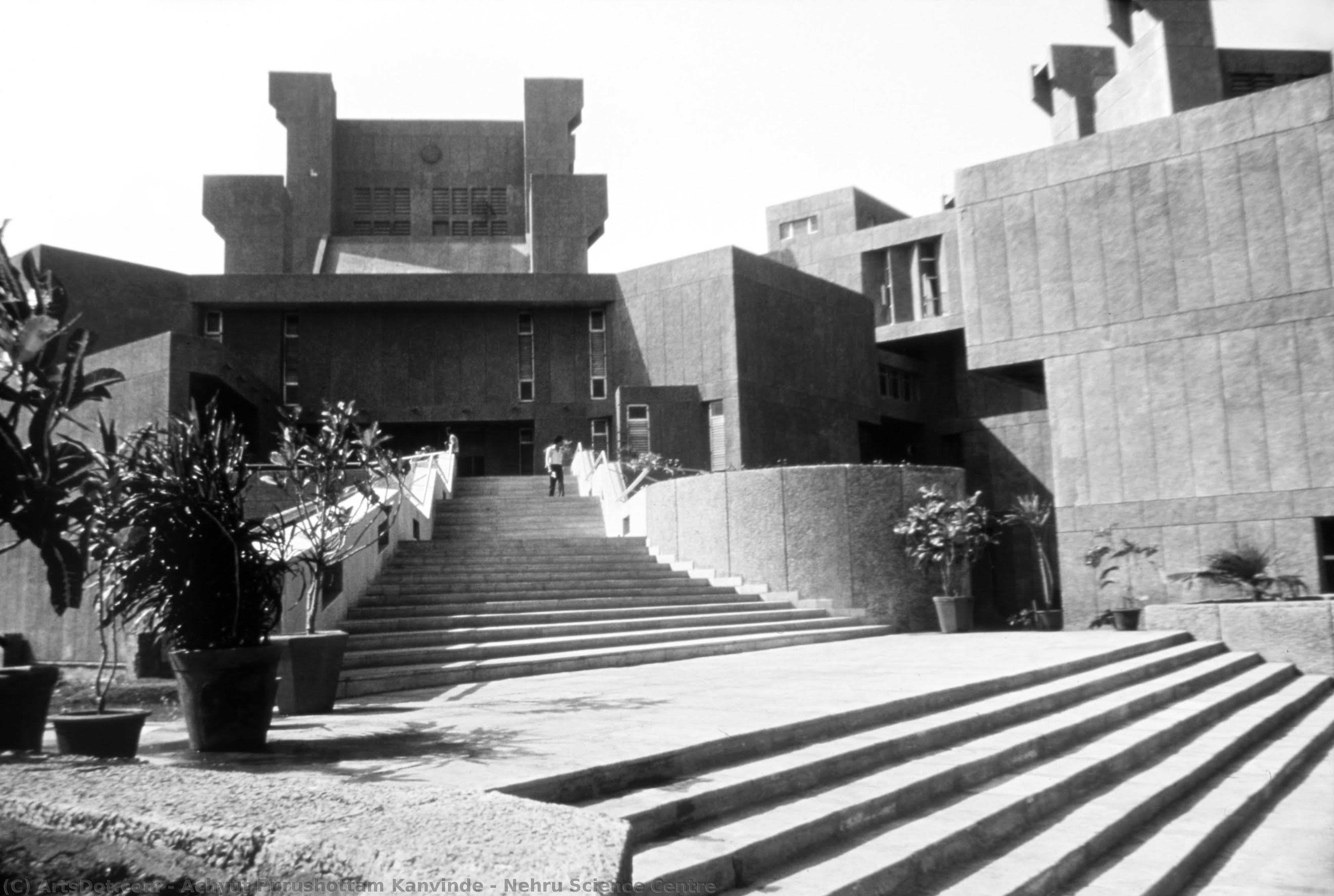
Nehru Science Centre

 Összes részlet megjelenítése
Vásároljon nagy felbontású, javított digitális képet, amely minőségében messze felülmúlja az online előnézetet.
Minden fájlt szakembereink a legmodernebb eszközök és precíz, kézi retusálás segítségével készítenek el aprólékosan. Gondoskodunk arról, hogy minden kép kivételes tisztasággal, pontos színhelyességgel és részletgazdag finomsággal rendelkezzen.
A végleges fájl 72 órán belül e-mailben megérkezik, professzionális, szerkesztői és nyomtatási környezetbe optimalizálva az azonnali használathoz. Ez ugyanaz a minőség, amelyben a legmeghatározóbb tervezőstúdiók, kiadók és galériák is megbízhatnak.
Digitális kép
Töltsön le nagy felbontású fájlt személyes kiállításokhoz, nyomtatáshoz és kreatív projektekhez. ( Nyomat rendelése Kézzel festett másolat rendelése)
Minden digitális kép rendeléséhez tartozó extrák
Szakértői digitális kézbesítés, garantáltan
Amikor a OriginalUniqueArt.com szolgáltatást választja, nem csupán egy képet kap – professzionálisan felmagasított digitális műalkotást kap, amely precizitással készült, és amelyet megelégsedési gwarancia tesz biztoslássá. Az alábbiakban automatikusan minden benne 】

Gyors e-mail teslimítés
A nagy felbontású digitális képmásolatát a megrendelést követő 72 órán belül e-mailben elküldjük Önnek – azonnal használható formátumban.

MI-alapú digitális fejlesztésű fájl
Műve professzionális módon kerül optimalizálásra fejlett mesterséges intelligencia eszközök és manuális szerkesztés segítségével, biztosítva a maximális részletességet, tisztaságot és színpontosságot.

Örök életű ingyenes újradelivery
Véletlenül törölted vagy elvesztetted a fájlodat? Ne aggódj – bármikor ingyen újra megküldjük neked.

Nincs importköltség – soha
Élvezze műalkotásait azonnal, vám, illeték vagy szállítási költség nélkül – a digitális letöltések mindig adamentesek.

Színpontosság garantálása
Professzionális eszközök és színkezelés segítségével garantáljuk, hogy digitális képe a lehető legpontosabban tükrözze az eredeti színeket.

60 napos elégedettségi garancia
Ha nemມີ elégedett a digitális képpel, 60 napon belül átmunkáljuk azt, vagy 100% visszatérítjük az amountot – kérdés nélkül.

100% Pénzvisszatérítési garancia
Nem érheted el a teljes elégedettséget? 60 napon belül teljes visszatérítést kapsz a digitális fájlod megérkezése után – kérdés nélkül.

Tömegrendelési kedvezmények
Vásároljon 3 képet, spóroljon 10%-et - Vásároljon 5-öt, spóroljon 15%-et - Vásároljon 10+ képet, spóroljon 20%-at. Kiváló kreatív projektekhez, galériákhoz és ügynökségekhez.
A művész életrajza
Achyut Purushottam Kanvinde: Architect of Space and Spirit
Achyut Purushottam Kanvinde (1916-2002) stands as a pivotal figure in the evolution of Indian architecture, a visionary who seamlessly blended Brutalist functionality with profound respect for vernacular traditions. Born in Achara, a small village within the Konkan region of Maharashtra, his early life was deeply rooted in the rhythms of rural India – a formative experience that would profoundly shape his architectural philosophy and approach. His father, an artist, instilled in him a sensitivity to form and color, while the stark beauty of the Konkan landscape ignited a lifelong fascination with spatial relationships and natural light. This confluence of influences laid the groundwork for a career dedicated to creating buildings that were not merely structures but living extensions of their environment and inhabitants.
Kanvinde’s formal training began at the prestigious J.J. School of Arts in Mumbai, where he honed his skills under Claude Batley, a leading architect of his time. However, it was his subsequent exposure to European architectural movements – particularly the Bauhaus principles championed by Walter Gropius – that truly catalyzed his artistic development. He spent time studying at Harvard’s Graduate School of Design, immersing himself in the radical ideas of modernism and embracing its emphasis on functionality, simplicity, and a rejection of ornamentation. This transatlantic journey provided him with a crucial framework for synthesizing traditional Indian values with contemporary architectural thinking.
Early Career and Government Service
Returning to India after World War II, Kanvinde joined the Council for Scientific and Industrial Research (CSIR), a move that proved instrumental in shaping his professional trajectory. During this period, he gained invaluable experience working on a diverse range of projects, from government buildings to research facilities. It was during this time that he began to develop his signature style – characterized by robust concrete forms, expansive open spaces, and an innovative use of natural light. His work reflected a deep understanding of structural engineering combined with a keen awareness of human needs and the importance of creating comfortable, functional environments.
His tenure at CSIR was marked by significant achievements, including the design of several landmark buildings that would become integral to India’s architectural landscape. Notably, he played a key role in the construction of the Nehru Science Centre in Delhi, a complex that seamlessly integrates scientific research with public engagement through its innovative spatial arrangements and striking concrete facade. He also contributed significantly to the National Council of Applied Economic Research (NCAER) building in New Delhi, showcasing his ability to create functional spaces while maintaining an aesthetic sensibility.
Key Architectural Achievements & Design Philosophy
Kanvinde’s architectural legacy extends far beyond these individual projects. He was a prolific designer, responsible for over 450 buildings across India, each reflecting his evolving design philosophy. A core tenet of his work was the integration of ‘Vastu Shastra,’ the ancient Indian system of architecture based on cosmological principles and harmony with nature. This wasn’t simply a superficial incorporation; Kanvinde meticulously studied and applied Vastu Shastra to ensure that his buildings were not only structurally sound but also aligned with the natural energies of their surroundings.
He championed asymmetry as a design element, rejecting the rigid symmetry often associated with Western architecture. His designs favored dynamic forms, open spaces, and an emphasis on natural light – principles deeply rooted in both Vastu Shastra and the Bauhaus aesthetic. He believed that buildings should be ‘instruments of human experience,’ creating spaces that fostered interaction, contemplation, and a sense of connection to the environment. His work at IIT Kanpur exemplifies this philosophy, with its expansive courtyards, soaring ceilings, and abundant natural light – a space designed to inspire learning and collaboration.
Recognition & Lasting Influence
Achyut Kanvinde’s contributions to Indian architecture were widely recognized throughout his career. In 1974, he was awarded the Padma Shri, India's second-highest civilian honor, a testament to his profound impact on the nation’s built environment. He served as President of the Indian Institute of Architects from 1974 to 1976, further solidifying his position as a leading voice in the profession. His influence extended beyond his own designs; he mentored countless young architects, fostering a generation committed to blending modern principles with traditional values.
Even after his death in 2002, Kanvinde’s work continues to inspire and inform architectural practice in India and beyond. His buildings stand as enduring symbols of innovation, functionality, and a deep respect for the cultural heritage of the country. His legacy is not simply one of concrete and steel but of a profound understanding of space, light, and the human spirit – a testament to an architect who truly understood how to build for both the present and the future.

achyut purushottam kanvinde
1916 - 2002 , India
Érdekességek
- Artistic Movement Or Style: Brutalism, Functionalist
- Artists Or Movements Influenced By This Artist:
- Paul Rudolph
- I. M. Pei
- Artists Who Influenced This Artist:
- Walter Gropius
- Bauhaus
- Date Of Birth: 1916-02-09
- Date Of Death: 2002-12-28
- Full Name: Achyut Purushottam Kanvinde
- Nationality: Indian
- Notable Artworks:
- IIT Kanpur
- Nehru Science Centre
- ISKCON Temple
- Place Of Birth: Achara, India

