

 Előnézet
 Megosztás
 Megosztás
 Részletek
 Útmutató

 Letöltés
 Hasonló darabok
 X-ray felvétel
 Diavetítés
 Statisztika
Painting


 Tovább olvasom
Kézzel készített olajfestmény reprodukció
Kézzel festett olajvastú vászon, az Ön által választott méretben és keretben, művészeink készítik meglévőre. ( Váltás nyomtatványra Áttérés digitális képre)




































Válasszon előre meghatározott méreteink közül, amelyek megfelelnek a műalkotás eredeti arányainak.

Ön megadhat saját méreteket egy adott kerethez vagy térhez igazításhoz. Ha a kiválasztott méret nem egyezik az eredeti kép arányával, akkor a műalkotást levágjuk, vagy további kézzel festett elemekkel meghosszabbítjuk a festményt. A gyártás megkezdése előtt küldünk Önnek egy digitális előnézetet jóváhagyásra.
Kérjük, vegye figyelembe, hogy a képernyőn megjelenő előnézet nem tükrözi a tényleges vágást vagy kiterjesztést. Csak az előnézet fog pontosan mutatni a végső kompozíciót.
Bár egyedi méretek állnak rendelkezésre, javasoljuk, hogy válasszon egy méretet az előre meghatározott listából az eredeti arányok megőrzése érdekében.
A rendelést követően a OriginalUniqueArt.com csapata e-mailt küld az ügyfélnek az instrukciókért, és biztosít egy előnézeti képet (mockup).
Világszerte elérhető szállítás () 3-4 hét alatt a szokásos 5 hét helyett. (26 szeptember). A minőség nem kérdőjelezhető.

Ingyenes globális expressz szállítás

Prémium minőségű len vászon

Teljes körű szállítási biztosítás

Vámvisszatérítési Garancia

Tökéletes színarányosság garancia

100 napos visszaküldési garancia (csak gyártási hibás termékek esetén)

100% pénzvisszatérítési garancia

Több darab vásárlásakor kedvezmény
 Az üvegkeretes opció csak 110 cm alatti méretben érhető el

Painting
Reprodukciós technika
Reprodukció méretei
-


Összesített ár
$ 300
A művész életrajza
A Life Interrupted: The Poignant Art of Abraham Weinbaum
Abraham (also known as Albert) Weinbaum’s story is one etched in both artistic promise and profound tragedy, a testament to the vibrant cultural life tragically extinguished by the horrors of World War II. Born in 1890 in Kamianets-Podilskyi, Ukraine, his early life hinted at a sensitivity that would blossom into a compelling artistic voice. Though born into a family with roots in the textile industry, Weinbaum felt drawn to a more expressive path, beginning his formal training in Odessa before relocating to Kraków. It was in Kraków that he forged friendships with fellow artists like Joseph Leski, and began to absorb influences that would shape his early style. He then moved to Paris in 1910, seeking the heart of the modern art world and a deeper connection with artistic innovation.Parisian Flourishing and Artistic Development
The École de Paris welcomed Weinbaum with open arms, becoming a crucial period in his development. He quickly integrated into the Parisian Salon system, exhibiting regularly alongside other emerging talents. His work during this time reflects a blend of realism and burgeoning modernism, often depicting intimate portraits, evocative cityscapes, and tender still lifes. However, it was his exploration of Jewish life – scenes from everyday existence, biblical narratives rendered with emotional depth – that began to define his unique artistic signature. Weinbaum wasn’t merely *representing* his heritage; he was imbuing it with a personal sensibility, capturing the spirit and struggles of a community on the cusp of immense change. His participation in exhibitions like the 1922 International Exhibition in Düsseldorf further solidified his reputation, and his paintings found favor with collectors, including acquisitions by the Belgian State. This period represents not just artistic growth but also a growing recognition of Weinbaum’s ability to connect with audiences through emotionally resonant imagery.Themes of Identity and a Looming Shadow
Weinbaum's art consistently returned to themes of Jewish identity, reflecting both pride in his cultural roots and an awareness of the rising antisemitism that permeated Europe. His paintings weren’t grand historical statements but rather intimate glimpses into daily life – families gathered around tables, figures engaged in quiet contemplation, scenes from religious traditions. These works possess a poignant quality, imbued with a sense of warmth and humanity that makes them particularly affecting today. As the political climate darkened in the late 1930s and early 1940s, this focus on Jewish life took on an increasingly urgent tone. In 1940, Weinbaum fled Paris with his wife and daughter, seeking refuge in Marseille, hoping to escape the Nazi occupation. This move, however, proved tragically insufficient.Deportation and Loss: A Legacy Silenced
The arrest of Abraham Weinbaum and his family on January 22, 1943, marked a devastating turning point. Interned at Compiègne before being transferred to Drancy, they were ultimately deported on convoy number 52 on March 23, 1943, destined for the Sobibor extermination camp. There, their lives – and Weinbaum’s artistic journey – were brutally cut short. The loss of such a promising talent represents an immeasurable tragedy for the art world. While his body of work isn't extensive, it stands as a powerful testament to the vibrant Jewish culture that was so violently suppressed during the Holocaust.Historical Significance and Enduring Impact
Abraham Weinbaum’s artwork is significant not only for its artistic merit but also for what it represents: a poignant record of a life and community tragically lost. His paintings offer a glimpse into the everyday lives of European Jews on the eve of unimaginable horror, imbued with a sense of warmth, humanity, and cultural pride. Today, his work serves as a powerful reminder of the importance of remembering the victims of the Holocaust and preserving their stories for future generations. He is remembered among the artists of Montparnasse, a testament to the enduring power of art to bear witness and offer solace in the face of unspeakable tragedy. His legacy continues to inspire reflection on themes of identity, loss, and the importance of artistic expression as a form of resistance and remembrance.
abraham weinbaum
1890 - 1943 , Ukraine
Gyors információk
- Artistic Movement Or Style: École de Paris
- Artists Who Influenced This Artist: ['Joseph Pankiewicz']
- Date Of Birth: 1890
- Date Of Death: 1943
- Full Name: Abraham Weinbaum
- Nationality: Polish
- Notable Artworks: ['Jewish Painter life']
- Place Of Birth: Kamianets-Podilskyi, Ukraine
Kapcsolódó cikkek

A fény és a szín mögött: Impresszionizmus vs. Posztimpresszionizmus a kifinomult gyűjtő számára
Mélyreható elemzés az impresszionizmus és posztimpresszionizmus közötti különbségekről a kifinomult műgyűjtők számára. Értékbecslés, befektetési tanácsok és a legnagyobb mesterek alkotásai.

Beyond Impressionism: Exploring the Emotional Depth of Post-Impressionist Painting
Explore the profound emotional depth & innovative techniques of Post-Impressionism with OriginalUniqueArt. Discover Cézanne, Van Gogh, Gauguin & more – and their lasting impact on modern art.
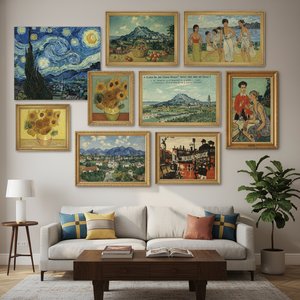
A posztimpresszionizmus 10 legikonikusabb remekműve – OriginalUniqueArt.com
Fedezze fel a posztimpresszionizmus 10 legjelentősebb remekművét! Van Gogh, Cézanne és Gauguin alkotásainak története – inspiráló festmények otthonába. Prémium minőségű reprodukciók a OriginalUniqueArt.com-on. Böngéssze online kínálatunkat!
Beyond the Light: Discovering the Soul and Emotional Depth of Post-Impressionism
Embark on a cultural journey through Post-Impressionism. Discover the profound emotional depth of masters like Van Gogh and Cézanne, exploring how they moved beyond light to capture the very soul of human experience through vibrant color and symbolic form.

Impressionism vs. Post-Impressionism: A Masterclass in the Revolution of Light, Color, and Emotion
Master the nuances of Impressionism vs. Post-Impressionism with our expert guide. Explore the revolutionary shift from Monet’s fleeting light to Van Gogh’s emotional depth. Discover how these iconic movements continue to inspire fine art collectors and modern interiors today.