
 Megtekintés
 Küldés
 Megosztás
 Részletek

 Letöltés
 Hasonló darabok
 X-ray felvétel
 Diavetítés
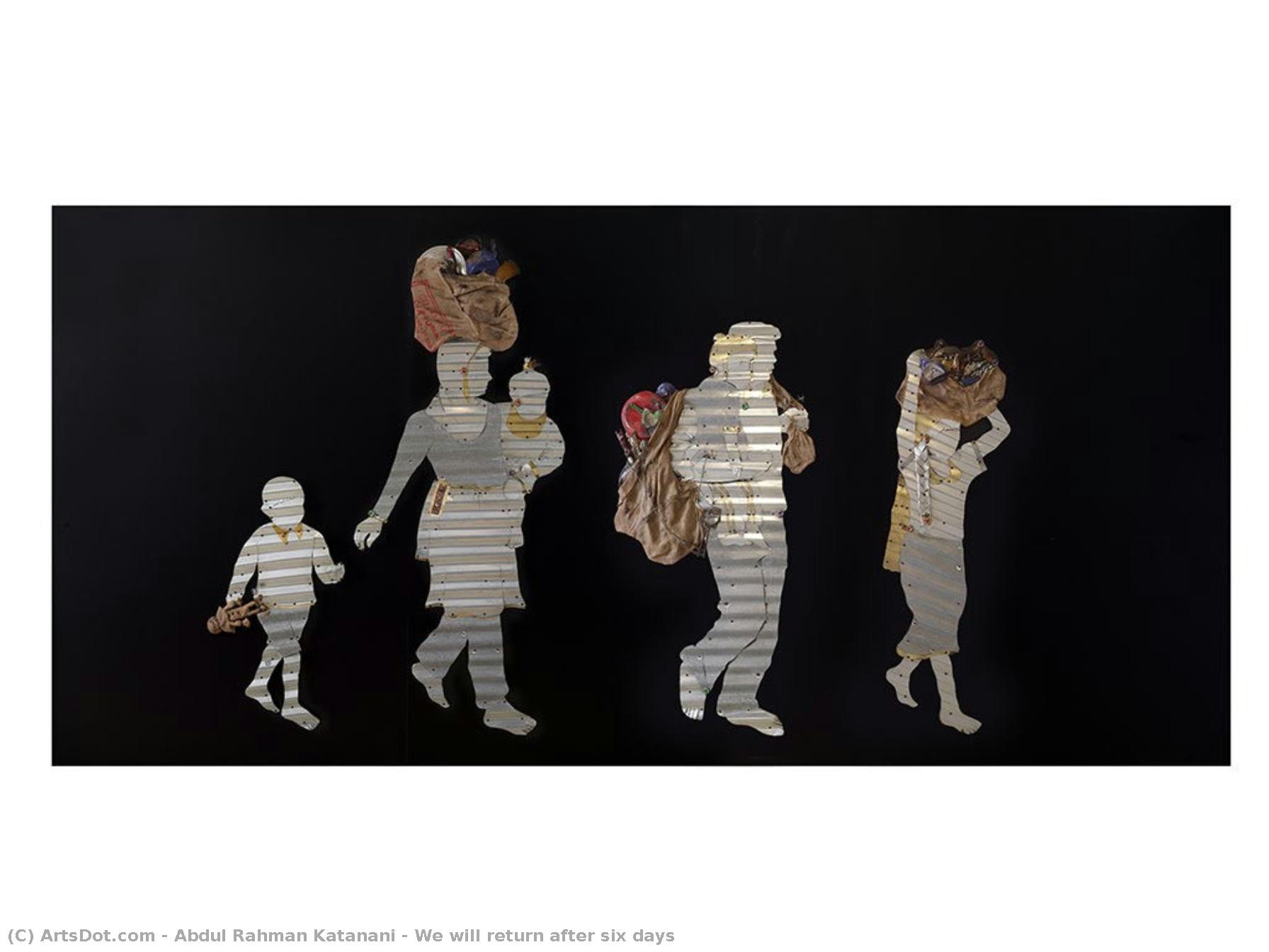
We will return after six days
 Contemporary Realism
 2015
2015 250.0 x 520.0 cm
 The Ramzi and Saeda Dalloul Art Foundation
 Összes részlet megjelenítése
Vásároljon nagy felbontású, javított digitális képet, amely minőségében messze felülmúlja az online előnézetet.
Minden fájlt szakembereink a legmodernebb eszközök és precíz, kézi retusálás segítségével készítenek el aprólékosan. Gondoskodunk arról, hogy minden kép kivételes tisztasággal, pontos színhelyességgel és részletgazdag finomsággal rendelkezzen.
A végleges fájl 72 órán belül e-mailben megérkezik, professzionális, szerkesztői és nyomtatási környezetbe optimalizálva az azonnali használathoz. Ez ugyanaz a minőség, amelyben a legmeghatározóbb tervezőstúdiók, kiadók és galériák is megbízhatnak.
Digitális kép
Töltsön le nagy felbontású fájlt személyes kiállításokhoz, nyomtatáshoz és kreatív projektekhez. ( Nyomat rendelése Kézzel festett másolat rendelése)
Minden digitális kép rendeléséhez tartozó extrák
Szakértői digitális kézbesítés, garantáltan
Amikor a OriginalUniqueArt.com szolgáltatást választja, nem csupán egy képet kap – professzionálisan felmagasított digitális műalkotást kap, amely precizitással készült, és amelyet megelégsedési gwarancia tesz biztoslássá. Az alábbiakban automatikusan minden benne 】

Gyors e-mail teslimítés
A nagy felbontású digitális képmásolatát a megrendelést követő 72 órán belül e-mailben elküldjük Önnek – azonnal használható formátumban.

MI-alapú digitális fejlesztésű fájl
Műve professzionális módon kerül optimalizálásra fejlett mesterséges intelligencia eszközök és manuális szerkesztés segítségével, biztosítva a maximális részletességet, tisztaságot és színpontosságot.

Örök életű ingyenes újradelivery
Véletlenül törölted vagy elvesztetted a fájlodat? Ne aggódj – bármikor ingyen újra megküldjük neked.

Nincs importköltség – soha
Élvezze műalkotásait azonnal, vám, illeték vagy szállítási költség nélkül – a digitális letöltések mindig adamentesek.

Színpontosság garantálása
Professzionális eszközök és színkezelés segítségével garantáljuk, hogy digitális képe a lehető legpontosabban tükrözze az eredeti színeket.

60 napos elégedettségi garancia
Ha nemມີ elégedett a digitális képpel, 60 napon belül átmunkáljuk azt, vagy 100% visszatérítjük az amountot – kérdés nélkül.

100% Pénzvisszatérítési garancia
Nem érheted el a teljes elégedettséget? 60 napon belül teljes visszatérítést kapsz a digitális fájlod megérkezése után – kérdés nélkül.

Tömegrendelési kedvezmények
Vásároljon 3 képet, spóroljon 10%-et - Vásároljon 5-öt, spóroljon 15%-et - Vásároljon 10+ képet, spóroljon 20%-at. Kiváló kreatív projektekhez, galériákhoz és ügynökségekhez.
A művész életrajza
A Life Forged in Resilience: The Art of Abdul Rahman Katanani
Abdul Rahman Katanani’s story is inextricably linked to the enduring narrative of Palestinian displacement and resistance, a tale etched into the very materials he transforms into poignant works of art. Born in 1983 within the Sabra refugee camp in Beirut, Lebanon—just nine months after the horrific events of the Sabra & Shatila massacre—Katanani’s existence began amidst trauma and loss. He is a third-generation refugee, carrying the weight of his grandparents' forced exodus from Yazour, a small town near Jaffa, during the 1948 Palestinian exodus. This inherited history isn’t merely a backdrop to his art; it *is* the foundation upon which his creative vision rests. Growing up within the confines of the camp, surrounded by hardship and uncertainty, Katanani's early artistic expressions took the form of political cartoons, deeply inspired by the powerful work of Palestinian cartoonist Naji al-Ali—a testament to the immediate need for visual commentary in a world often deaf to the voices of the marginalized. These initial sketches were not simply drawings; they were acts of defiance, attempts to capture and communicate the realities of life under occupation and displacement.From Cartoons to Sculptural Testimony
Katanani’s formal artistic journey began with his studies at the Lebanese University in Beirut, where he earned both a Diploma and Masters of Fine Arts. However, it was his choice of medium that truly set him apart. Rather than seeking conventional materials, Katanani turned inward, sourcing everything from within the camp itself—scrap metal, discarded objects, and most notably, barbed wire. This deliberate selection is profoundly symbolic. Barbed wire, a ubiquitous symbol of confinement and separation, becomes in his hands a material for creation, a means of reclaiming agency and transforming instruments of oppression into expressions of hope and memory. His sculptures are not polished or idealized; they bear the marks of their origins—the rust, the bends, the imperfections—testifying to the harsh realities from which they emerged. The use of found objects imbues his work with a raw authenticity, each piece echoing the lives and stories embedded within the camp’s landscape. He doesn't simply *create* art; he excavates it from the very fabric of his surroundings.Influences and Artistic Development
While al-Ali provided an early spark, Katanani’s artistic development has been shaped by a broader engagement with contemporary sculpture and a deep connection to his Palestinian heritage. His work resonates with themes of memory, identity, and belonging—universal concerns explored through the specific lens of the refugee experience. The documentary “Le Lanceur de Pierres” (The Stone Thrower), featuring Katanani in 2012, brought international attention to his unique artistic voice and the powerful narratives embedded within his sculptures. This exposure broadened his reach and solidified his position as a significant figure in contemporary Arab art. His residencies at Cité internationale des arts in Paris and Centre d'Art de Nanterre further honed his skills and allowed him to engage with diverse artistic communities, enriching his perspective while remaining firmly rooted in his own cultural context.Recognition and Lasting Impact
Katanani’s work has garnered increasing recognition within the art world, including a Special Mention at Salon d'Automne held by Sursock Museum in Beirut (2008) and the Young Artist Prize (2009). His piece “With Her Nephew, Ahmad” is now part of the permanent collection of Barjeel Art Foundation—a testament to its artistic merit and historical significance. He has exhibited extensively both nationally and internationally, showcasing his sculptures in galleries and museums across multiple countries. In 2016, Artnet News recognized him as one of “the strongest mid-career artists in the Arab world,” a fitting acknowledgement of his consistent dedication to exploring complex themes with profound sensitivity and skill.A Voice for the Displaced
Abdul Rahman Katanani’s art transcends mere aesthetic appeal; it is a powerful act of witness, a testament to the resilience of the human spirit in the face of unimaginable hardship. His sculptures are not simply objects to be admired; they are invitations to engage with the realities of displacement, to confront uncomfortable truths, and to remember those whose stories might otherwise be forgotten. By transforming materials of confinement into expressions of hope and memory, Katanani offers a poignant commentary on the enduring struggle for Palestinian self-determination and the universal longing for home. His work serves as a vital reminder that art can be both a reflection of trauma and a catalyst for change—a powerful voice for those who have been silenced, and a beacon of hope in a world often shrouded in darkness.
abdul rahman katanani
1983 - , Lebanon
Érdekességek
- Artistic Movement Or Style: Contemporary sculpture
- Artists Who Influenced This Artist: ['Naji al-Ali']
- Date Of Birth: 1983
- Full Name: Abdul Rahman Katanani
- Nationality: Palestinian
- Notable Artworks:
- We will return after six days
- Tornado
- Girl running with a tile
- With Her Nephew, Ahmad
- Place Of Birth: Beirut, Lebanon

