

 Előnézet
 Megosztás
 Megosztás
 Részletek
 Útmutató

 Letöltés
 Hasonló darabok
 X-ray felvétel
 Diavetítés
 Statisztika
Pavilion
 Oil On Canvas
- WallArt
- Bengal School of Art
 23.0 x 16.0 cm
 Victoria Memorial Hall
 Tovább olvasom
Giclée / Műnyomat
Múzeumi minőségű giclée vagy vászonnyomat, gyors gyártással és rugalmas finomítási lehetőségekkel. ( Kézzel festett másolat vásárlása Áttérés digitális képre)




P118B Ft10

P118H Ft10

P118W Ft10

P438Z Ft10

P508JH Ft12

P508YH Ft12

P805H Ft10

P805Z Ft10

P919BZ Ft10

P919G Ft10

P919XJ Ft10

P959ZH Ft10

P968JZ Ft12

W106C Ft8

W218G Ft10

W218JH Ft8

W218Y Ft10

W307PJ Ft10

W316G Ft10

W316PJ Ft8

W316Y Ft10

W398PJ Ft8

W4111J Ft10

W500HY Ft15

W500JH Ft15

W692G Ft12

W849H Ft8

W940BG Ft15

W953PJ Ft8




Válasszon előre meghatározott méreteink közül, amelyek megfelelnek a műalkotás eredeti arányainak.

Írja be a keretének vagy a falának megfelelő szélességet és magasságot. A nyomatot csak le lehet vágni, soha nem tehető nagyobbá, mint az eredeti kép, így egy eltérő alakú méretnél a kép egy része elveszik. Mielőtt bármit kinyatintanánk, küldünk egy digitális próbamodellt jóváhagyásra. Az oldalon látható kép nem tartalmazza a valós levágást — ezt csak a próbamodell mutatja meg.
Világszerte történő kiszállítás területére mindössze 2 hét alatt, a szokásos 4-5 hét helyett. (25 október)

Ingyenes globális expressz szállítás

Prémium minőségű len vászon

Teljes körű szállítási biztosítás

Vámvisszatérítési Garancia

Tökéletes színarányosság garancia

100 napos visszaküldési garancia (csak gyártási hibás termékek esetén)

100% pénzvisszatérítési garancia

Több darab vásárlásakor kedvezmény
 Az üvegkeretes opció csak 110 cm alatti méretben érhető el

Pavilion
Giclée / Műnyomat
Reprodukció méretei
-


Összesített ár
Ft 25642
Abanindranath Tagore’s “Pavilion”: A Bridge Between East and West
The artwork presented here, Abanindranath Tagore's "Pavilion," isn’t merely a depiction of a building; it’s a carefully constructed visual poem, a pivotal moment in the history of Indian art. Painted in 1907, during a period of intense nationalistic fervor and artistic experimentation, this work represents Tagore’s audacious attempt to synthesize traditional Indian aesthetics with Western influences – a strategy that fundamentally reshaped the landscape of modern Indian painting. It's a piece brimming with symbolism, inviting viewers to contemplate themes of spirituality, identity, and the evolving relationship between tradition and modernity.
Tagore, deeply influenced by the Japanese aesthetic—particularly its emphasis on calligraphy and flattened perspective—and inspired by the Mughal and Rajput miniature traditions, sought to create an art form that resonated with Indian sensibilities. He deliberately rejected the academic realism prevalent in Western art schools, which he viewed as cold and devoid of spiritual depth. Instead, he drew upon the rich visual vocabulary of ancient India – its vibrant colors, stylized forms, and symbolic imagery—and infused it with a distinctly modern sensibility. “Pavilion” exemplifies this approach perfectly; it’s not a photographic representation but rather an evocative interpretation, prioritizing mood and feeling over strict adherence to reality.
A Symphony of Color and Symbolism
The painting immediately captivates the eye with its rich palette—a deliberate departure from the muted tones favored by Western artists. Deep blues and greens dominate the composition, evoking a sense of tranquility and spirituality, while bursts of crimson, gold, and saffron inject vibrancy and energy. These colors aren’t simply decorative; they carry profound symbolic weight. Blue represents the heavens and spiritual realms, red signifies passion and life force, and gold embodies divinity and enlightenment. The use of these hues is deeply rooted in Hindu iconography and reflects Tagore's desire to reconnect with India’s ancient spiritual heritage.
The pavilion itself—a structure reminiscent of Mughal palaces but imbued with a distinctly Indian character—is rendered with a flattened perspective, echoing the style of Japanese woodblock prints. The arched doorway, framed by intricate floral motifs and stylized clouds, serves as a focal point, drawing the viewer’s eye into the heart of the composition. Notice the deliberate simplification of forms – a hallmark of both Mughal and Japanese art—which contributes to the painting's serene and contemplative atmosphere. The figures depicted within the pavilion are not realistically rendered but rather presented as stylized silhouettes, further emphasizing the work’s symbolic nature.
Historical Context and Artistic Significance
“Pavilion” was created during a crucial period in Indian history—the early 20th century—a time marked by growing nationalist sentiment and a desire to reclaim India's cultural identity after centuries of colonial rule. Tagore’s art played a significant role in this movement, providing a visual language for expressing Indian values and traditions. He founded the Bengal School of Art, which championed a distinctly Indian style of painting that drew inspiration from both ancient and contemporary sources. This school challenged the dominance of Western artistic styles and paved the way for a new generation of Indian artists.
Tagore’s work wasn't without its critics. Some accused him of diluting traditional Indian art by incorporating Western elements, while others praised his innovative approach to blending Eastern and Western aesthetics. However, “Pavilion” remains a testament to Tagore’s artistic vision—a bold and ambitious attempt to create an art form that was both deeply rooted in India's cultural heritage and open to new influences. It stands as a pivotal work in the development of modern Indian painting, demonstrating the power of art to shape national identity and express complex ideas.
A Timeless Masterpiece for Your Space
Reproduced on high-quality canvas or paper, Abanindranath Tagore’s “Pavilion” offers a captivating glimpse into India's rich artistic heritage. Its serene composition, vibrant colors, and evocative symbolism make it an ideal addition to any home or office space. Whether you are drawn to its spiritual depth, its historical significance, or simply its aesthetic beauty, this artwork is sure to inspire contemplation and add a touch of timeless elegance to your surroundings. Consider commissioning a hand-painted reproduction from OriginalUniqueArt.com for a truly authentic experience.
Gyakran Ismételt Kérdések
„Pavilion”, Abanindranath Tagore alkotása színei tel愈tek vagy fakók?
A „Pavilion”, Abanindranath Tagore alkotása alkotás Balanced Soft telítettségű színekkel készült.
Elérhető-e letöltés a(z) "Pavilion" című alkotáshoz?
Letölthető változat elérhető a "Pavilion" alkotás esetében: a mű Letöltés oldala magas felbontású digitális kép letöltés lehetőséget kínál.
Milyen technikával készült és milyen méretű „Pavilion”, Abanindranath Tagore alkotása?
Az eredeti „Pavilion”, Abanindranath Tagore alkotása egy Oil On Canvas alkotás, amelynek mérete 23 x 16 cm. A technika és a méret az eredeti műre vonatkozik.
A művész életrajza
Korai élet és háttér
- Született: 1861. május 7., Joransanko, Kalkutta, Brit India
- Hunytott el: 1951. december 5.
- Család: A neves Tagore család tagja; Rabindranath Tagore övé. Apai nagybátyja Girindranath Tagore, édesapja pedig Gunendranath Tagore volt.
- Tanulmányok: Az 1880-as években a kolkatai Sanskrit College-on tanult, majd később a Calcutta School of Art hallgatója lett.
Művészeti fejlődés és hatások
- Kora képzés: O. Ghilardi-tól tanult pastellt, Charles Palmer-től pedig olajfestészetet a Calcutta School of Art keretein belül.
- Mogul és Rajput stílusok: Célja e stílusok modernizálása volt, miközben elvetette a nyugati művészeti modelleket.
- Swadeshi értékek: Művészetébe beépítette a Swadeshi értékeket, ezzel is népszerűsítve az indiai hagyományokat.
- Whistler esztétikumának hatása: Whistler esztétikai elvei mély nyomot hagytak benne.
- Japán hatás: Később, a Tikan és Hesida művészekkel való találkozása után stílusába integrálta a kínai és japán kallográfiai hagyományokat.
Főbb művek és művészeti hozzájárulások
- Rohini II: Egy kiemelkedő alkotás, amely művészi képességét mutatja be.
- A Shajahan halála (Passing of Shajahan): Egy másik jelentős festmény, amely stílusát tükrözi.
- Szezonális virág vázában: A technikai és tematikus mesterségének bizonyítéka.
- Az Ezüsttengere éjszakái sorozat (1930): Alföldi remekműveinek egyik legkiemelkedőbb alkotása, amely az Ezüsttengere történeteit használta fel a koloniális Kalkutta felfedezésére.
- Bharat Mata: Egy jelentős festmény, amely India anyját szimbolizálja.
- A Bengal Iskolai Művészet alapítója: Kulcsszerepet játszott a modern indiai festészet kialakításában és a nacionalista művészet terjesztésében.
- India Orientális Művészeti Társasága (1907): E társaságalapító, hogy népszerűsítse a hagyományos indiai művészeti formákat.
Örökség és történelmi jelentőség
- A modern indiai festészet úttörője: Elismert meghatározó alakként az indiai modern művészet fejlődésében.
- Hatása a későbbi művészekre: Mentorként szolgált olyan neves művészek számára, mint Nandalal Bose, Asit Halder, Kshitindranath Majumdar és Jamini Roy.
- A hagyományos művészeti formák újjáélesztése: A hagyományos indiai technikákhoz és stílusokhoz való visszatérésért одиázott.
- Hatása a bengáli gyermekirodalomra: Meghatározó gyermekkönyveket írt, mint például a Rajkahini, a Budo Angla, a Nalak és a Khirer Putul.
- Nemzeti művészeti kincsek: Műveit nemzeti művészeti kincsként tekintik.

Abanindranath Tagore
1871 - 1951 , India
Gyors információk
- Artistic Movement Or Style: Bengáli Művészeti Iskola
- Artists Or Movements Influenced By This Artist:
- Nandalal Bose
- Kshitindranath Majumdar
- Jamini Roy
- Artists Who Influenced This Artist:
- Whistler
- Mogul művészek
- Rajput művészek
- Date Of Birth: 1871. máj. 7.
- Date Of Death: 1951. dec. 5.
- Full Name: Abanindranath Tagore
- Nationality: Indiai
- Notable Artworks:
- Rohini II
- Shajahan halála
- Szezonális virág vázában
- Place Of Birth: Jorasanko, India
Kapcsolódó cikkek

Raja Ravi Varma: Bridging Tradition & Modernity in 19th-Century Indian Art
Explore the life & art of Raja Ravi Varma, a pioneer who fused European techniques with Indian iconography. Discover his iconic paintings, lasting legacy, and influence on modern Indian art at OriginalUniqueArt.
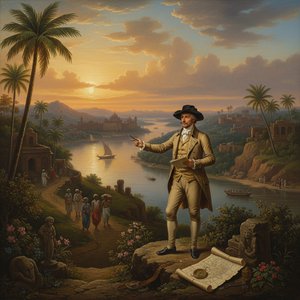
Thomas Daniell: Navigating Light, Landscape & Cultural Exchange in Early 19th-Century India
Explore the captivating landscapes of Thomas Daniell, a pioneering artist who documented India's beauty in the 19th century. Discover his 'Oriental Scenery,' aquatint technique & lasting legacy. Hand-painted reproductions available at OriginalUniqueArt.
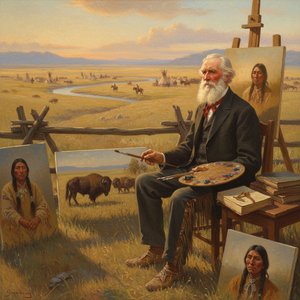
Joseph Henry Sharp: Capturing the Spirit of the Plains – Life, Art & Legacy
Explore the life & art of Joseph Henry Sharp, a founding member of the Taos Society of Artists renowned for his realistic depictions of Native American culture and Western landscapes. Discover his legacy with OriginalUniqueArt.
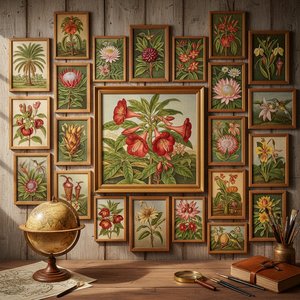
Marianne North legszebb festményei: 25 műalkotás a természet szépségéről | OriginalUniqueArt
Fedezze fel Marianne North 25 legszebb festményét! Ismerje meg a viktoriánus kor virágfestőjének lenyűgöző tájképeit és botanikai illusztrációit. Műalkotások vásárlása, faliképek otthonába – OriginalUniqueArt.com.
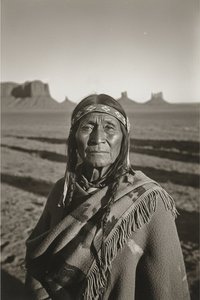
Shadow Catcher: Edward S. Curtis & the Ethnographic Portraiture of a Vanishing West
Explore the life & work of Edward S. Curtis, the 'Shadow Catcher,' and his groundbreaking photographic documentation of Native American cultures. Discover iconic images from *The North American Indian* and a critical look at his lasting legacy.
